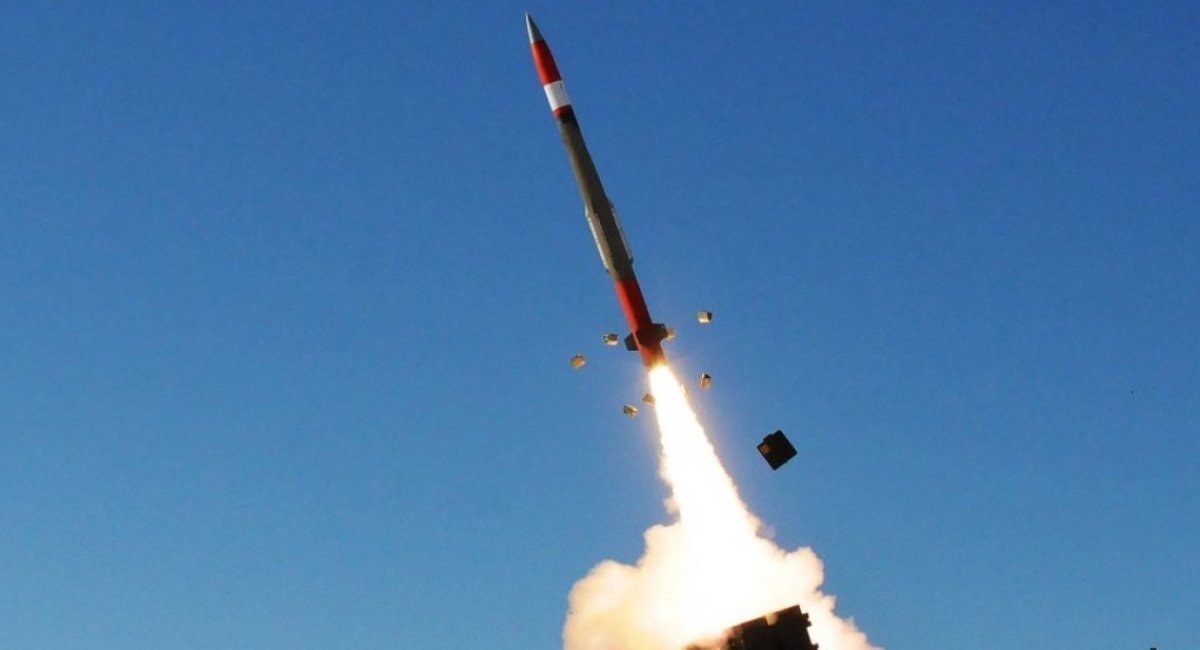
The U.S. Department ща State has approved the sale of 500 PAC-3 MSE interceptor missiles for Ukraine's Patriot air defense system, which are capable of shooting down russian ballistic missiles. The total value of the deal, including spare parts and related equipment, is approximately $2.1 billion.
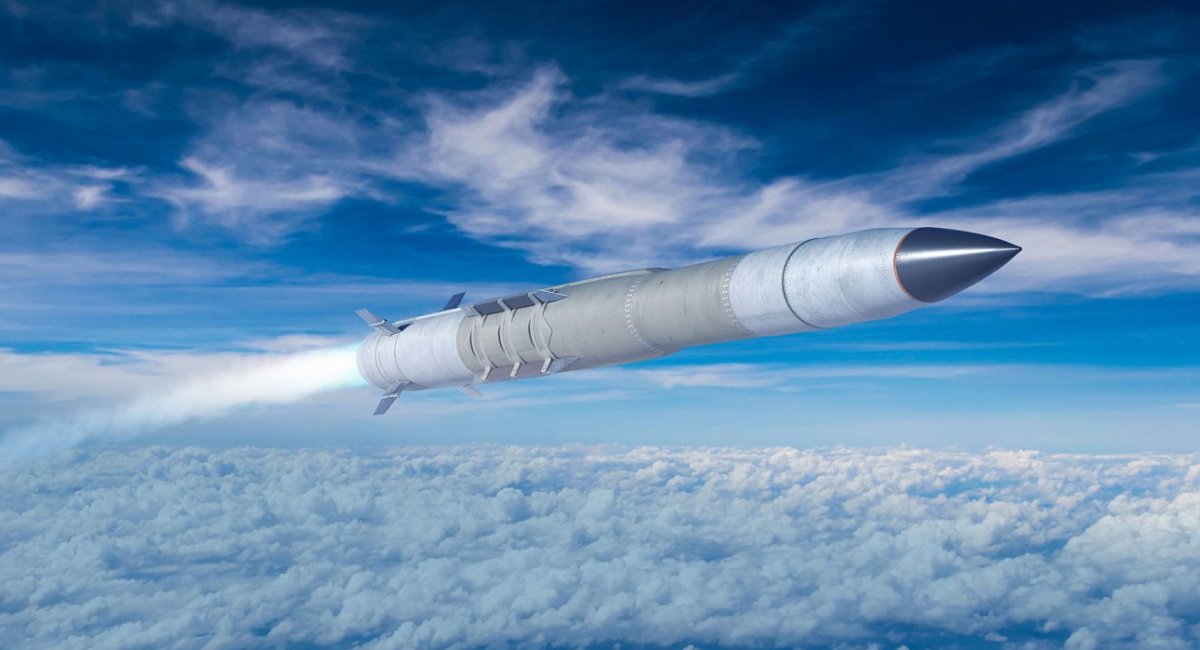
Canada, Germany, and Norway will cover these costs under the JUMPSTART program. In addition, national assets financed through an EU loan will be utilized. The agreement does not include any financial contribution from the U.S.
Read more: Ukraine's Lasar's Group Develops Interceptor Drone Against Jet-Powered Shahed Drones (Video)
Amid daily russian missile attacks and Ukraine's shortage of air defense interceptors, the decision appears promising, but it also raises several concerns. First, the deal's main contractor is Lockheed Martin, a U.S. defense manufacturer, meaning the interceptors can be produced in advance.
Although the Pentagon has decided to triple annual PAC-3 MSE production—from approximately 620–650 missiles to around 1,900—in response to hostilities in the Middle East and the resulting interceptor shortage, this production target is not expected to be reached until at least 2030.
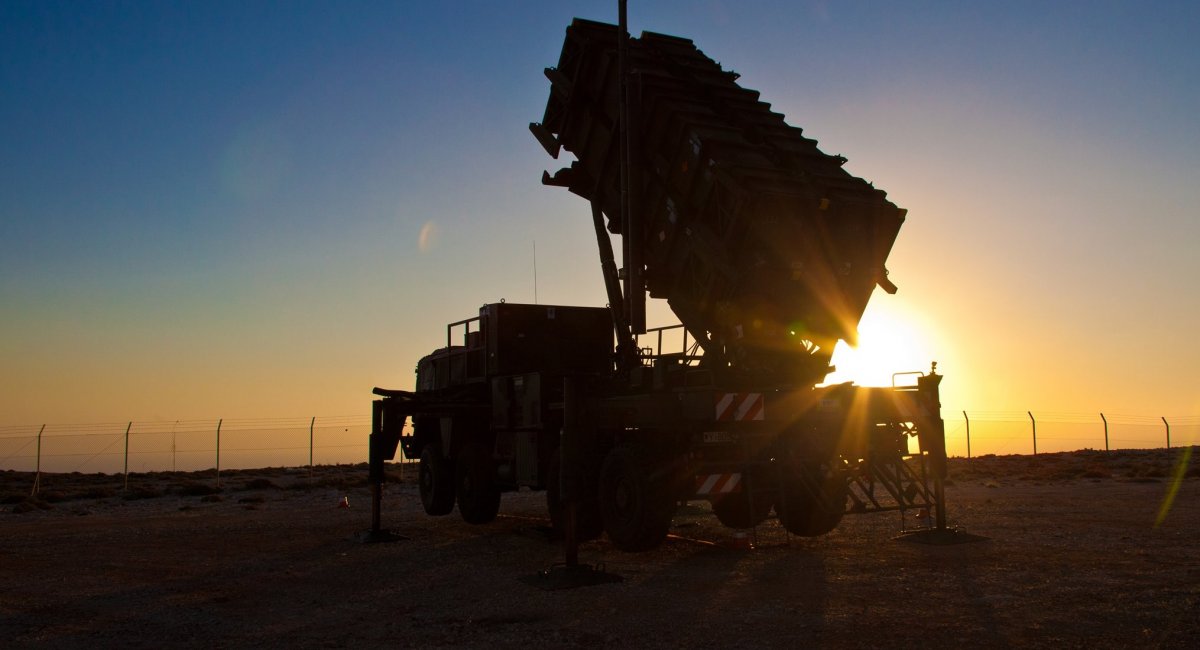
In addition, the full production cycle for a single missile currently takes approximately 24 months. This means that it could take several years to manufacture and deliver the 500 missiles to Ukraine, even under the assumption that the Pentagon prioritizes the order and expedites it ahead of orders from other countries.
Second, considering Ukraine's need for 150 to 350 ballistic missile interceptors every month, the 500 PAC-3 MSE missiles announced would provide only a temporary solution, lasting just over three months even under the most conservative usage scenario. Against this backdrop, Ukraine must look beyond PAC-3 MSE missiles and explore other options to address its immediate air defense needs.
From Defense Express we would like to note that Ukraine has several alternatives to consider. In theory, Ukraine could receive additional PAC-3 MSE missiles from European partners such as Poland and Germany, both of which have already supplied these interceptors. However, the quantities in question would be limited to dozens of interceptors rather than hundreds.
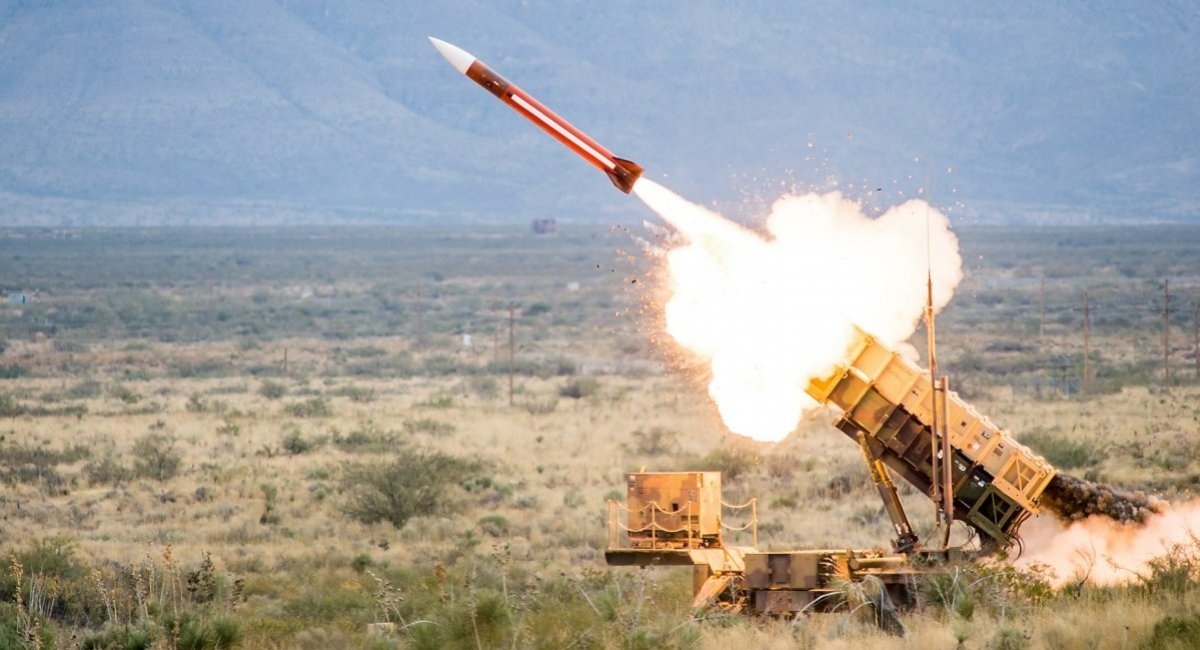
However, Ukraine would need to secure more favorable terms from Washington. For example, under its agreement with the U.S., Poland is to receive 50 PAC-3 MSE missiles within the first 24 hours of a threat to its territory in exchange for transferring five such interceptors to Ukraine.
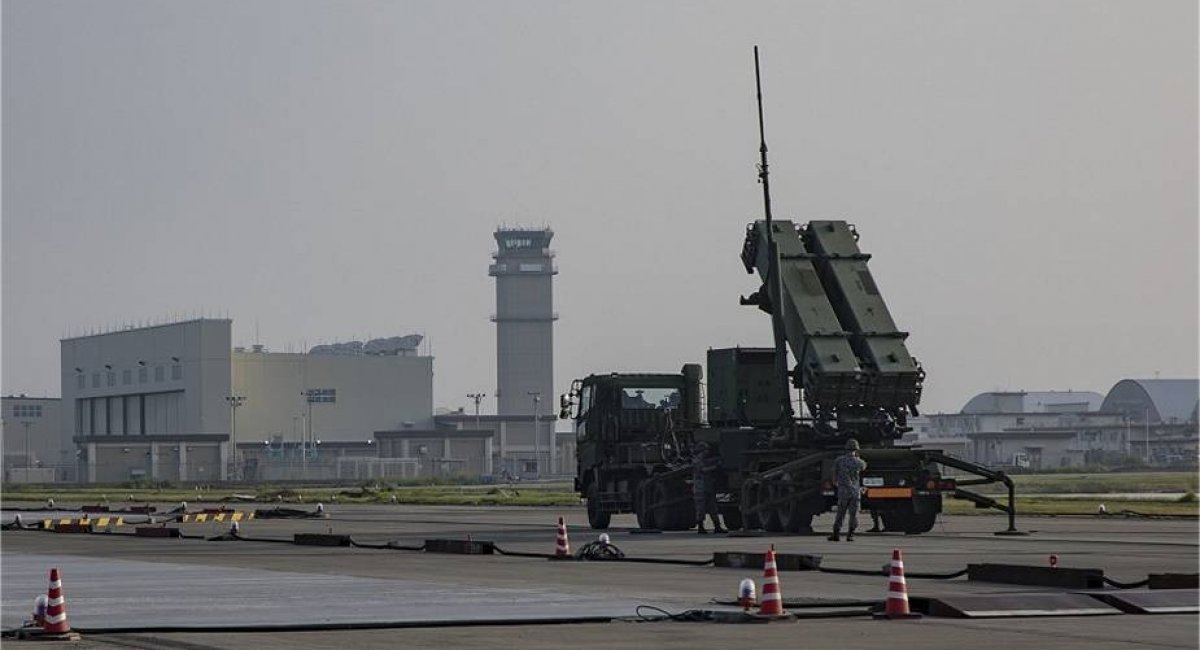
Japan also remains a likely option, as it is the only country in the world to have localized the production of PAC-3 MSE missiles and is one of the world's largest operators of the Patriot air defense system. Recently, a former Japanese defense minister, now a member of parliament, said that Japan was considering sending air defense missiles to Ukraine. However, he did not specify which interceptor missiles he had in mind.
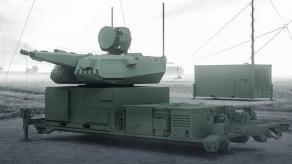
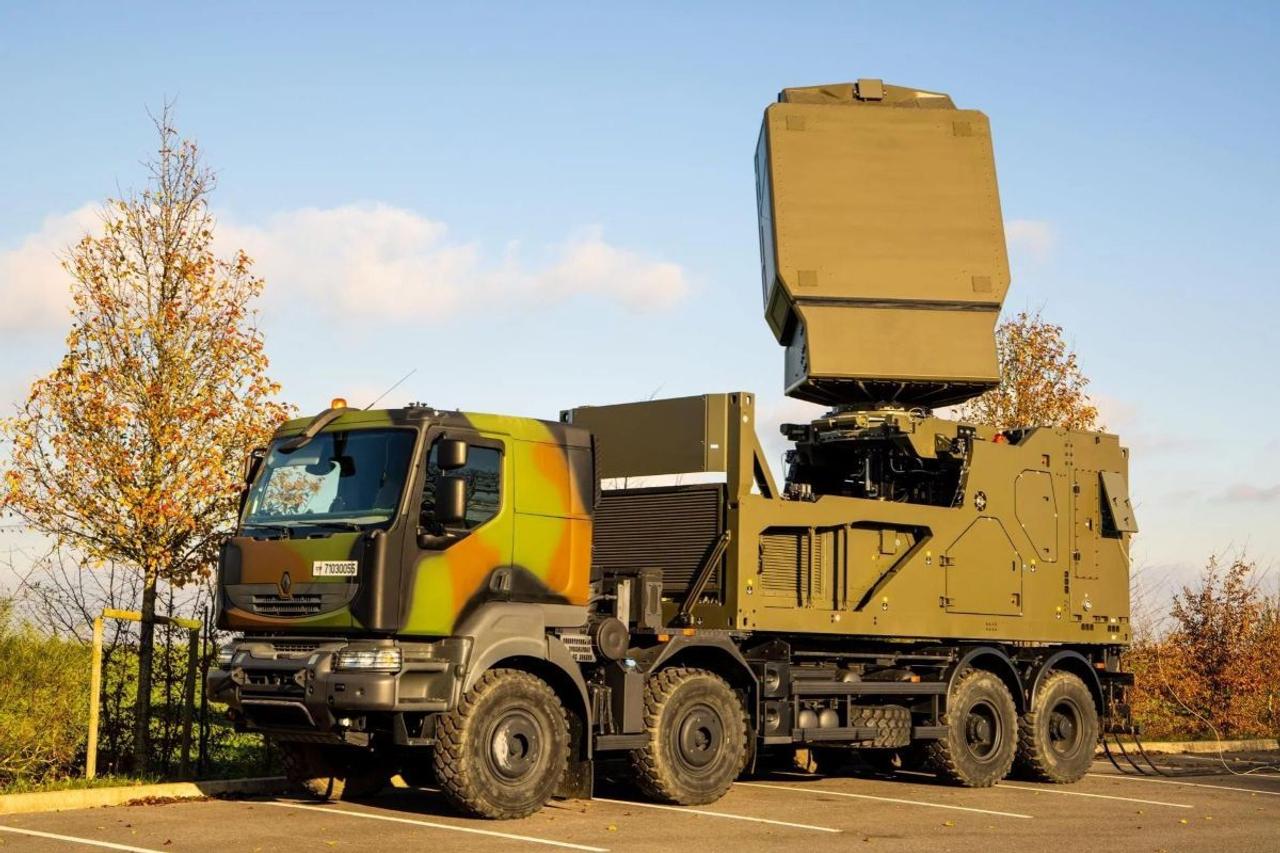
Another alternative to the Patriot air defense system is the Franco-Italian SAMP/T NG, which features Thales's new Ground Fire 300 radar. Ukraine is expected to receive four such systems, with deliveries scheduled to begin in 2027.
Another potential solution is FREYJA, a pan-European project aimed at developing a new air defense system. Initial testing is scheduled to begin in early 2027.
It is currently known that Ukraine, as stated by Ukrainian President Volodymyr Zelenskyy, has already completed its part of the work under this project and is awaiting the completion of the remaining work by its partners.
Read more: Switzerland Shortlists SAMP/T NG, Barak MX for €6.5B Air Defense Contest, South Korean L-SAM Eliminated