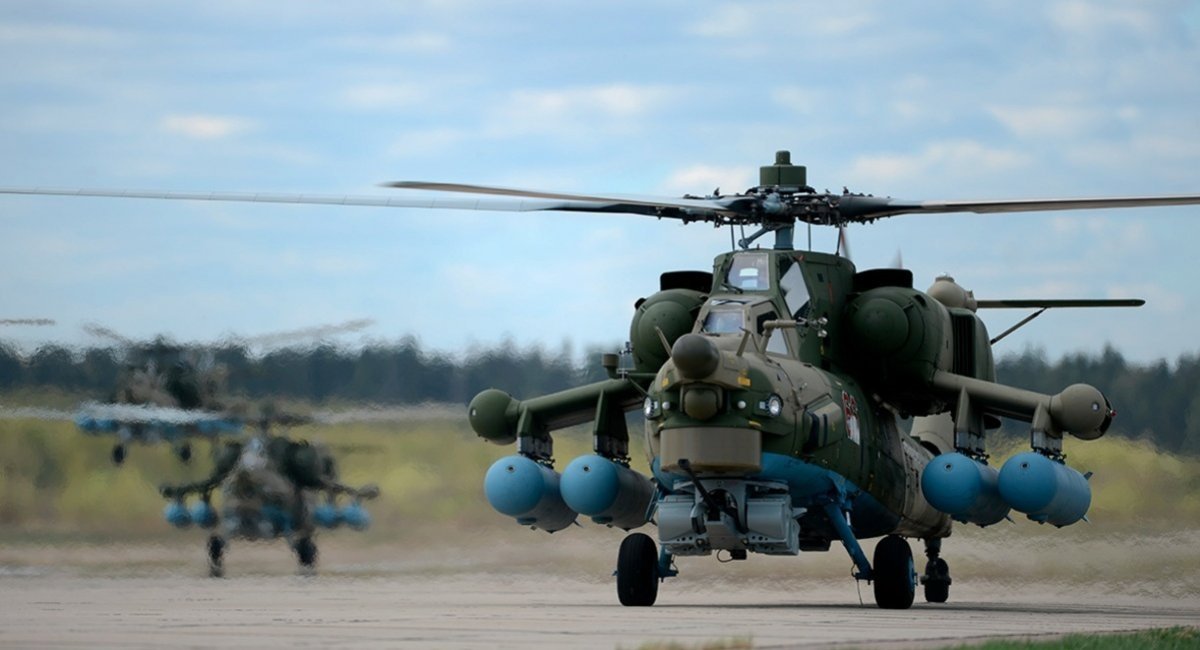
The first photos of the S-8000 Banderol cruise missile—or possibly its licensed copy, the Dan-T—mounted on a Mi-28 helicopter have appeared online. Although the capability to launch these missiles from the Mi-28 was announced as early as 2025, this photo provides the first visual evidence that the capability has been implemented.
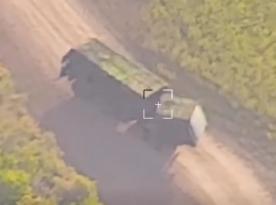
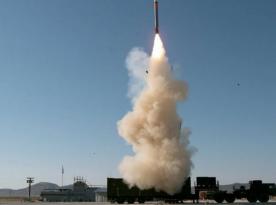
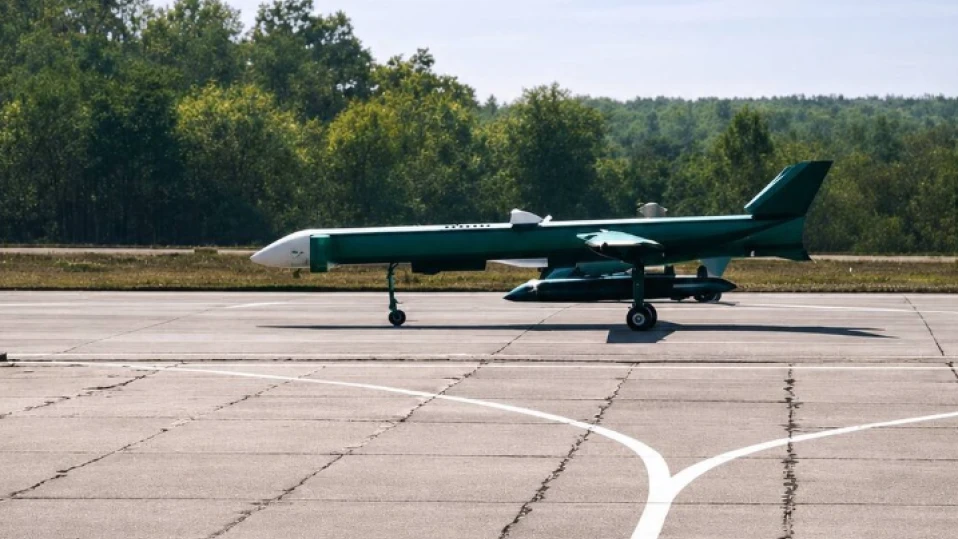
Previously, the S-8000 Banderol and Dan-T had been spotted only aboard Orion strike and reconnaissance UAVs, as well as in design renderings and at an exhibition featuring ground-based launchers. However, the actual use of these ground-based launchers has not yet been definitively confirmed.
Read more: Why russia's Jet-Powered Drones Fly at 7 km, Which Air Defense Systems Cannot Reach Them
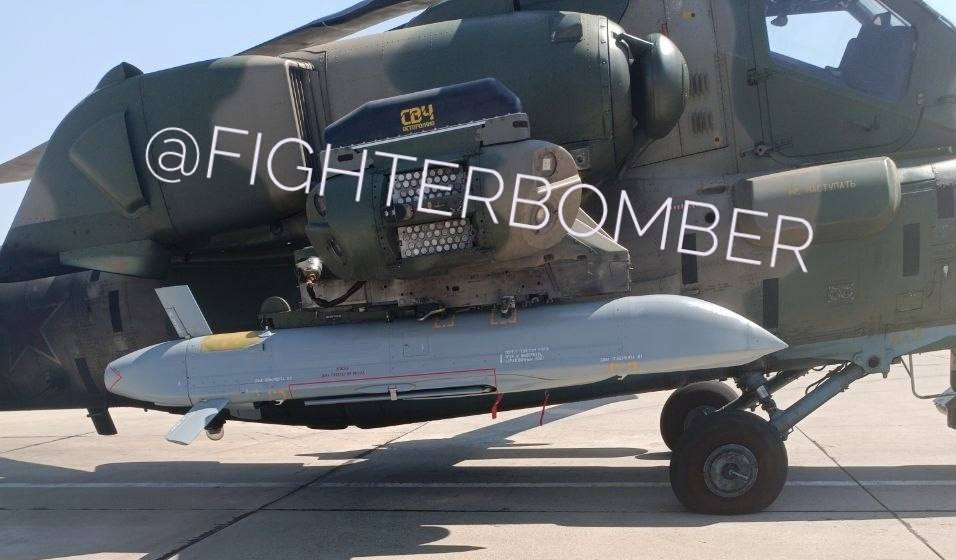
In fact, launching these cruise missiles from a Mi-28 presents several significant challenges that are absent when using ground-based launchers. However, first let's take a closer look at the S-8000 Banderol launch from a Mi-28.
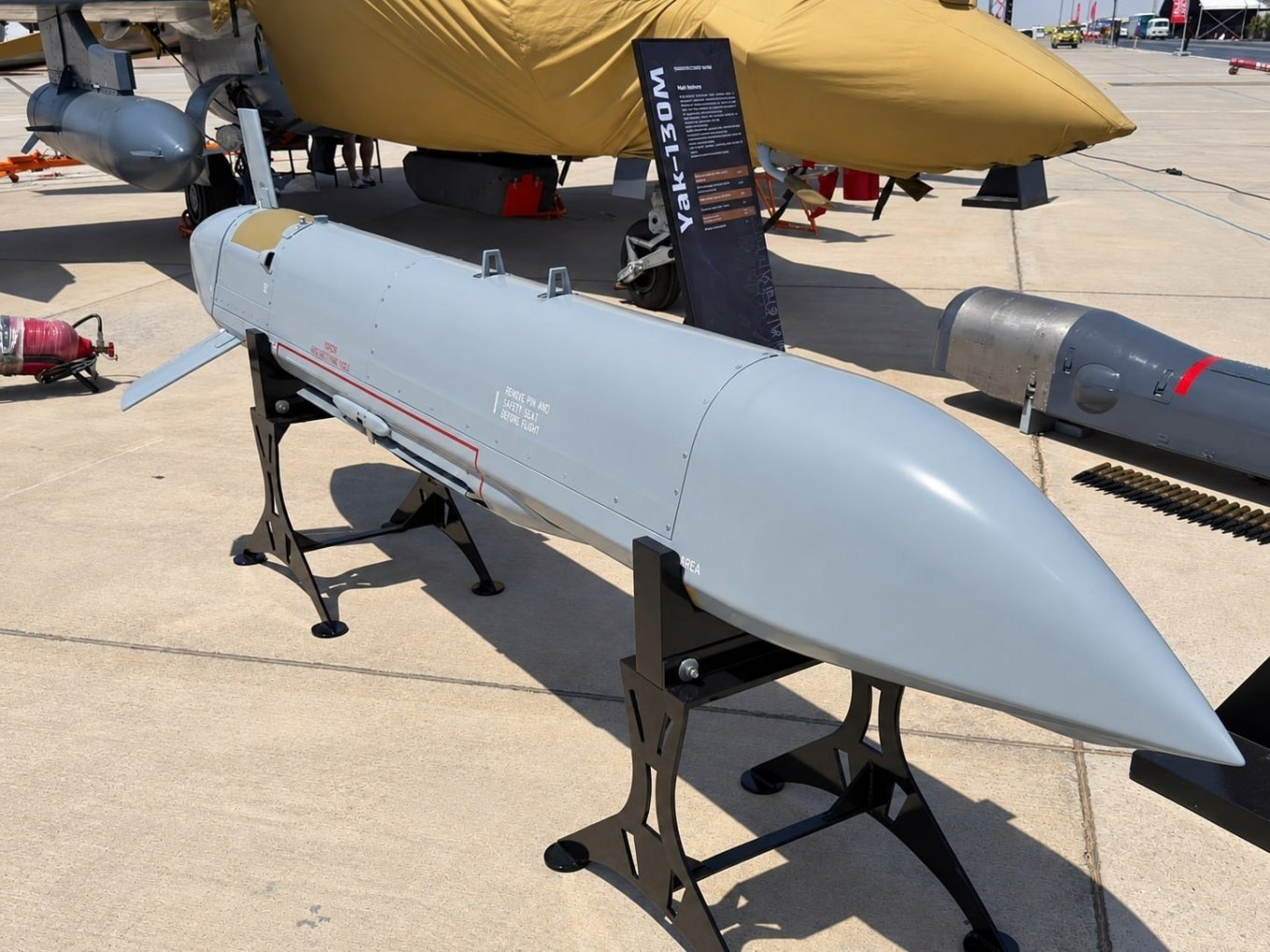
A single Mi-28 helicopter can likely carry either two or four of these cruise missiles, compared with just one carried by the Orion. Judging by the published photo, the Banderol or Dan-T missile shown does not appear to have a solid-fuel booster that would accelerate it to its operational speed and altitude.
This would prevent the missile from being launched at low altitude, meaning that the Mi-28 would first have to gain sufficient speed and altitude before launching it. Without this booster, these cruise missiles would simply crash into the ground before deploying their wings or reaching the speed required to remain airborne. In addition, a high-altitude launch will increase the cruise range of the missile.
Having to gain such altitude could make these helicopters easier for Ukrainian forces to detect well before missile launch. This gives Ukrainian air defense forces and civilians more time to react. The Orion UAVs apparently faced a similar problem, as their takeoff and subsequent flight were detected in advance.
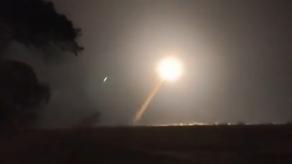
On the other hand, the option of launching these cruise missiles from a ground-based launcher does not present such problems, which makes it more dangerous for Ukraine. Therefore, if the missiles are launched from the ground, there may be no advance warning of an impending launch.
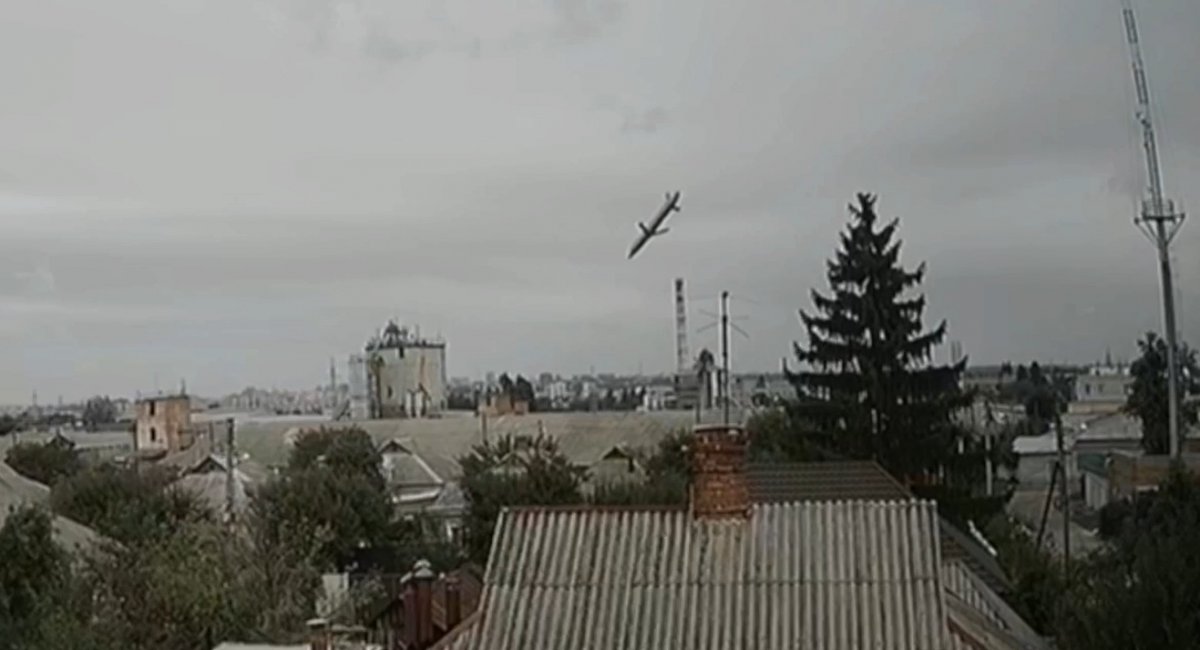
In this case, missiles will be detected as they approach Ukrainian airspace. This will leave significantly less time for Ukraine's air defense forces to prepare to repel an attack and for civilians to respond to an air raid alert and seek shelter.
Read more: russia Launches New Geran-5 Systems Toward Kyiv