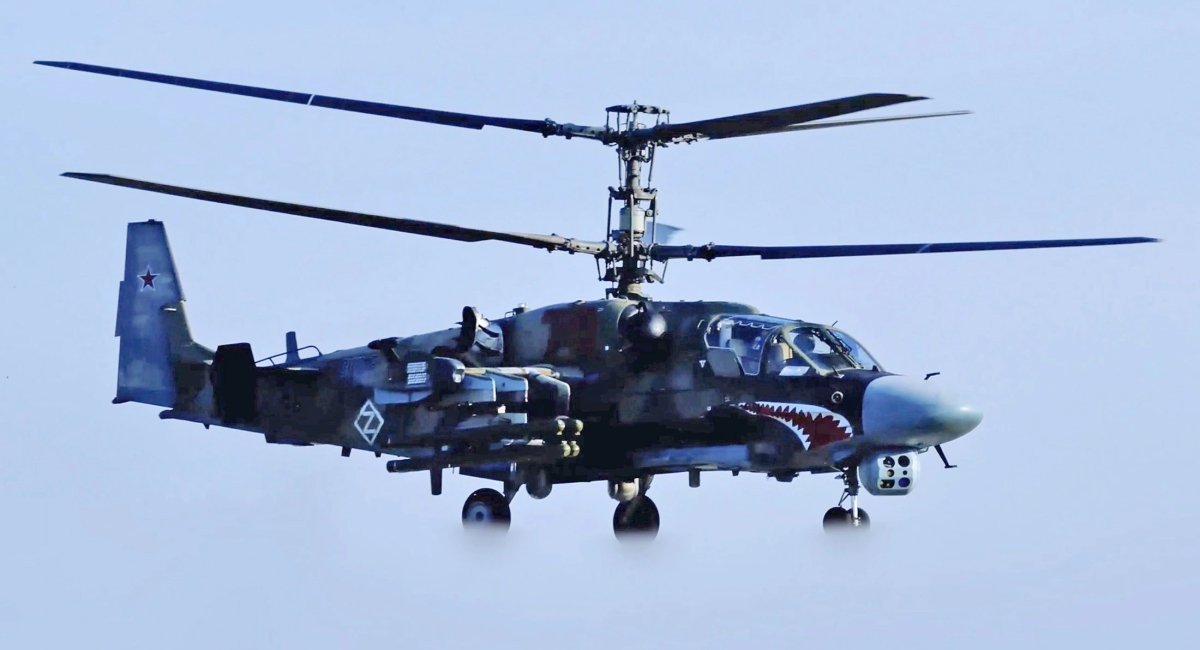
Footage of russian forces using attack helicopters to intercept Ukrainian long-range UAVs has been appearing in the public domain with some regularity. One such incident previously raised questions about why a russian Ka-52 failed to shoot down a Ukrainian FP-1 drone with a missile and what alternative options the russians have.
Now, an interesting analysis by the Jamestown Foundation offers an opportunity to draw some broader conclusions about which helicopter poses a greater threat to Ukrainian UAVs, the Mi-28 or Ka-52M, and what countermeasures might be available.
Read more: russia's Ka-52K Helicopters for China: Do New Photos Confirm Deliveries or Just Show Good Fake?
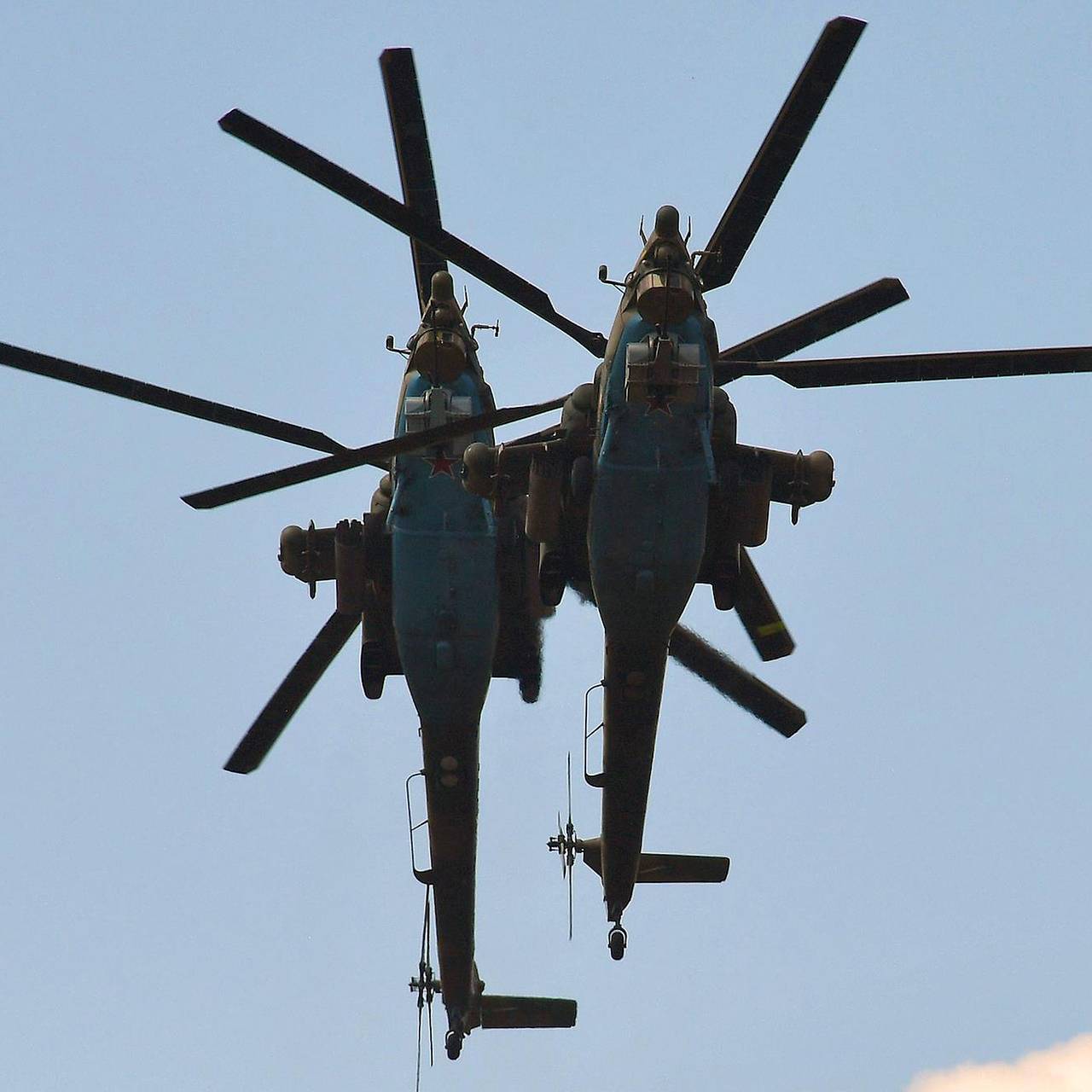
According to the analysis, in autumn 2023, the russian military command formed several tactical helicopter groups dedicated exclusively to intercepting Ukrainian long-range UAVs. These groups were directly subordinated to the air defense division commands operating on russian territory.
Each group consisted of two attack helicopters and one support helicopter. They were required to maintain a constant state of readiness No. 2, meaning they could take off within 25 minutes of receiving an order.
According to data cited by the Jamestown Foundation, the first reportedly successful interception of a Ukrainian UAV by russian helicopters took place in August 2023 and involved a Mi-28N. The next such incident was not reported until November 2024, when a Ka-52M was involved. It reportedly took two Igla-S air-to-air missiles and 65 rounds of 30mm ammunition to engage three aerial targets.
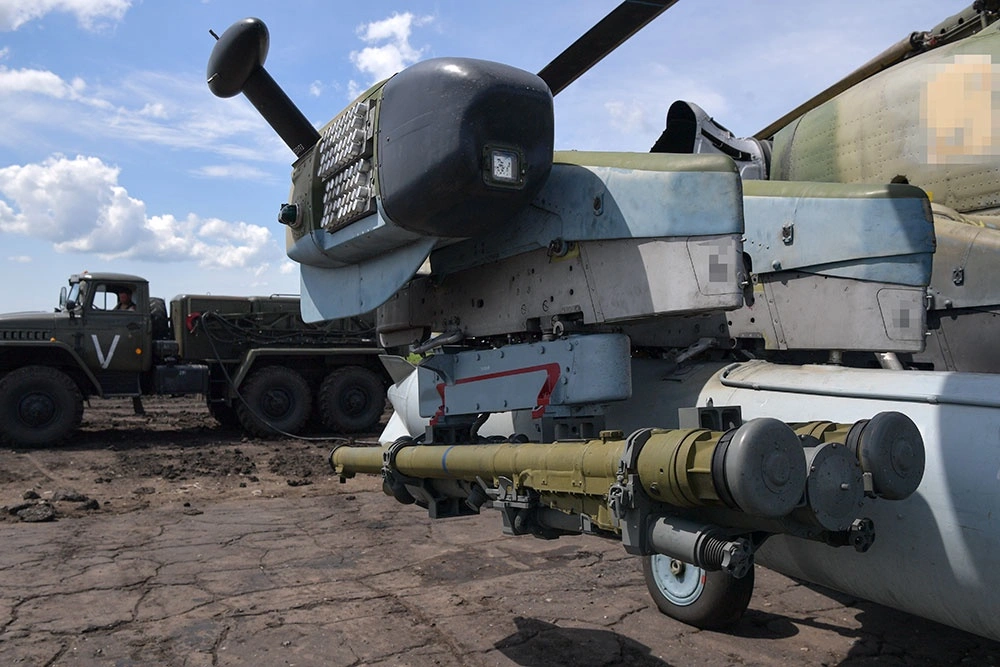
The analysis also provides figures suggesting that russian tactical groups operating Mi-28 and Ka-52M helicopters intercepted a total of 59 aerial targets in November and December 2024. According to the claims, most of these targets (71%) were intercepted using Igla-S missiles, while the remaining 29% were engaged with onboard cannons. The reported interception range was approximately 50 km from the facility being protected.
The Ka-52M reportedly demonstrated greater effectiveness thanks to its more advanced onboard equipment. Weather conditions also had a direct impact on operational effectiveness, as poor visibility and icing on helicopter surfaces limited their ability to engage targets.
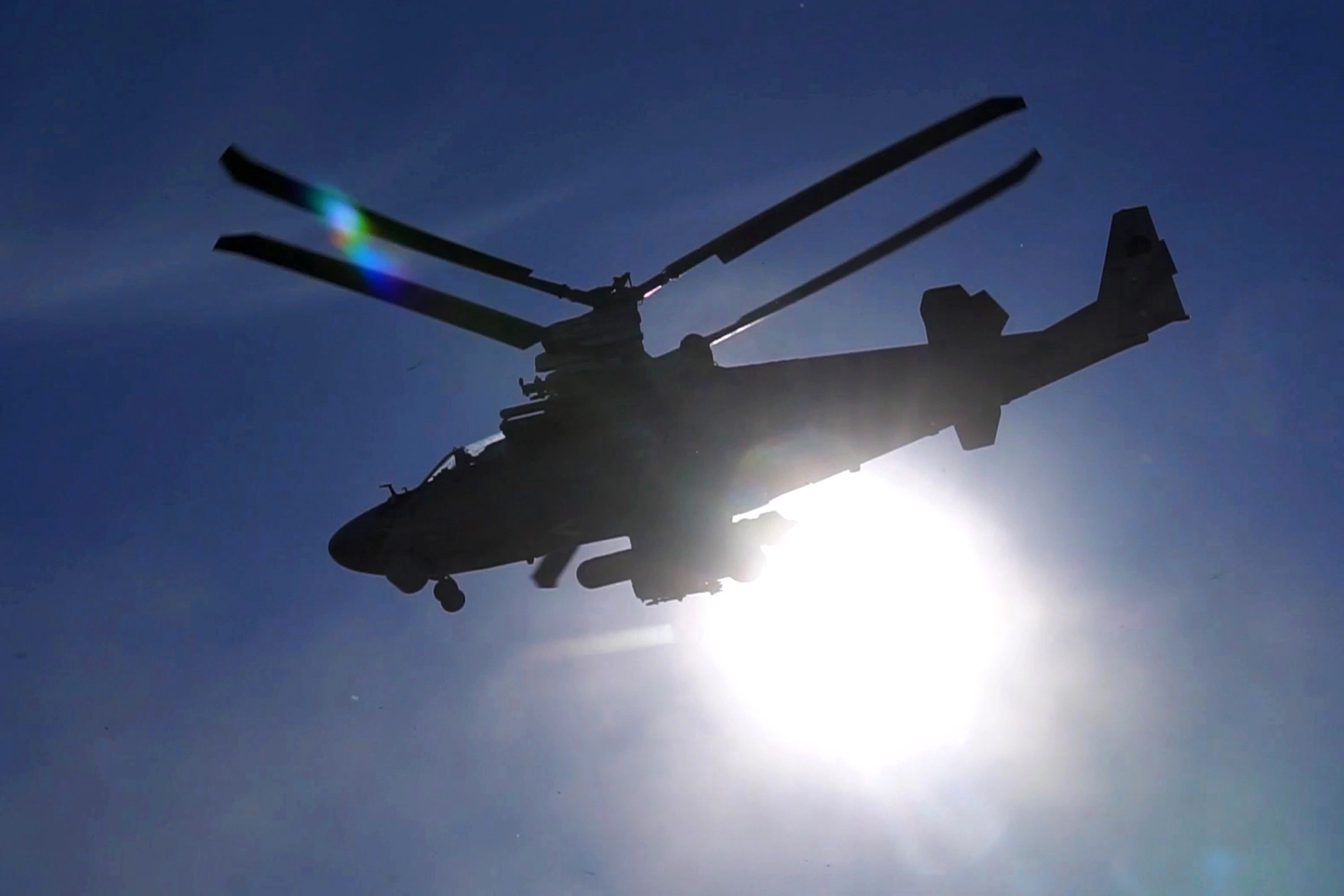
Defense Express would like to emphasize that the figures above are fragmentary and should primarily be viewed as an indication of how russian forces themselves assess the effectiveness of their Mi-28 and Ka-52M helicopters against Ukrainian strike UAVs.
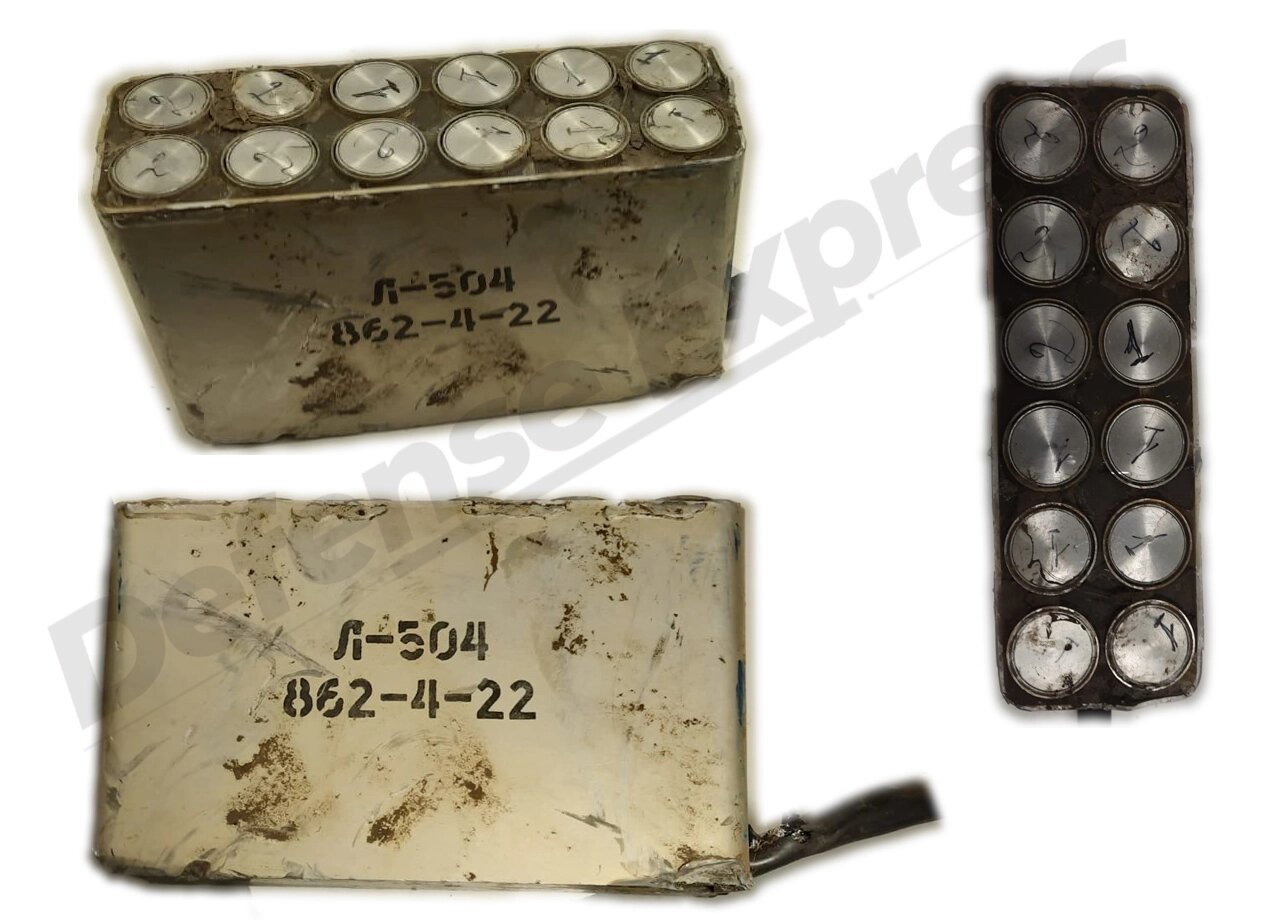
At the same time, if the claim that Igla-S missiles account for most interceptions is accurate, this raises the theoretical question of whether Ukrainian long-range UAVs should be equipped with flare dispensers. A similar solution was implemented on the Kh-101 cruise missile in its Izdelie 504AP configuration, which features the SP-504 electronic countermeasures system.
However, the next question is whether such an upgrade could realistically be implemented on Ukrainian deep-strike UAVs.
Read more: russia Sold Six Mi-28 Helicopters to Uganda After Saving Them From Ukrainian Air Defenses, Then Built $53 Million Worth of Facilities There