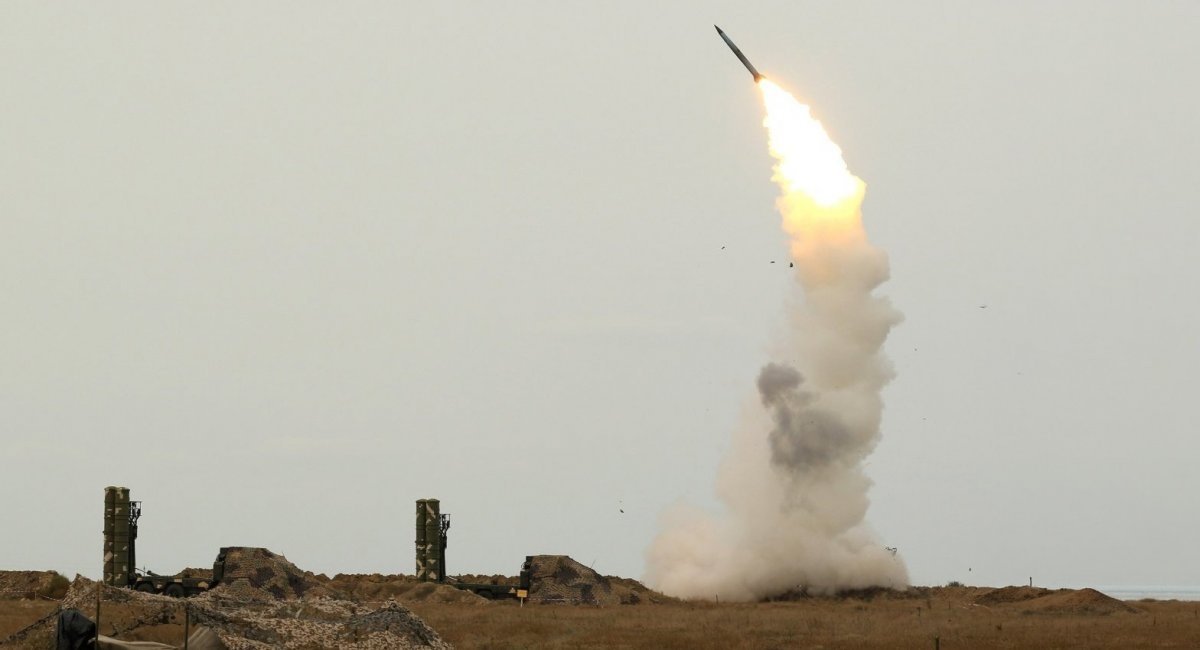
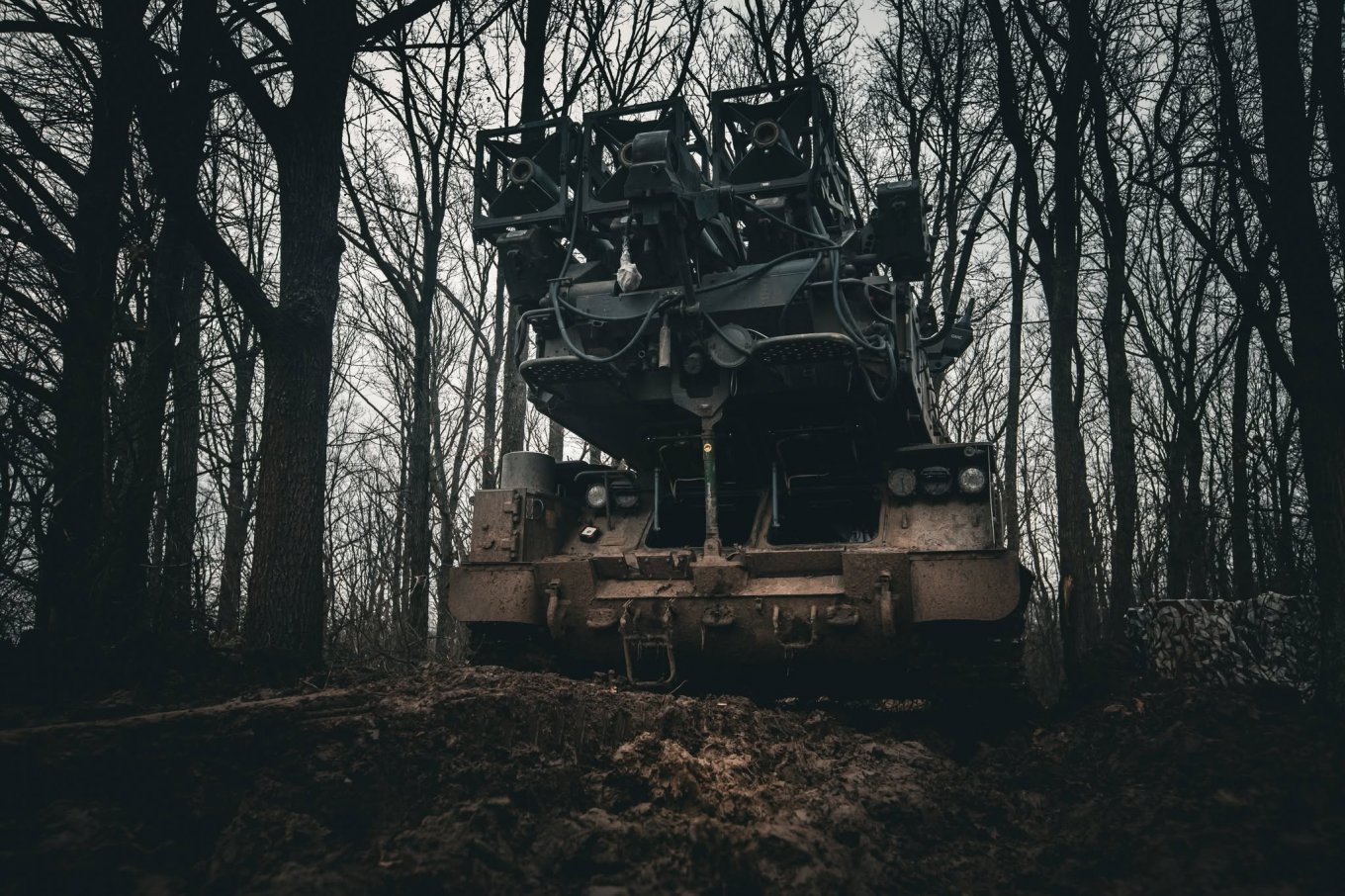
The U.S. government has authorized the sale to Ukraine of air defense components, including S-300 Clone and GAM-67 anti-aircraft missiles, Range-Extended Air Defense Laser-Guided Rocket systems, Improvised Transporter Erector Launcher 1.5 launchers, RPS 202 radars for detecting UAVs, as well as other related equipment.
The total cost is estimated at up to $2.68 billion, with the purchase to be financed through contributions from European partners and unused funds from the U.S. Foreign Military Financing program for Ukraine.
Read more: U.S. Spent More Than Half a Billion Dollars to Shoot Down 18 of 20 Ballistic Missiles in Iranian Attack
At the same time, what is particularly interesting is that the vast majority of the items Ukraine is set to receive remain unknown. Moreover, the authorization states that suppliers will be selected through a competitive bidding process.
However, some details are already known about the sale's main components—the S-300 Clone and GAM-67 anti-aircraft missiles.
In particular, the designation S-300 Clone refers to a new missile designed for the S-300 systems currently in service with the Armed Forces of Ukraine. However, the missile itself is not actually a "clone" or a replica of the Soviet 5V55. According to our own information, it is a new design with enhanced performance and a different, more modern guidance system.
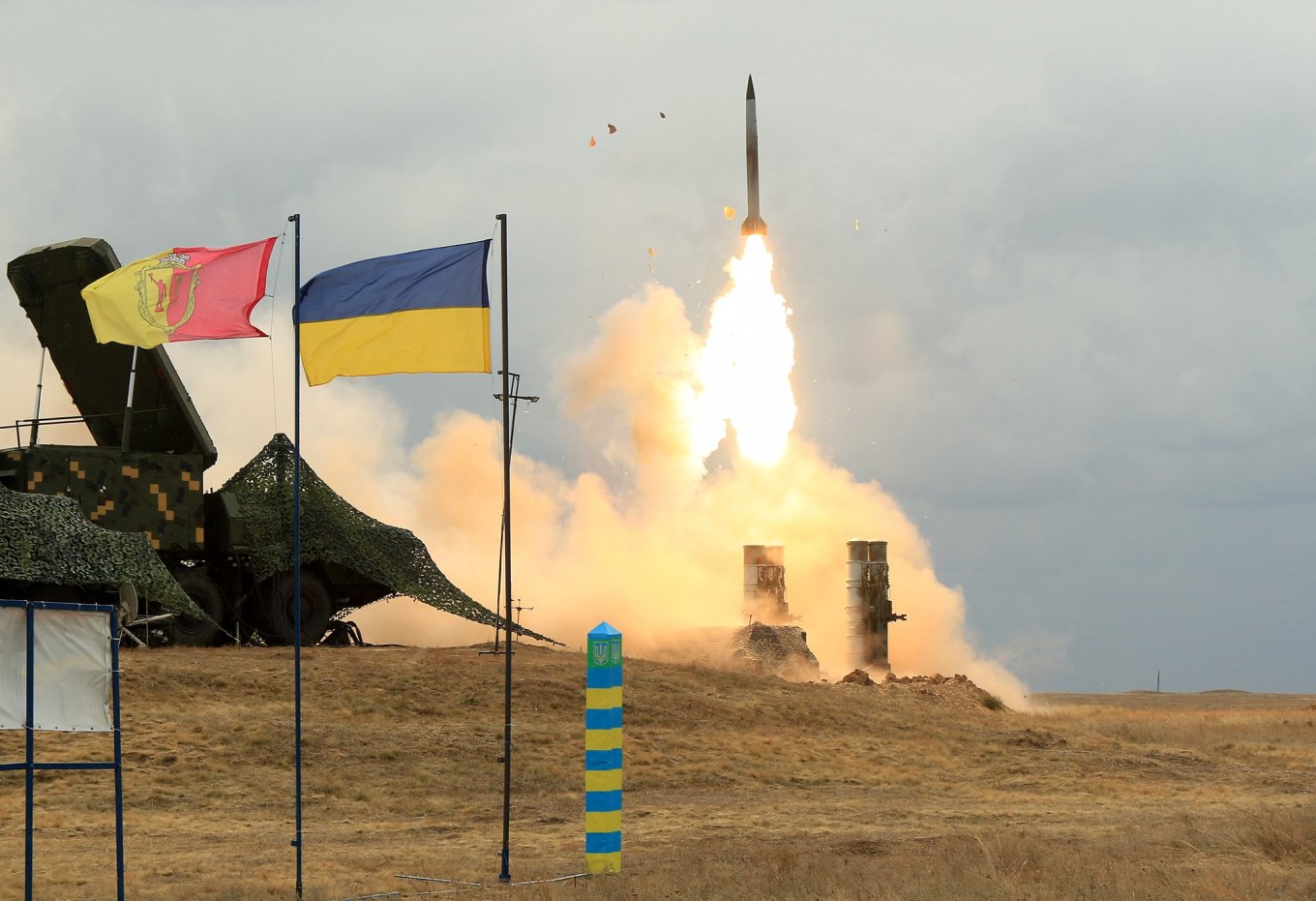
As for the GAM-67, although the designation was used for an unrealized U.S. anti-radar missile project in the 1950s, the weapon itself is also a new development. It is designed for use with medium-range systems, including both those already in service—such as Soviet-era systems—and those currently under development.
The development of these missiles has been underway for some time. Despite fears that the Trump administration would cut off funding, the opposite has happened, with funding actually increasing. This may reflect U.S. efforts to develop mass-produced, inexpensive, and versatile anti-aircraft missiles that can be integrated into different air defense systems.
Another factor could be the possibility of eventually supplying these anti-aircraft missiles to countries operating Soviet- and russian-made air defense systems, helping them reduce their dependence on russia.
Read more: Ukraine Could Compete with Poland for Billions in Unspent SAFE Funds—How Much Is at Stake?