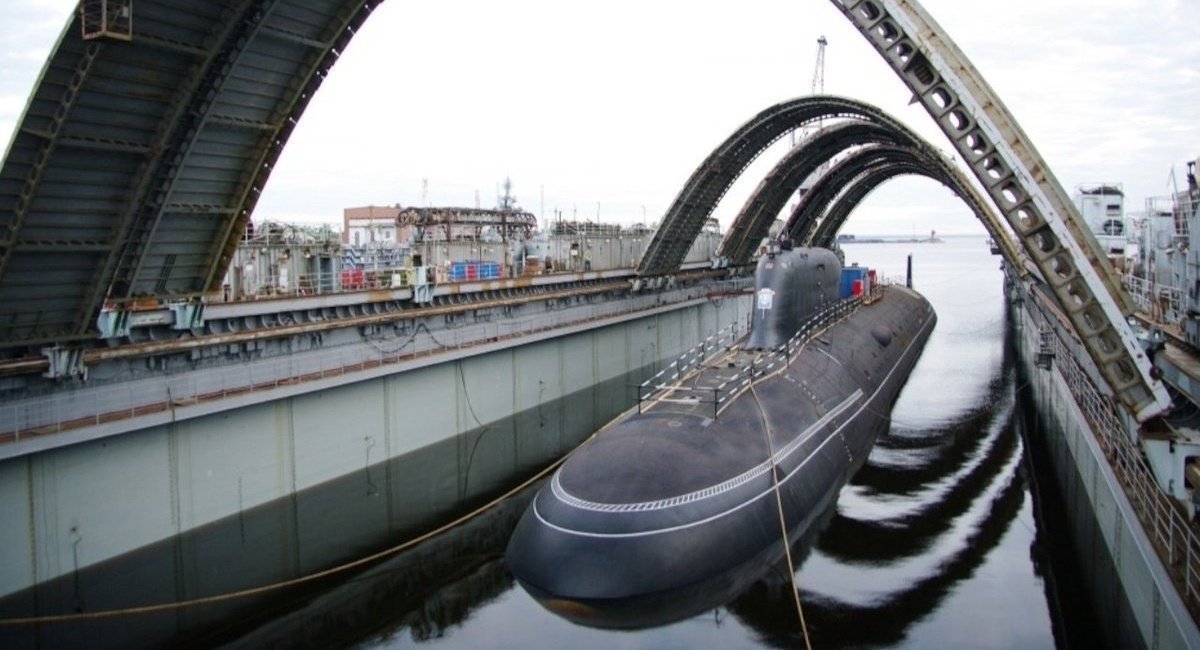
A report by the British think tank RUSI on russia’s strategic nuclear arsenal and delivery systems examines, among other things, the role of Project 885 Yasen-M multipurpose nuclear-powered submarines.
These submarines can carry Kalibr and/or Zircon missiles, both of which are relevant to the war against Ukraine, making them a subject of particular interest. The report is available here. Below, we highlight its key findings on this aspect of russia’s naval capabilities.
Read more: russia Finally Launches Its New Yasen-M SSN After Nine Years, It Can Carry 40 Kalibr or 32 Zircon Missiles
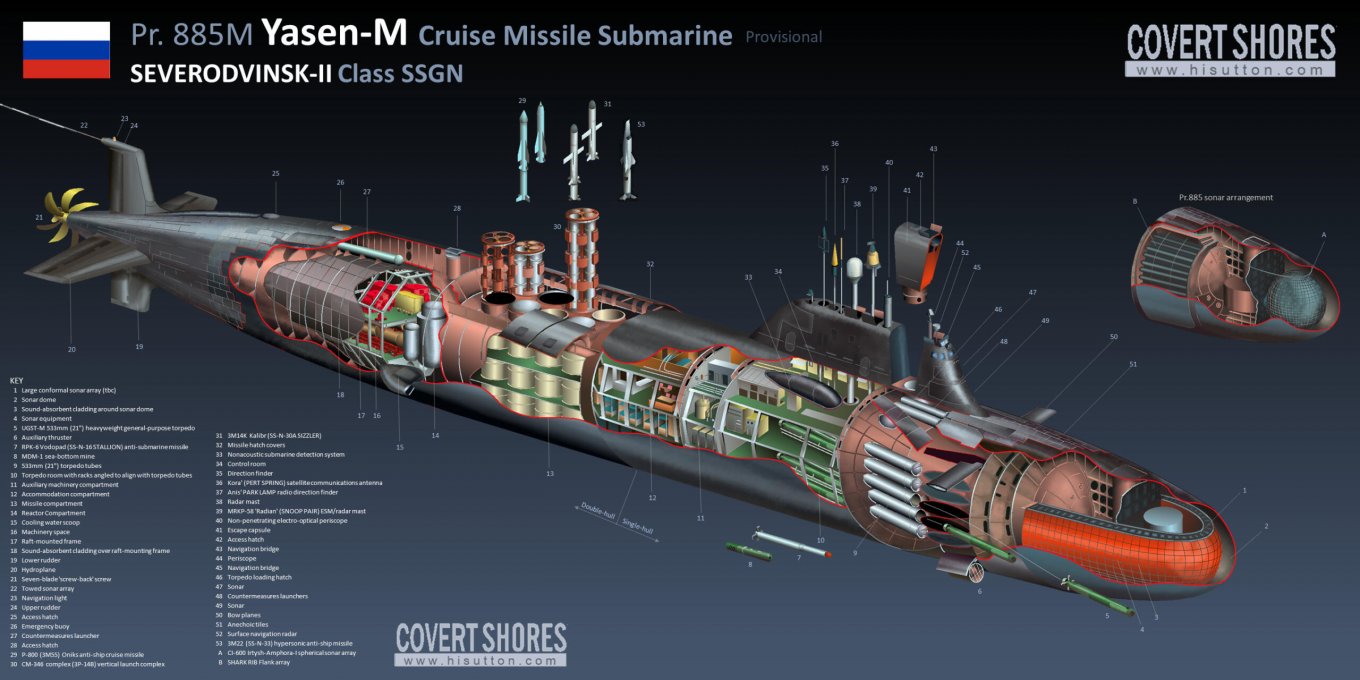
As RUSI expert Dr Sidharth Kaushal emphasizes in the report, a salvo of up to 40 Kalibr or Zircon missiles is insufficient to deliver an effective large-scale strike against several targets simultaneously. russia’s war against Ukraine has demonstrated this limitation in practice.
The need to concentrate as much strike power as possible on a single submarine stems from the limited number of Project Yasen multipurpose nuclear-powered submarines in the russian Navy. The fleet currently operates one submarine of the original Project 885 and four upgraded Project 885M Yasen-M submarines. Two more submarines built to the upgraded design have been launched but have not yet entered service.
In total, russia plans to build 11 Yasen-M submarines, which are intended to replace all Soviet-designed Project 971 Shchuka and Project 949A Antey multipurpose nuclear-powered submarines in the russian Navy.
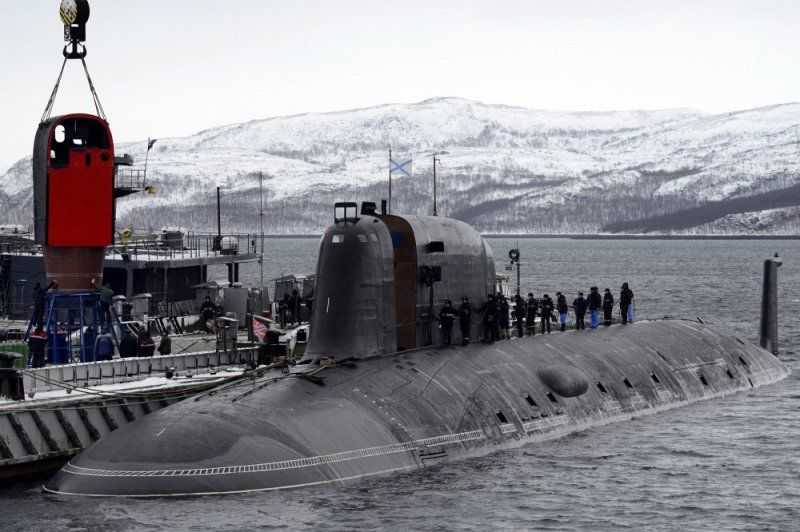
Of the five submarines currently in service, only one can maintain continuous combat patrols. This, in turn, forces russia to maximize the information and psychological impact of its submarine deployments on the United States and other Western countries. One example was the visit to Cuba in June 2024 by a submarine capable of carrying Zircon missiles.
In addition, russian forces reportedly continue to face significant difficulties in gathering intelligence and providing targeting data for strikes with conventional cruise missiles. This creates a need to find ways to compensate for the limited accuracy of their strikes.
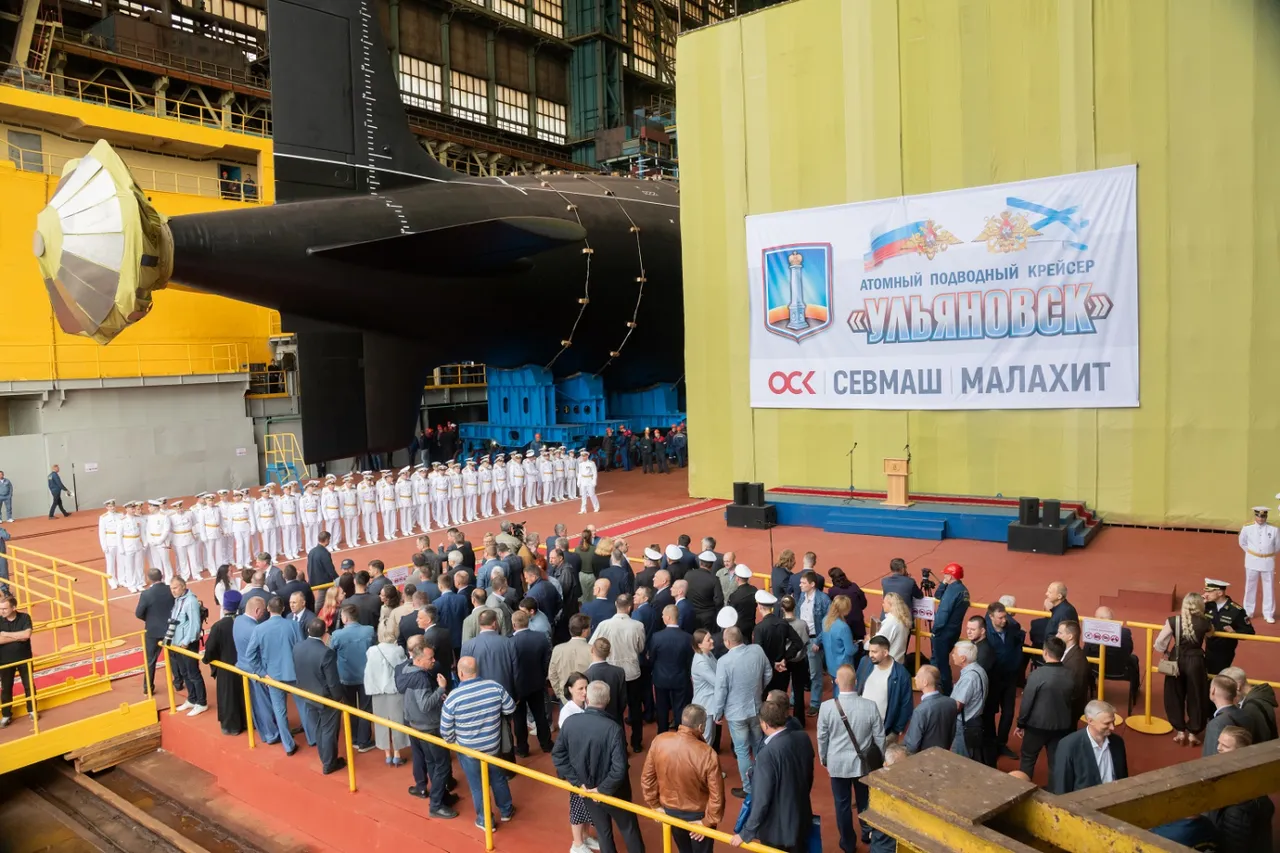
The russian Navy’s current doctrine allows for the use of nuclear weapons against naval bases and other coastal targets in Western countries. Accordingly, in the event of a potential full-scale war between russia and the West, Yasen-M multipurpose nuclear-powered submarines could be considered primarily as potential nuclear weapons carriers.
However, the Kremlin faces a specific risk: submarine-based nuclear weapons could be easier to lose than their land-based counterparts. This factor could also influence how russia would actually deploy submarines carrying up to 40 Kalibr or Zircon missiles.
Ivan Kyrychevskiy, serviceman of the 413th Raid Regiment of the Unmanned Systems Forces of Ukraine and weapons expert at Defense Express.
Read more: 3M22 Zircon Turns Out to Be Solid-Fuel Ballistic Missile, While russia's Scramjet Claims Were Just Myth