American Epirus received $11 million contract from Marine Corps for developing next-generation microwave weapon High-power Microwave Autonomous Vehicle Operation Capability (HAVOC). Their task will be countering unmanned systems.
As Defense Daily writes, delivery is expected in second quarter 2027 after manufacturer testing. Also asset will be preliminarily integrated at software level with American Marines' air defense system — Marine Air Defense Integrated System (MADIS), with which it will have to work together.
Read more: Raytheon and Lockheed Martin Allegedly Fear Competition From Ukraine on Patriot Missiles, But All Levers Stay in U.S. Hands and "IP Theft" Concerns Don't Survive Scrutiny
Defence Scoop adds citing Epirus director Andy Lowery that combat microwave will include universal mount. It will enable installation on various vehicles from which drones will then be destroyed on move.
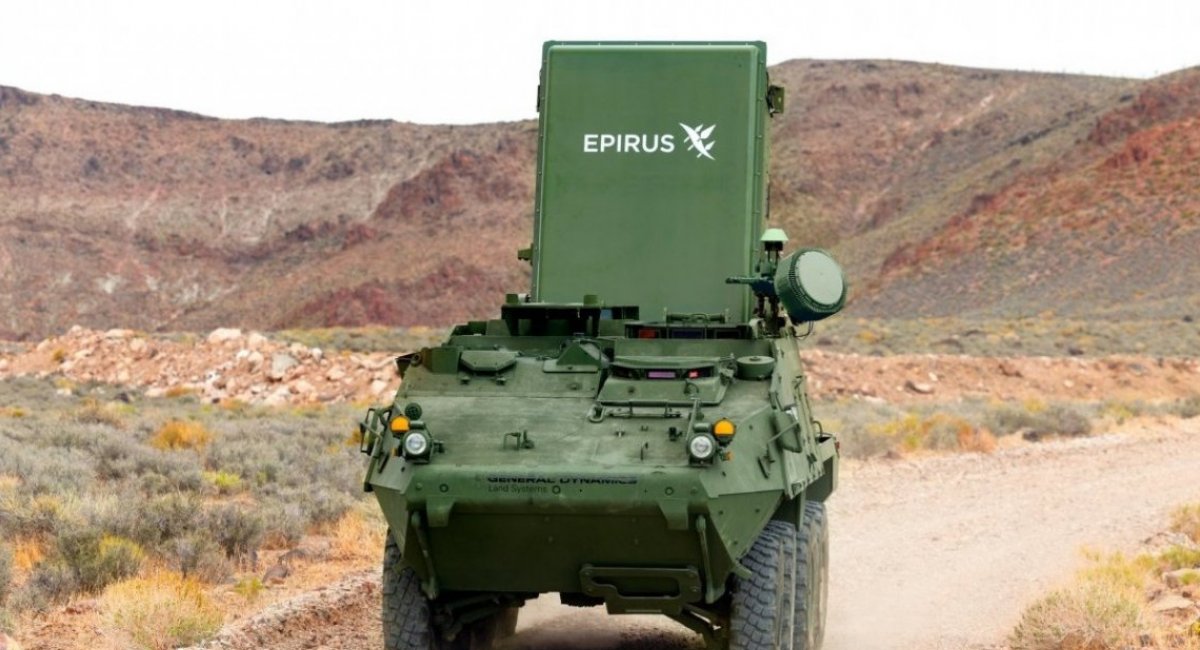
HAVOC is based on already known energy weapons sample from Epirus — Leonidas, currently being developed for various U.S. armed forces programs, but has its own changes according to Marines' requirements. Also company notes they can already produce one system weekly.
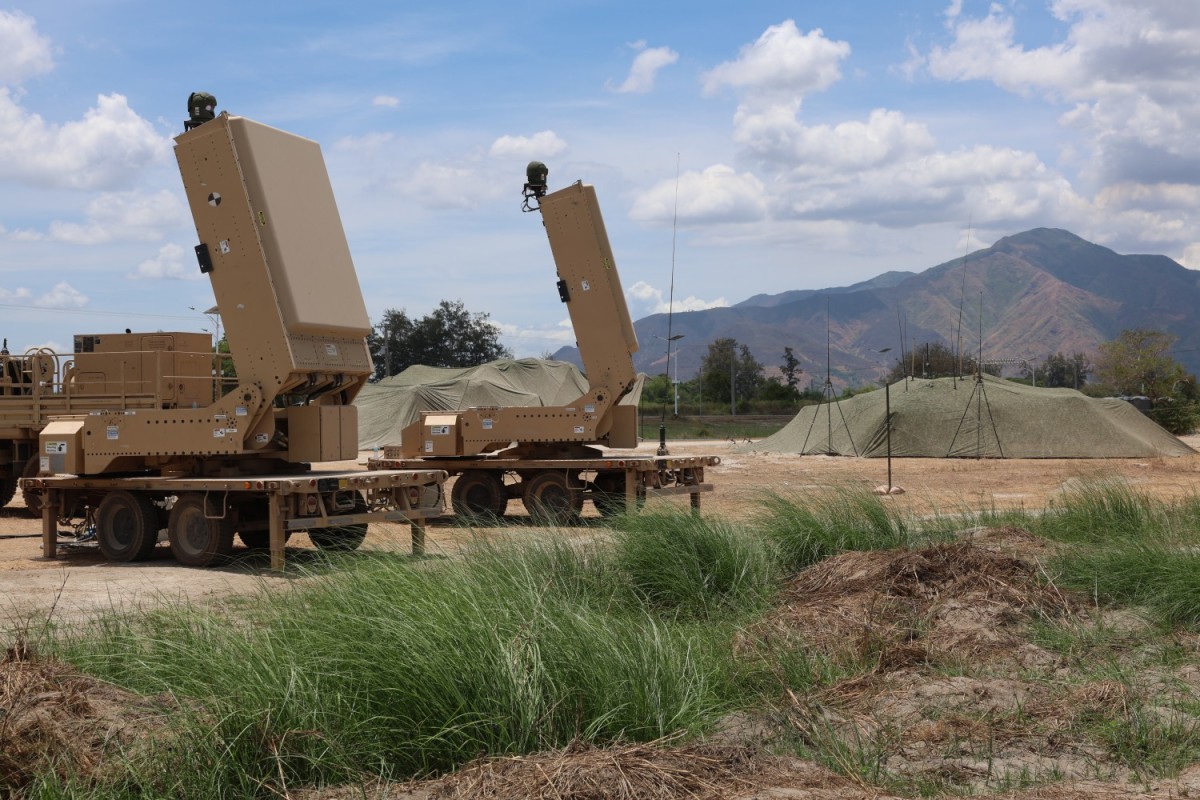
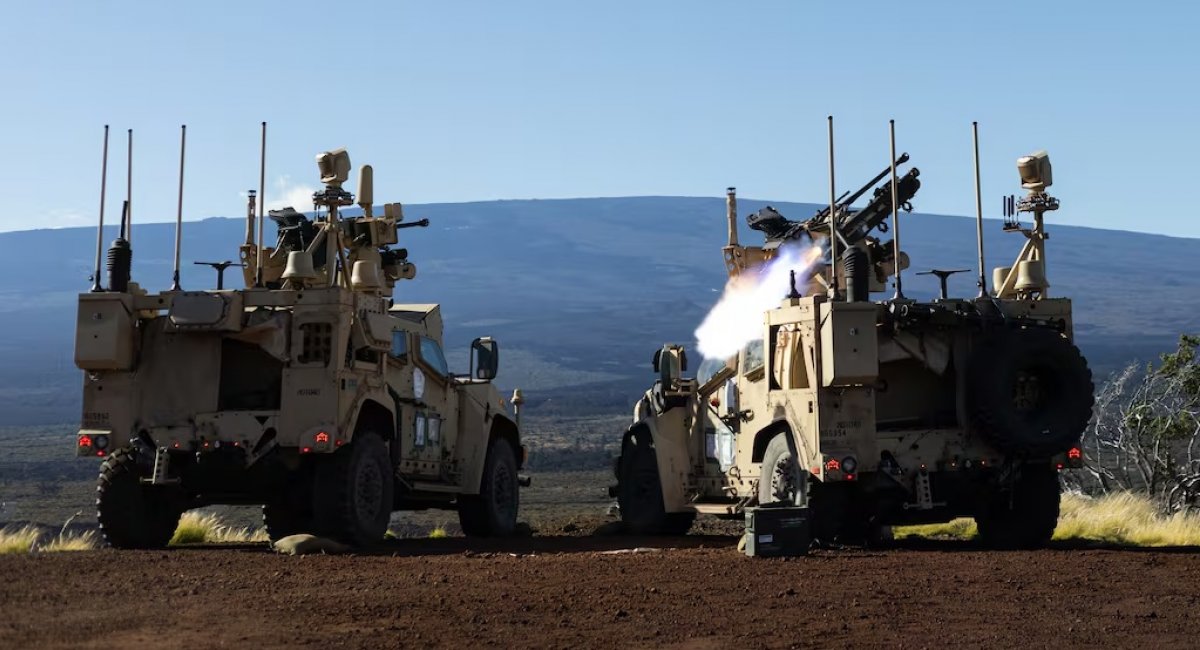
Defense Express notes currently against drones American Marines use MADIS air defense system, first serial sample of which was received in late 2025. It consists of two JLTV vehicles: one with Stinger MANPADS and combat module with 30mm gun, and another with EW and radar.
However missiles can often be too expensive for drone interception, while active protection systems and turrets are limited by ammunition volume. Therefore energy weapons are promoted here, like lasers and microwaves, having low shot cost and not requiring traditional ammunition.
However they have range of disadvantages, among which power source requirements and limited range. Same Leonidas is capable of shooting down drone swarms at distance of only 2 km and currently work is ongoing to double range, meaning to 4 km.
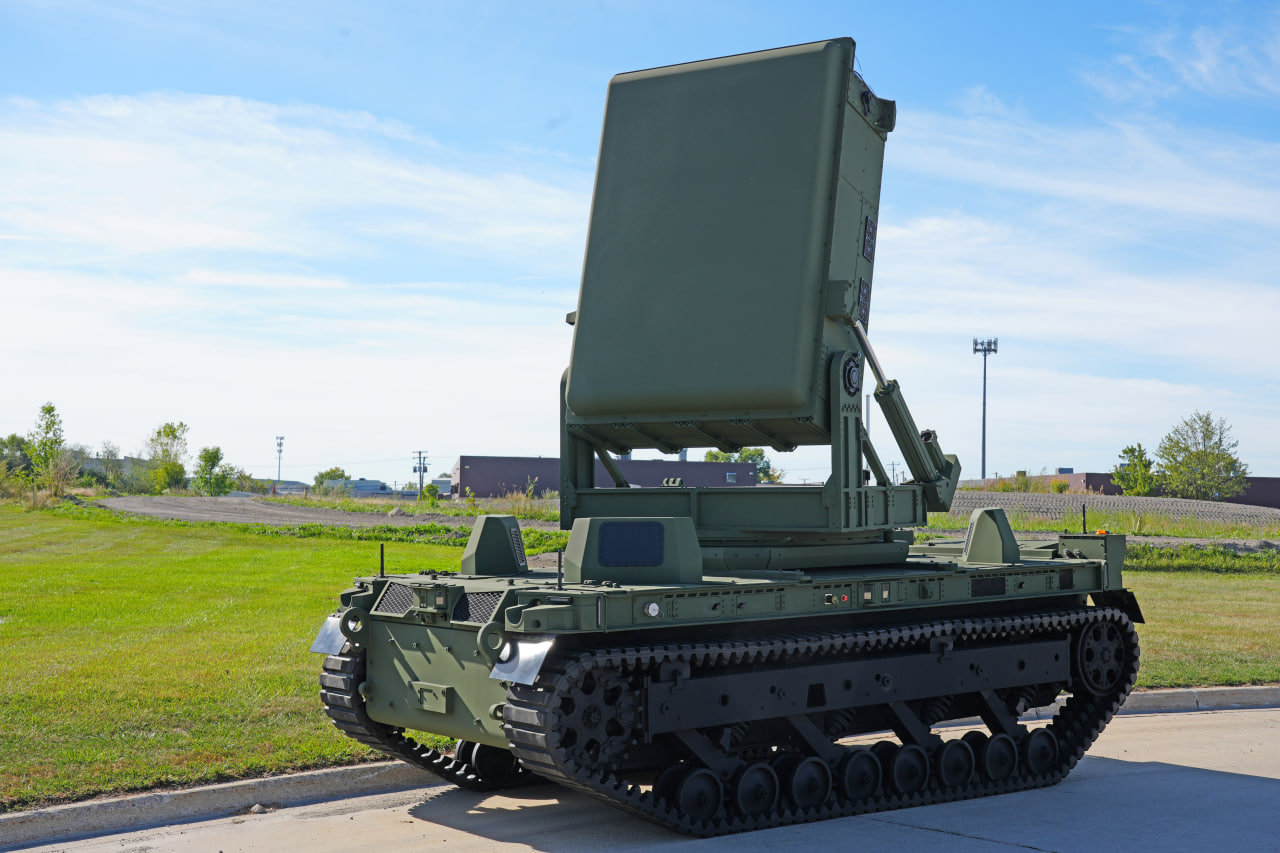
Recall Leonidas was currently presented based on Stryker wheeled APC, trailer, quadcopter, pickup and even UGV. From this one can assume universal mount requirement will not be difficult to fulfill. China also invests in microwaves, demonstrating enormous installations on large chassis, but their effectiveness currently cannot be precisely assessed given information scarcity.
Read more: Rheinmetall's Weapons and Ammunition Revenue Rises 33% on Ukraine and Hungary Demand