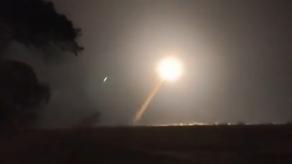
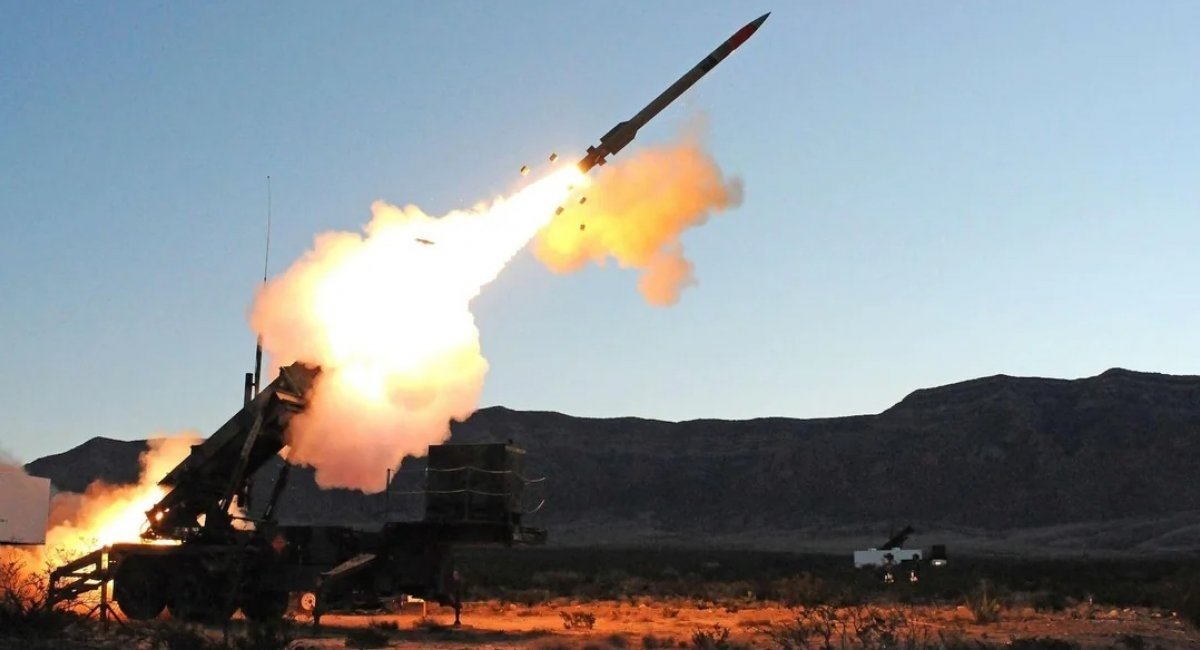
On the night of September 9, Iran launched an attack on the Muwaffaq Salti air base in Jordan, used by U.S. troops. Officially, the country's Ministry of Defense stated that air defense systems intercepted 18 of the 20 ballistic missiles, while two others fell short of their targets.
However, numerous videos show somewhat different results. It is also worth noting that Iran used ballistic missiles equipped with cluster warheads.
Read more: F-35 Price Rises Again Despite 15 Years of Mass Production, 1,350+ Built, Yet at $92M Per Jet for U.S., It's Still Cheaper Than Ukraine's Gripen E Deal
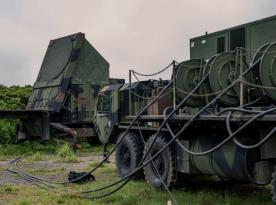
At the same time, what is even more striking is the number of anti-aircraft missiles fired to repel the threat. Several Patriot batteries were operating in "machine-gun mode."
It is estimated that a total of about 60 Patriot interceptor missiles were fired. At the same time, estimates of 100 units appear to be somewhat inflated.
However, there is one important factor to consider. Officially, Jordan does not have Patriot systems in service, and the country has never announced that it possesses them. When necessary, the United States uses its Patriot batteries to protect its own infrastructure as well as Jordan itself.
In other words, in this case, the excessive use of Patriot missiles cannot be attributed to the level of training of foreign operators. Furthermore, a lack of experience cannot be used as an excuse, since Iran has been carrying out regular ballistic missile attacks against U.S. military facilities since the start of Operation Epic Fury on February 28.
Furthermore, a lack of experience cannot be used as an excuse, since Iran has been carrying out regular ballistic missile attacks against U.S. military facilities since the start of Operation Epic Fury on February 28. A rare and extremely valuable AN/TPY-2 radar, essential to the operation of the THAAD system, was destroyed at this air base in early March.
It was also attacked on June 10, July 18, and August 31, with a similar number of anti-ballistic missiles fired on each occasion.The video below shows an attempt to intercept Iranian ballistic missiles in July:
From the Defense Express side, we urges you to join a fundraising for what is already working: One United Fundraiser: Fundraising by the Serhiy Prytula Charity Foundation for interceptor drones.

Read more: Saab 340 AEW Has Been Operating in Ukraine Since March 2026, but Ukrainian MoD Has Revealed More Details