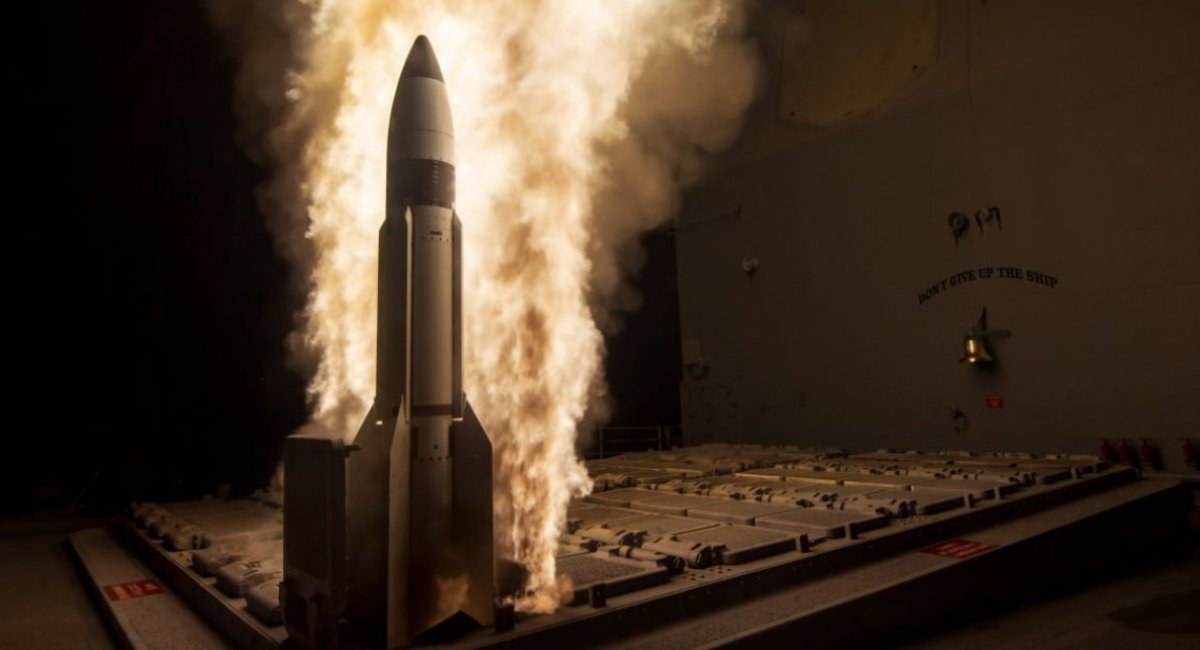
American Boeing will increase production of critical components for SM-3 surface-to-air missiles. Such interceptors are among few capable of shooting down russian medium-range ballistic missiles (MRBM) Oreshnik.
Corresponding 7-year framework agreement company signed with Pentagon and RTX, which is main manufacturer of these missiles. It is noted parties will increase output volumes even before concluding multi-year contract, regarding which negotiations are currently ongoing.
Read more: russia Deploys S8000 Banderol Missiles Against Odesa, Ukrainian Jets Hunt Them Down (Video)
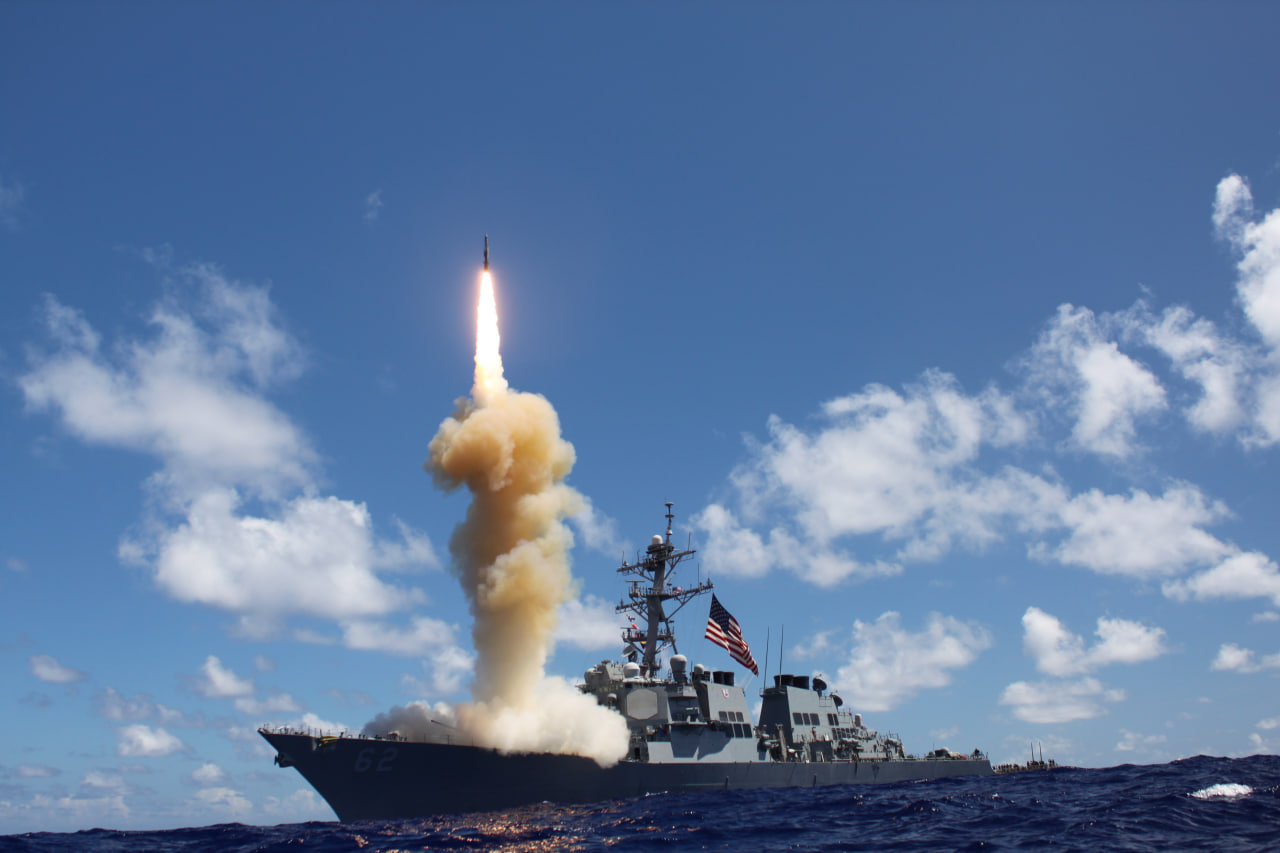
Specifically Boeing should increase production volumes of avionics and ejection mechanisms needed for launch from launcher for Block IB and Block IIA modifications. Also company specifies agreement regarding SM-3 builds on already available arrangement on seekers for PAC-3 MSE.
Defense Express recalls SM-3 forms basis of NATO's overall missile defense within Aegis system. They are deployed both on destroyers and at two ground Aegis Ashore complexes in Romania and Poland.
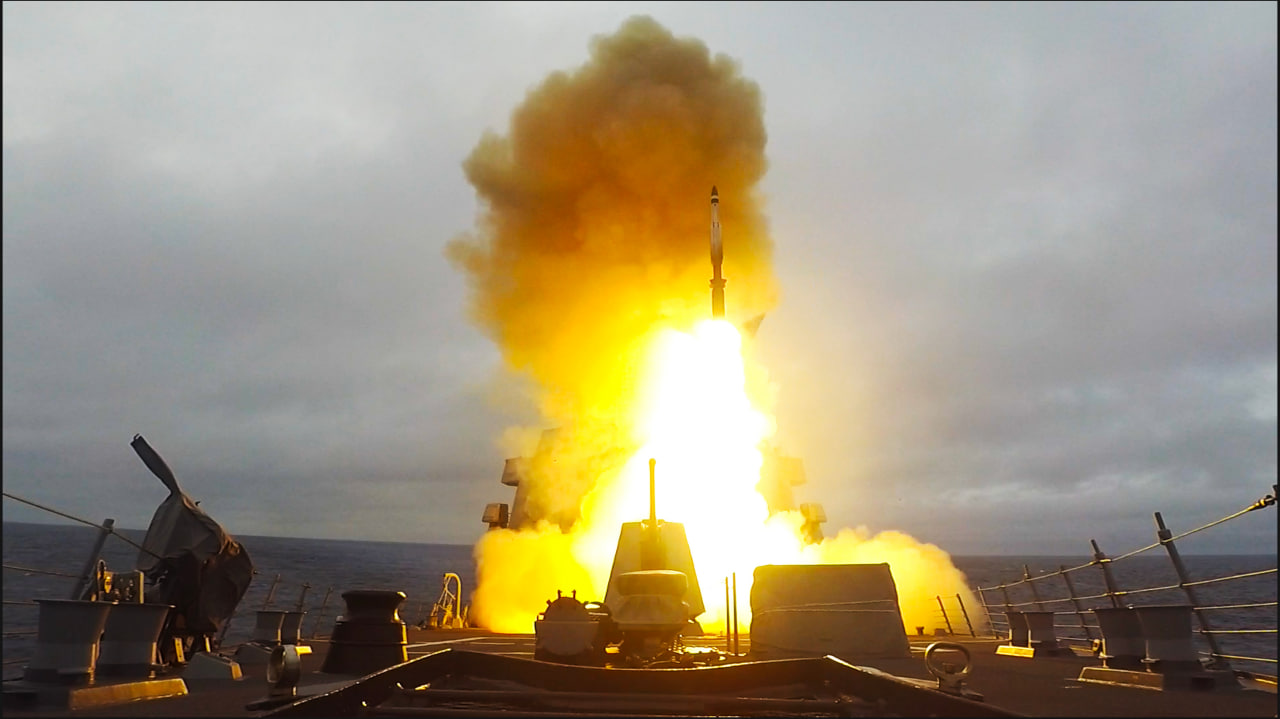
If taking somewhat more specifically, this is one of missiles that thanks to its capabilities, including exo-atmospheric interception, is capable of shooting down russian MRBM Oreshnik. It can also combat intercontinental ballistic missiles.
Regarding SM-3 output increase over 7 years,Pentagon agreed with Raytheon (part of RTX) back in February 2026. In cooperation with Japan, U.S. plans to achieve production of 100 missiles annually, then move toward 250 annually.
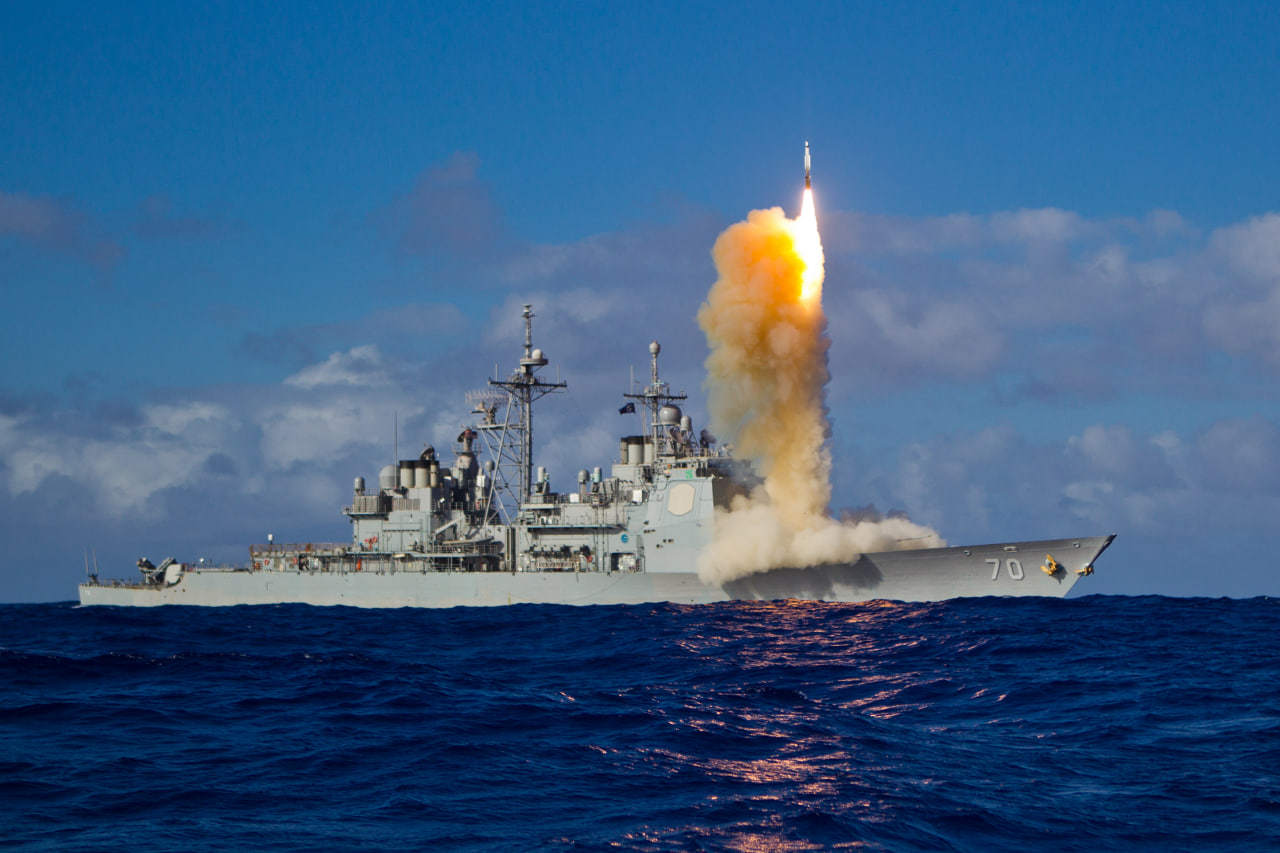
During war with iran, American SM-3 stocks also noticeably decreased and by some estimates together with SM-6 may be restored by early 2029. This was largely facilitated by not as massive use compared to same PAC-3 MSE.
Currently U.S. actively works on increasing weapons and ammunition production. However this requires time, so interceptors for ballistic countermeasures are currently in deficit amid enormous global demand, which only continues growing.
Read more: Ukraine Strikes russian Nebo-U Radar, UAV Command Post, Fuel, Ammunitionv, and Materiel Depots