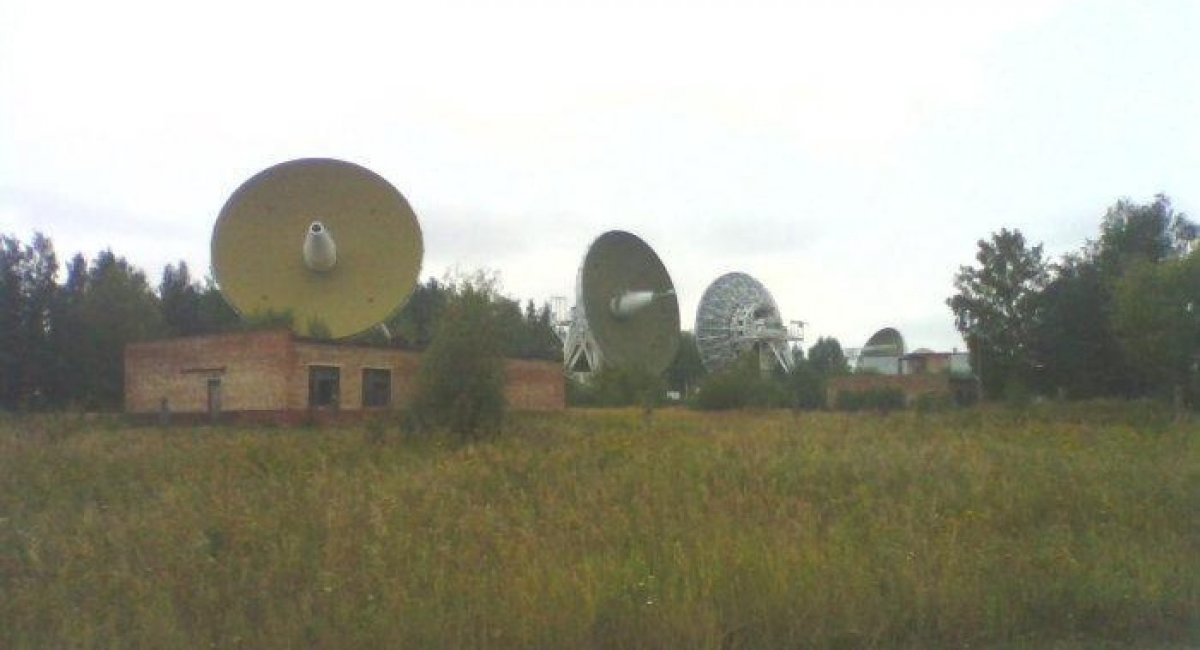
Ukraine's Defense Forces continue their systematic campaign against russian military space infrastructure. The latest reported target was the 476th Central Information Reception and Processing Center of the Main Intelligence Directorate (GRU) of the russian General Staff, a highly classified installation involved in processing intelligence gathered by russia's military reconnaissance satellites.
The facility is better known as Meshcherino-1, named after the nearby military settlement. Located approximately 65 km south of Moscow, the site houses two military units, Unit 03770 and Unit 30258. The latter became publicly known in 2021 following the reported suicide of its commander, Igor Popov.
Read more: Ukraine Hits Two russian Oil Refineries, Railway Bridge in Crimea, and Ammunition Depot in Overnight Strike
Satellite imagery published by Exilenova+ indicates that the strike took place during the night of June 26, although neither Ukrainian nor russian authorities have officially acknowledged the attack. While the source initially described the target as "another communications node," the 476th GRU center is far more significant than a routine communications facility.
The imagery shows apparent damage to a three-story building within Unit 30258 and to a hangar located in Unit 03770. The specific functions of the two military units, as well as the purpose of the damaged buildings, remain unknown. However, satellite imagery indicates that a dedicated satellite communications antenna systems was constructed next to one of the buildings between 2013 and 2016, with additional expansion visible by 2018.
The timing is notable, as the 2010s marked a period of rapid expansion for russia's military reconnaissance satellite constellation. During those years, Moscow deployed systems including the Persona and Bars-M optical reconnaissance satellites, the Lotos-S electronic intelligence satellite, and the Pion-NKS radar reconnaissance satellite.
Additional insight into the center's activities comes from archival footage produced by a local television station during celebrations marking the facility's 50th anniversary. The video indicates that the center participated in operating several generations of Soviet and russian reconnaissance spacecraft, including the Araks and Neman optical reconnaissance satellites, the Mech-KU synthetic aperture radar system aboard the Almaz-1A orbital station, as well as the military space stations better known under their civilian designations Salyut-2, Salyut-3, and Salyut-5. A model of the Lotos-S satellite is also displayed in the facility's museum.
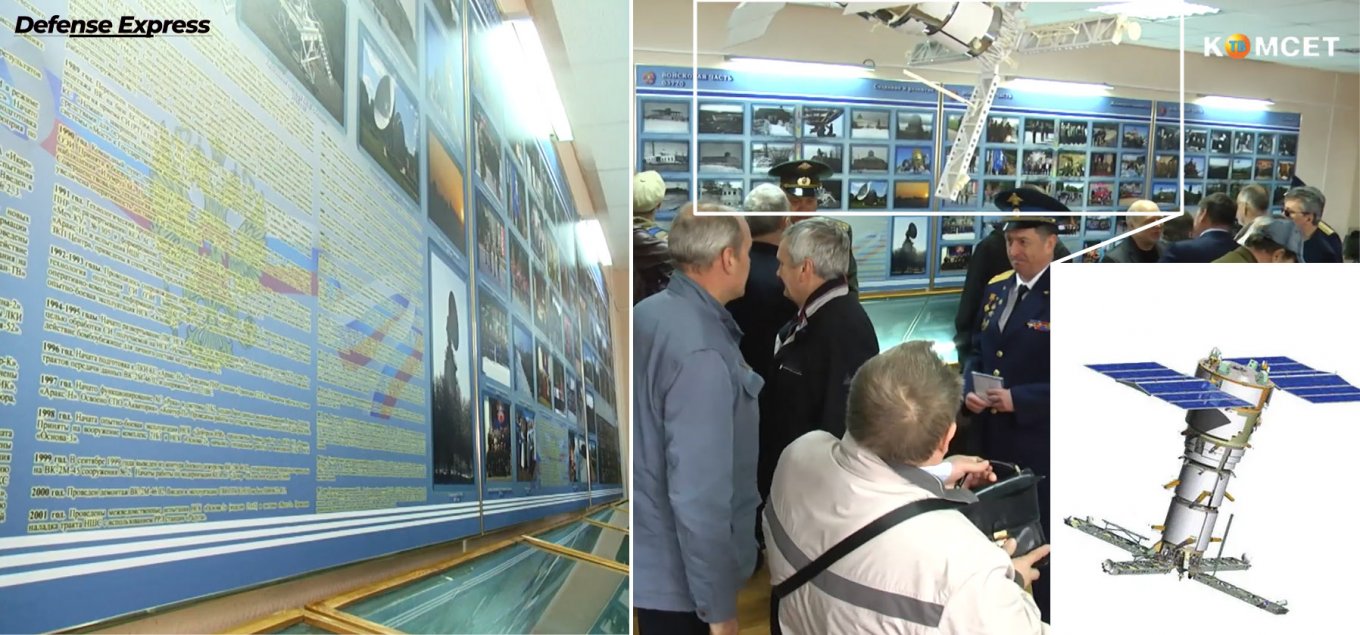
Although the 476th Center has operated since 1968, virtually all aspects of its mission remain classified. Nevertheless, the available evidence suggests that Ukraine may have successfully struck one of the central nodes supporting russia's military space intelligence architecture.
The reported attack follows two other recent Ukrainian strikes against russian space-related infrastructure. On June 22, Ukrainian forces reportedly struck the Dubna Space Communications Center, followed by another attack on the Vladimir Space Communications Center during the night of June 24.
Read more: UK Defence Intelligence Explaines How Ukraine’s Strikes Brought New Attacks on Crimean Bridge Closer