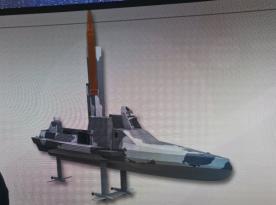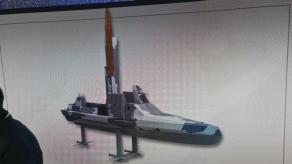
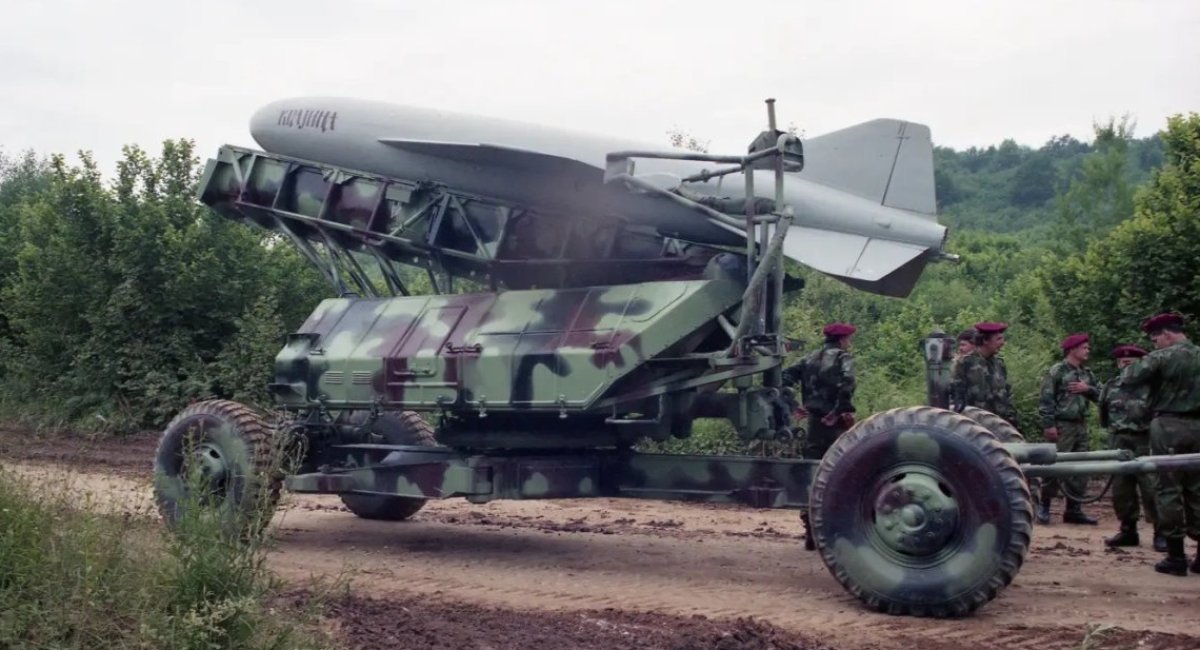
In history of improvised missile weapons there is Serbian project from 1990s called K-15 Ajkula, which envisioned adapting P-15 Termit anti-ship missiles for strikes against ground targets.
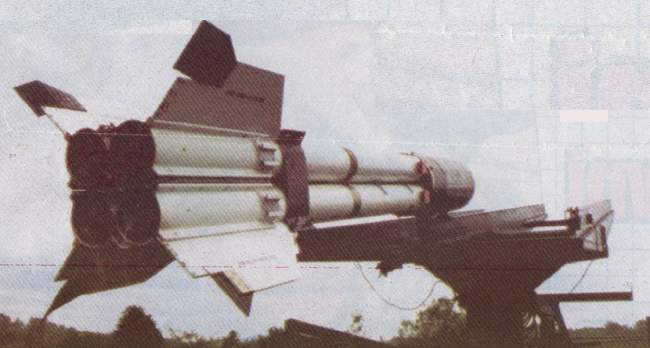
For transplanting these anti-ship missiles onto land, specially modified launchers from S-75 SAM system were to be used. If successful Serbs would have obtained sufficiently powerful weapon, because at firing range of only 40 kilometers P-15 Termit could carry warhead of 480 kilograms.
Read more: Rafale M Lands on INS Vikrant for First Time, India Keeps Crash-Prone MiG-29Ks Because 26 French Jets Won’t Fill Two Carriers Until 2031
Story was as follows. Former Yugoslav Navy by early 1990s had at its disposal up to 10 Project 205 missile boats and stockpile of 74 P-15 Termit missiles.
Boats themselves were being prepared for retirement and therefore were not considered valuable. However when in 1991 hostilities began on territory of former Yugoslavia and Croatia waged war for its own independence, Serbs managed to evacuate certain number of Termit missiles to Montenegro.
New application had to be devised for evacuated missiles, and it was proposed by representatives of Kosmos factory, which by 1993 was located on territory of separatist entity Republika Srpska Krajina.
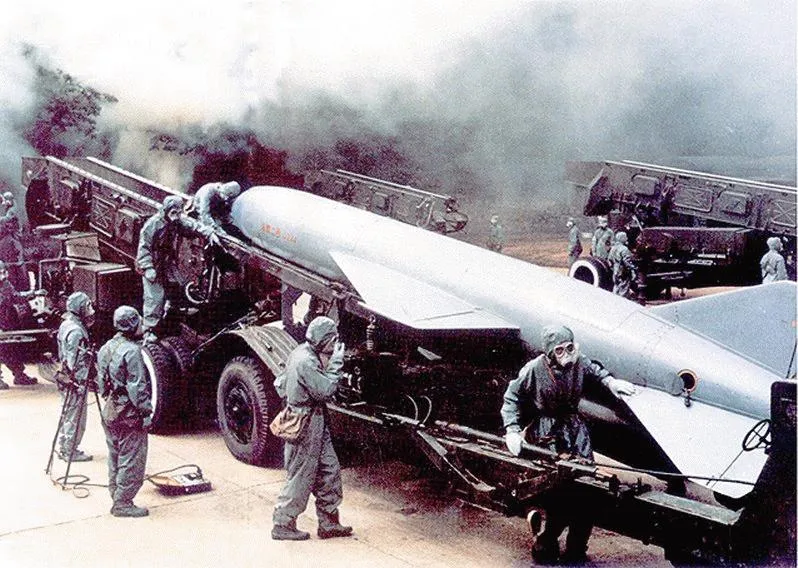
Concept envisioned removing active radar seeker from P-15 Termit. Missile was to fly to target on inertial navigation system. During dive onto target wings on anti-ship missile were to fold.
S-75 launcher was adapted for launching P-15 by integrating launcher removed from Project 205 missile boat. Thus P-15 Termit was transformed into K-15 Ajkula, with expected accuracy at level of wherever God sends it.
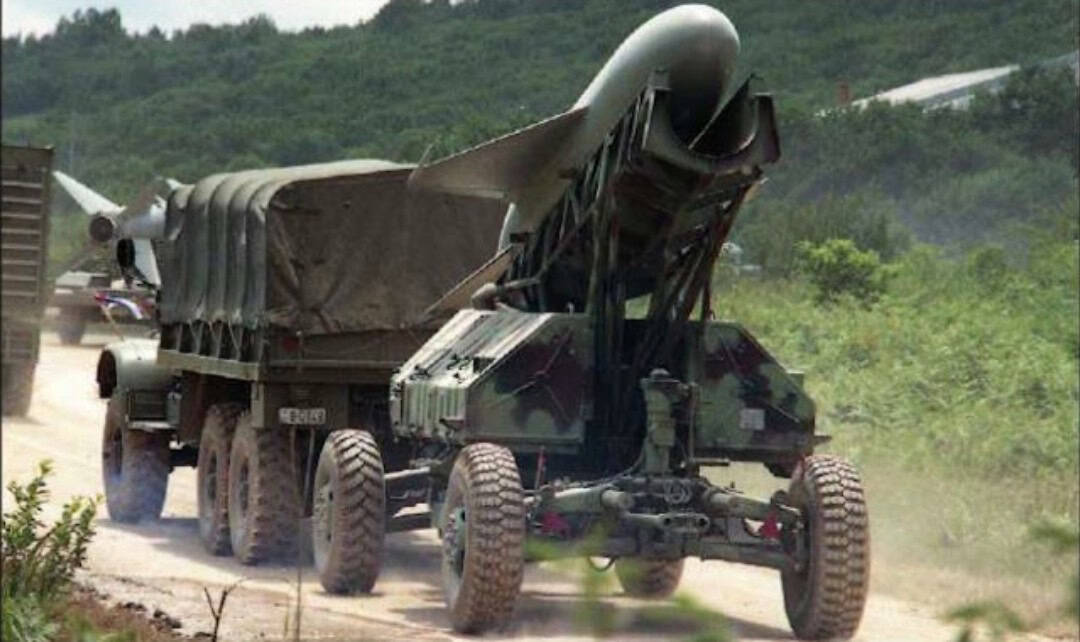
Serbs calculated K-15 Ajkula would help if needed to halt advance of Croatian armed forces, but matter never reached practical employment. By 1995 approximately only one launcher and up to 10 missiles were ready, and Dayton Accords concluded that same year prohibited Serbs from using such armament.
Therefore K-15 Ajkula remained simply in list of improvised projects from wartime on territory of former Yugoslavia, alongside S-75-based Kosava rocket-bombs and makeshift SAM systems for upgraded R-60 and R-73 missiles called Pracka RL-2 and Pracka RL-4.
Read more: Which russian Helicopter Poses Greater Threat to Ukrainian UAVs, Mi-28 or Ka-52M, and Can They Be Countered?