Serbia wants to launch its own production of long-range ballistic missiles within a year and intends to cooperate with Uzbekistan. At the same time, Serbia reportedly already produces short-range ballistic missiles.
Serbian President Aleksandar Vučić made this statement during the Serbia-Uzbekistan Business Forum in Belgrade, according to Defence Review.
Read more: Turkiye Conducts First Test of TRG-300 Aeroballistic Missile with a Range of Up to 500 km
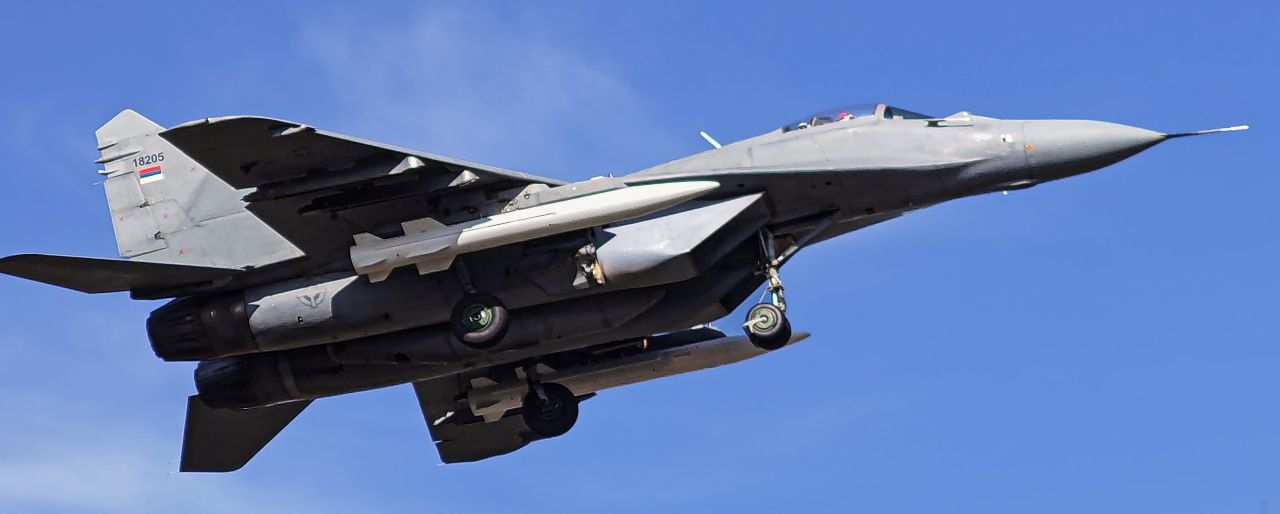
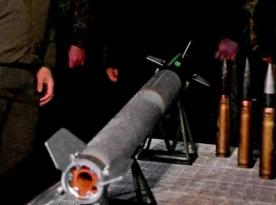
From Defense Express we would like to highlight the following points. Until now, the Serbian Armed Forces were publicly known to operate only one type of ballistic weapon: the Chinese-made CM-400AKG aeroballistic missile. Dubbed an "S-400 killer," it is integrated into Serbia's MiG-29 fighter jets.
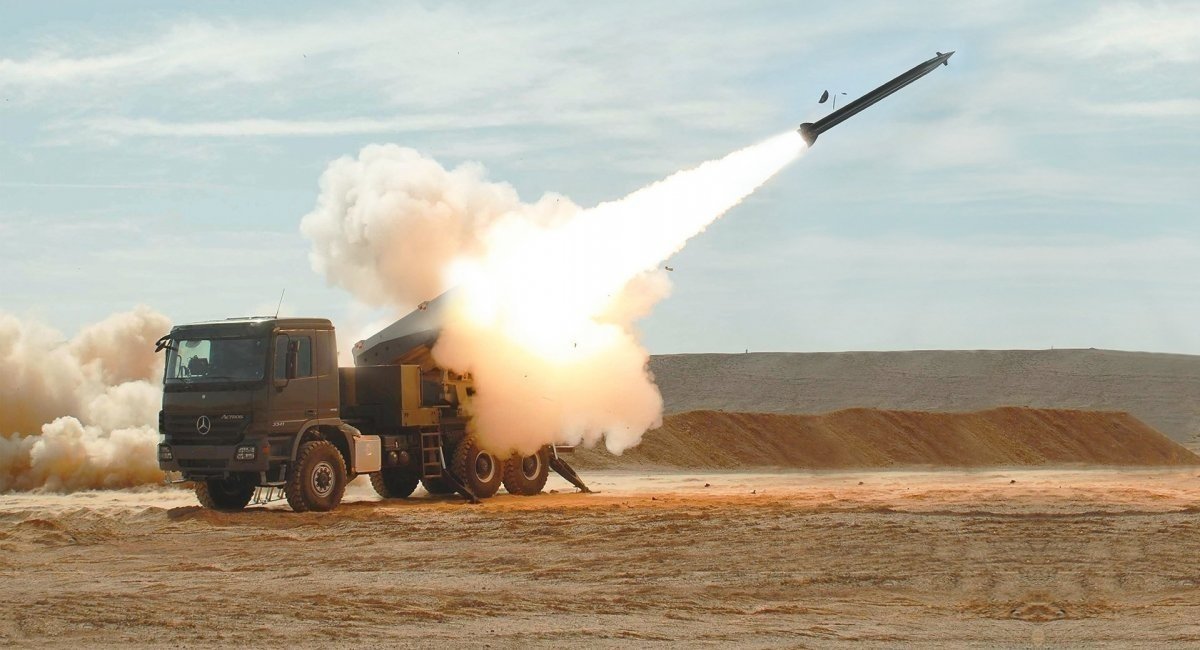
Against this backdrop, references to Serbia producing its own “short-range” ballistic missiles may reflect a terminological confusion. What is actually being discussed could be rockets for multiple-launch rocket systems (MLRS). For example, the Serbian Army has 18 M-63 Plamen rocket systems and 60 M-77 Organi launchers at its disposal both of which fire 128-mm rockets. It also has three 262-mm M-87 Orkan launchers and at least one Israeli-made PULS launcher.
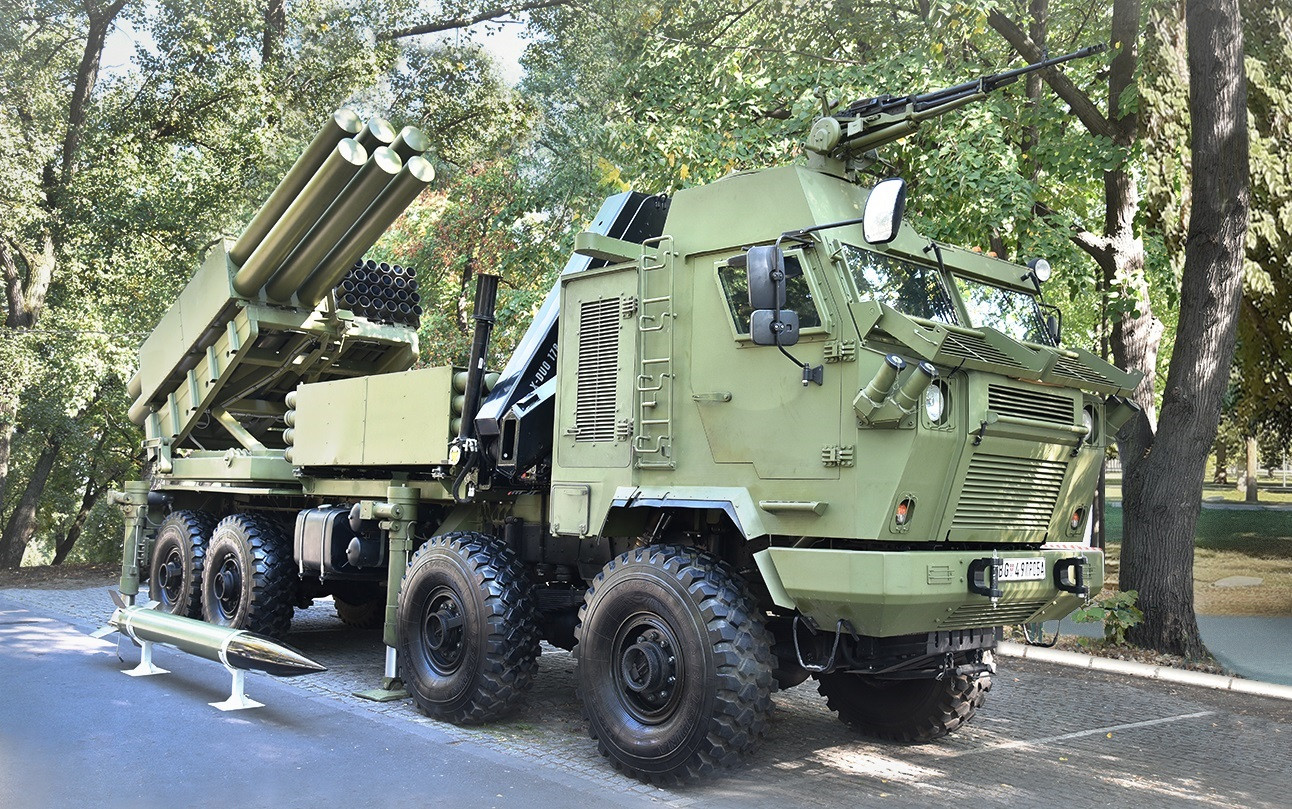
In addition, in 2019, the Serbian defense industry unveiled the LRSVM Tamnava dual-caliber multiple rocket launcher system, which has a range of up to 70 kilometers with 262-mm rockets and up to 40 kilometers with 122-mm rockets. However, there is currently no information available regarding any orders for this system.
The reference to "long-range ballistic missiles" may be explained by the PULS system’s ammunition lineup, which includes Extra guided missiles with a range of up to 150 kilometers and Predator Hawk missiles with a range of up to 300 kilometers. Serbia may be seeking to localize the production of such weapons on its own territory, leveraging its cooperation with Israel.
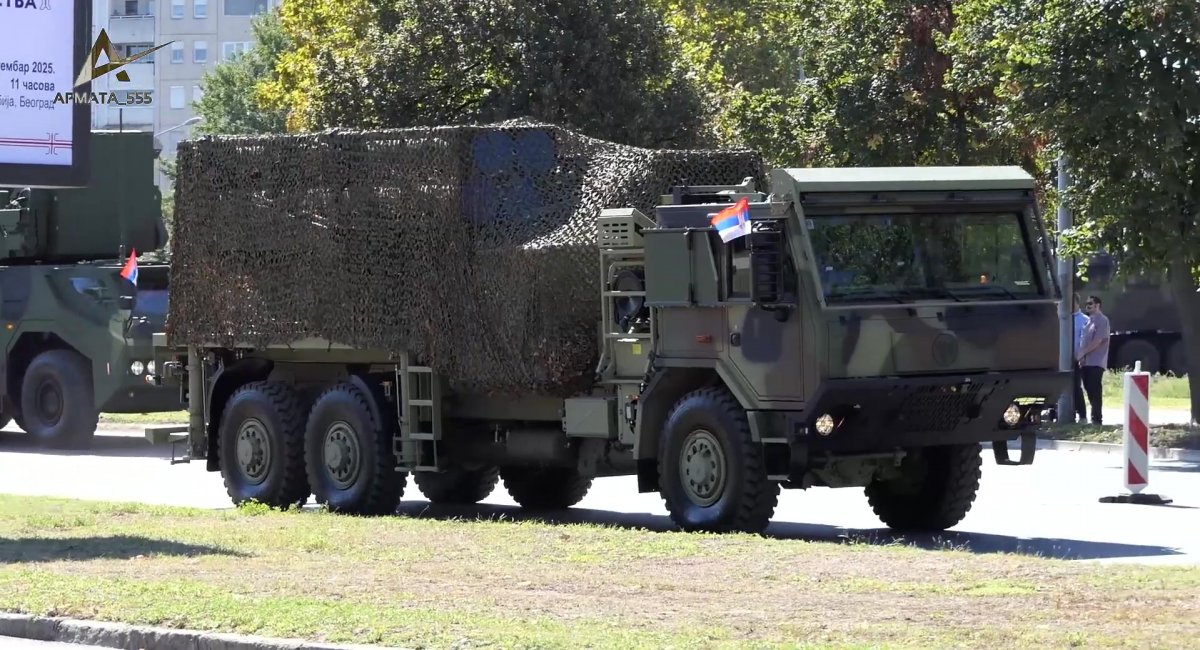
In turn, Uzbekistan could have emerged as a potential partner for a number of reasons. The country is known as a major regional producer of explosives, making it a potentially suitable partner for the domestic production of ammunition and missiles.
At the same time, questions remain over how such cooperation would be logistically supported—whether through transit across russian territory or via routes across the Caspian Sea.
Ivan Kyrychevskyi, serviceman of the 413th Raid Regiment of the Unmanned Systems Forces of Ukraine and weapons expert at Defense Express.
Read more: Poland Gets Fresh $4B U.S. Loan for F-16 Upgrades, Patriot and Apache, Total Borrowing Hits $11B Since 2022