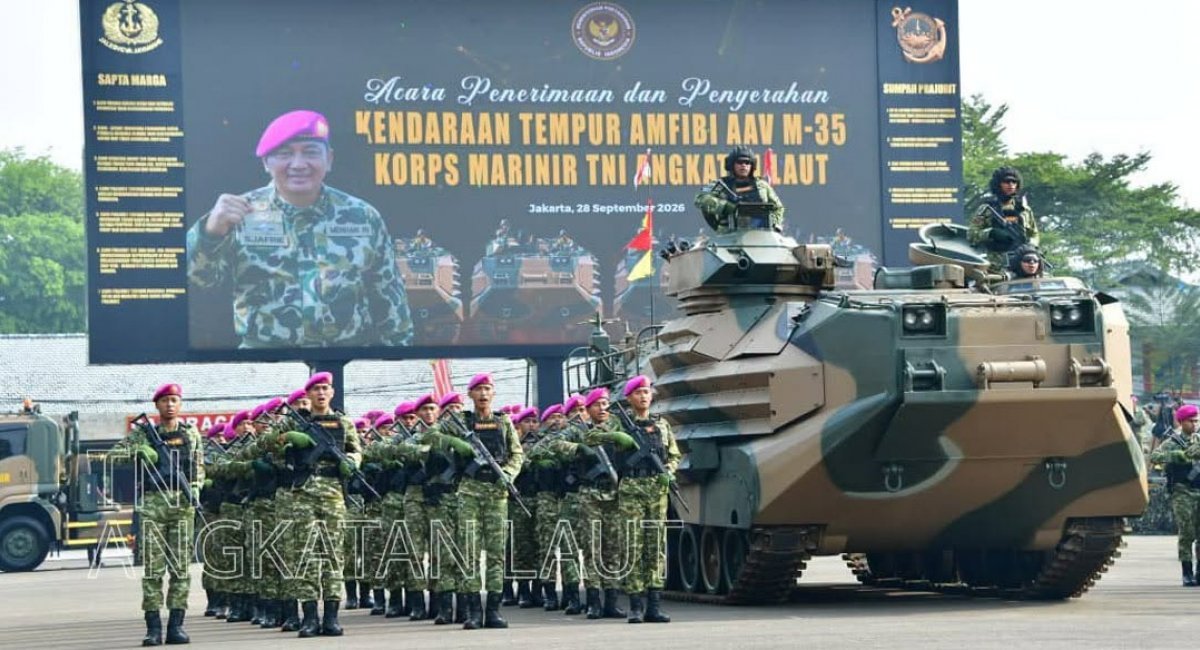
Indonesia has received and commissioned the first batch of American AAV M-35 (AAV-7A1) amphibious armored personnel carriers. They are expected to fill a capability gap that was supposed to be addressed by russian BT-3F vehicles, which were selected over Ukraine’s BTR-4.
The Indonesian Navy announced the commissioning ceremony on its official page. The first batch included 12 vehicles, with a total of 35 amphibious vehicles expected to be delivered to the Marine Corps.
Read more: South Korea Releases Rare Test Footage of the Hyunmoo-V Ballistic Missile
Defense Express notes that the Indonesian Marines currently operate a diverse fleet of armored vehicles, including 34 AMX-10P infantry fighting vehicles, 23 BVP-2s, 54 BMP-3Fs, 12 BTR-80s, five BTR-4s, and more than 120 BTR-50s. They also operate 15 LVTP-7A1 vehicles previously received from South Korea. Following the latest delivery, Indonesia’s fleet of AAV-7 family vehicles (AAV7) will total 27 units.
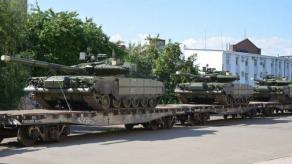
Indonesia previously planned to replace its aging BTR-50s with newer vehicles. A tender was held, with Ukraine offering amphibious versions of the BTR-4, the BTR-4V1 and BTR-4V2, which remain in service with the country. They competed against russia’s BT-3F and additional BMP-3F infantry fighting vehicles. The russian offer won the competition in 2017.
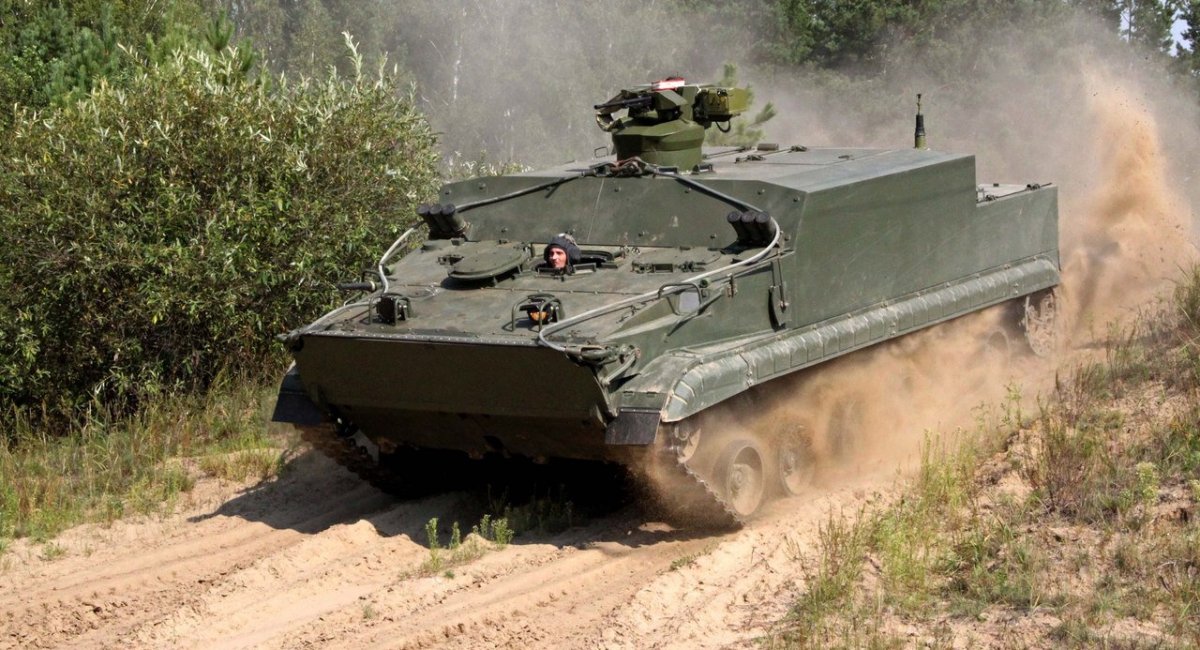
However, there is no evidence that any deliveries were ever made under the project. This may be due to the BT-3F not being ready for production, as it only entered russian state trials in 2025, or to changes in the political relationship between the two countries.
Regardless of the reasons, Indonesia has been left needing an alternative, and the AAV-7 appears to be at least a partial solution. The United States has recently withdrawn these vehicles from service and now has surplus units available for transfer to other countries.
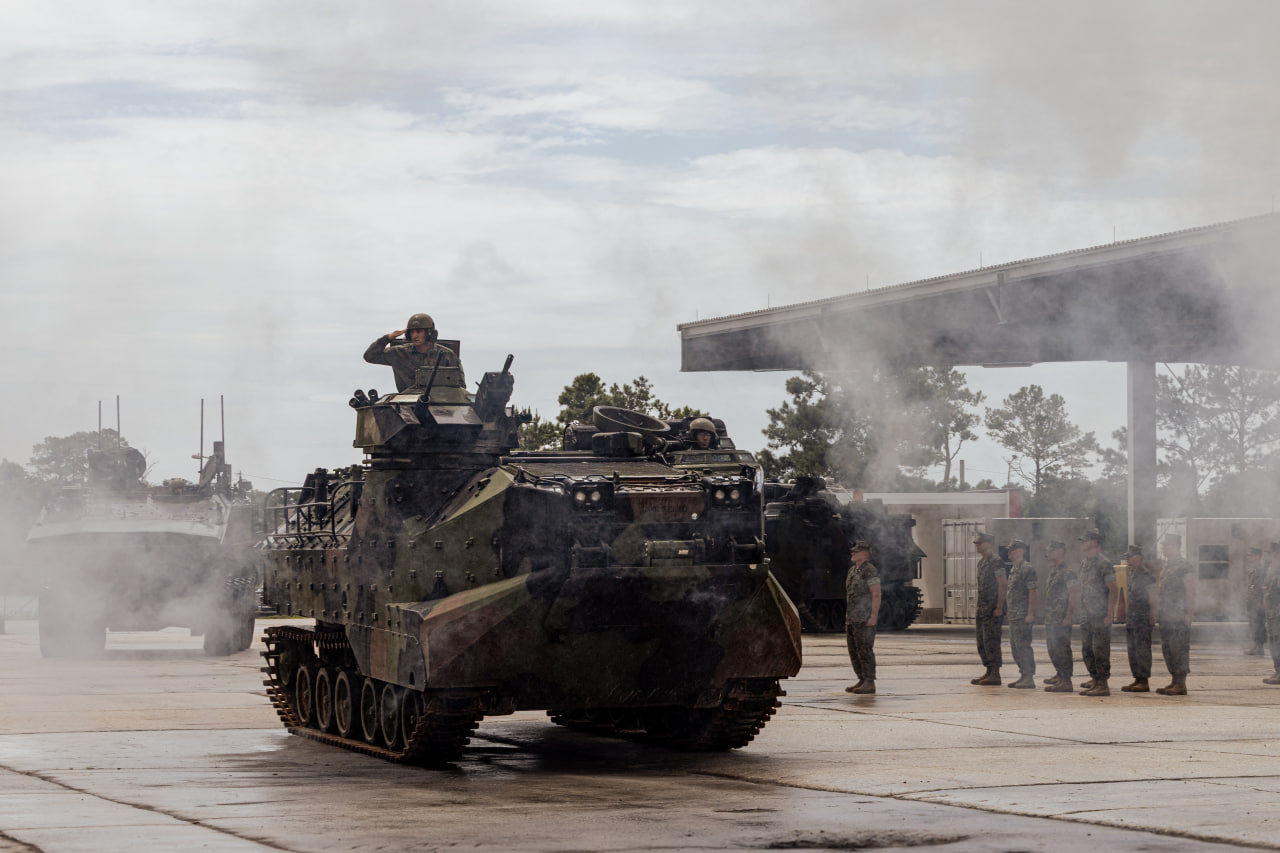
However, the aging American amphibious armored personnel carriers are far from being in good condition and may even leak water. Their poor condition has contributed to fatal incidents in the United States. Indonesia already operates vehicles from the same family and may be able to carry out sufficient repairs and maintenance to keep the newly acquired vehicles fully operational. Purchasing used equipment is also a relatively budget-friendly option.
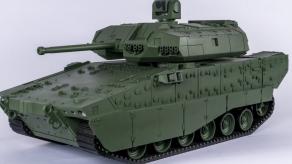
A potential long-term replacement could be the new South Korean KAAV-II amphibious vehicle for marine forces, which has already been built as a physical prototype. Although it is being developed primarily for South Korea’s own needs, export deliveries are also likely to be considered.
From the Defense Express side, we urge readers to join a fundraiser for a solution that is already proving effective: the One United Fundraiser, organized by the Serhiy Prytula Charity Foundation to support interceptor drones.

Read more: russia Claims T-14 Armata With 152mm Gun Can Shoot Down Ukrainian Deep-Strike Drones