Systematic strikes by Ukrainian forces against russia's oil refining network have significantly reduced the country's production of aviation kerosene, according to Ukraine's Defense Intelligence. The reported decline has created shortages that are affecting russia's fuel supply system.
Due to insufficient domestic resources, russia has officially introduced a temporary ban on exports of its own aviation fuel. At the same time, Moscow has been forced to import foreign-made Jet A-1 fuel to compensate for the deficit.
Read more: SSU Drone Tore Off Part of Tu-95MS Wing: Can russia Actually Repair Strategic Bomber?
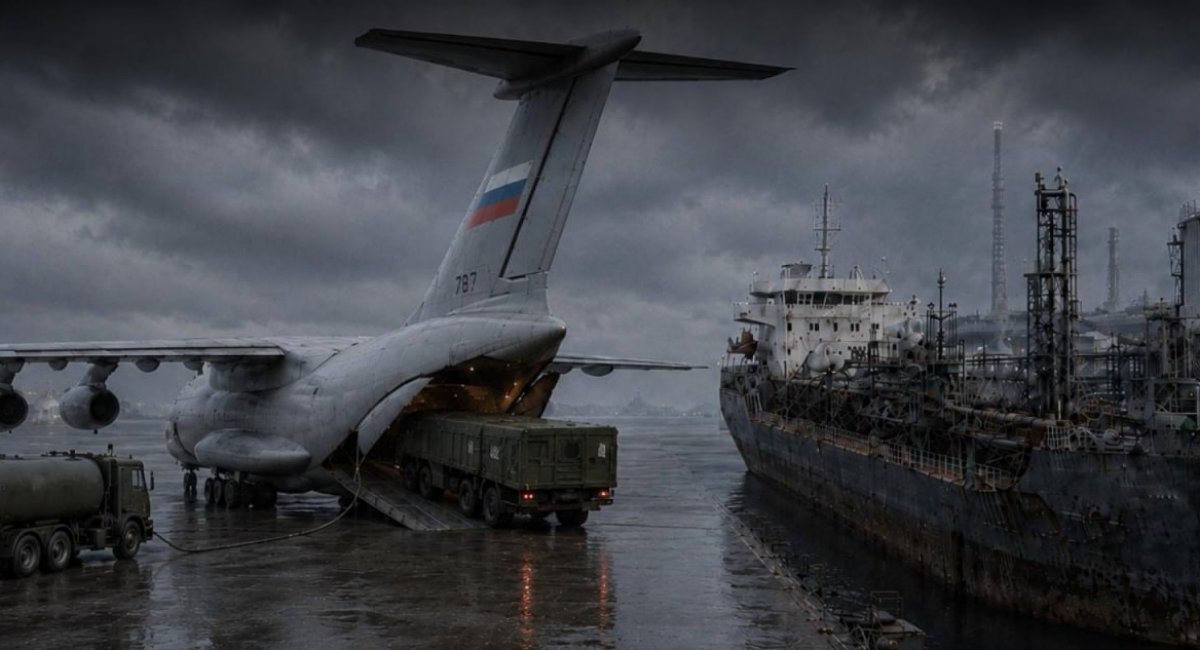
According to the intelligence, imported Jet A-1 fuel can be used not only by civilian aircraft but also by russian military aviation and strike unmanned aerial vehicles. This makes aviation fuel supplies an important element of russia's ability to sustain air operations.
It had identified both the geography of these deliveries and the maritime logistics schemes used to transport the fuel. The supplies reportedly involve tankers associated with russia's so-called shadow fleet.
Three vessels have already delivered approximately 70,000 tonnes of Jet A-1 fuel to russian ports from South Korea and Egypt. These shipments are intended to compensate for reduced domestic production caused by pressure on russia's refining sector.
One tanker, ASTORIA, transported nearly 11,000 tonnes of aviation fuel from Ulsan, South Korea, to Vladivostok. Two other vessels, HANNA and CAPIBARA, delivered almost 59,000 tonnes from the Egyptian port of El Dekheila to St. Petersburg.
The need to import foreign aviation fuel demonstrates the impact of Ukrainian strikes on russia's oil refining industry. The intelligence agency states that reductions in domestic aviation fuel production have forced Moscow to rely on external supplies delivered through maritime logistics routes.
Read more: Ukraine Destroys russian $1 Million Uragan MLRS with Multiple Drones and FPV Strike (Video)