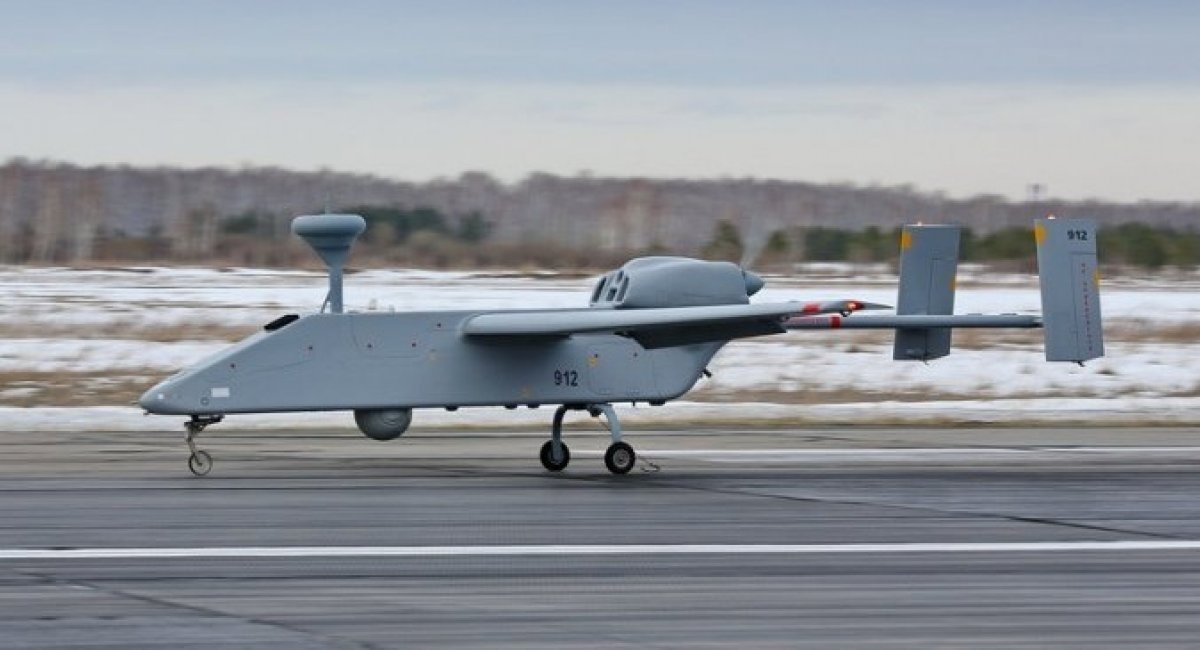
russia has conducted exercises aimed at improving coordination between its Navy and unmanned aircraft, involving Pacific Fleet warships and Forpost reconnaissance-strike UAVs. The drills included procedures for detecting and identifying targets before passing their coordinates to missile units.
The exercises took place in the Sea of Okhotsk, the Sea of Japan and the northwestern Pacific, according to russian state-controlled media.
Read more: russian Ships Trapped in Novorossiysk: Ukrainian Navy Reveals What's Happening
The drills involving UAVs and the russian Navy were held ahead of russia’s Air Force Day on August 12. The broader exercises began on August 4 and involve more than 13,000 russian troops, 60 warships, submarines and support vessels, as well as around 30 aircraft, helicopters and UAVs.
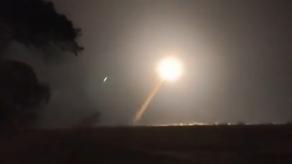
According to the russian military, Forpost UAVs detected and identified the coordinates of simulated enemy targets, including amphibious assault ships. The targets were then engaged using Bastion coastal defense systems armed with Oniks missiles and a Project 1234 Ovod-class small missile ship equipped with Uran anti-ship missiles.
The exercise is notable because it demonstrates a potential reconnaissance-to-strike chain in which a UAV searches for and identifies a naval target before providing targeting data to both coastal missile systems and warships.
There is also an interesting connection to russia’s efforts to protect its so-called shadow fleet. In June last year, russia was reported to have deployed a warship armed with Uran missiles to escort vessels belonging to its shadow fleet. The ship in question was the corvette Boykiy, a Project 20380 Steregushchiy-class vessel whose primary armament includes Uran anti-ship missiles.
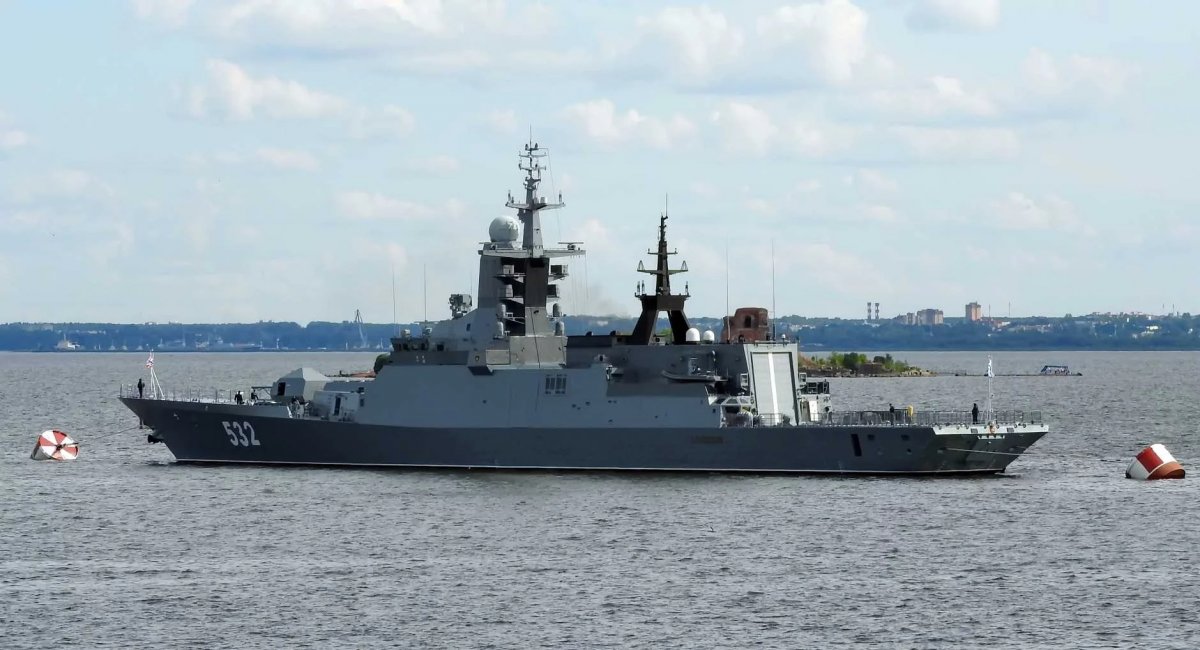
At the time, there was speculation that russia could expand the use of warships to escort its shadow fleet tankers. It is therefore tempting to link the latest exercises involving UAVs to such missions and suggest that russia could be practicing a similar reconnaissance and protection concept.
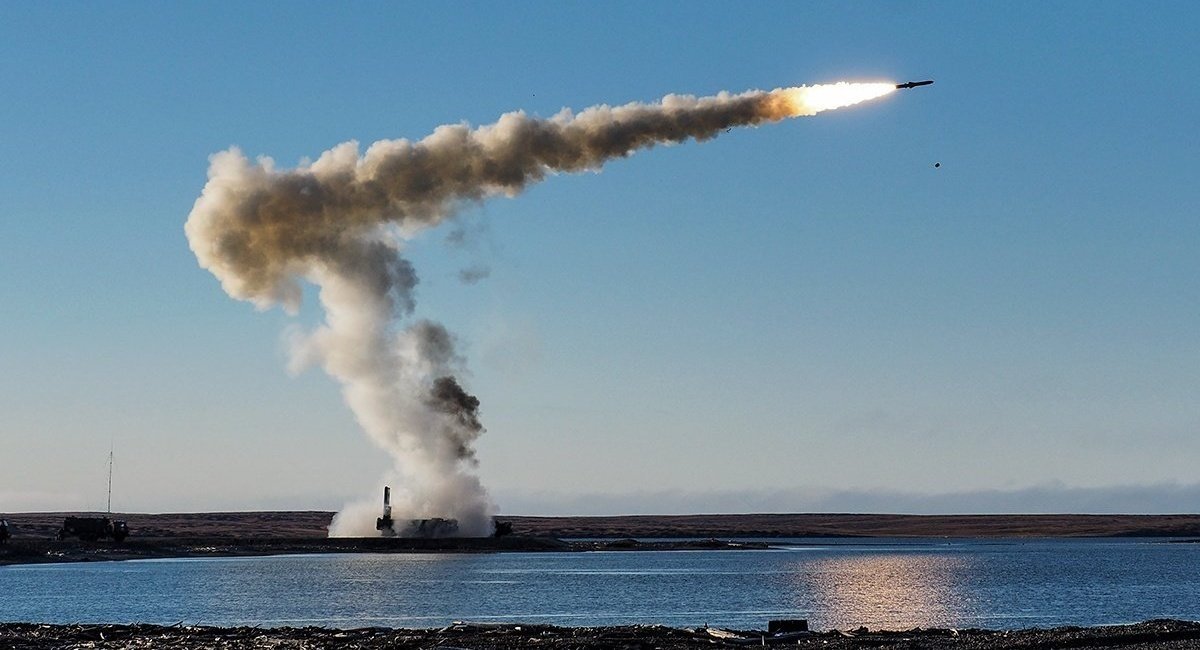
However, that connection remains speculative. The current exercises are taking place in completely different waters from those where russian shadow fleet tankers typically face interception or detention. The involvement of a Bastion coastal missile system also points to a broader naval targeting scenario rather than a dedicated escort mission.
As for the Bastion system, its Oniks missile is designed primarily as an anti-ship weapon, but russia has repeatedly used Oniks missiles for strikes against targets in Ukraine, including civilian and critical infrastructure.
Earlier, Defense Express reported on another incident involving a russian warship escorting shadow fleet vessels in the Baltic Sea that encountered a Ukrainian unmanned surface vessel.
Read more: russia Is Racing to Build an LNG "Shadow Fleet" Ahead of the EU's 2027 Ban