The russian administration has submitted an application to the International Telecommunication Union (ITU) to register its new RASSVET-4 satellite network. According to published data, the project envisages deploying a constellation of 374 satellites at an altitude of 800 km, distributed across 17 orbital planes, with 22 satellites in each plane.
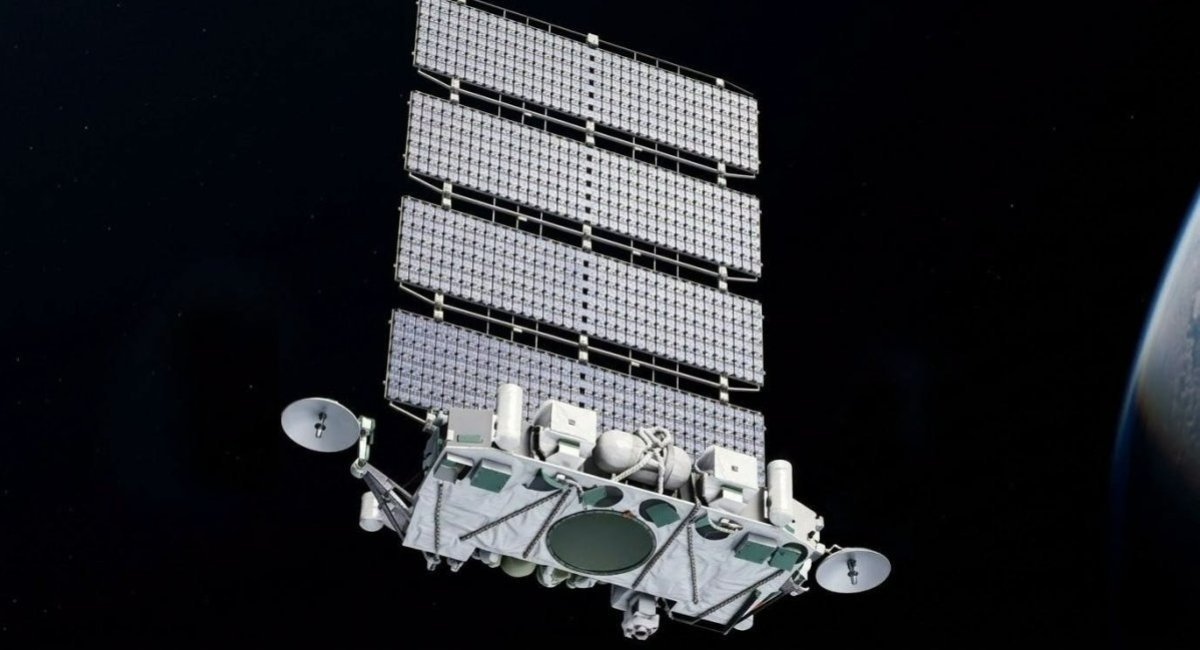
However, it is reasonable to assume that this application is not intended to register yet another satellite network, but rather a new, previously unannounced spacecraft designated Rassvet-4. It will apparently operate alongside the Rassvet-3 satellites as part of the Rassvet system.
Read more: “Was That a Nuclear Bomb?” russians React to Massive Explosion at Warehouse (Video)
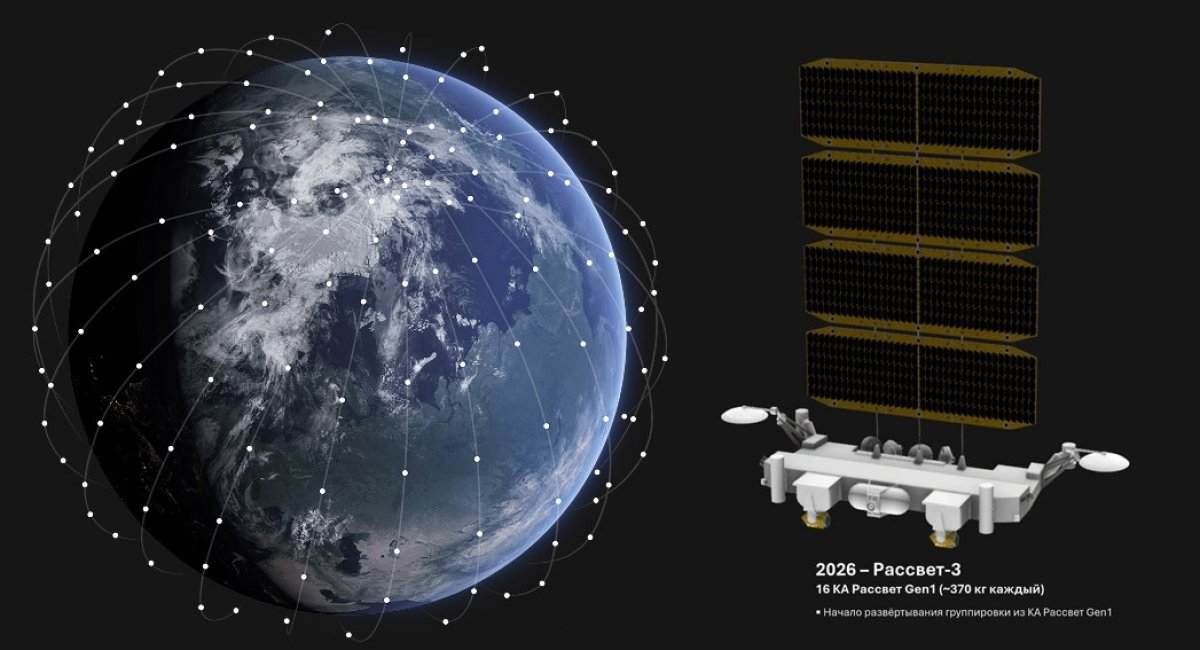
Based on the published data, Rassvet-4 appears to be not an entirely new satellite, but rather an upgraded and refined variant of Rassvet-3, incorporating lessons learned from the deployment of 32 satellites during two launches in March and July this year.
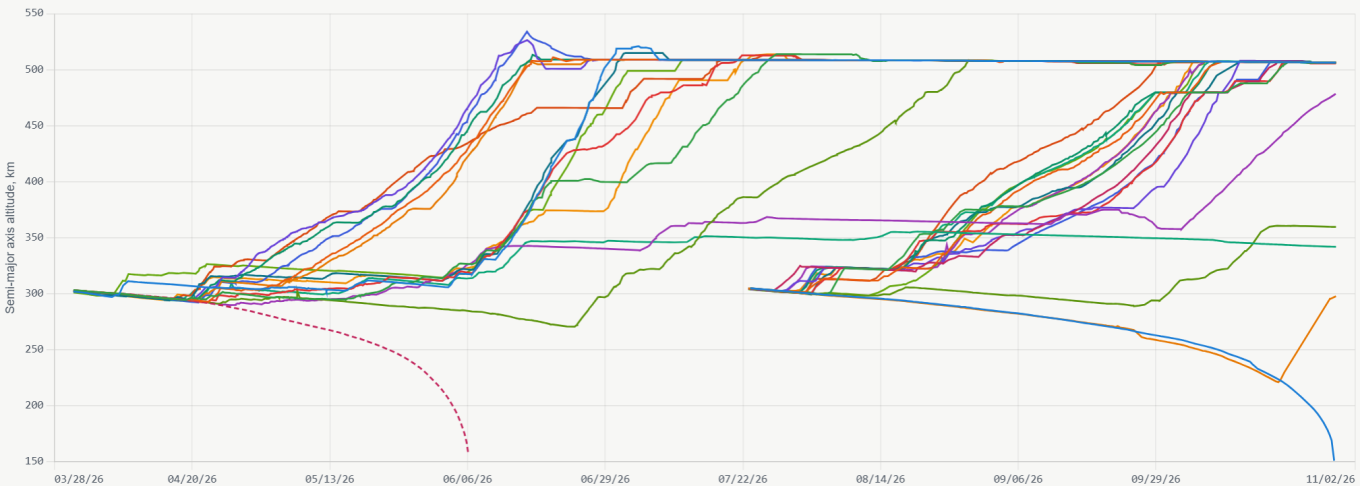
The 32 Rassvet-3 satellites are reportedly still experiencing difficulties with deployment and reaching their designated orbital positions. Recently, the second Rassvet-3 satellite crashed, while the remaining 30 satellites are still yet to reach their planned orbital positions at an altitude of 800 km.
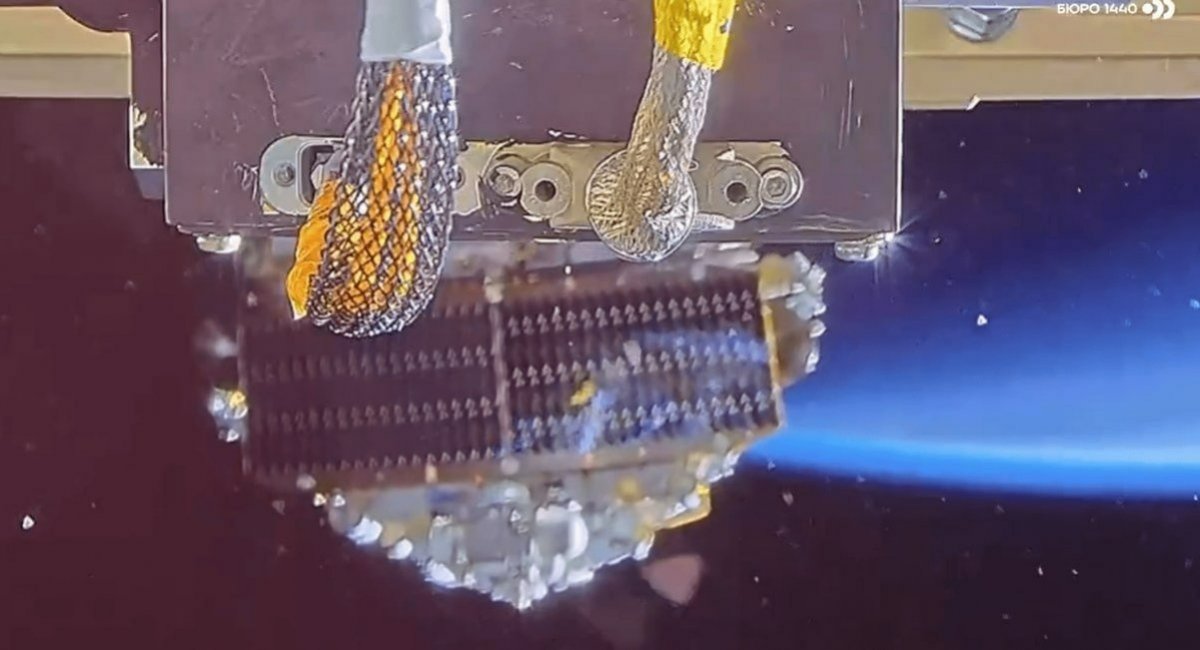
So far, Bureau 1440 has not publicly announced the development of Rassvet-4. However, in September this year, company representatives reported that they were working on an improved version of Rassvet-3.
Returning to russia's application to the ITU, it also reveals some specifications of the Rassvet-4 antennas. The application specifies the operating frequencies and beam characteristics, indicating that the satellite will have 12 beams: seven transmit beams and five receive beams.
At this point, these are all the details currently known about the upcoming Rassvet-4 satellites. Further information is still awaited.
The new Rassvet-4 satellites could potentially be deployed as early as the next launch, with no prior announcement. The launch is expected to take place in the near future.
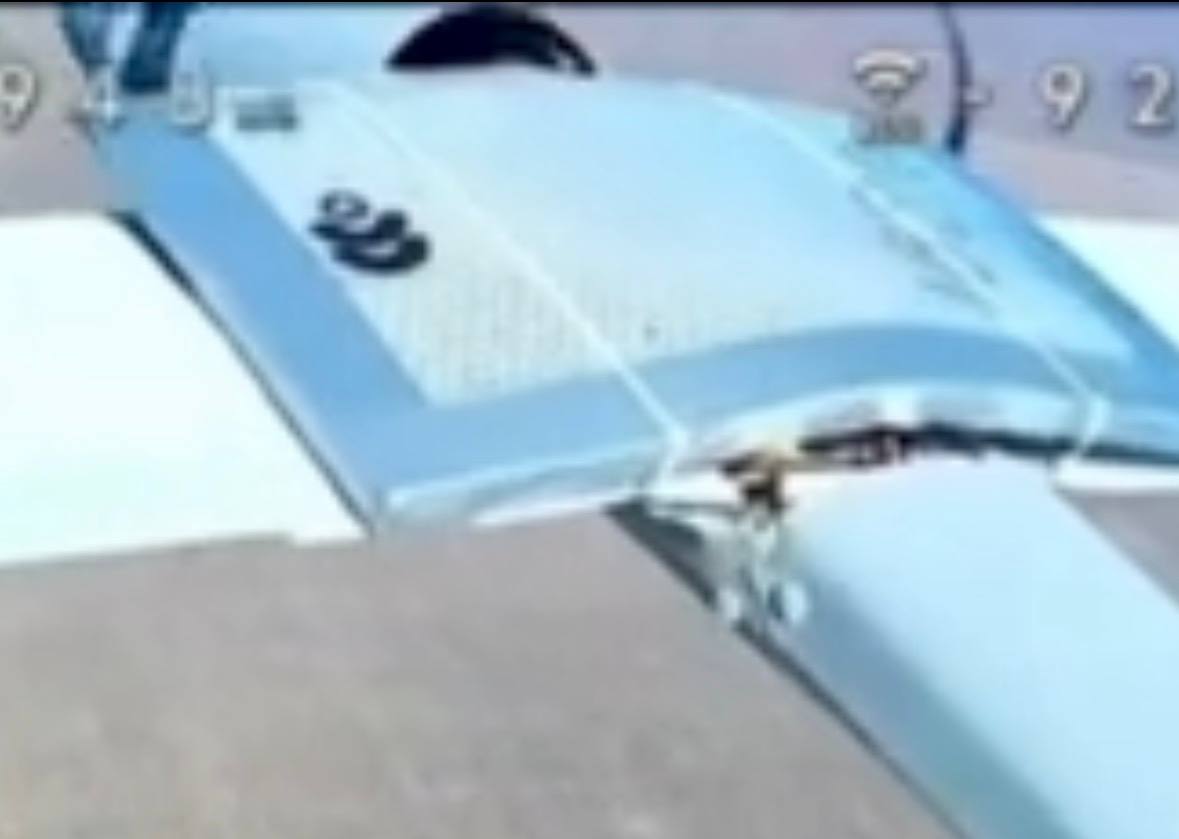
However, although objects resembling Rassvet ground-based satellite communication terminals have recently been spotted on russian drones, the system still has a long way to go before becoming fully operational.
Read more: Ukrainian Interceptor Drone Shoots Down russian Shahed Drone in Footage Captured by Two UAVs