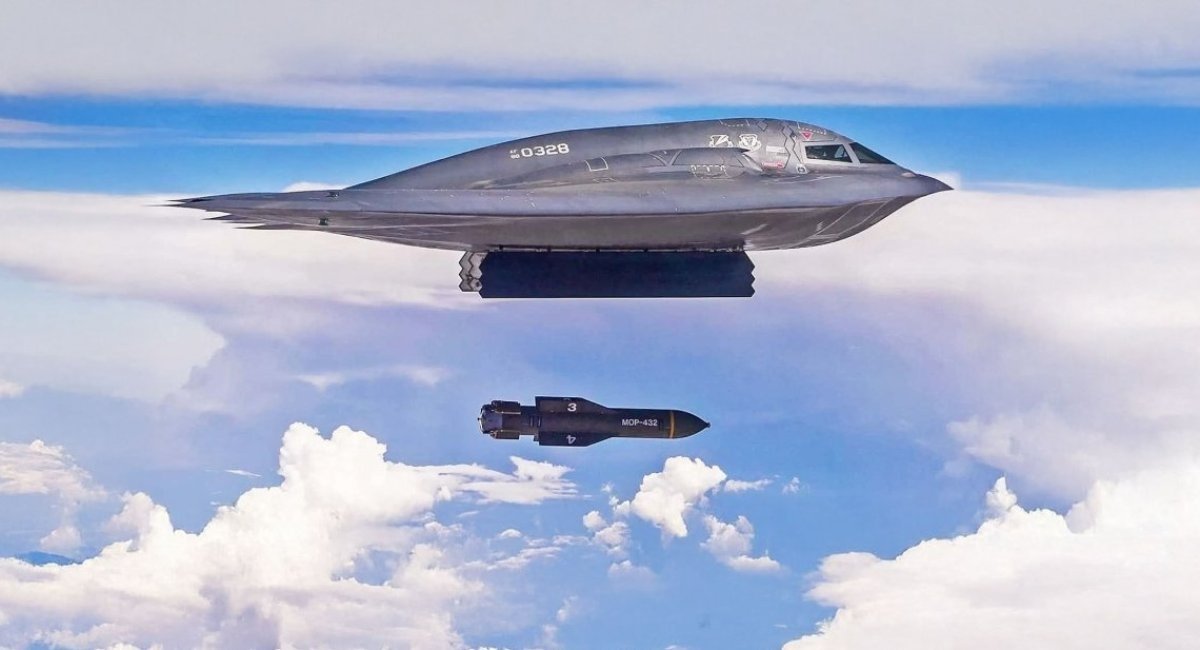
Recent signs suggest that the U.S. and Israel may be preparing a second phase of military action against Iran following the failure of Operation Epic Fury earlier this year. Although Iran suffered significant losses during the operation, the U.S. and Israel failed to achieve their main objectives: overthrowing Iran's terrorist regime and halting its nuclear program.
Instead, Iran continues to partially block the Strait of Hormuz, actively supports terrorist groups throughout the Middle East, and is likely continuing work on its nuclear program. It is also important to highlight the billions of dollars in military equipment losses suffered by the U.S. and countries across the Middle East, losses that could take years to recover from.
Read more: Why U.S. Approval of Ukraine's Purchase of 500 PAC-3 MSE Missiles May Not Help Ukraine This Winter, What Alternatives Are Available?
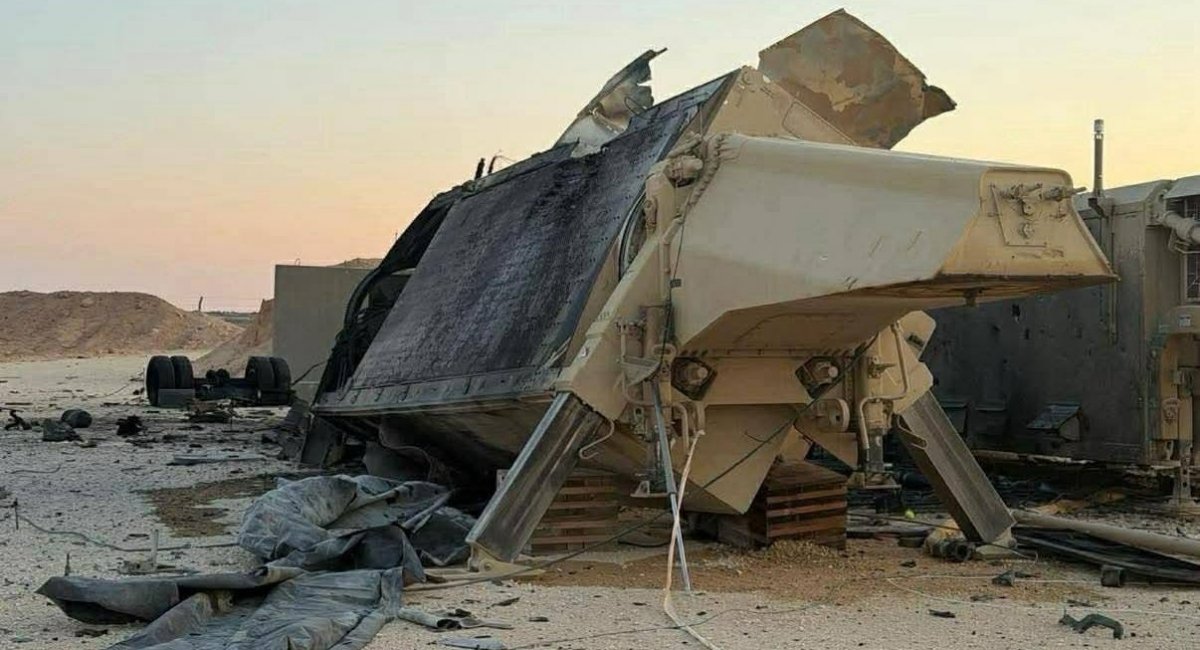
In addition, Operation Epic Fury significantly depleted the weapons stockpiles of Israel, other Middle Eastern countries, and, most importantly, the U.S. In particular, the stockpiles of interceptor missiles capable of shooting down ballistic targets were depleted the most.
Six months after the operation ended, these stockpiles had not only failed to recover but were still nowhere near being replenished. In some cases, the situation had actually worsened. The clearest example is the U.S. stockpile of PAC-3 missiles for the Patriot air defense system, which totaled 2,330 before the operation began.
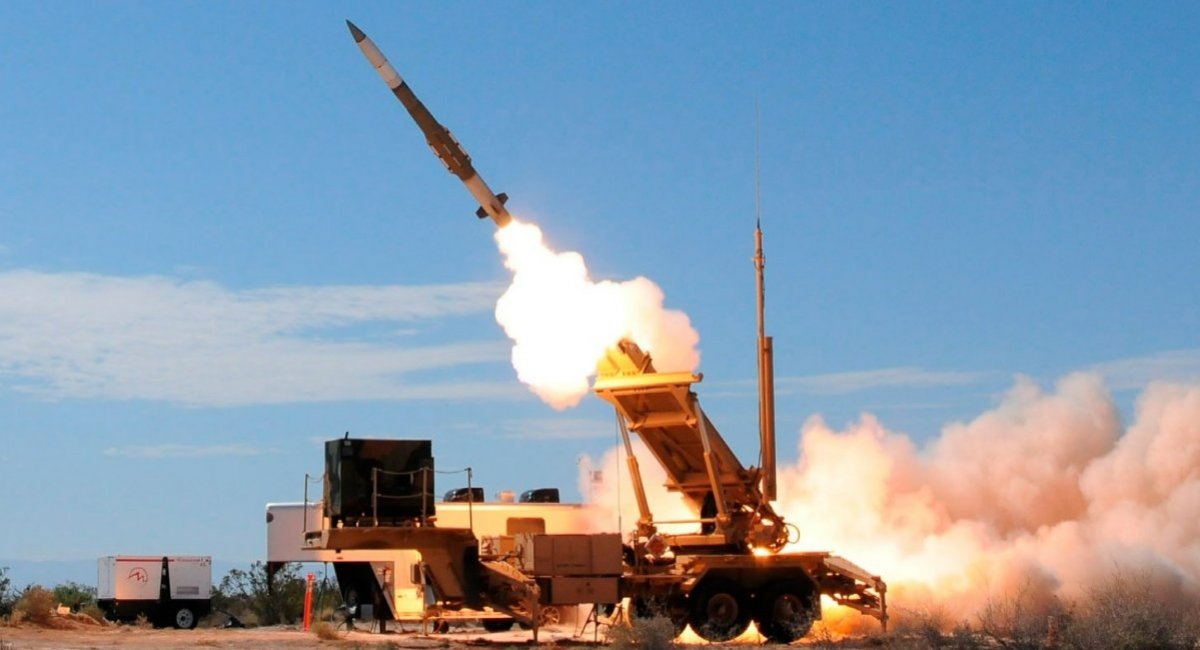
The operation left the U.S. with only 759–827 PAC-3 missiles remaining in its stockpiles. However, in the months following the operation, Iran launched three massive ballistic missile attacks against U.S. military bases in July, August, and September.
Therefore, taking into account these expenditures and production rates, our calculations suggest that, as of September 11, U.S. stockpiles may have contained no more than approximately 645–745 PAC-3 interceptor missiles (CRI and MSE). Since then, PAC-3 missiles have not been used on a large scale. Taking production into account, current U.S. stockpiles may amount to no more than approximately 730–830 missiles.
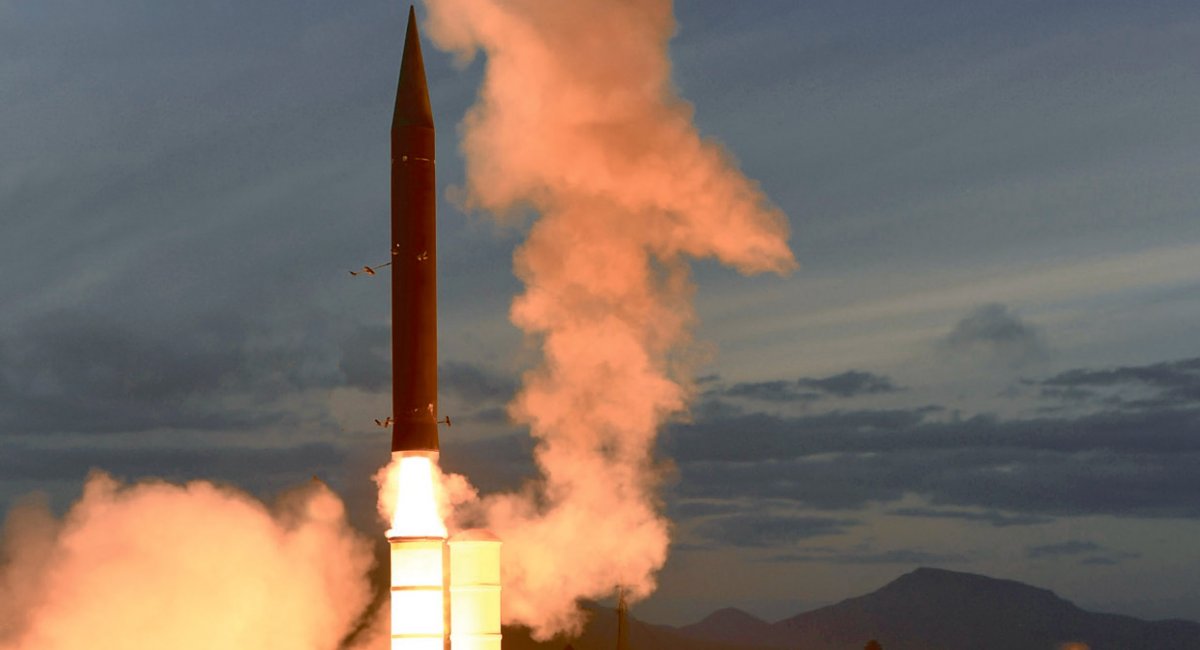
Missile stockpiles across the Middle East have also been significantly depleted and remain at critically low levels. As for other air defense interceptors, stockpiles of SM-3 and SM-6 missiles, as well as interceptors for the THAAD and Arrow missile defense systems, also remain at extremely low levels.
Therefore, if a new operation is launched, Iran's continued large-scale ballistic missile attacks could quickly deplete the already limited stockpiles of air defense interceptors. This could leave military bases across the Middle East, including those of U.S. allies, with critically insufficient air defense coverage, significantly increasing the risk of heavy losses in both equipment and personnel.
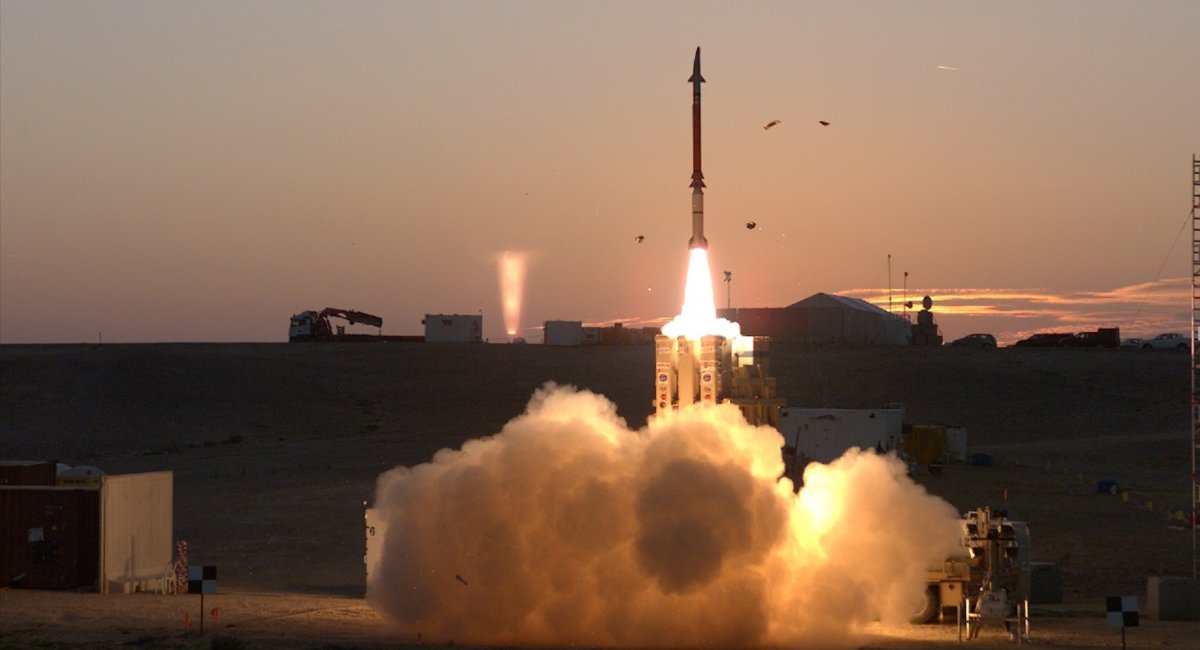
This situation will affect not only the U.S. and countries in the Middle East. What makes the situation even more concerning is that, despite its already depleted PAC-3 stockpiles, the U.S. continues to delay arms deliveries to Ukraine and provide far fewer Patriot missiles than Kyiv needs.
If the U.S. runs completely out of these missiles and suffers significant losses as a result of their absence, exporting PAC-3 interceptors could become virtually impossible until its stockpiles are replenished to at least a minimum operational level, a process that could take a considerable amount of time.
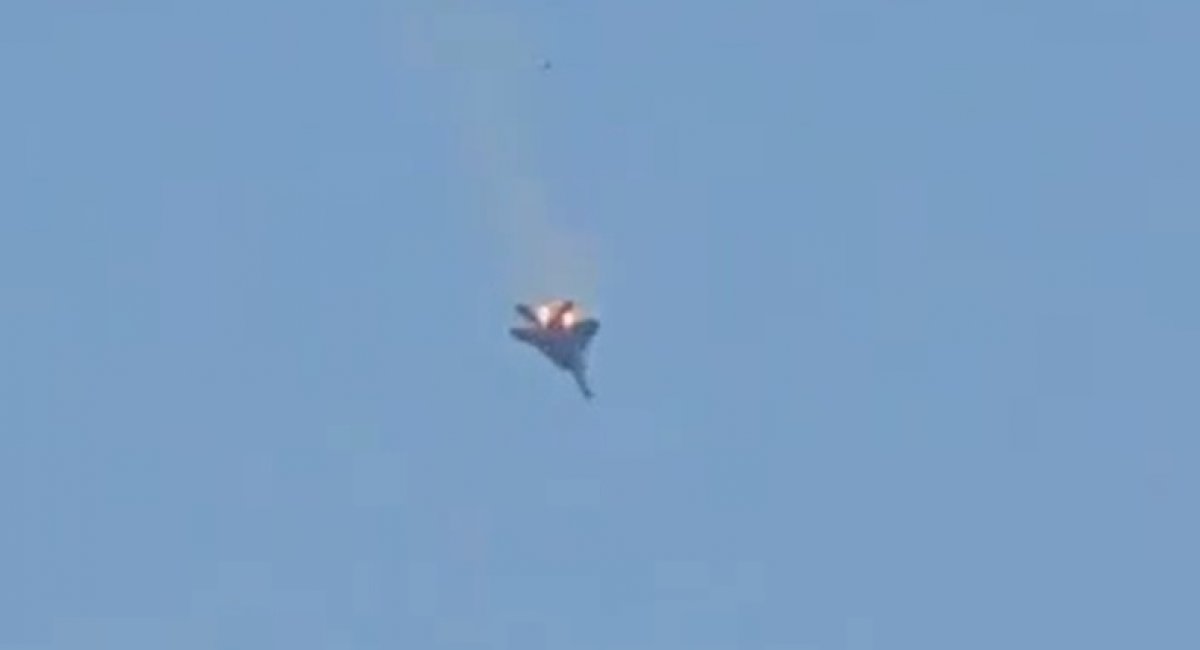
All of this is just a part of the potential consequences. Heavy U.S. losses in a new conflict with Iran could create an opportunity for russia and China to escalate their actions against Europe and Taiwan, respectively, exploiting Washington's weakened military position.
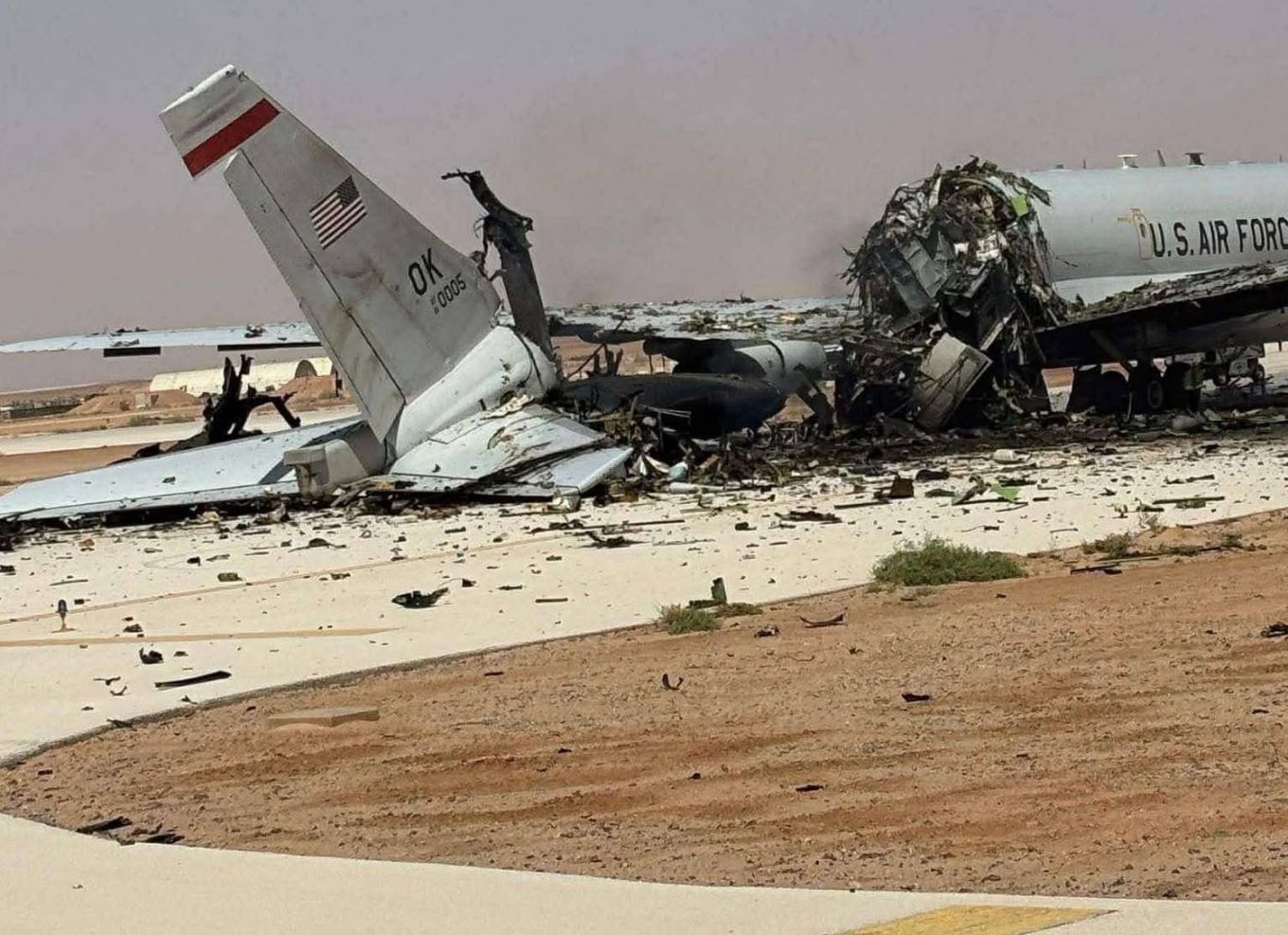
The consequences for global oil markets could be equally devastating. Damage to critical energy infrastructure and a blockade of the Strait of Hormuz could trigger an unprecedented energy crisis, affecting virtually every sector of the global economy. For all these reasons, a new military operation against Iran must not be allowed to take place.
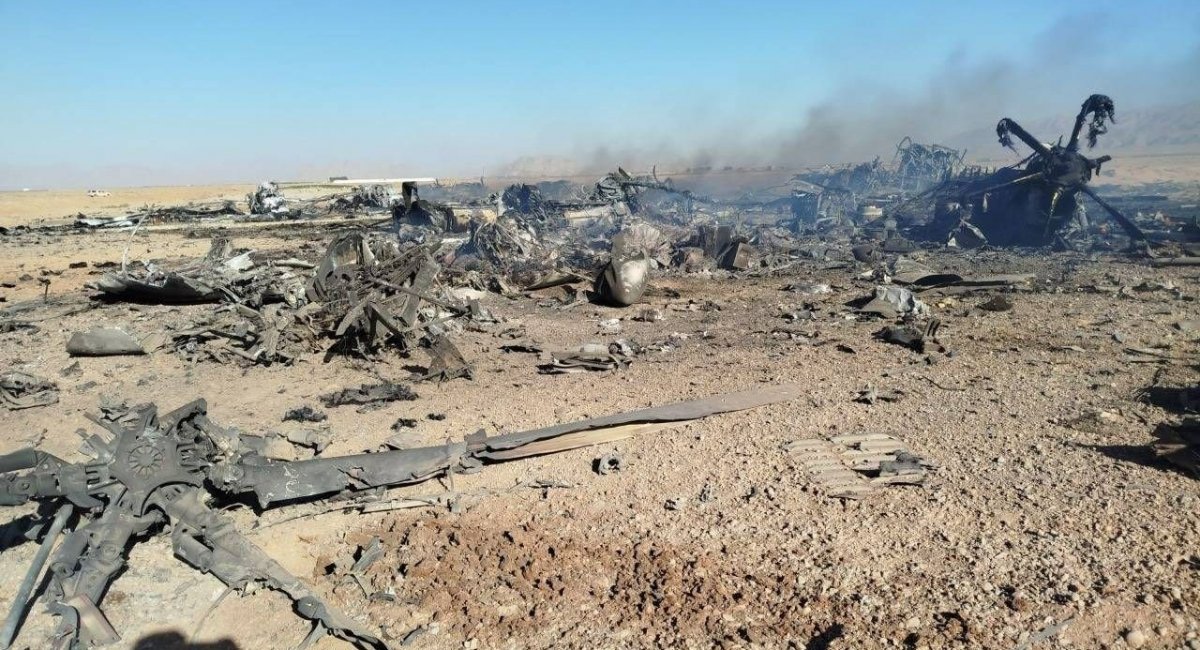
However, it should be emphasized that all of the above are merely the author's own assessments and conclusions, based on lessons drawn from the failed Operation Epic Fury, the consequences of which continue to be felt around the world.
Read more: U.S. Startup Builds Flying Blanket to Hide Vehicles From Drones and Satellites, Four Drones Stretch IR/Radar-Blocking Cover Overhead