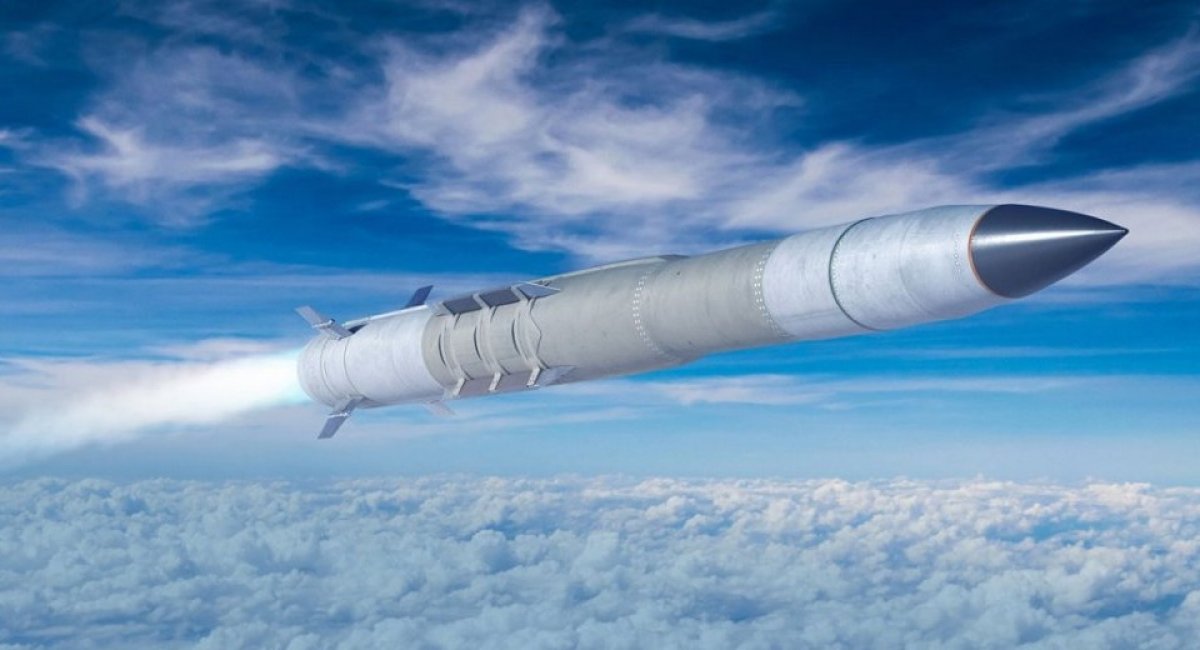
Poland is competing with Germany for the opportunity to deploy PAC-3 MSE interceptors as part of the Patriot air defense system, which are capable of intercepting russian ballistic missiles. The final decision is to be made by mid-September 2026.
Polish Deputy Minister of Defense Magdalena Sobkowiak-Czarnecka made the statement in an interview with RMF FM. According to her, every effort is being made to secure at least a maintenance facility for these missiles if an agreement on local production cannot be reached.
Read more: U.S. Navy Confirms Building Nuclear "Spy" Submarine for Covert Seabed Operations, 28 Tomahawk Cells Replaced With Secret Module for Cable Cutting, Deep-Sea Espionage
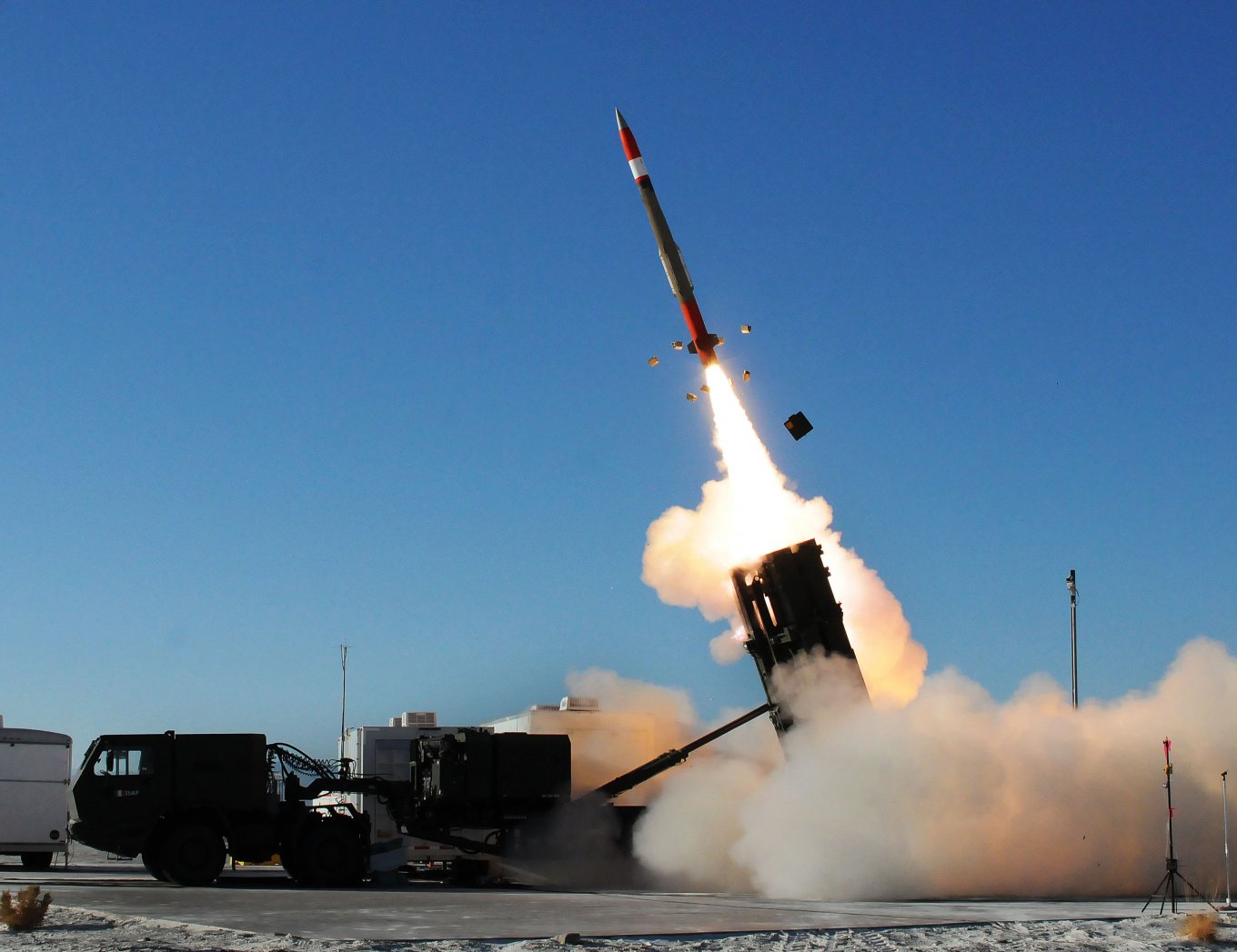
Sobkowiak-Czarnecka added that decisions are made at two levels—political and industrial—and that Polish officials are working with both. She also mentioned the possibility of transferring additional interceptors to Ukraine to bolster its Patriot air defense systems.
From Defense Express we would like to note that, as a result, a production facility for the PAC-3 MSE needed by Ukraine may soon begin operations in Europe. Meanwhile, the prospect of localizing production within the Ukrainian industry remains uncertain.
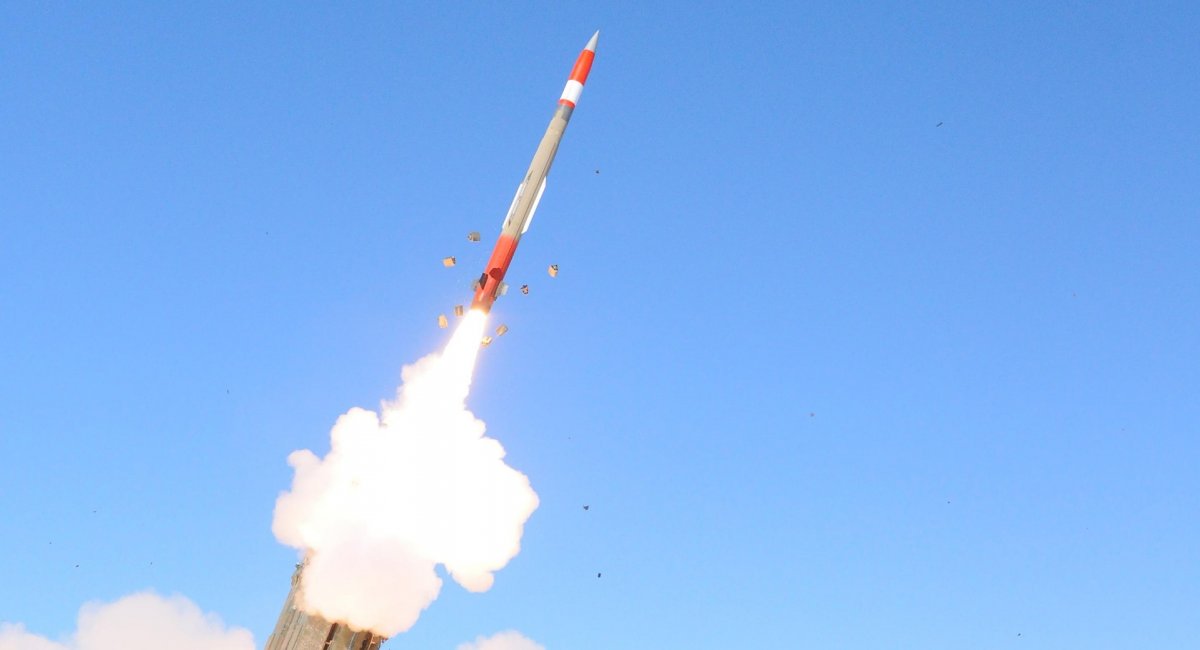
Germany is currently building a plant to manufacture the PAC-2 GEM-T, with deliveries set to begin in 2028, so continuing to transfer technology for other interceptors to that country may make sense. The plant has even received an order from the Armed Forces of Ukraine.
On the other hand, localizing the production of both missiles in a single country could create security concerns and provide additional political leverage. Moreover, each interceptor is produced by a different U.S. company, meaning that separate agreements will have to be negotiated and inspections conducted.
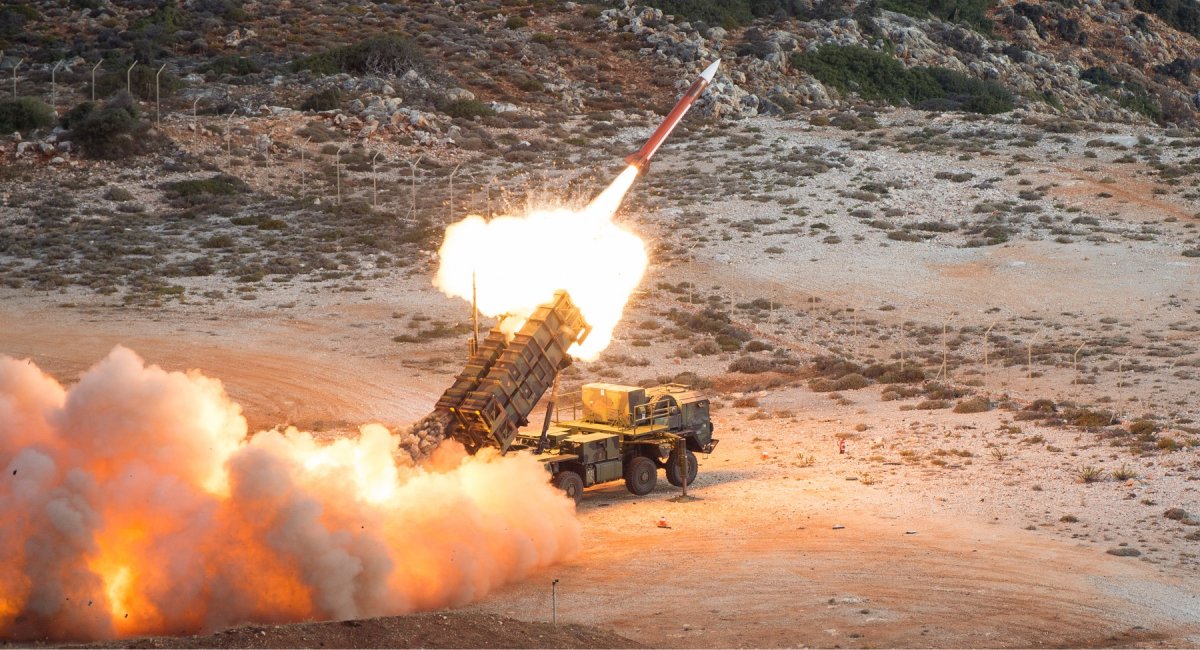
Therefore, the U.S. may consider a certain degree of "diversification," with Poland being a good fit, as Warsaw announced earlier this year that it was in talks to begin local production of PAC-3 MSE missiles. Poland is also manufacturing some components for these missiles, such as very small engines.
Overall, this could mean that Ukraine's localization efforts will focus on working with whichever country secures a U.S. production license, potentially by supplying components. At the same time, Ukrainian industry could eventually develop other, less expensive interceptors, such as the PAC-3 ACE.
It is also possible that Ukraine will begin local production of PAC-3 MSE interceptors, albeit somewhat later than one of the European countries. However, it is impossible to draw any firm conclusions at this stage, as no agreements are currently in place regarding production in Ukraine, and it remains unclear which EU country the U.S. will select.
Read more: Iran Is Developing 15,000-km ICBM to Strike the U.S.—It Is Not Hard to Guess Who Will Provide the Technology