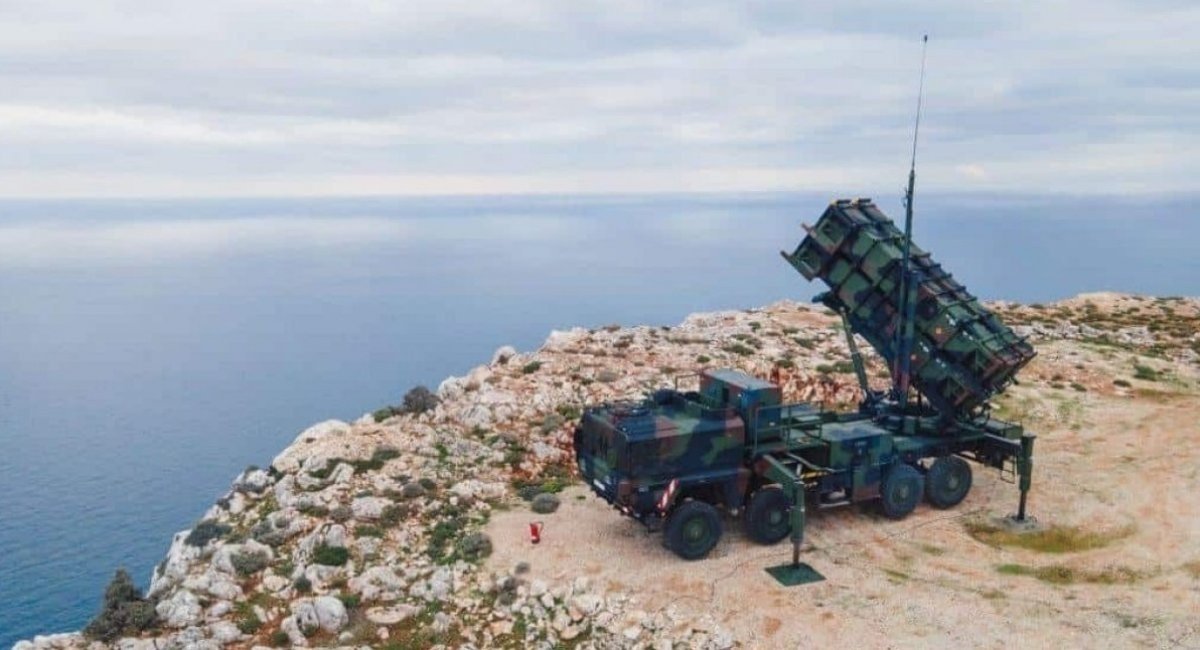
EU and NATO countries are pressuring Greece to transfer some of its Patriot missiles to Ukraine as Kyiv's allies seek to replenish its air defense stocks. The plan emerged after efforts to persuade Greece to transfer at least one of its six Patriot batteries to Ukraine failed.
According to Kathimerini, Ukraine has requested up to 200 PAC-2 missiles (which are ineffective against ballistic threats) that are nearing the end of their service life in the Greek Air Force. Greece could sell these missiles to Norway, which could then transfer them to Ukraine.
Read more: Former Defense Minister Reveals Ukraine Tests New Indigenous Ballistic Missile
It remains unclear what Athens' stance is on such a plan, but Greece has generally maintained a cautious position. Although it has supplied Ukraine with weapons, including Sea Sparrow missiles for Ukrainian FrankenSAM air defense systems, Athens has often justified its refusal to transfer certain types of weapons by arguing that they are needed for its own defense.

This raises the question of what conditions Greece might impose on the transfer of its PAC-2 missile stocks. A precedent already exists: Poland is reportedly set to receive as many as 50 missiles in exchange for providing Ukraine with just five PAC-3 MSE interceptors for the Patriot air defense system. Poland will receive these missiles within the first 24 hours in the event of a real threat to the country.

On the other hand, these two situations cannot be considered identical. In Poland's case, the missiles are PAC-3 MSE interceptors, which are far more capable against ballistic missiles than PAC-2 interceptors. Furthermore, the condition of the Greek missiles remains unknown, which could also be a significant factor if the EU and NATO ultimately decide to negotiate their transfer to Ukraine.
It is also worth noting that Athens wants to upgrade all six of its Patriot air defense systems to the PAC-3 standard. There have been reports of negotiations with Saudi Arabia to finance the project. However, this may apply only to the battery located on their territory. Therefore, favorable terms for modernizing Greece's Patriot systems could provide yet another argument in favor of transferring the missiles to Ukraine.
However, upgrading the Greek Patriots could also create a dilemma, as it could mean fewer PAC-3 MSE missiles becoming available to Ukraine, which is critically short of the interceptors it needs to shoot down russian ballistic missiles.
Read more: Could Ukraine's FP-7.x Anti-Ballistic Missile Under Freya Project Be Combined With Patriot License?