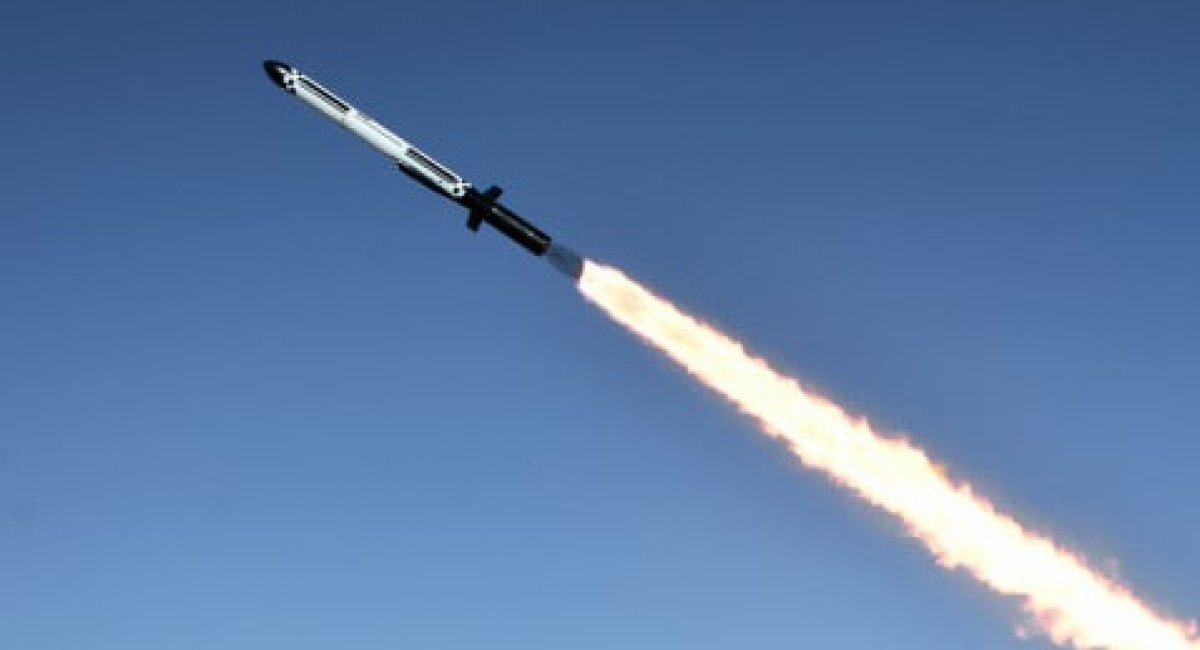
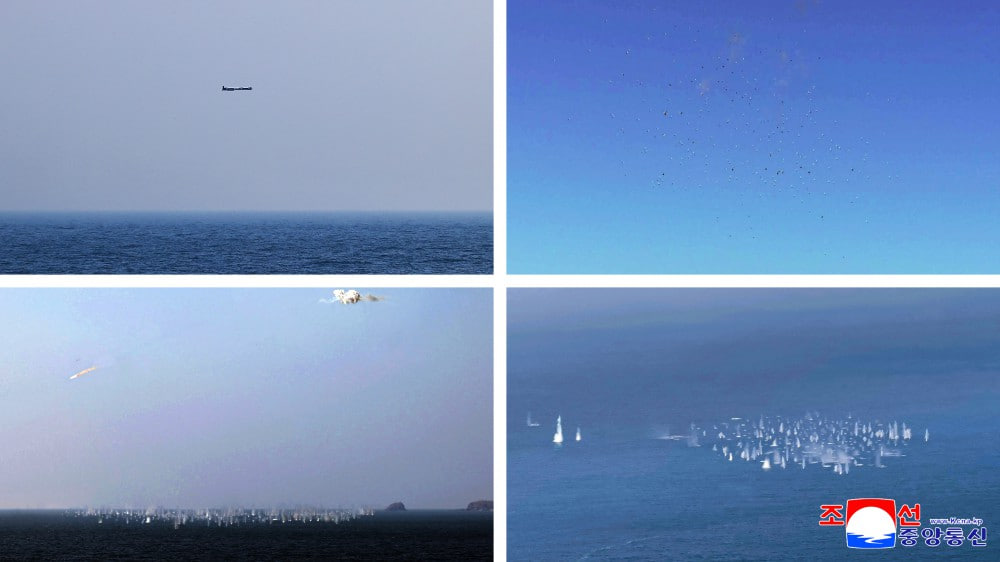
North Korea continues to develop a variety of missile weapons to expand its arsenal. This time, the country's Missile Bureau conducted tests of strategic cruise missiles equipped with cluster warheads.
This was reported by the North Korean state propaganda agency KCNA. The November 2 tests were reportedly intended to assess the warhead's destructive power and its capability to carry out a "vertical strike."
Read more: How Egypt's Rafales Outperformed russia's Su-35s Using SPECTRA EW System, Could Ukraine Replicate This?
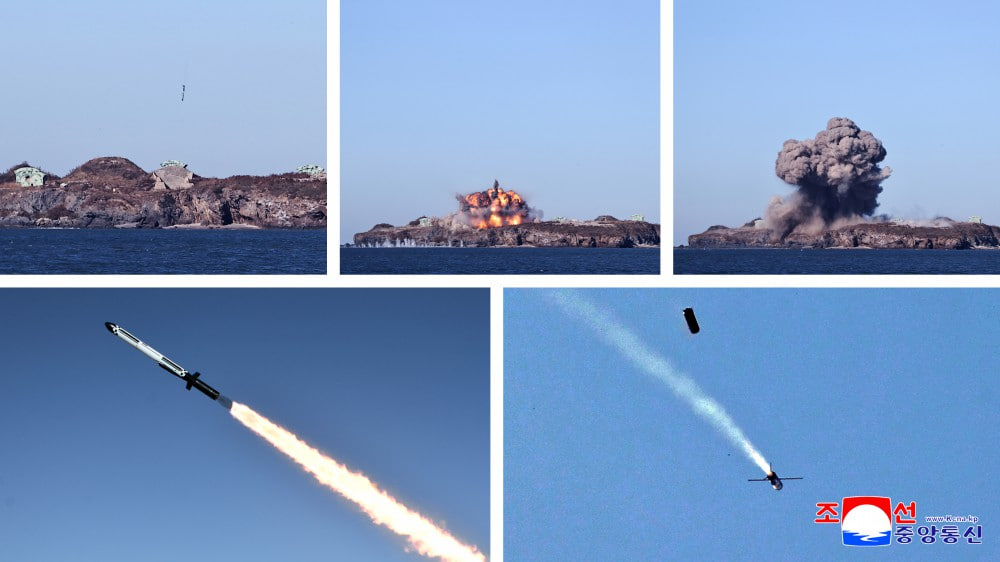
North Korea's Missile Bureau also disclosed test results indicating that a medium-sized cluster warhead can allegedly "turn to ashes" an area of five to six hectares. North Korean missile engineers claim to have "improved their capabilities for vertical strikes."
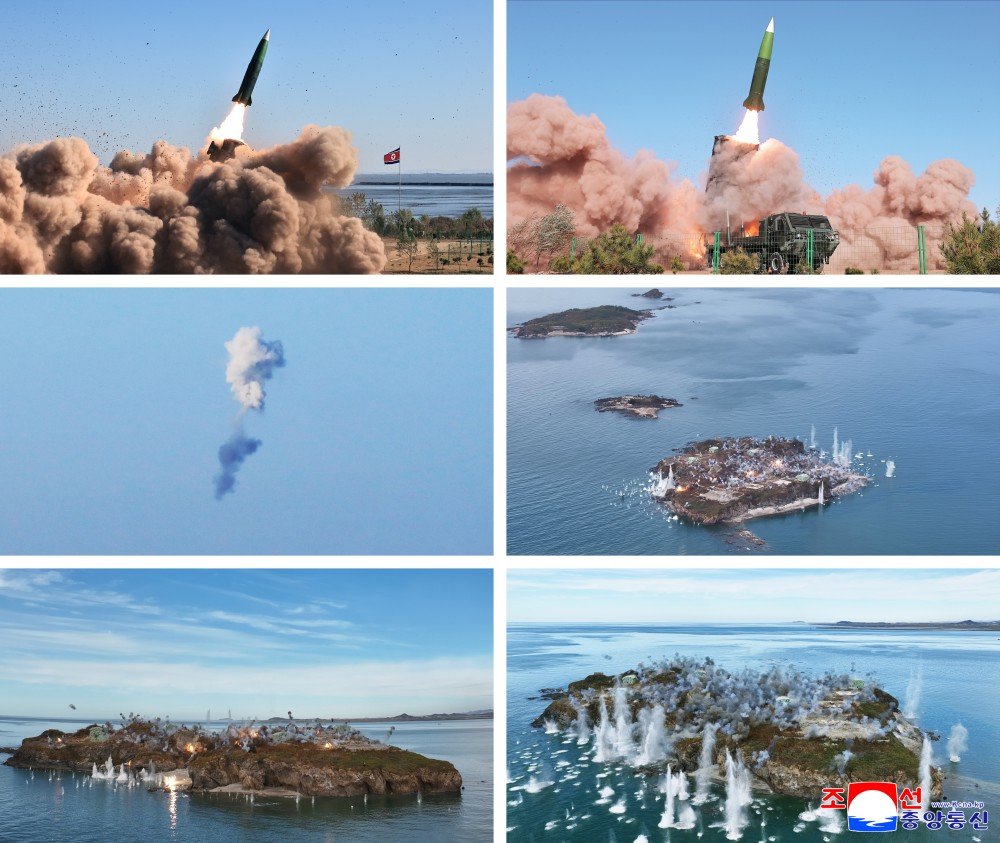
Also on Saturday, October 31, tests were conducted on another cluster warhead for ballistic missiles, likely the KN-23 and KN-30. It is claimed that this warhead can strike an area of 12–13 hectares, which is twice as large as the area covered by a cruise missile.
From Defense Express we would like to note that although North Korea has not officially disclosed the designation of its strategic cruise missile, it has already developed an entire family of such weapons, including the Hwasal-1, Hwasal-2, and Pulhwasal-3-31. They all have a similar appearance, but the first two are land-based, while the third is designed for launch from submarines. Their range is 1,500–2,000 km.
In general, cluster munitions are designed to cover a wide area, allowing them to engage personnel, military equipment, and infrastructure over a broad area. This is likely why the term "vertical strike" is used in this context, as it may allow the warhead to cover a larger area.
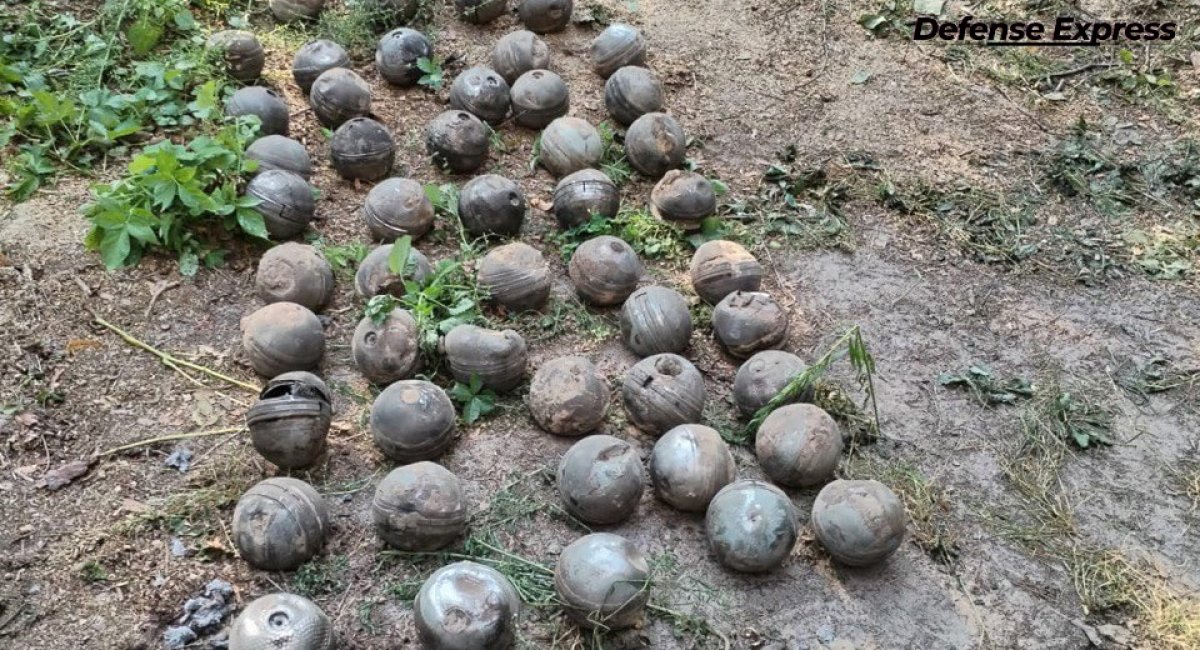
russia is actively using this type of warhead against Ukraine, deploying it not only on Iskander-M ballistic missiles but also on Kh-101 cruise missiles. This raises an interesting question: what exactly might the russian federation have provided to help North Korea develop and integrate similar systems?
Whether North Korea will transfer these weapons to russia remains an open question, particularly given that it is not yet known whether its cluster munitions have entered mass production. It is also worth noting that, despite rumors, North Korea has not transferred cruise missiles to russia.
Read more: russia Is Secretly Developing Rassvet-4 Satellite to Replace Rassvet-3 as Its Starlink Rival