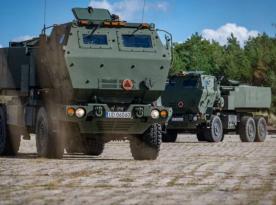
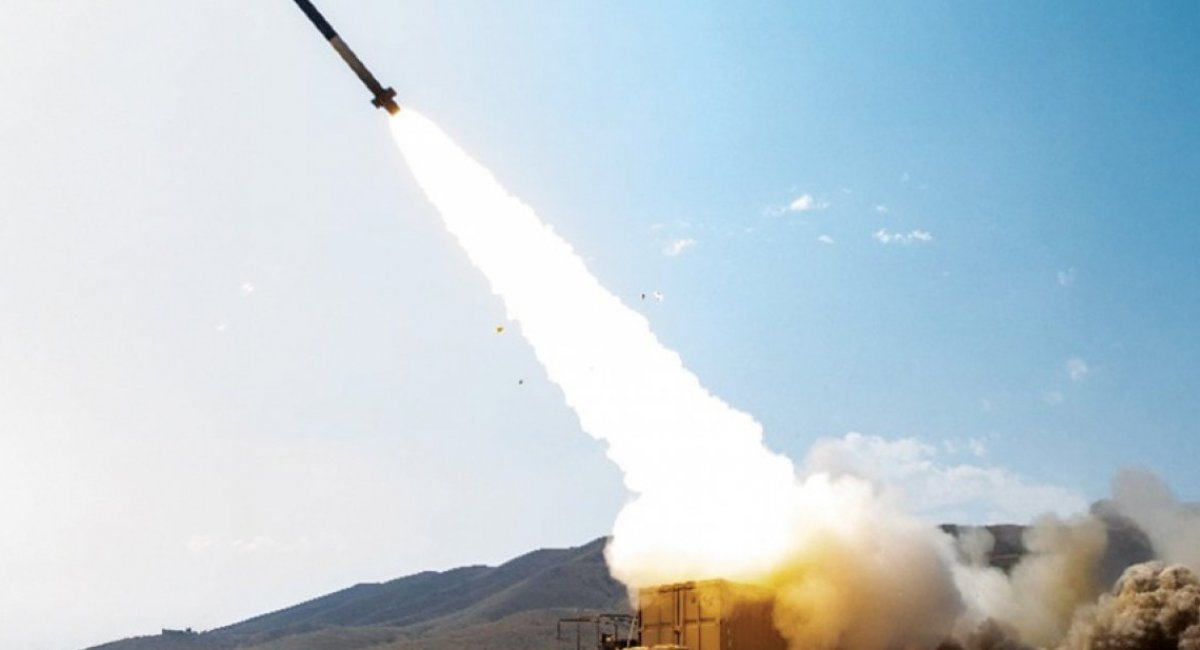
American Lockheed Martin first fired from its Kodiak container launcher. Training Reduced-Range Practice Rockets (RRPR) were used, which are used for training firing from M142 HIMARS and M270A2 MLRS.
Company says this demonstrates capabilities of their new development, which is generally designed for launching GMLRS precision rockets. It is noted each container holds up to 12 such munitions.
Read more: Ukraine Strikes russia's Major NOVATEK-Ust-Luga Complex, Two Processing Units Hit
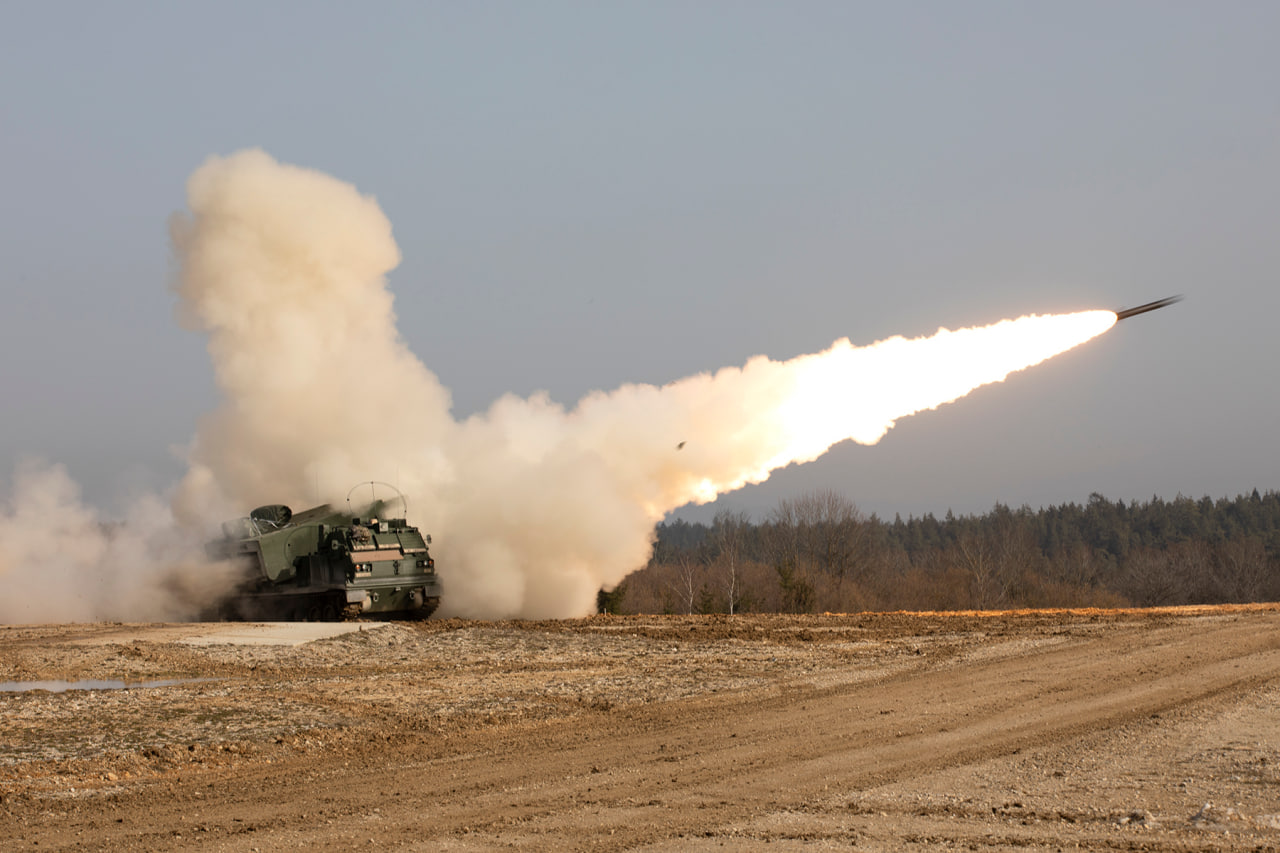
Also Lockheed Martin mentioned that half year ago they fired from another their development in this direction — GRIZZLY, using AGM-114 Hellfire missiles. It is noted container launchers will help increase weapons employment flexibility, while both systems offer offensive and defensive capabilities.
Defense Express notes main difference between GRIZZLY and Kodiak lies in dimensions and tasks. First is based on 10-foot (approximately 2.99 m length) container and designed for defense, while second was created on 20-foot container (approximately 6.1 m length) for offensive weapons.
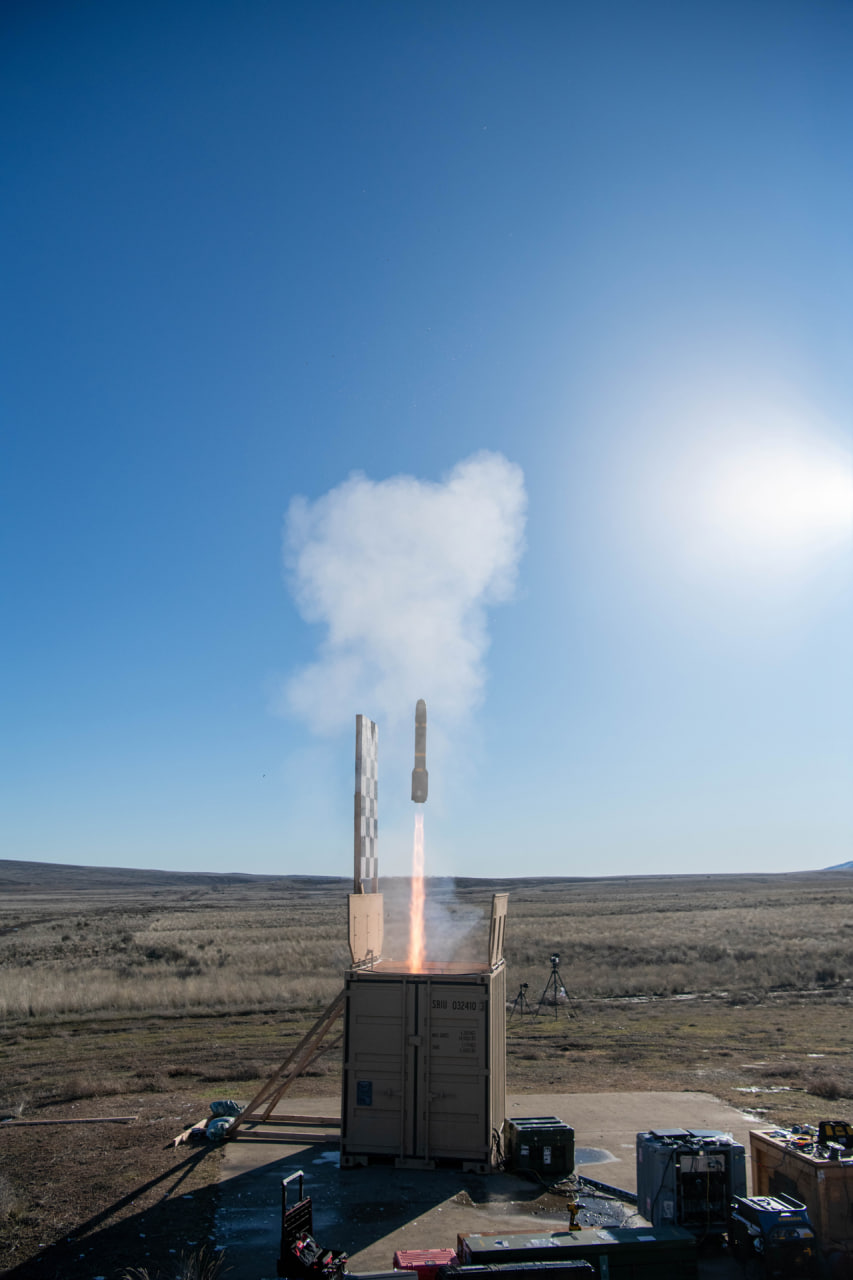
Since training RRPR with 227mm caliber was used from Kodiak, most likely this is possible with GMLRS as well, which has identical dimensions. Most likely base launch block in container is created analogous to M270A2 and GMARS, which also hold 12 rockets each.
Now worth examining why this is needed if HIMARS exists, which proved itself very well in Ukraine, and other mobile launchers. First, containerized system enables installation on greater number of platforms. Primarily here one can recall ships and vessels, from which test firings with M142 were previously already conducted.
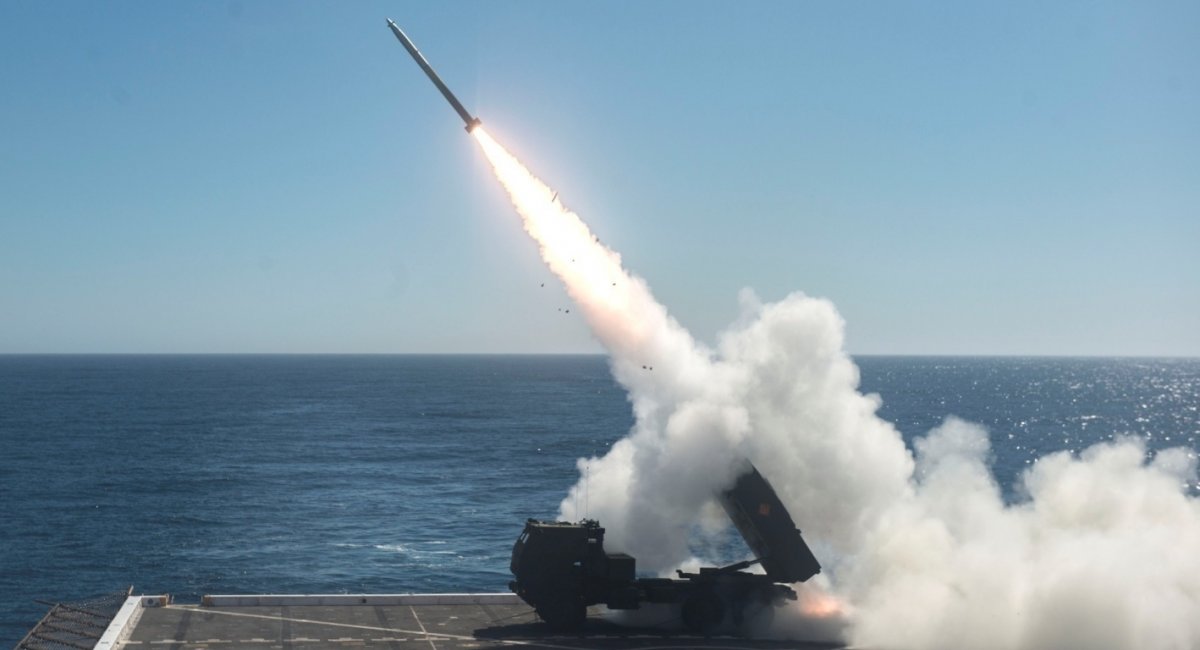
Also potentially standardized container can be placed on any ground platform like truck, armored vehicle and so on. Thus dependence on specific vehicle decreases, and if vehicle is damaged, expensive module can simply be moved to another transport.
One can also mention concealment question, as precision MLRS is quite priority target, and rashists at one time did not spare even Iskander-M ballistic missiles on HIMARS. However good concealment does not guarantee safety from engagement, especially if adversary actively strikes logistics and rear.
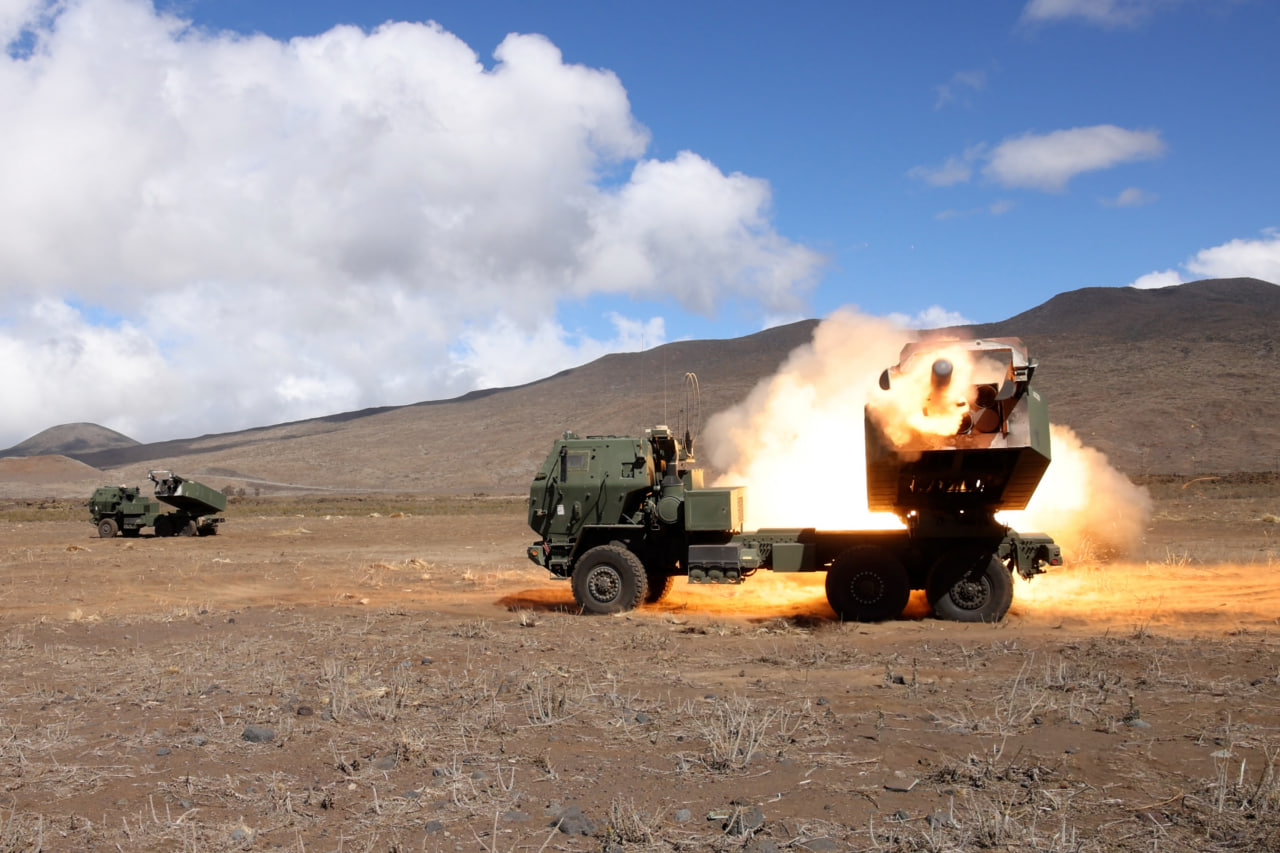
On other hand, on M142 HIMARS and other specialized launchers, reloading is usually conducted quite quickly and simply thanks to simple block replacement using built-in equipment. Whereas with container this process will be slower and may possibly require additional equipment, at least looking at currently available system information.
Overall containerized modular launchers are being developed by other companies too. Rheinmetall recently presented its 20-foot analog under quite simple Containerized Missile Launcher (CML) name. However there it is initially shown as platform for FV-014 strike UAV, although compatibility with other weapons and missiles is promised.
Read more: Pays $211M for New THAAD Launchers After Losing Battery in Iran War, Earlier Approved for $4.5B Radar and Support Package to Replace Combat Losses