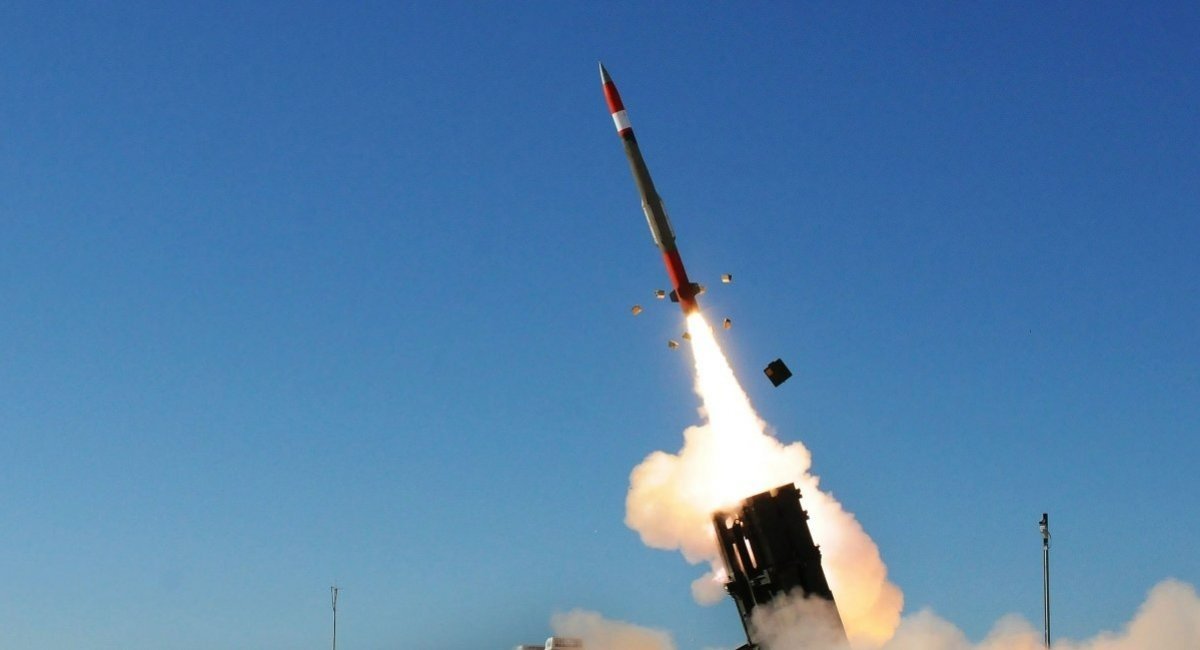
Watching U.S. forces fire dozens of PAC-3 interceptors to repel Iranian ballistic missile attacks in a matter of minutes raises a critical question: how many of these missiles might the U.S. have left?
In fact, the U.S. stockpiles of PAC-3 interceptors are far from unlimited. According to the Center for Strategic and International Studies (CSIS), as of July 27, the U.S. had approximately 759 to 827 PAC-3 interceptor missiles (both the older CRI and newer MSE models) in stock, which is not very many.
Read more: Volodymyr Zelenskyy Says Ukraine Needs 100-120 Ballistic Missile Interceptors Every Month for Winter
Since then, the U.S. military has repelled three massive Iranian ballistic attacks. Therefore, these estimates are outdated and no longer reflect the actual situation. To estimate how many PAC-3 interceptors actually remain in the U.S. stockpile, we can use these figures as a starting point.
So, since July 27, the U.S. military has repelled three massive Iranian ballistic missile attacks on its bases in the region. The attacks took place on July 28, August 31, and September 9, each time targeting the same airbase—Muwaffaq Salti in Jordan. Despite the defensive measures in place, the base still suffered significant losses of military equipment.
According to available data, the number of PAC-3 interceptors used in each of these three instances was as follows:
- On July 28, approximately 10 missiles were used to intercept a wave of 5–6 ballistic missiles
- On August 31, approximately 96 to 128 missiles were used to intercept a wave of 32 ballistic missiles
- On September 9, about 60 missiles were used to intercept a wave of 20 ballistic missiles
In other words, over the past 47 days, the U.S. has used approximately 166 to 198 PAC-3 missiles, which represents 20–26% of its stockpile as of July 27. It is also worth noting that, on average, two to four interceptors are used to bring down a single ballistic missile—a true luxury for Ukraine, which typically has to rely on just one interceptor per target.
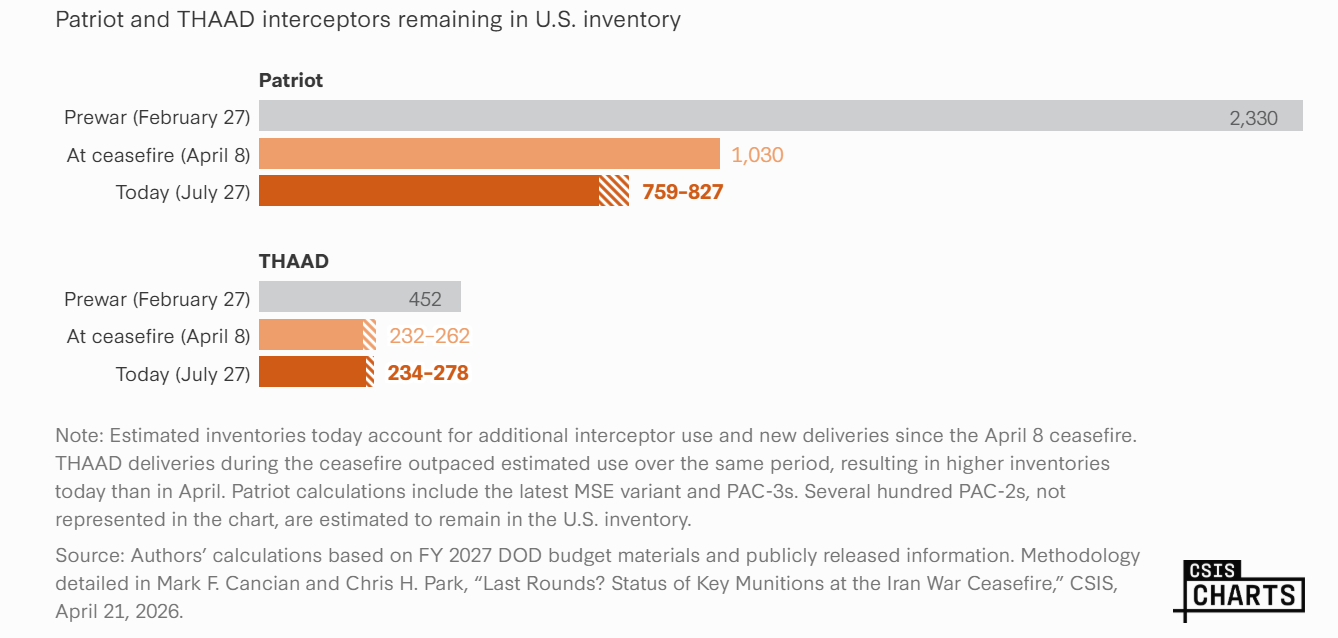
Therefore, the stockpile of 759–827 PAC-3 missiles as of July 27 would have decreased to approximately 561–661 units. However, it is important to remember that production has continued during this period, and this must also be taken into account for a more accurate estimate.
Although the current production rate is unknown, Lockheed Martin, the manufacturer, planned to produce 650 PAC-3 MSE interceptors in 2026. This means that, based on a 47-day production cycle, a total of 84 interceptors would be produced, although it is unclear how many would go to foreign customers and how many would be added to U.S. stockpiles.
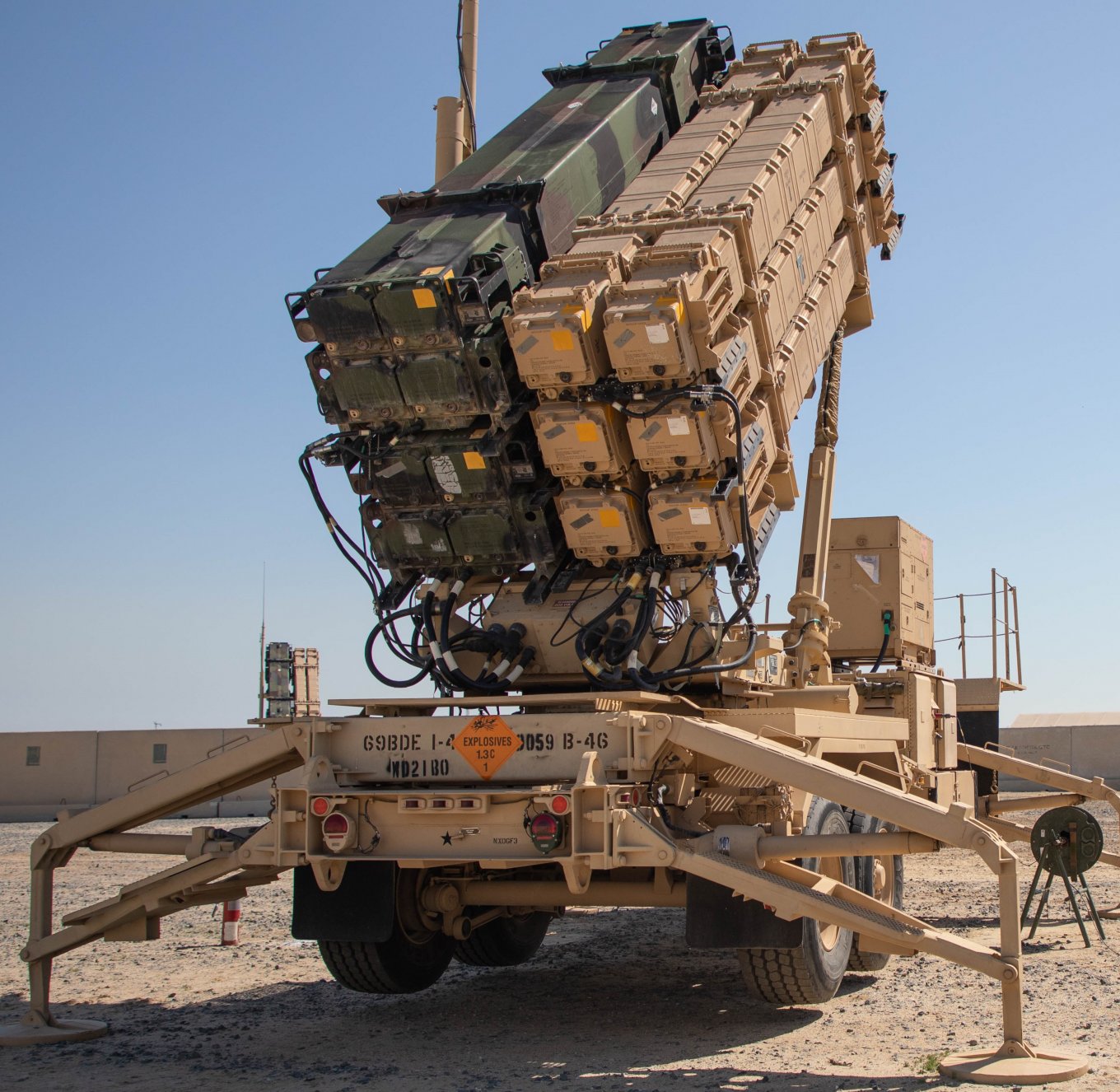
Therefore, it would be more accurate to estimate that U.S. stockpiles currently contain no more than approximately 645–745 PAC-3 interceptors, including both CRI and MSE variants. This is particularly important for Ukraine because, although the U.S. has indicated that it will transfer a certain number of PAC-3 interceptors to Ukraine before winter, the limited size of its stockpiles raises a crucial question: how many can Washington actually provide?
Read more: Ukrainian Drone Strikes russian Shadow Fleet Tanker Right Under Helicopter's Nose (Video)