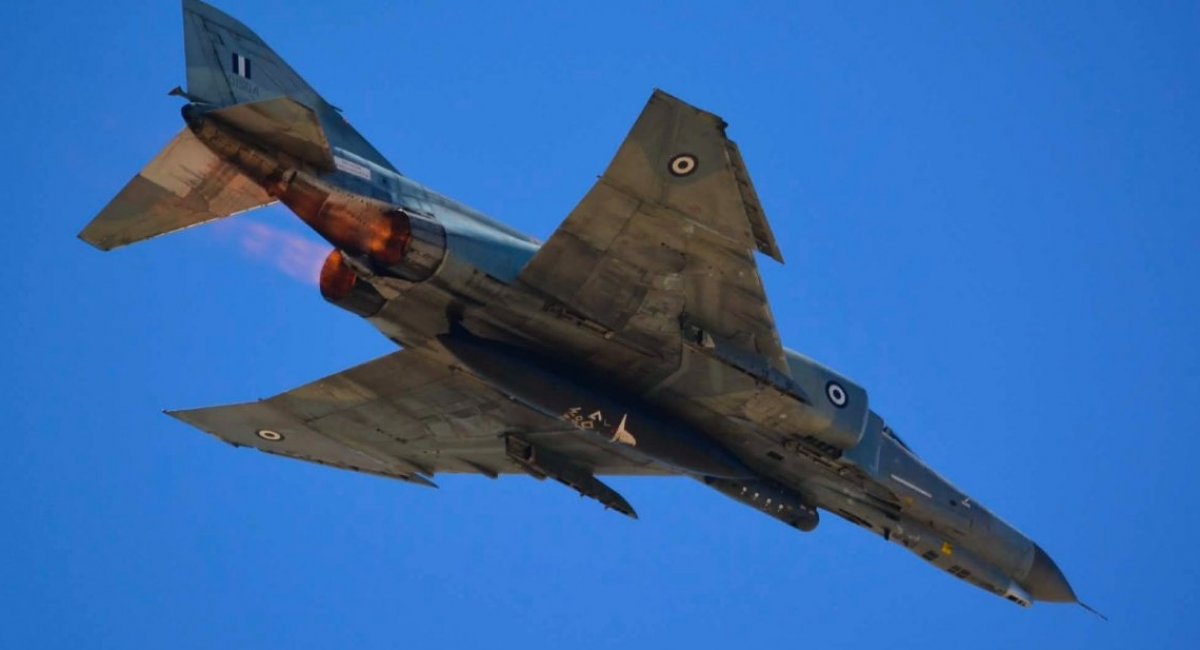
During Athens Flying Week airshow held September 5 at Greek Air Force's Tanagra airbase, F-4E Phantom II fighter-bomber from 339 Squadron crashed before hundreds of spectators.
In the crash, which occurred several minutes after takeoff, two pilots who could not use ejection seats were killed, two more local residents were injured.
Read more: India Gets Licensed Production of Ukraine-Proven 70mm Thales Rockets, Not Just for Domestic Needs but as Strategic Export Hub, With First Assembly by Early 2027
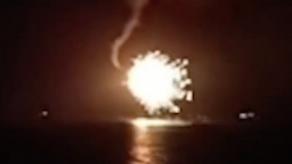
On numerous videos captured is how F-4 takes off for last time and after series of passes and maneuvers during banking touches ground, breaks apart and disappears in fireball.
Crash causes will still be determined, but question may immediately arise why Greece still operates F-4 Phantom, aircraft that fought during Vietnam War. Crashed Greek F-4 was 52 years old — this fighter-bomber with number 01504 was manufactured back in 1974.
These aircraft were purchased back in 1972, when first batch of 36 aircraft was ordered, first of which received in 1974. Subsequently Athens ordered second batch of 24 in 1977. In 1990 received 28 used from U.S. National Guard air forces, and in 1993 — 29 used aircraft from Germany.
Over entire operation period, including latest crash, Greek Air Force lost 33 aircraft, but majority were decommissioned due to technical condition. As of early 2026, F-4 quantity in Greek Air Force was estimated at 32 machines, of which most likely not all were in flyable condition.
Maintaining even such quantity required significant efforts. In 1997, German DASA (now part of Airbus) together with Greek companies within Peace Icarus 2000 program conducted deep modernization of 38 F-4Es, which also began being designated F-4E Phantom AUP.
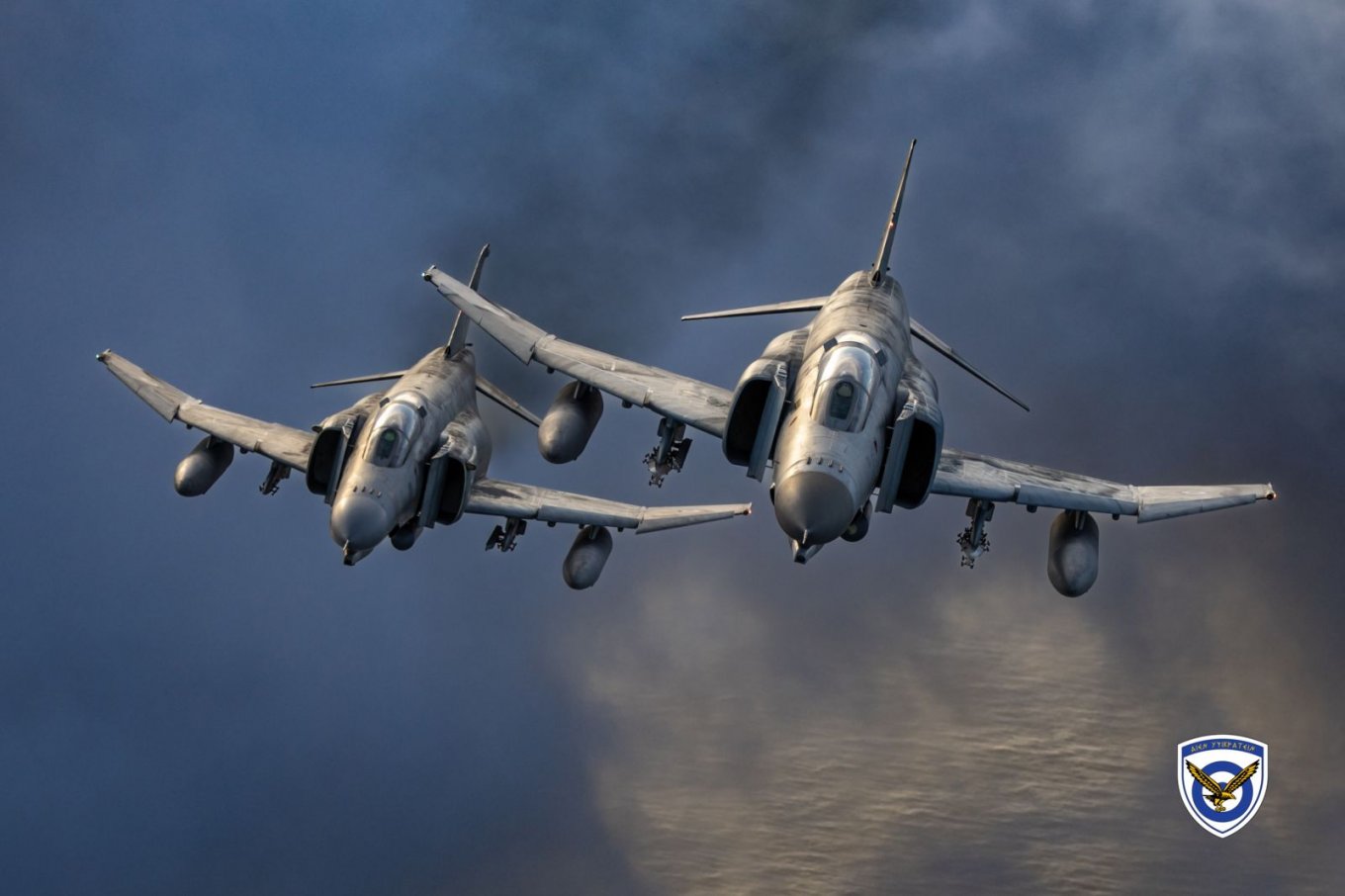
It provided for integrating new APG-65 radar (same as on F/A-18 Hornet), Litening targeting pods, onboard computer, multifunctional displays, as well as precision bombs and AIM-9M, AIM-120 air-to-air missiles. Meaning despite F-4 being third-generation representative, it received some 4+ generation fighter capabilities.
Ultimately combination of tense Turkey relations and financial crises forced Athens to keep these aircraft in service. At same time Greek Air Force is genuine zoo of over 230 fighters, of which over 150 are F-16 in various versions (Block 30, 52 and 72), 24 Mirage 2000-5 Mk2, as well as 24 Rafale F3.
Specific F-4E Phantom II operation end timelines are evidently tied to receiving F-35s, ordered in 2024 at quantity of 20 units. First of which will formally strengthen Greek Air Force in 2027 but remain in U.S. for training, while first F-35s will arrive to Greece only in 2028.
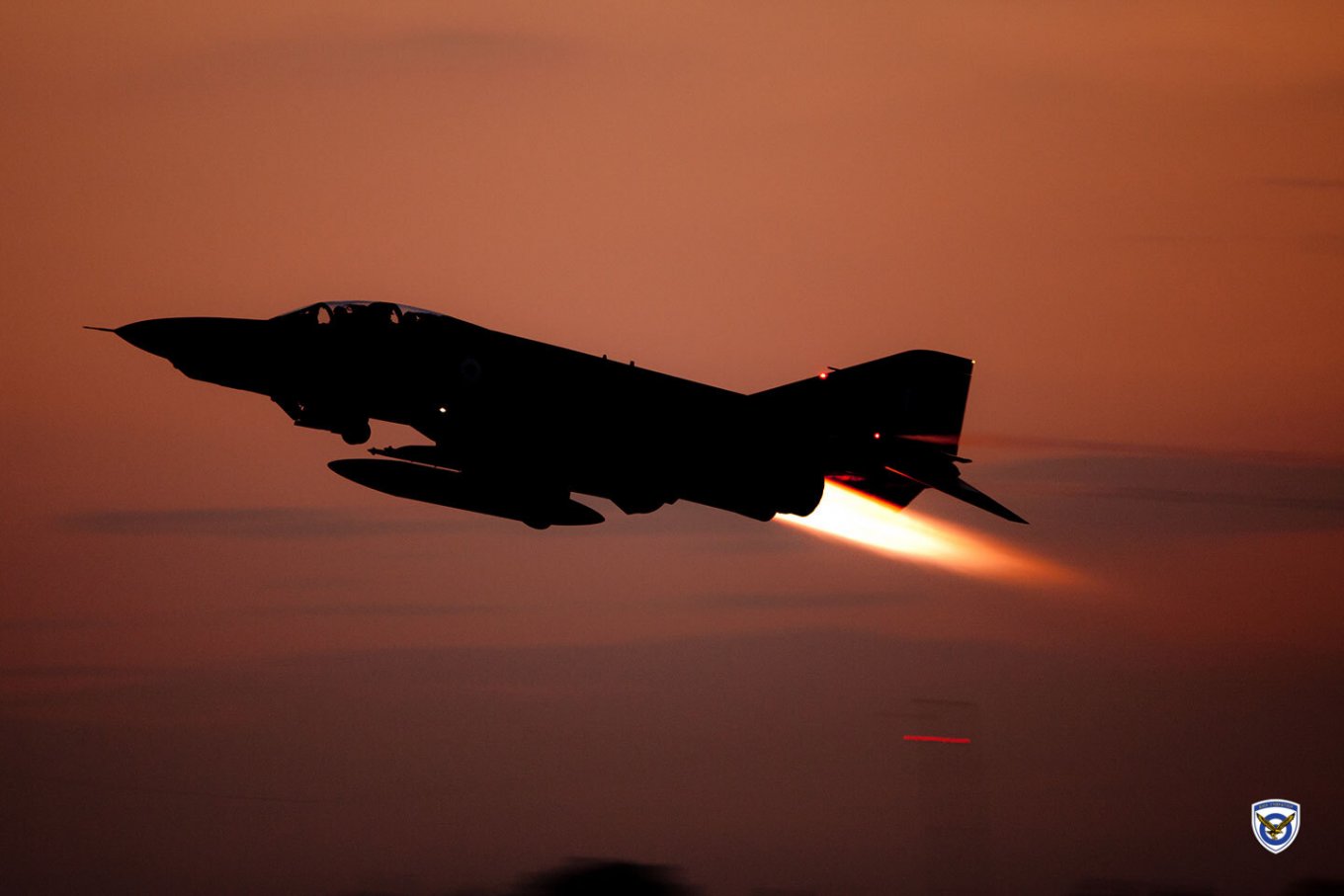
They will be based at Andravida airbase, where specifically 339 Squadron is based. Thus most likely, due to already near F-4E Phantom II decommissioning, Greek Air Force will not additionally accelerate this process.
Ultimately Turkiye also does not yet retire its F-4s from service, while another country operating these aircraft is iran. Until 2024 South Korea also operated F-4, where these third-generation machines were in same service alongside fifth-generation F-35 fighters.
Read more: Ukrainian LASAR Drones Destroy russian Zhitel Electronic Warfare System 55 km Behind Front Line (Video)