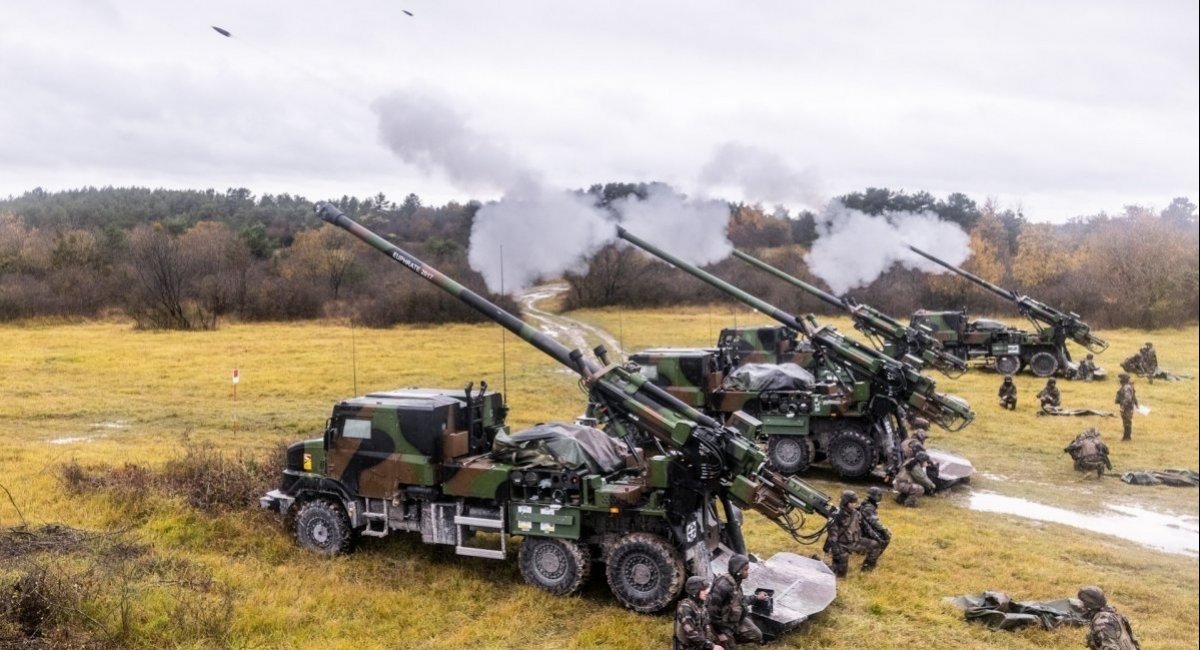
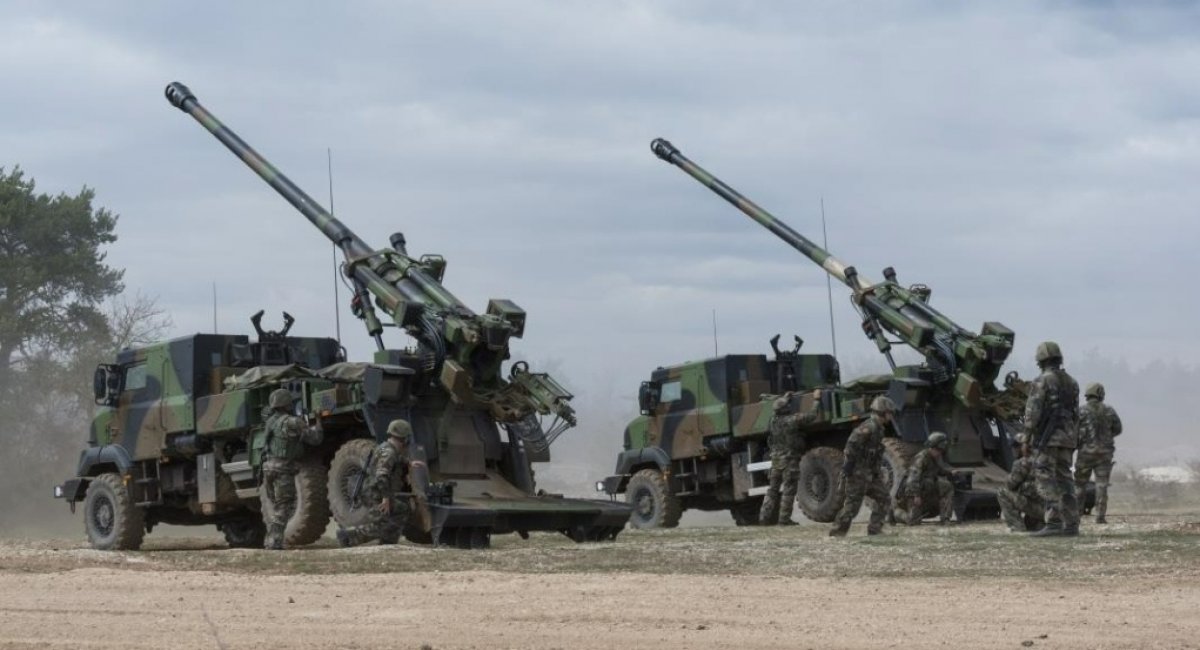
The French Army currently operates six artillery regiments; each typically fields 16 wheeled CAESAR self-propelled guns as well as eight MEPAC 120mm self-propelled mortars (mounted on Griffon armored vehicle chassis). In turn, each artillery regiment is divided into two batteries, with each battery consisting of two sections of four wheeled howitzers.
The command of one artillery regiment undertook an interesting experiment regarding the composition of its CAESAR batteries: without changing the total number of artillery systems, they split them into a larger number of "sections" (sub-units) to reduce their vulnerability to russian drones.
Read more: France Sells Egypt Meteor Missiles Ukraine Needs for Gripen, Despite Having Only One Day's Stock
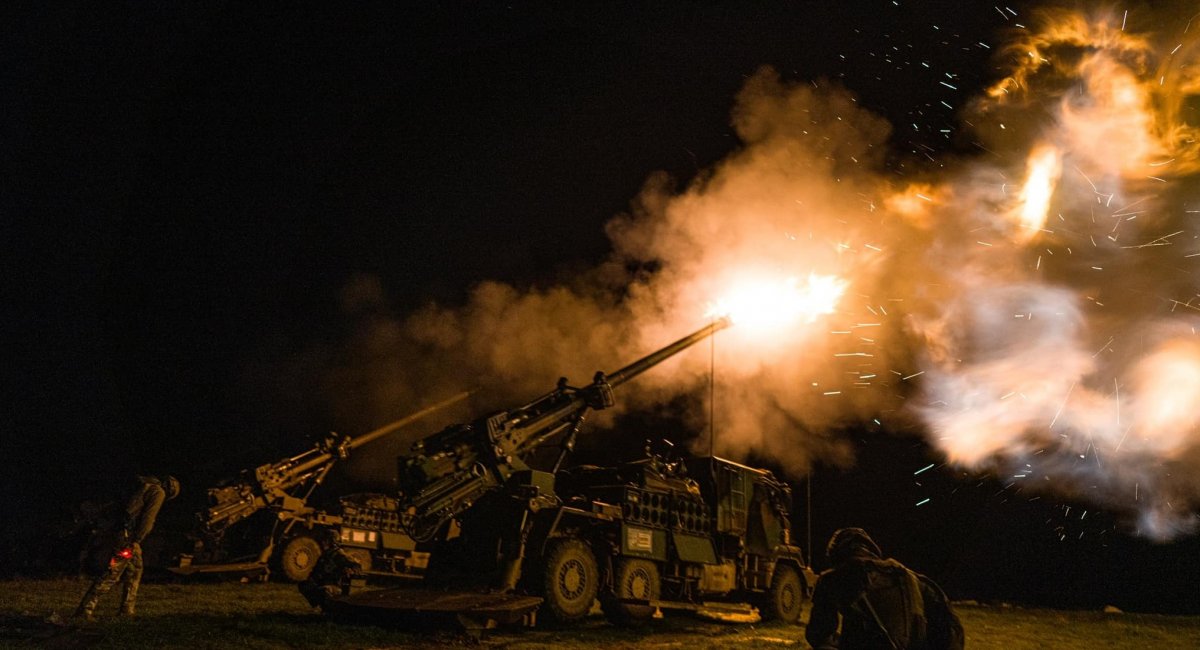
As reported by Defense News, the command of the French Army’s 68th African Artillery Regiment initiated this experiment. They decided to divide batteries of eight CAESAR howitzers into three "sections" (the composition of these sections is likely three, three, and two howitzers, respectively). In addition to "redistributing" firepower, the capabilities of units responsible for artillery reconnaissance and position concealment have been enhanced.
The French themselves describe these measures as incorporating lessons from the russsa-Ukraine War. This aligns perfectly with the earlier example where the French military reasoned that a platoon equipped with two Leclerc tanks—rather than four—would present a harder target for russian drones to hit.
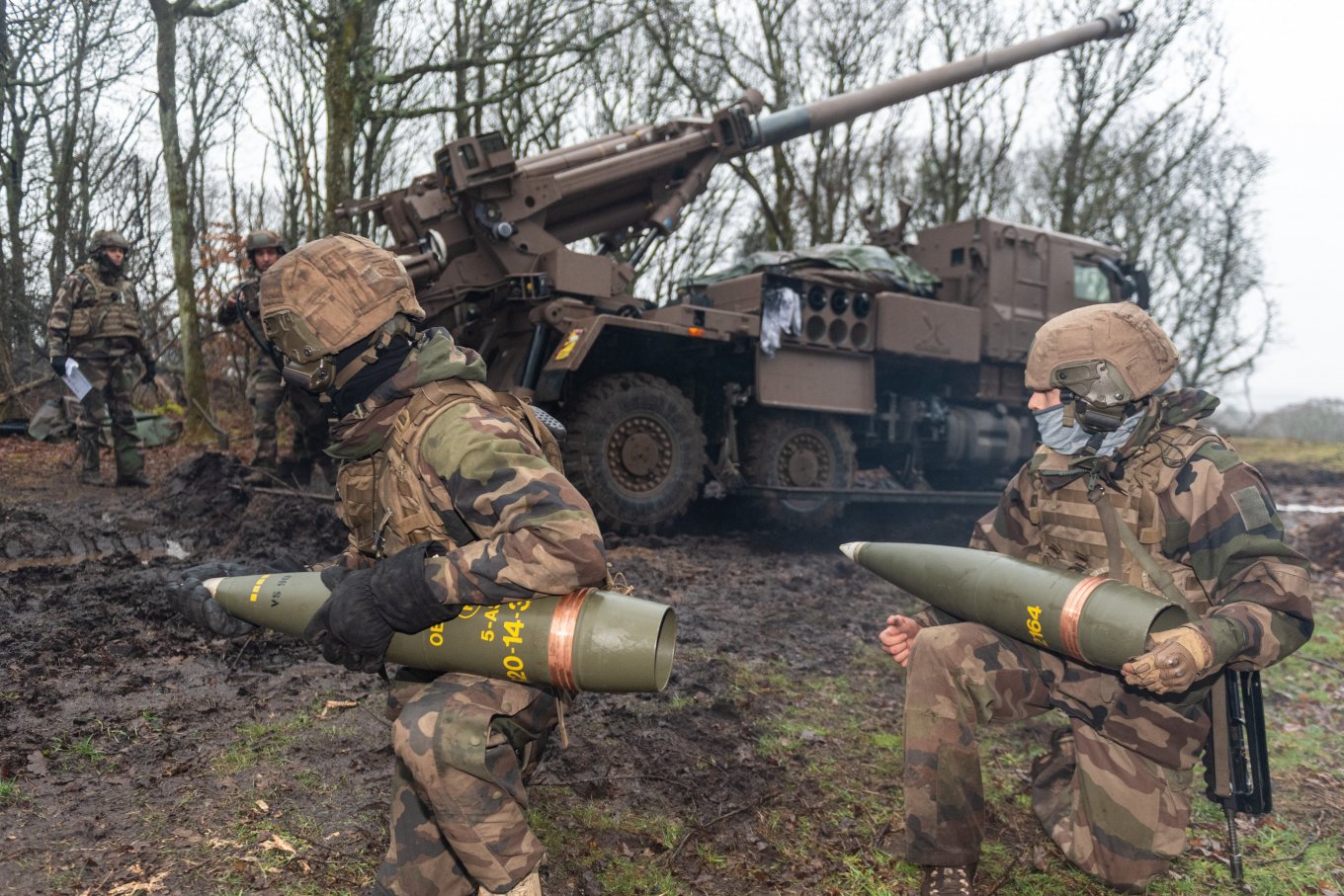
However, when it comes to specifically adopting the experience of the Armed Forces of Ukraine, we see a completely different approach: the use of individual artillery units that are either dug into hardened emplacements (in the case of towed artillery) or operate using "shoot-and-scoot" tactics (in the case of self-propelled guns).
The French military is not yet replicating this literally; judging by the Defense News report, the very idea of burying artillery in protective emplacements is something of a novelty to them.
The explanation may lie in the fact that, beyond technological capabilities, the French military (like those of other nations) requires time for psychological adaptation to break the habit of fighting "the old way."
Read more: France Tests Tethered Balloon to Protect Nuclear Rafale Airbase From Drone Strikes