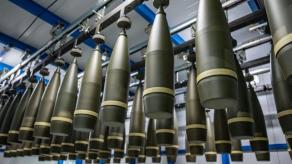
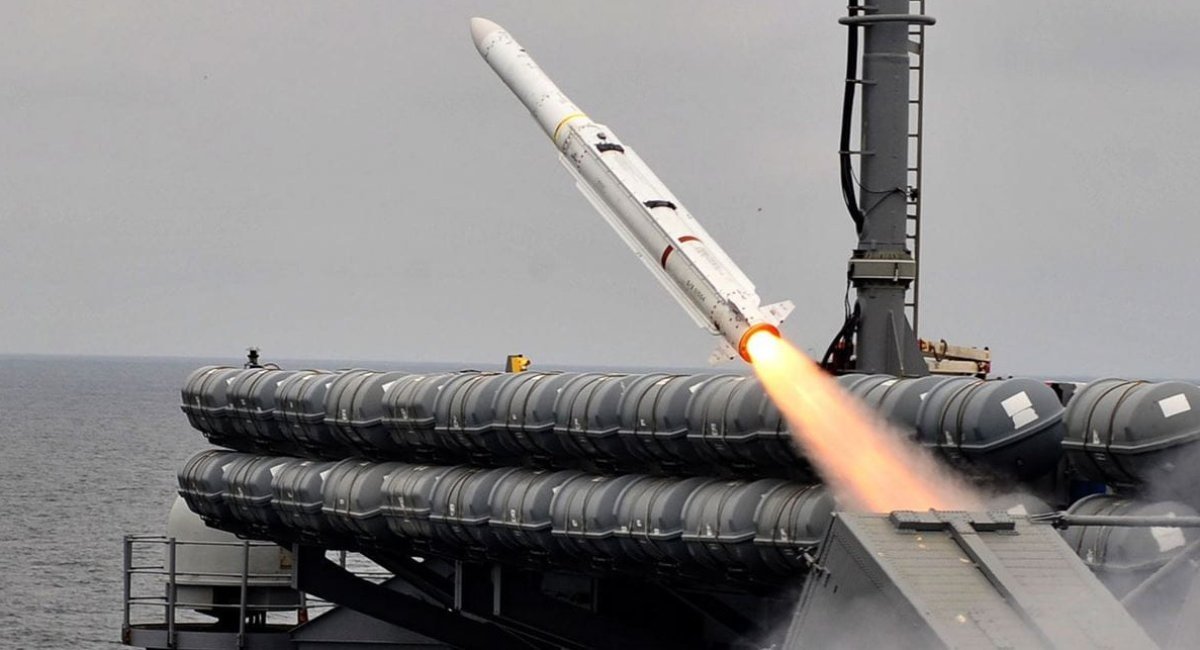
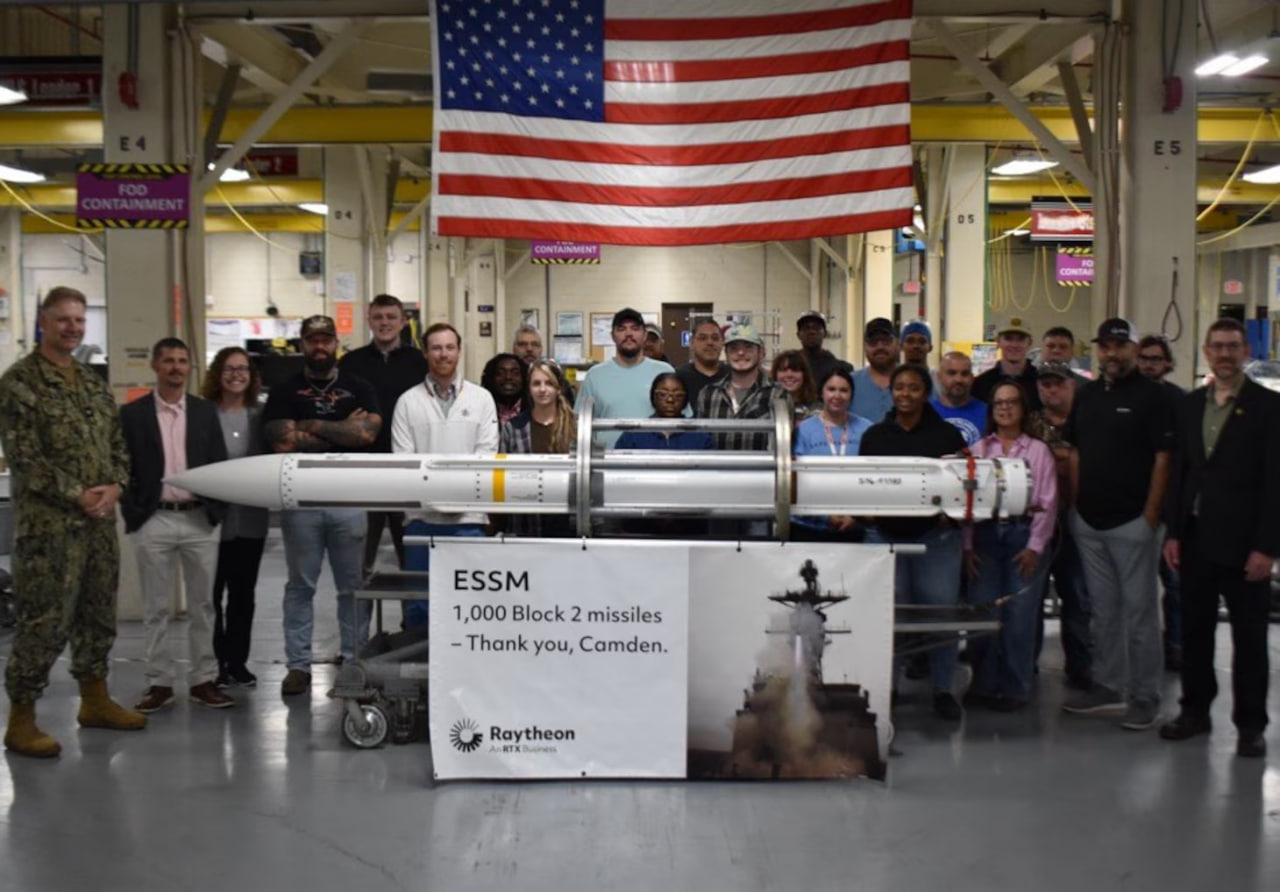
The NATO SEASPARROW Consortium has produced and delivered 1,000 Evolved Sea Sparrow Missile (ESSM) Block 2 interceptors to its member nations. It should be noted that this actually represents a fairly significant increase in production.
According to a U.S. Navy press release, the 500th missile was delivered in June 2025. In other words, the number of missiles produced has doubled in about a year. The release highlights how this achievement demonstrates the resilience of the industrial base and the strength of international cooperation.
Read more: Greece Signs Firm Contract for Three KC-390 Millenium With Option for Three More, Sixth NATO Operator of Embraer’s Bestseller
From Defense Express we would like to note that such a significant increase in production is truly impressive. At the same time, this is hardly surprising, as the ESSM Block 2 entered limited-rate production around 2020, while the contract for full-rate production was not signed until September 2021.
In other words, the number of missiles produced has doubled as the U.S. and its partners ramp up production of the new interceptor. Open-source information suggests that the program aims to achieve an annual production rate of more than 700 missiles.
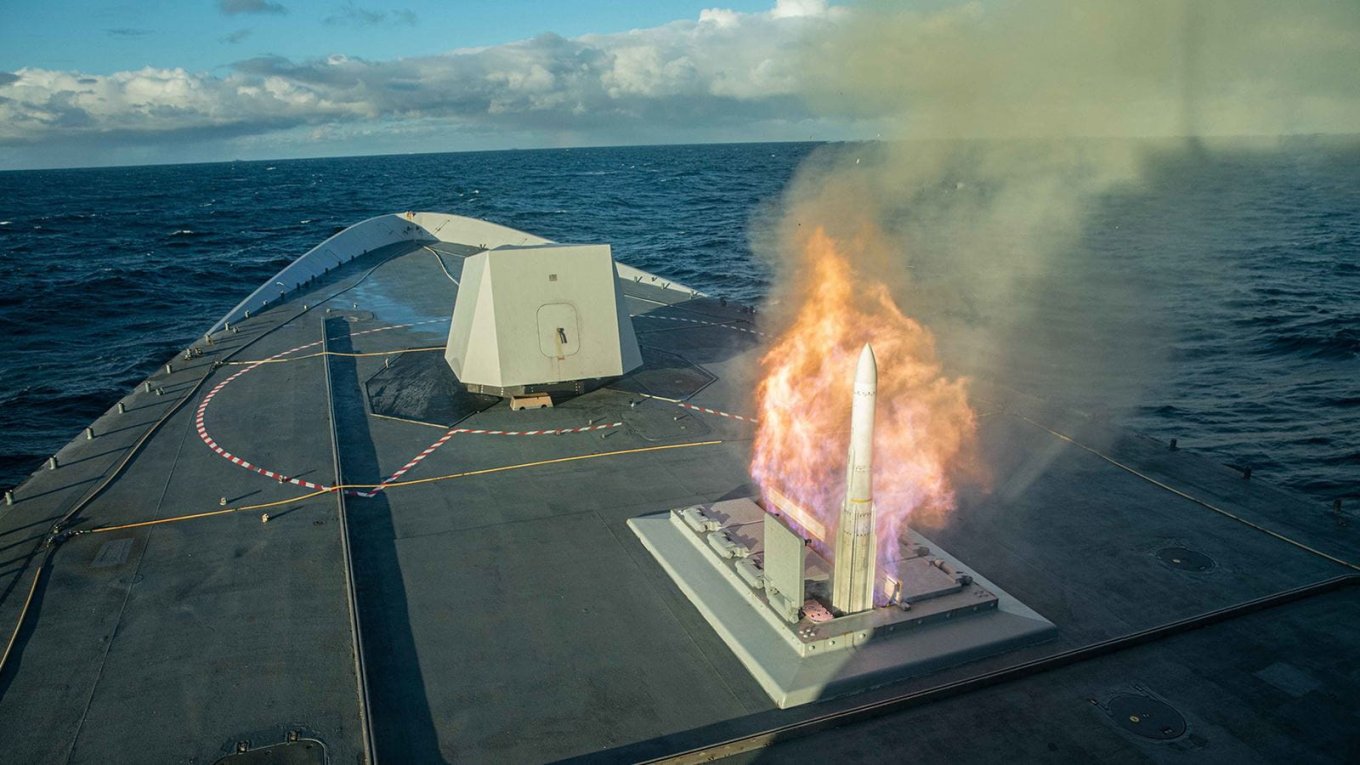
First and foremost, the primary purpose of the ESSM is to protect the ship from various threats. In other words, these systems are intended to serve as a means of countering various drones. This means that sufficient numbers of these munitions must be produced to support ongoing military operations.
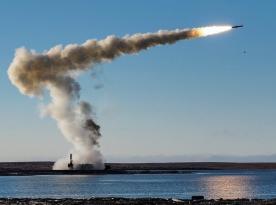
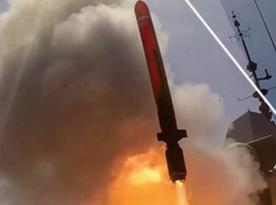
The RIM-162 ESSM Block 2 is 3.66 m long, has a diameter of 254 mm, and weighs 280 kg. It is equipped with a 39-kg high-explosive fragmentation warhead. It has an approximate range of 50 km and uses a combination of radio-command guidance and a hybrid semi-active/active radar seeker. The missile can be launched from Mk41, Mk48, Mk57, and Mk56 vertical launcher systems, as well as the Mk29 box launcher.
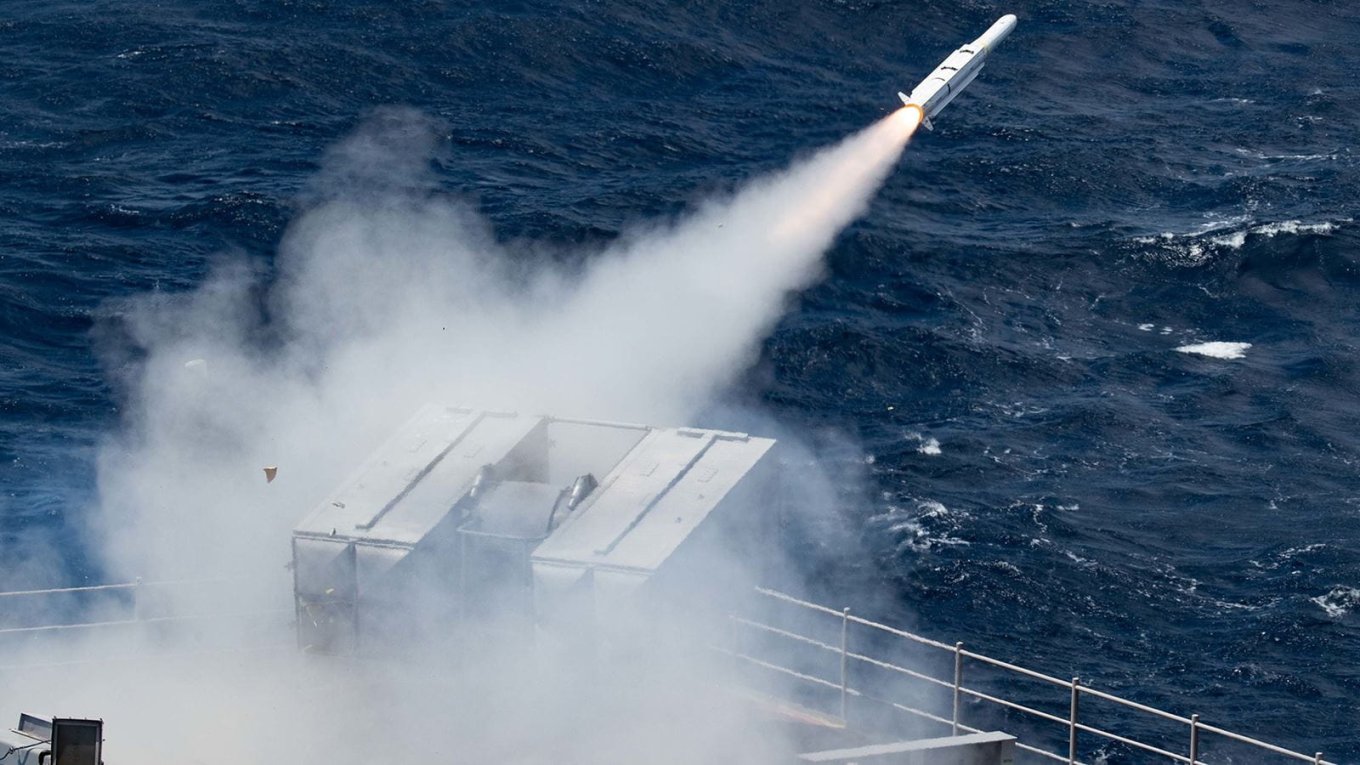
the SEASPARROW project was established back in 1968 for the RIM-7 Sea Sparrow missiles, which are currently used on the FrankenSAM system by the Armed Forces of Ukraine. It includes 13 countries: Australia, Belgium, Canada, Denmark, Germany, Greece, the Netherlands, Norway, Portugal, Spain, Turkiye, and the U.S.
It is worth noting that other operators include Thailand, Finland, Chile, Japan, and the UAE. This includes both the modern Block 2 and the older Block 1, which features a semi-active radar homing. Development of a successor to the missile is also underway, as we discussed in an earlier article.
Read more: AIM-120 AMRAAM Missiles Needed by Ukraine for F-16s and NASAMS to Be Assembled in Japan: How Is This Similar to PAC-3 MSE?