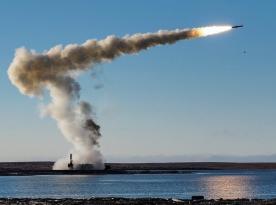
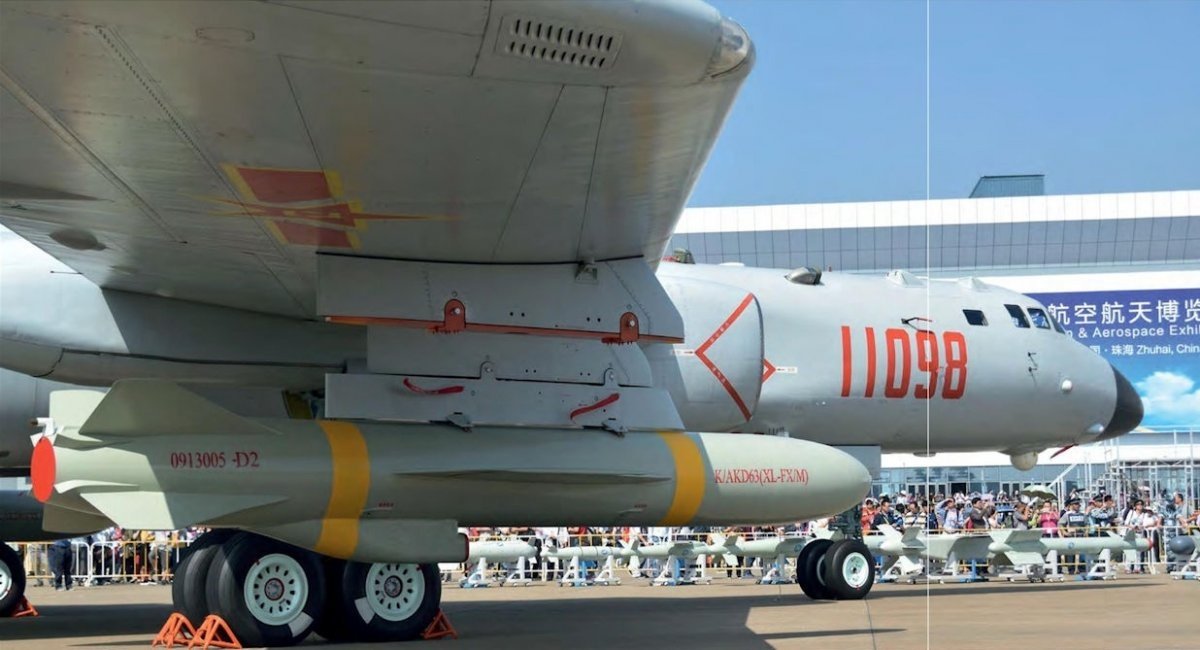
Chinese state television has aired footage suggesting that the People's Liberation Army Air Force (PLAAF) has received a new variant of the KD-63 anti-ship missile (also designated the YJ-16) for its H-6 heavy bombers, China's version of the Soviet Tu-16.
The remarkable thing is that the KD-63 is, in fact, a clone of the Soviet P-15 Termit anti-ship missile, which was developed back in the 1960s. This illustrates how outdated some of the weapons China is still using remain.
Read more: Why Turkish Akinci Drones Are Easily Crushing Chinese CH-95s in Sudan
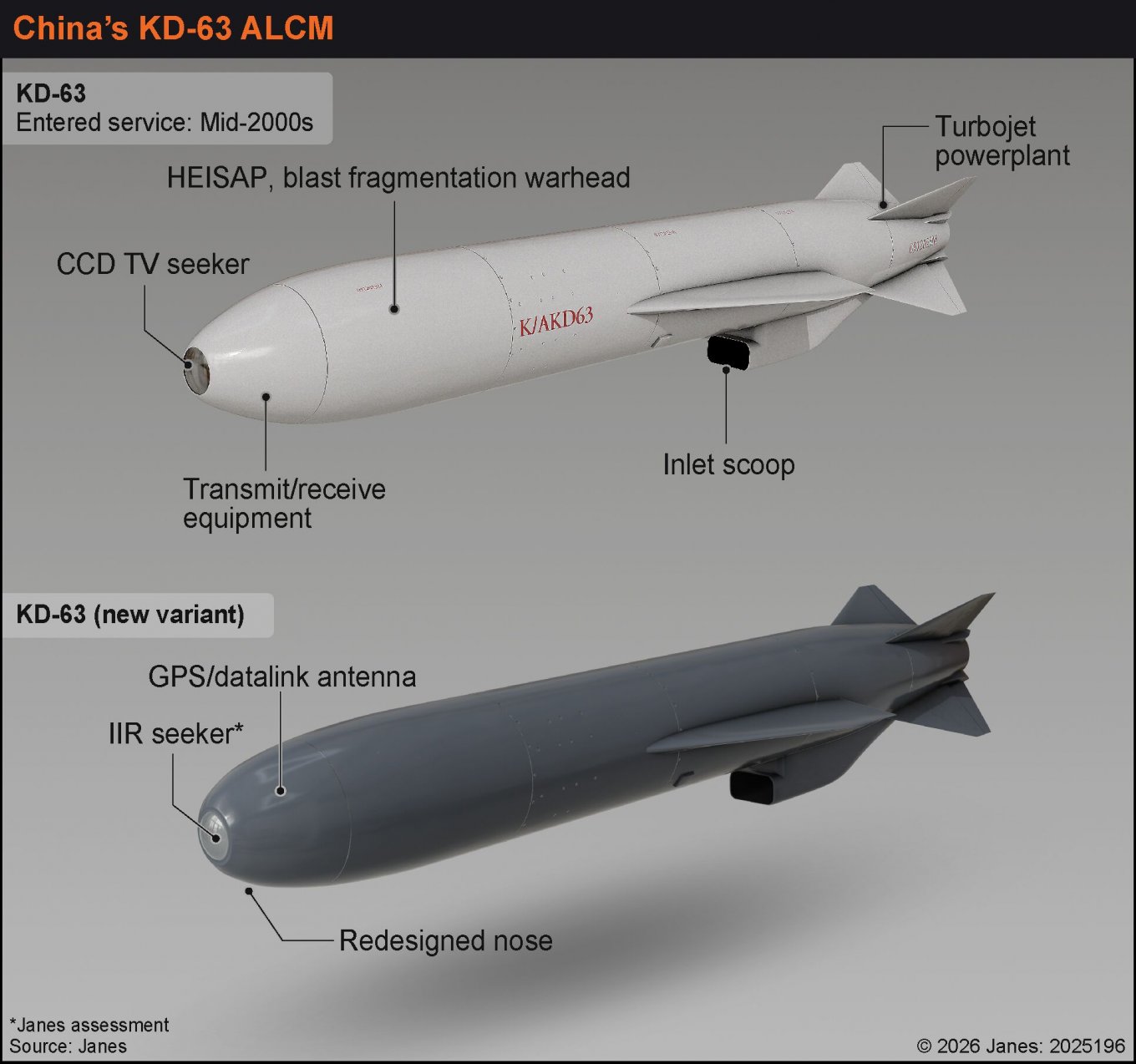
According to Janes, the new variant of the Chinese KD-63 anti-ship missile may feature a redesigned nose section and an improved guidance system that integrates an imaging infrared seeker and a data-receiving antenna.
It is currently unknown whether the warhead's weight, the nature of its payload, or its range have changed as a result. In its basic configuration, the Chinese KD-63 has a 500-kilogram warhead and a firing range of up to 200 kilometers. It was adopted in 2004.
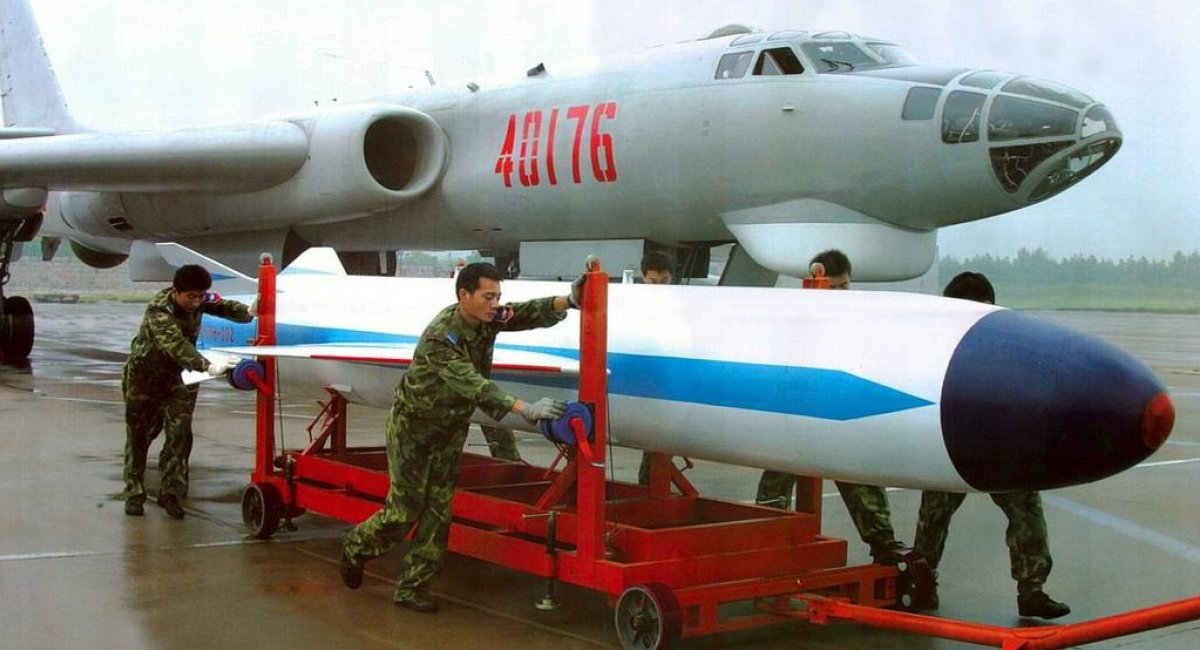
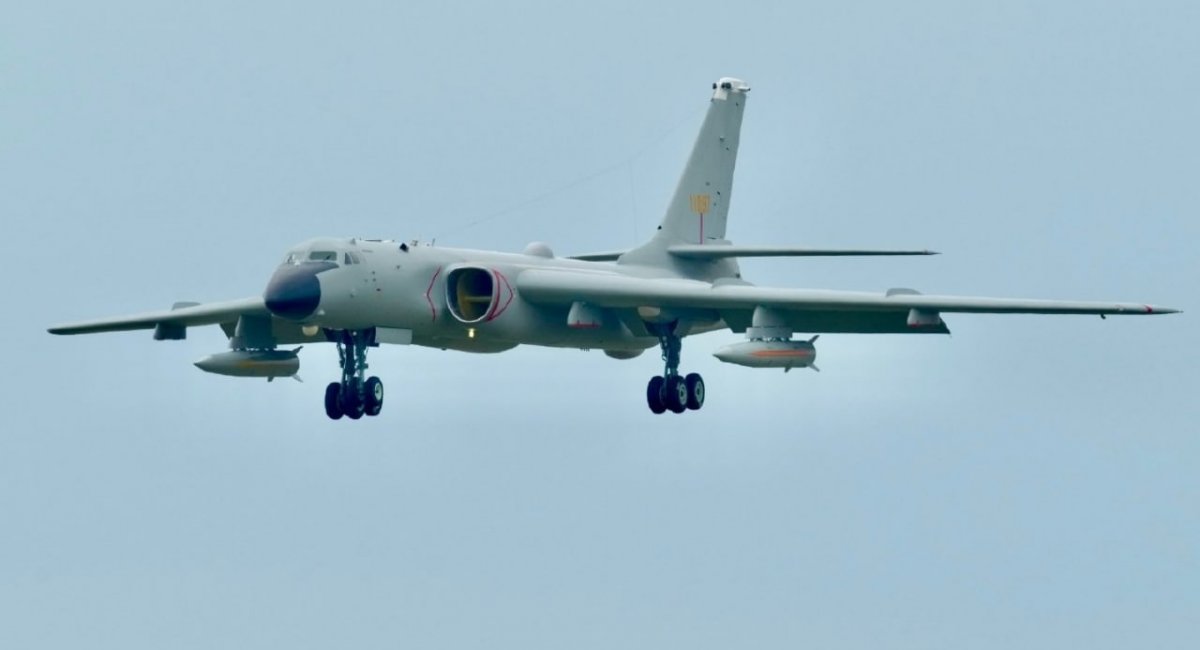
The Chinese military demonstrated the use of the new KD-63 variant during exercises involving H-6 bombers designed to establish an Anti-Access/Area Denial (A2/AD) zone.
As part of these exercises, China demonstrated not only the use of its own clone of the Soviet P-15 Termit, but also a missile designated the KD-21, also known as the 2PZD-21. The latter is considered a Chinese clone of the russian Kh-47M2 Kinzhal and does not require a dedicated launch vehicle.
Earlier Defense Express reported that China is building a 205-meter-long mothership for underwater drones, and also covered a Pentagon analysis of the lessons China has learned from russia's mistakes in the war.
Read more: russia Turns to World War I-Era Barrage Balloons to Protect Its Oil Refineries From Ukrainian Drones: Can They Actually Work?