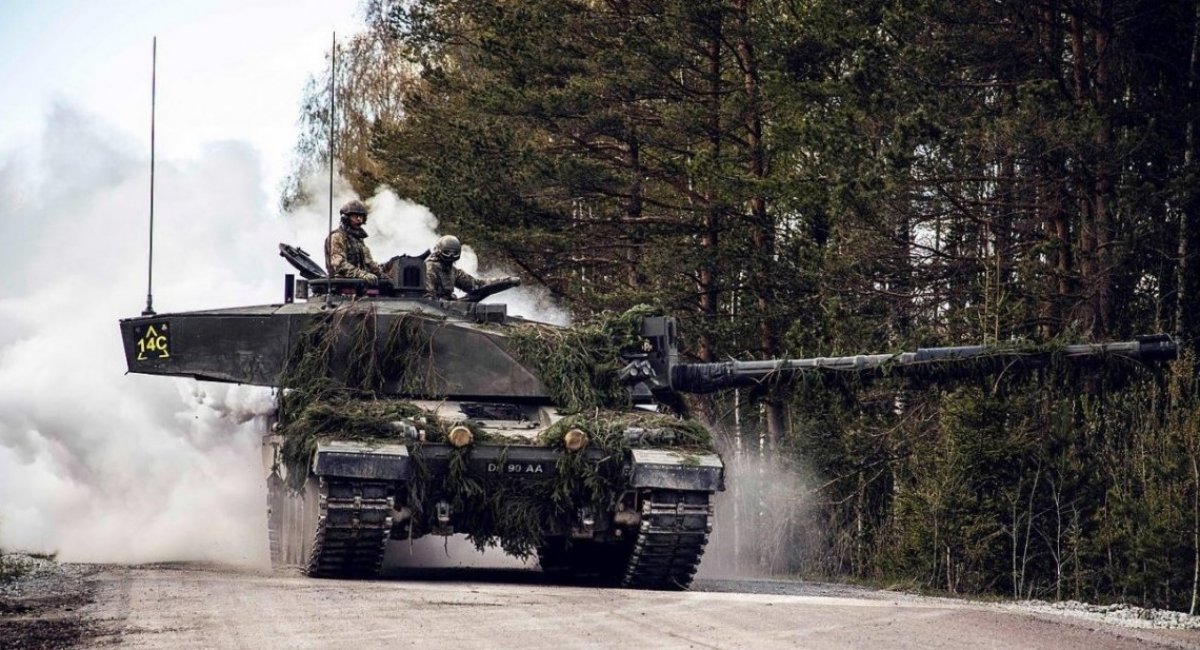
By end of 2022, United Kingdom's armed forces had picture where after three decades of budget savings, ceremonial horses literally outnumbered Challenger 2 tanks — 492 horses versus 227 MBTs of indicated type.
After transferring 14 Challenger 2 tanks to Armed Forces in 2023, this ratio clearly became even smaller, meaning 492 ceremonial horses versus 213 formally available MBTs.
Read more: Northrop Grumman's YFQ-48A Talon Blue Flies 25 Months After Development Start, Seeking CCA Comeback After Losing to Anduril, Boeing
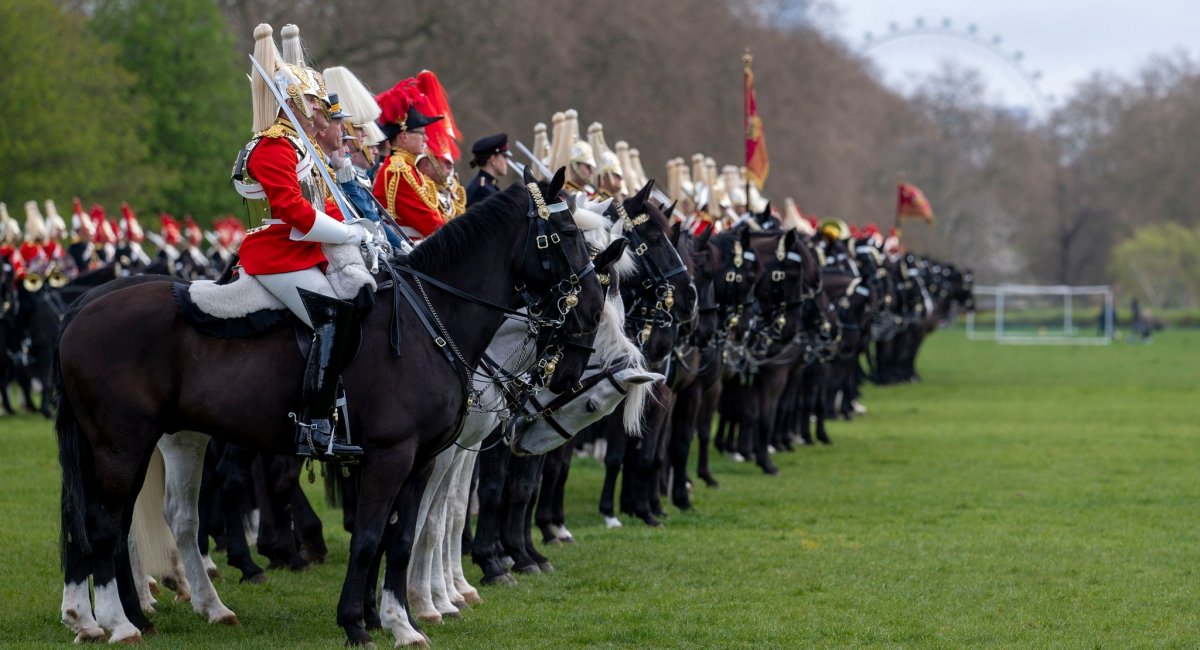
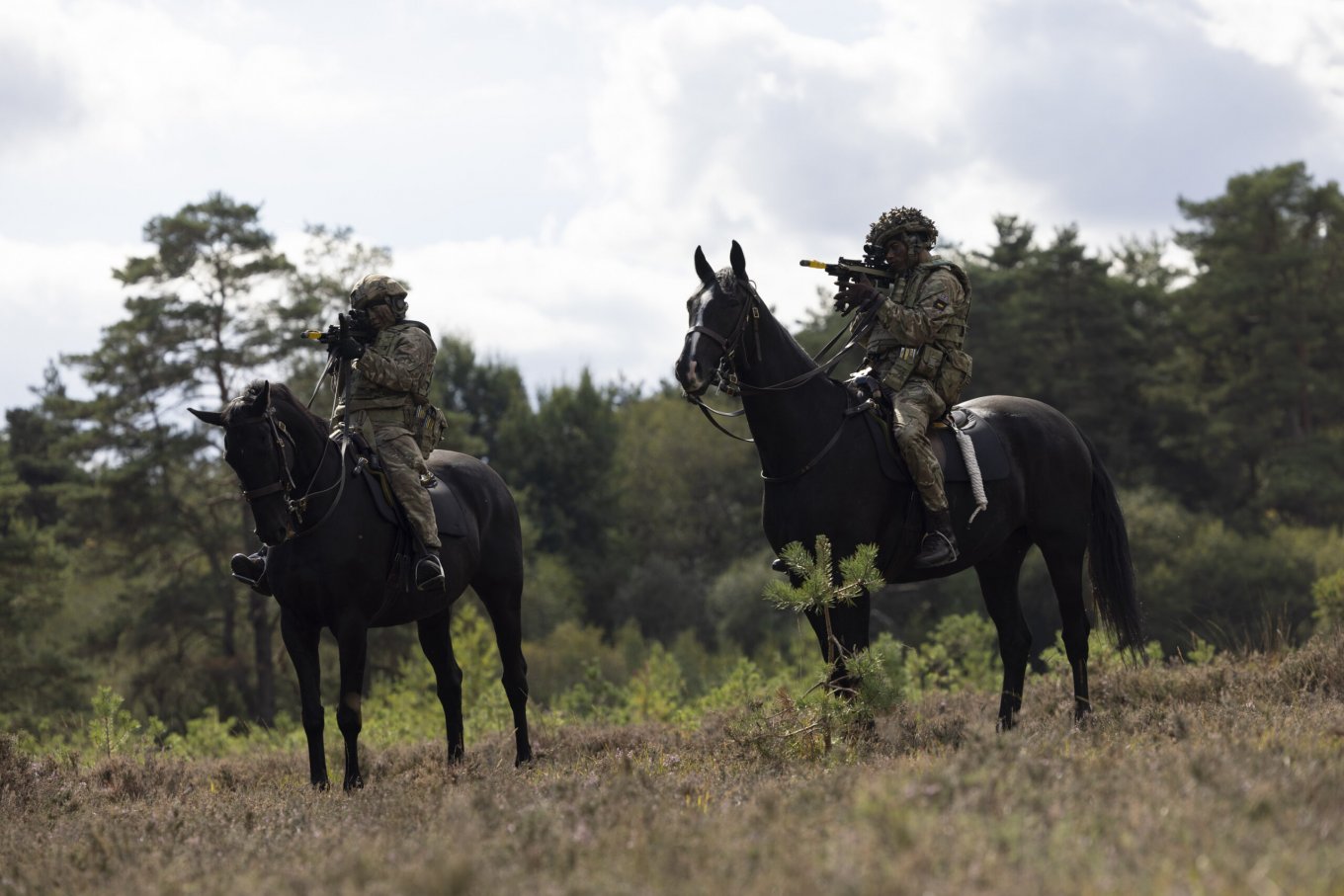
Against this backdrop, correspondingly ironic is perception of UK Defence Journal report that Household Cavalry regiment soldiers practiced conducting paired horse patrols in difficult terrain.
At same time, as stated, British cavalrymen considered experience of their colleagues from other countries, and decided to visually verify what can be used from 20th century experience under current conditions.
Such training looks mildly speaking strange against backdrop where citing budget savings, British will save £30 million and consider Armed Forces experience, canceling exercises with Challenger 2 and AH-64E Apache.
One cannot say cavalry units have entirely become thing of past for European countries. For example, France still trains to use cavalry in modern combat operations and this is by no means cheap endeavor.
russian occupation forces had certain practice of using donkeys and horses as transport for assault groups throughout 2024-2025. It was believed cavalrymen would not trigger anti-tank and anti-vehicle mines, however russian assault troops on horseback proved vulnerable to another threat — Ukrainian strike UAVs.
What direction British cavalry experiments may have besides sentimental remains open question at this point.
Previously Defense Express also wrote about what British did not understand when they trained 60,000 Armed Forces soldiers and received invaluable lessons from them.
Read more: Ukrainian Forces Shoot Down Newly Developed russian Molniya-13 UAV (Video)