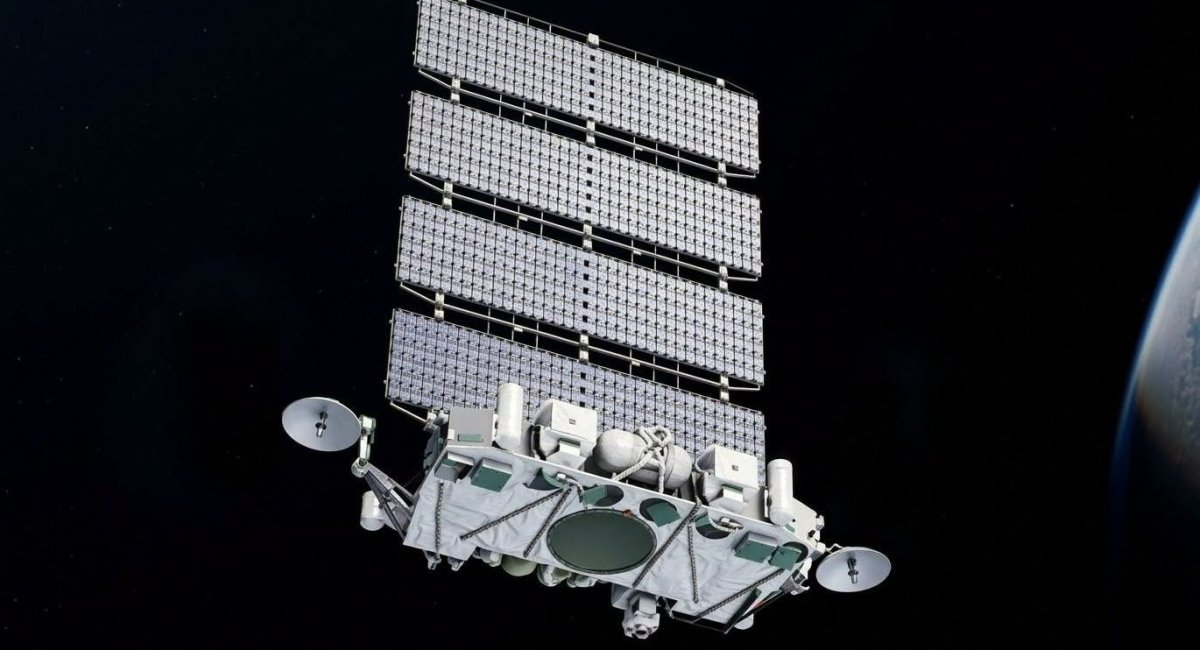
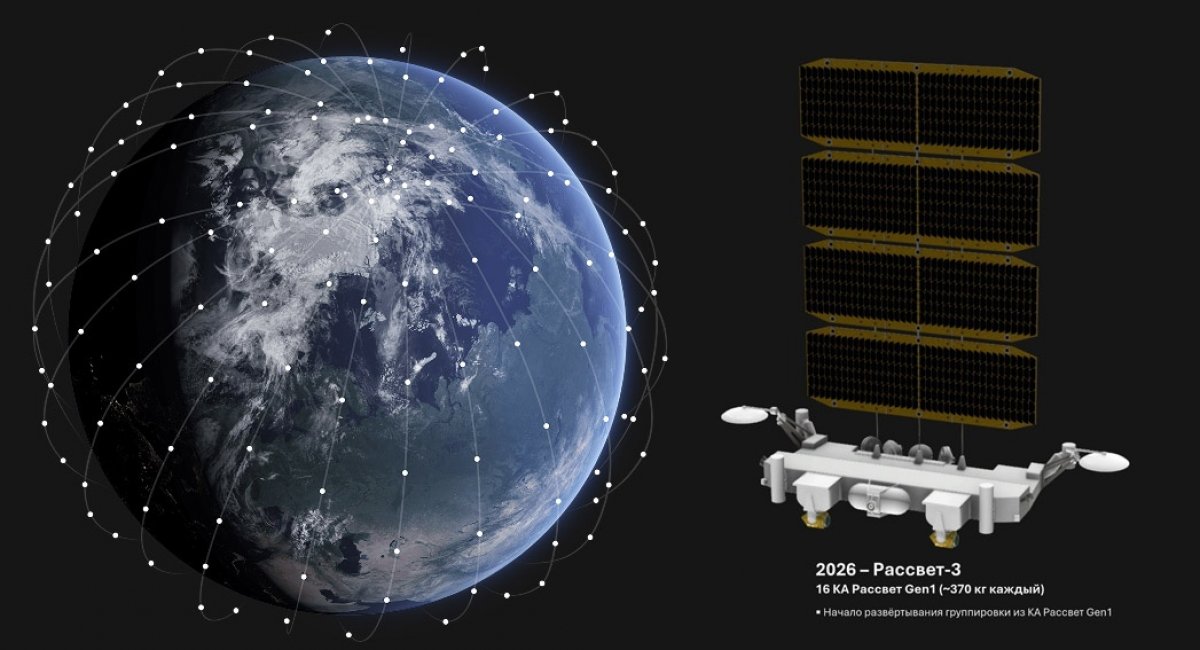
On October 30, a russian Rassvet-3 satellite, numbered 17 and carrying NORAD identifier 100083, burned up in the dense layers of the atmosphere. It belonged to the Rassvet constellation, which is being developed by russian company Bureau 1440 as a domestic alternative to Starlink. The satellite was launched into low Earth orbit aboard a Soyuz-2.1b rocket on July 19 as part of a batch of 16 spacecraft.
Apparently, satellite No. 17 never activated its propulsion system or performed any orbital corrections after reaching orbit. As a result, atmospheric drag gradually lowered its altitude until it reached a critical level, and it burned up in the dense layers of the atmosphere after three months and 11 days in orbit.
Read more: If Ukraine Decides to Intercept russia's Starlink Counterpart: First-Person View From Missile
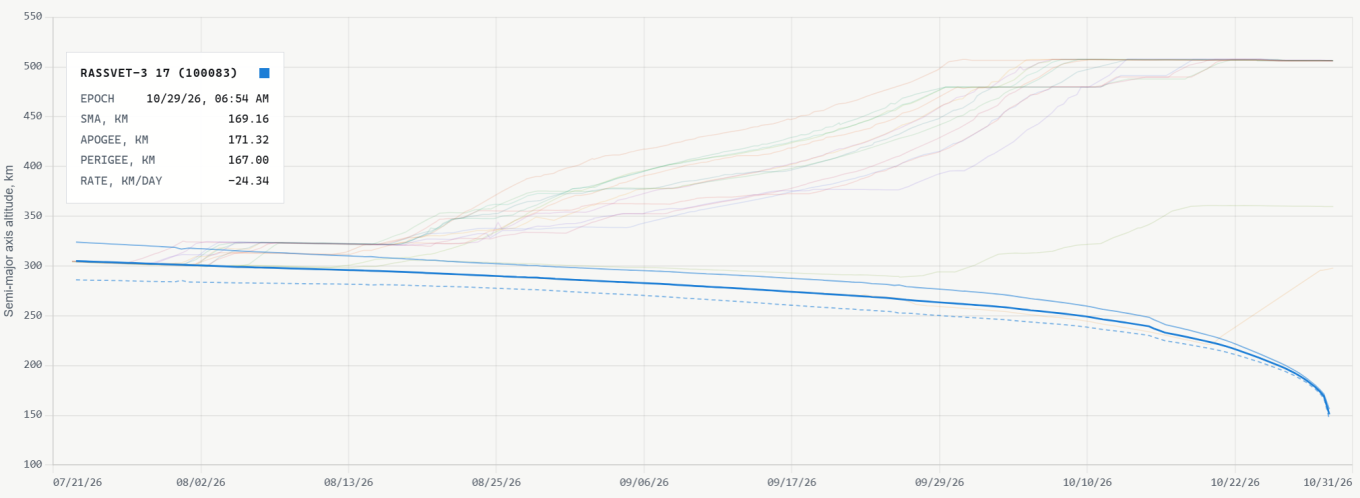
This is already the second Rassvet satellite to leave orbit without ever activating its propulsion system or correcting its orbit. The previous incident occurred on June 6, when Rassvet-3 satellite No. 4, NORAD identifier 68363, fell out of orbit. It had been launched on March 23 as part of the first batch.
It is worth noting that two satellites from the second batch, Nos. 17 and 23, had been at risk of falling out of orbit for some time. However, on October 20, at an altitude of 220 km, russia managed to save satellite No. 23 by rapidly raising its orbit.
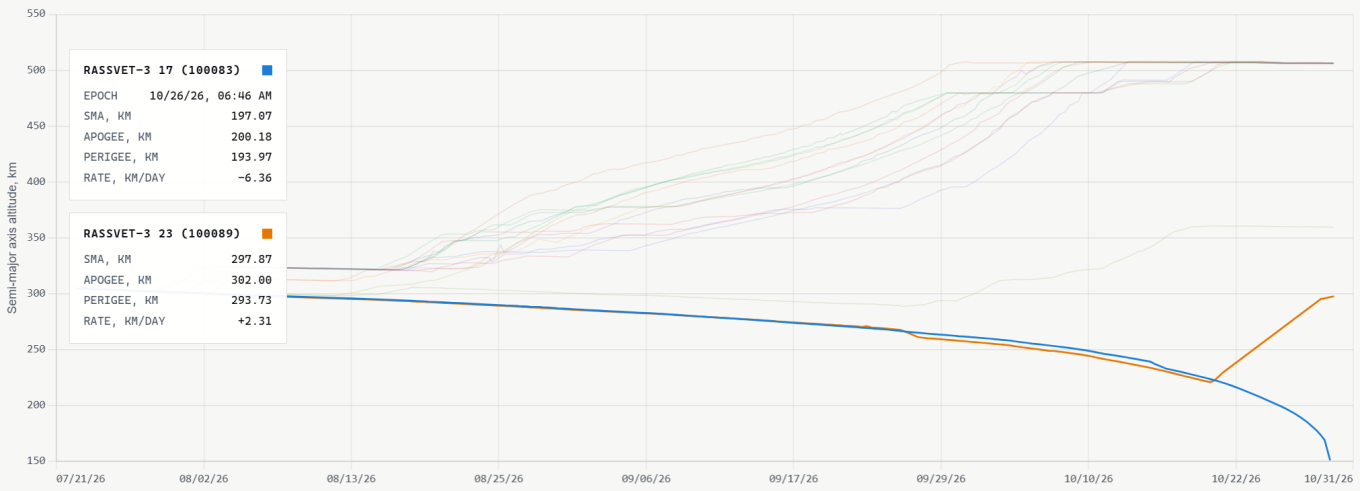
Satellite No. 23 is currently at an altitude of approximately 300 km and continues to climb. As for the Rassvet constellation as a whole, its situation is, unfortunately, not bad, although its deployment is progressing extremely slowly.
Of the 30 Rassvet-3 satellites currently in orbit, 26 have already reached an altitude of 500 km. Another satellite, No. 11, is also expected to reach this altitude soon.
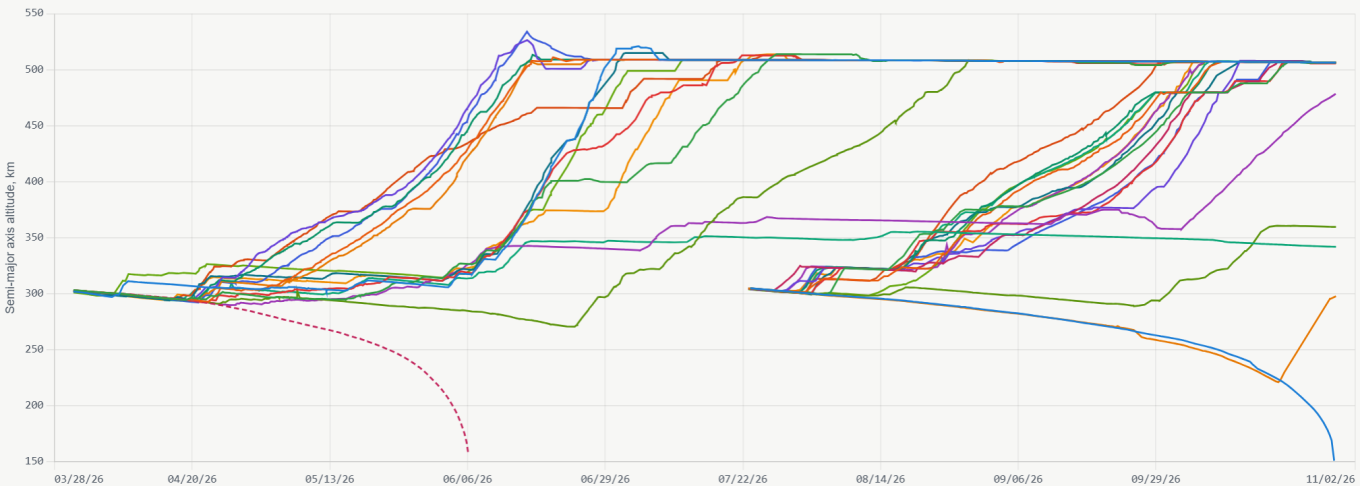
It is worth noting that although the planned orbital altitude for the Rassvet constellation is 800 km, all satellites from both batches are currently concentrating at an optimal altitude of around 500 km. At this altitude, they are spreading out relative to one another and moving into their required orbital positions.
Once all the satellites reach this altitude and take up their designated positions, they will begin a synchronized ascent and spread out along the entire orbital path. Therefore, the fact that all Rassvet satellites appear to be "stuck" at 500 km should not be interpreted as a failed mission.
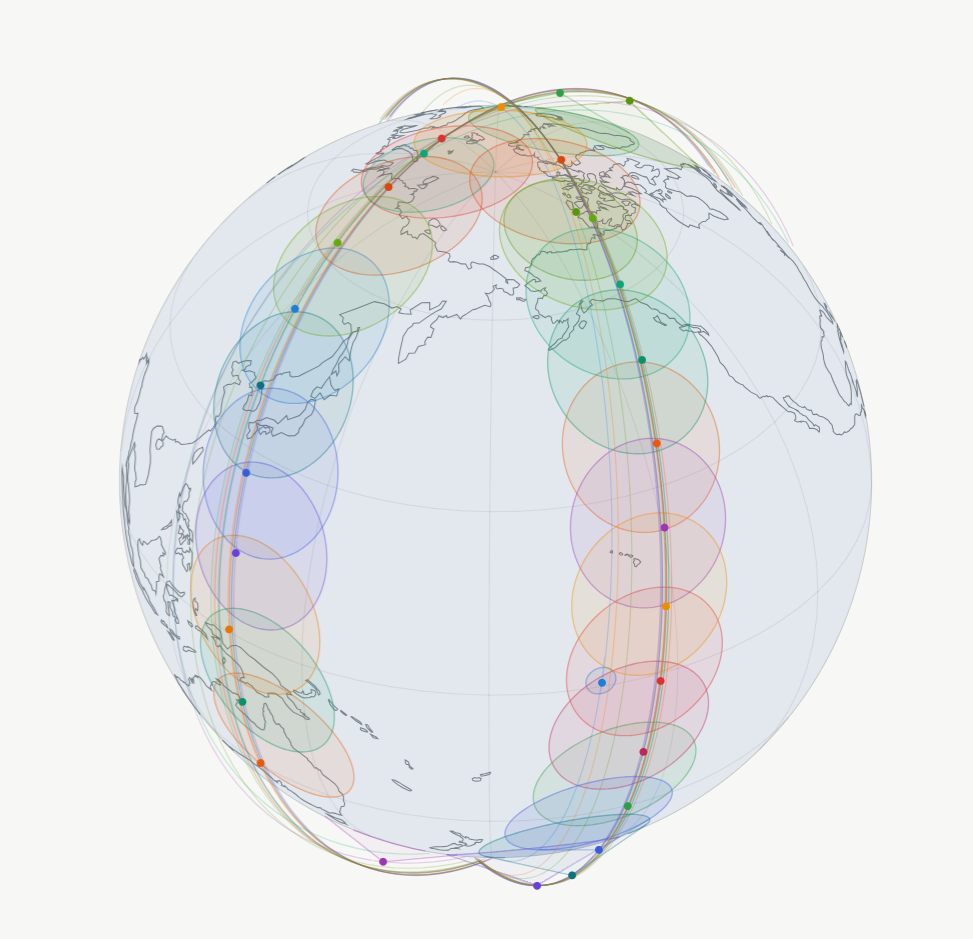
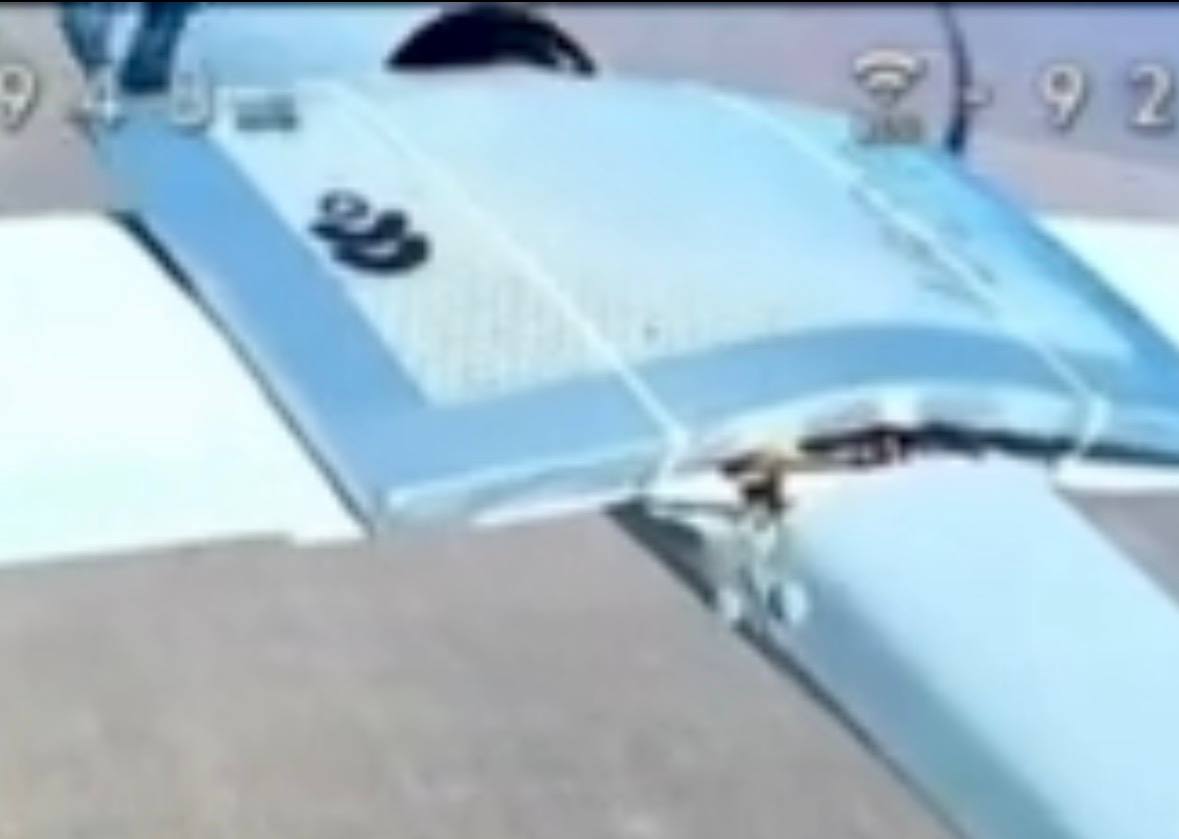
Moreover, even at this altitude, Rassvet-3 satellites are already operational, although still in test mode. russian company Bureau 1440 is actively conducting trials and testing its communication terminals in remote regions of russia. There have also been reports of communication terminals linked to the constellation appearing aboard russian UAVs used to attack Ukraine.
Thus, despite the very slow pace of the Rassvet constellation's deployment, the process is continuing and appears to be progressing fairly successfully. As for the two satellites that burned up, this is a relatively normal occurrence, especially considering that these are the first production versions and the first launches.
For comparison, consider the experience of the first Starlink satellites. During the initial launch, 60 satellites were placed into orbit, but 10 of them failed to reach their intended orbits. Some were deliberately deorbited to test the system's deorbiting capabilities.
Read more: russia's Starlink Alternative Is Still Struggling: Two More Rassvet-3 Satellites May Burn Up, That's Far From Its Only Problem