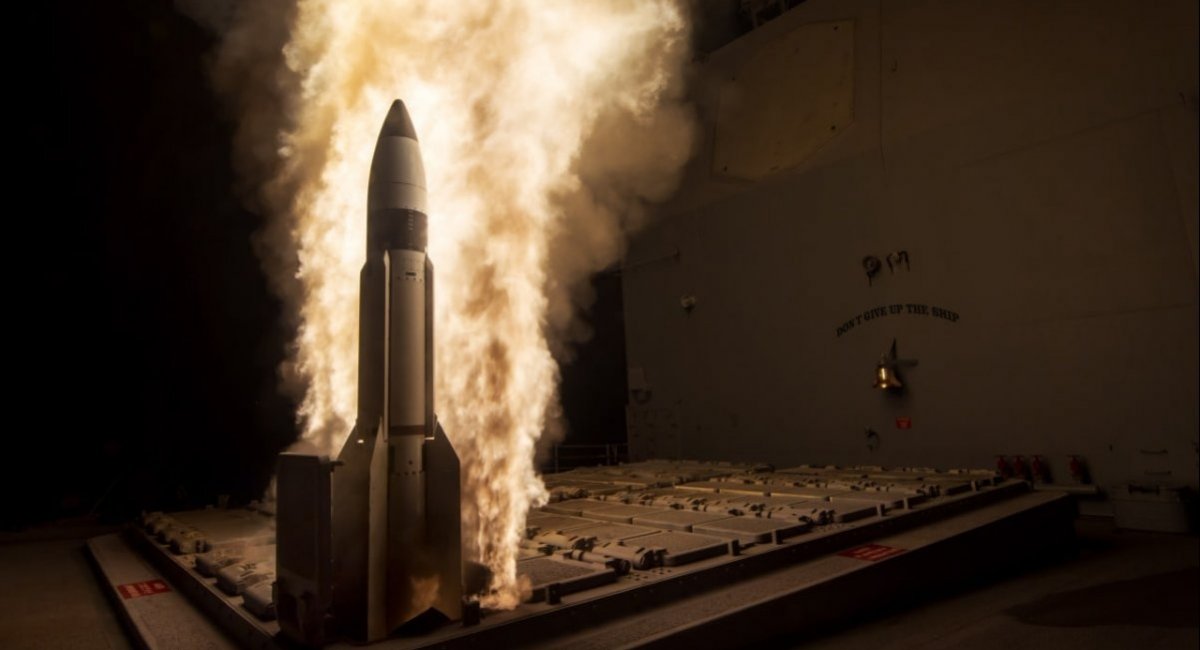
The Pentagon has awarded Raytheon another multi-year contract for missile production. This time, the deal covers SM-3 interceptors, which are capable of intercepting ballistic missiles and serve as a cornerstone of U.S. strategic missile defense.
The agreement is valued at $6.3 billion and, as is standard practice, covers a five-year period with an option for an additional two years. Like previous orders, this contract builds upon earlier framework agreements aimed at ramping up missile production volumes.
Read more: U.S. Agreed on SM-3 Production Surge Last Winter, Now Boeing Scales Critical Components Before Contract Is Even Signed to Counter russia's Oreshnik MRBM
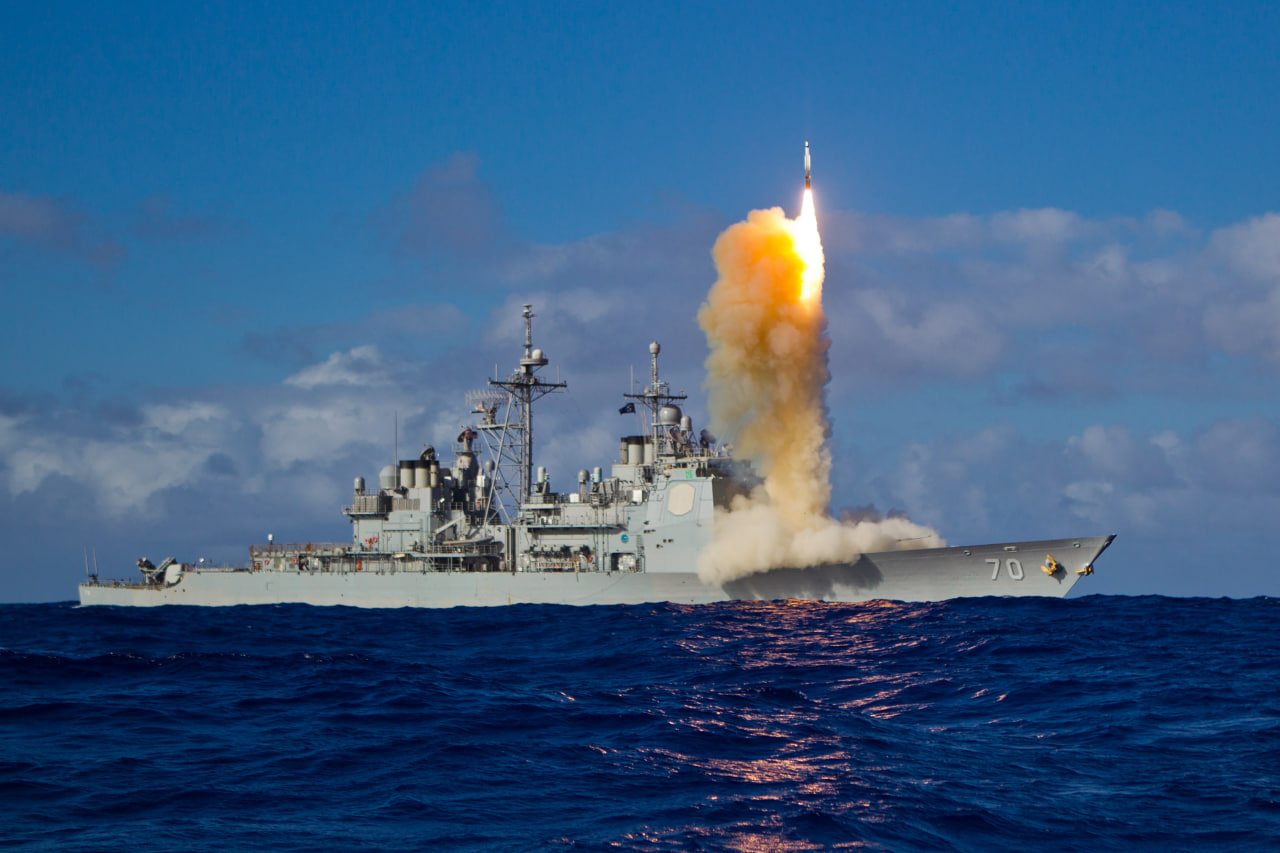
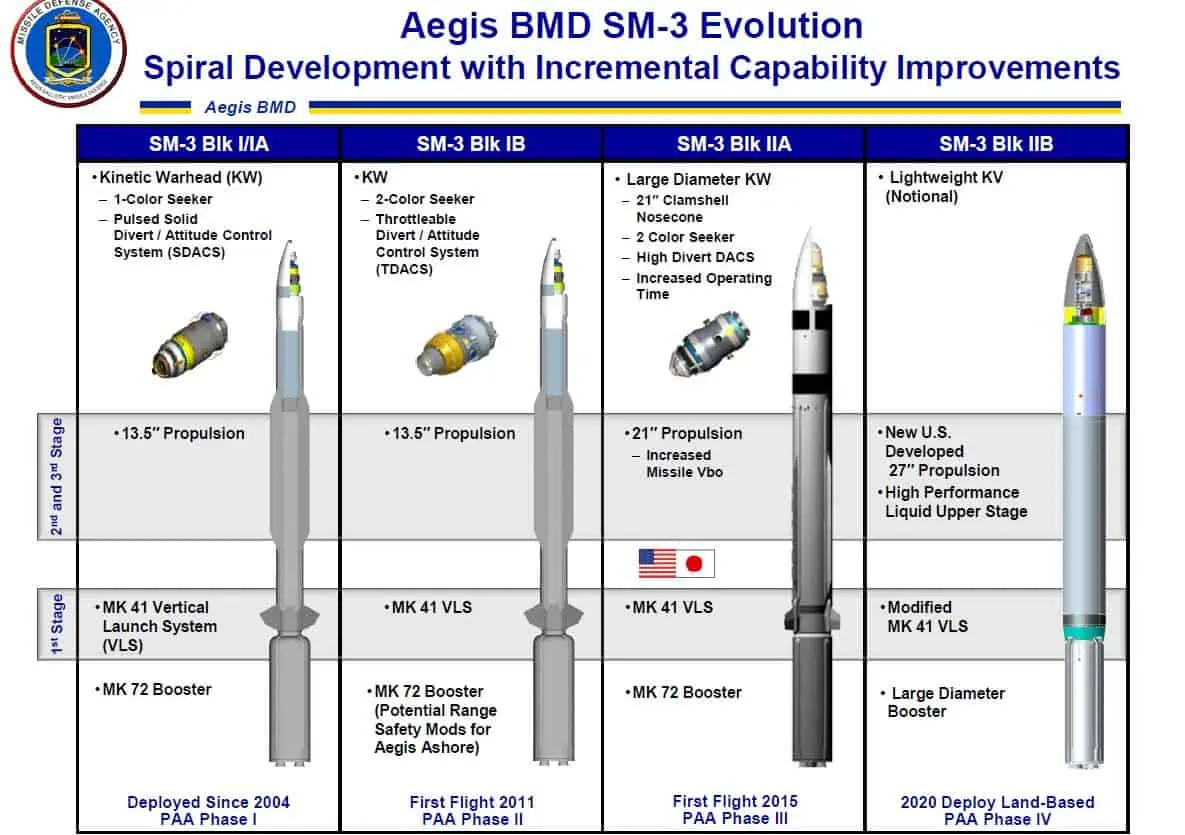
The contract specifically concerns the Standard Missile-3 Block IB (SM-3 IB) variant, which saw its first combat use in 2024. Along with the newer and more expensive SM-3 Block IIA variant, it will provide enhanced missile defense capabilities for the United States.
Defense Express notes that the SM-3 Block IIA is larger than the Block IB and offers superior speed and maneuverability; it is also significantly more expensive. Given this, it is highly likely that the previous iterations will not be abandoned.
It should be noted that the Pentagon continues to back up framework agreements with firm contracts, thereby ensuring increased production. For instance, five-year contracts for AIM-120 and SM-6 missiles have recently been concluded with Raytheon alone.
Additional SM-3 supplies are significant while this interceptor is a key component of the strategic missile defense systems deployed by the U.S. and its allies within the Aegis framework. These missiles are designed for the exo-atmospheric interception of threats—including short- and medium-range ballistic missiles—making the SM-3 one of the few systems capable of shooting down russian missiles such as the Oreshnik intermediate-range ballistic missile.
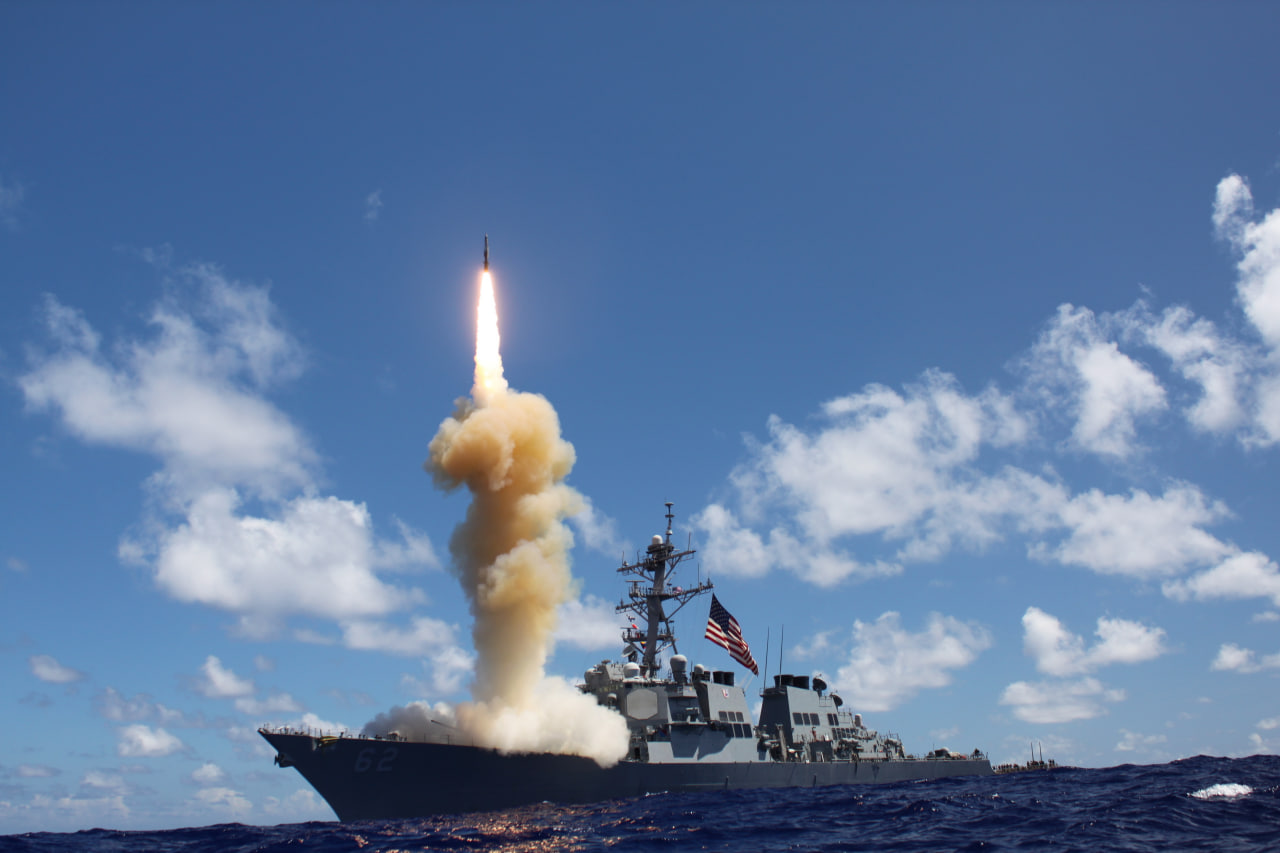
The primary platforms for deploying the SM-3 missiles within NATO are Arleigh Burke-class destroyers and the Aegis Ashore land-based systems in Poland and Romania. These missiles are also in service with Japan and South Korea.
It is worth noting that in August 2026, the Pentagon and Raytheon signed a framework agreement with Boeing to increase the production of SM-3 components. Consequently, a contract with Boeing can be expected, similar to the one securing increased production of seeker for the PAC-3 MSE.
Read more: How Many Oreshnik IRBMs russia Has and What Their Production Rate Is