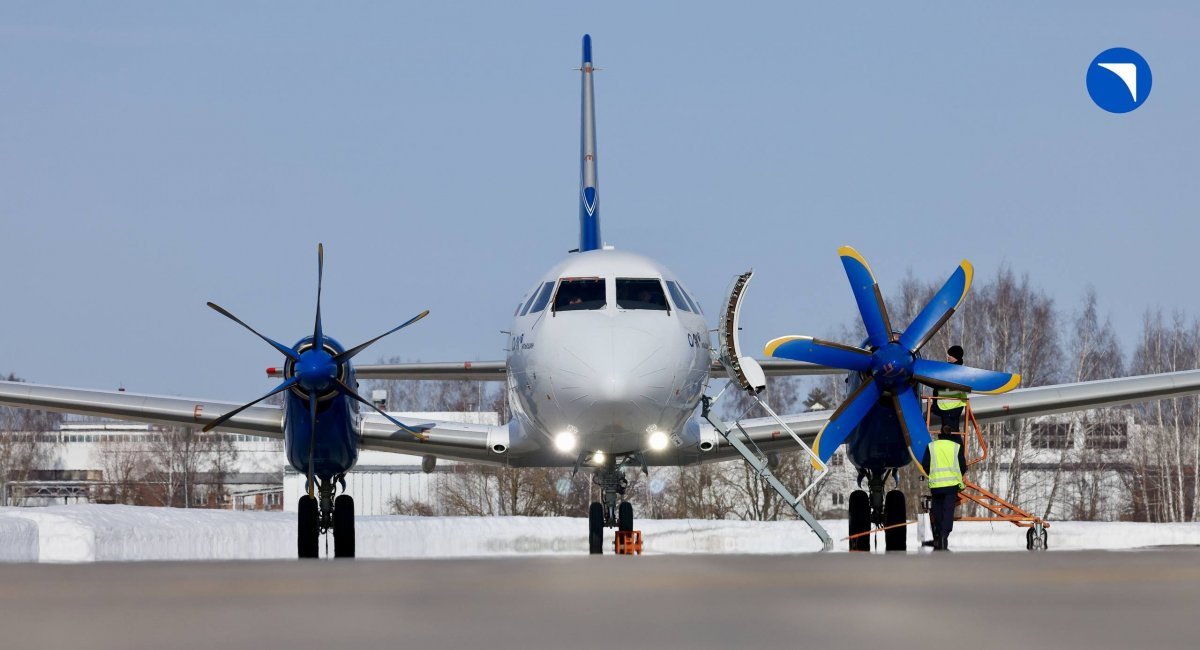
russia's United Aircraft Corporation (UAC) has announced major agreements with a number of Indian airlines for the delivery of 85 Il-114-300 passenger aircraft.
The agreements were signed during the Innoprom exhibition, held in Yekaterinburg from September 6 to 9, and were presented in russia as a major breakthrough for the country’s aircraft industry. However, virtually every detail of the story is remarkable.
Read more: russia Still Hopes to Sell S-500 Systems, Su-57 Fighter Jets to India, in Addition to S-400 Deliveries and Localization
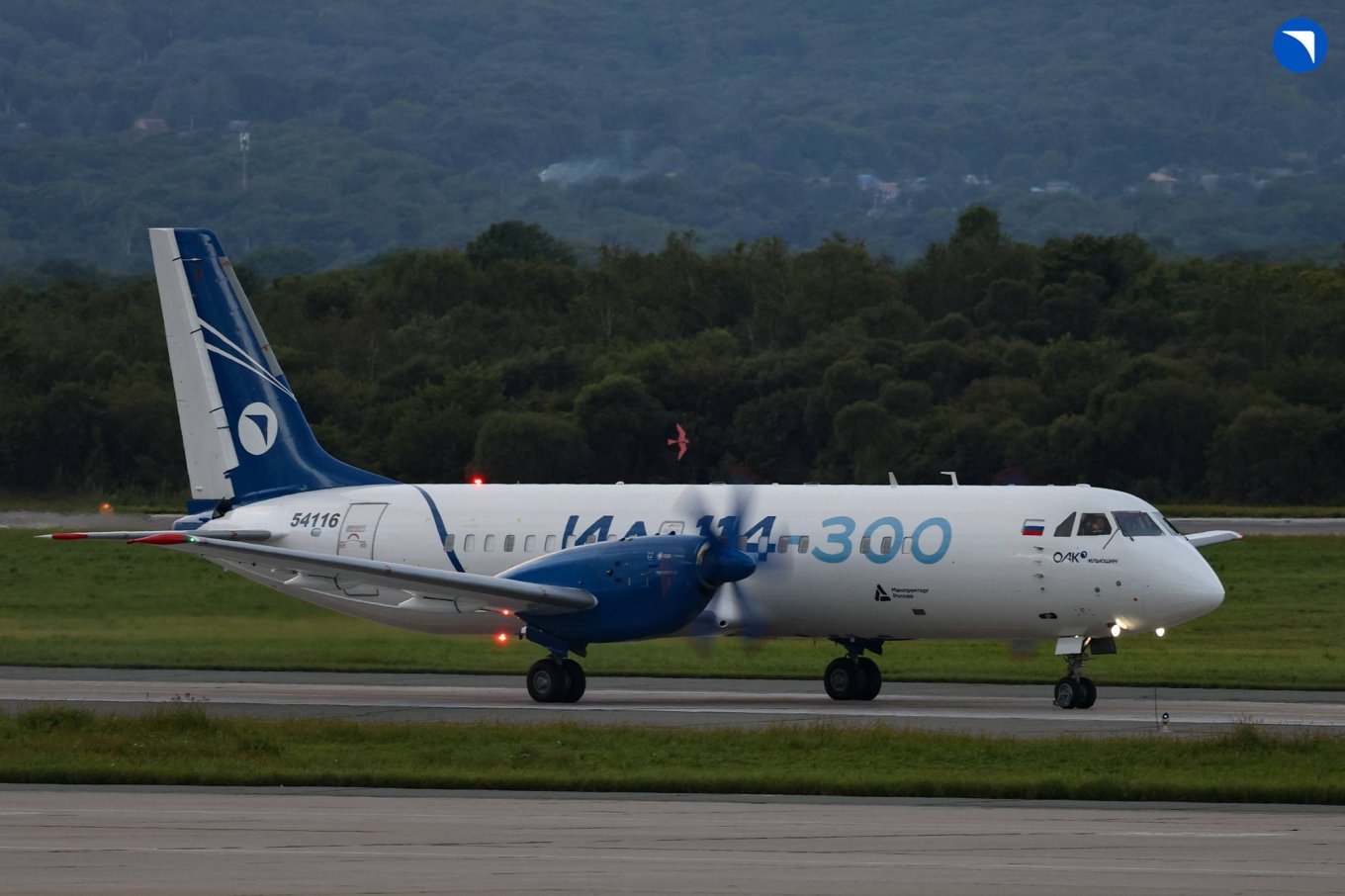
For starters, this is not actually a sale. It is a letter of intent with India's Pinnacle Air, under which the company is expected to subsequently sign contracts for 50 Il-114-300 aircraft, as well as memorandums of understanding with Sleek Aviation covering another 35 aircraft. In other words, no firm contracts have been signed so far.
At the same time, neither Pinnacle Air nor Sleek Aviation is a scheduled Indian airline. They are little-known companies with small workforces and no passenger airliners.
Pinnacle Air states on its website that it has a staff of 30 and specializes in charter flights. The company offers helicopter tours as well as charter flights using business jets such as the Gulfstream G200 and turboprop aircraft such as the Beechcraft King Air.
Sleek Aviation, meanwhile, has no website, no aircraft registered in its name, and no known activity beyond the fact that, according to corporate records, the company was established in 2018.
This makes the likelihood that Pinnacle Air and Sleek Aviation will actually order 50 and 35 Il-114-300s, respectively, more than questionable. The announced price of the first production aircraft, deliveries of which are only expected to begin, is 4 billion rubles, or about $47.5 million per Il-114-300.
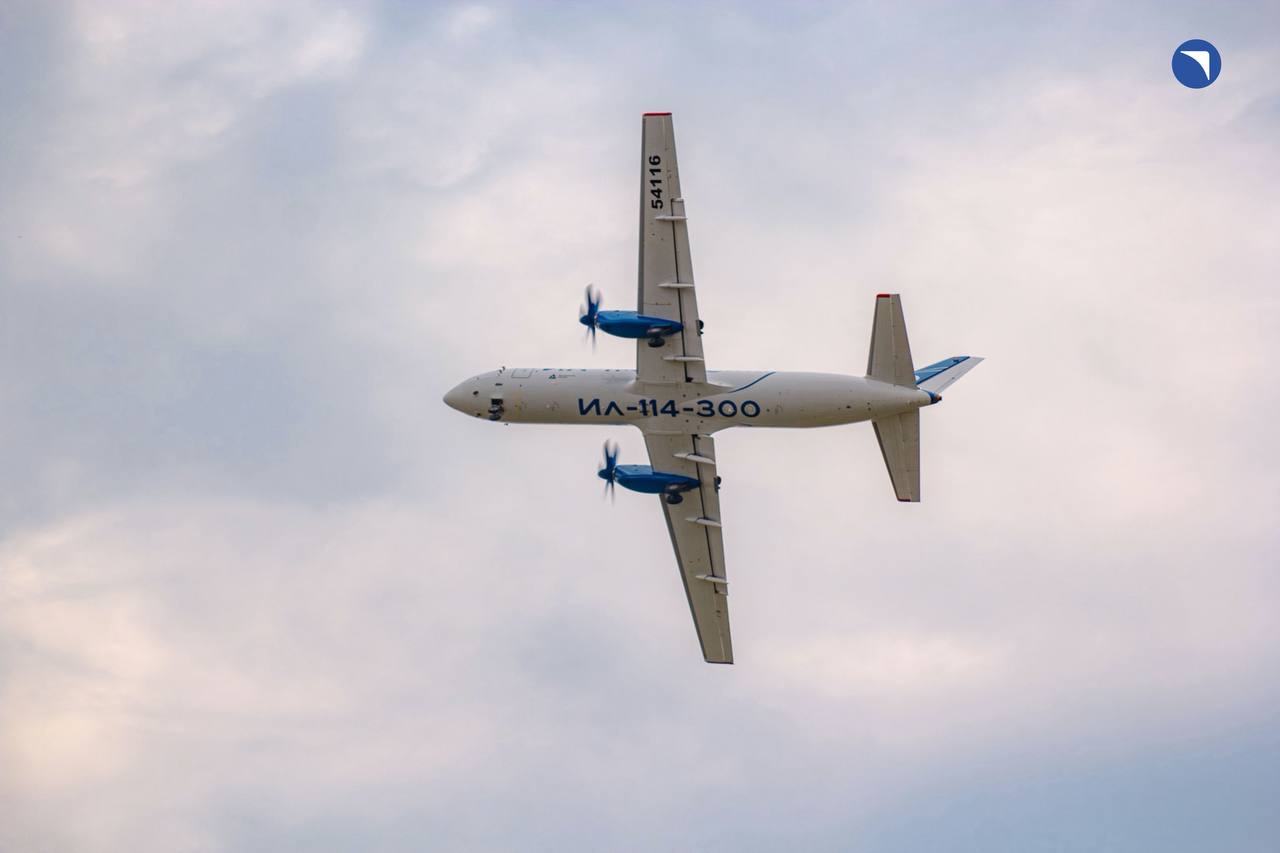
Even using the target price for the Il-114-300, which russia says should be reached once mass production is established, at 2.6 billion rubles, or about $31 million, the potential contracts would be worth $1.55 billion and $1 billion, respectively.
There is another issue. In russia, the first production Il-114-300 is now expected only by the end of 2026, three years later than originally planned. This means that scaling up mass production will take years. More importantly, the aircraft's type certificate, issued in June by russia's state civil aviation authority, contains significant operating restrictions.
According to the current russian certification requirements, the Il-114-300 is permitted to operate at air temperatures ranging from -9°C to +25°C and at airports located no higher than 1,000 meters above sea level. Flights in icing conditions and thunderstorms are also prohibited.
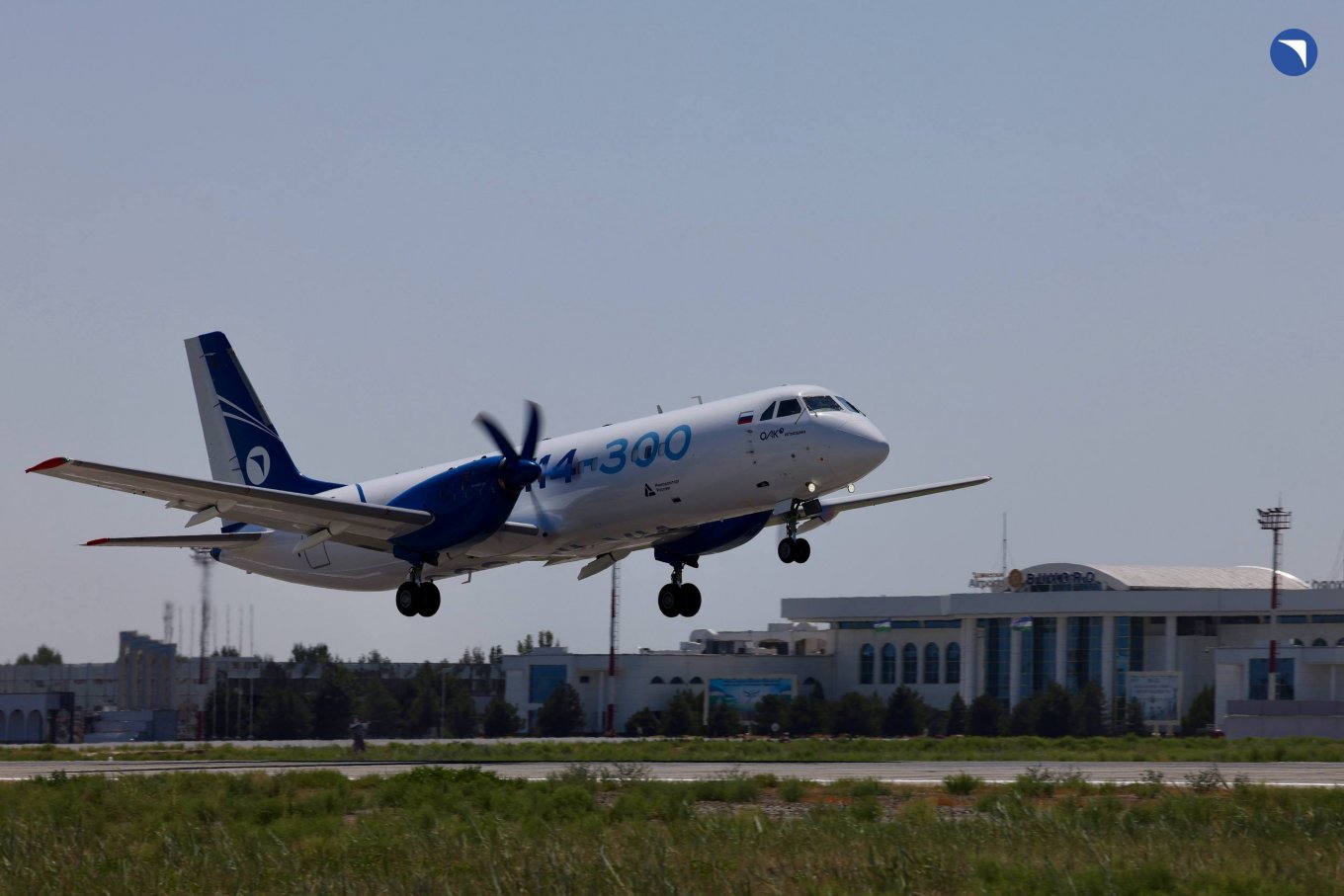
Meanwhile, even from December to February, average daily temperatures in southern India do not fall below +25°C. In Delhi, in the north of the country, average daytime highs range from +25°C to +32°C throughout the year. This means that, within the aircraft's current certified temperature limits, Il-114-300 operations in India would be possible only in a limited number of regions, not throughout the entire year, and mostly at night when temperatures are lower.
russia will presumably expand the Il-114-300’s operating limits in the future, since the current lower limit of -9°C creates the opposite problem for domestic operations. But for now, these are the aircraft’s certified operating conditions.
In the end, yet another russian claim of major "breakthrough" aircraft export contracts turns out to be little more than an expression of intent involving an aircraft that has not yet entered series production, has highly restrictive operating conditions, and is supposedly being ordered by little-known airlines with no scheduled flights and, apparently, no clear means of financing such purchases.
Read more: Is India Really Considering Reviving the Il-214 Project With russia, After It Failed in the 2010s?