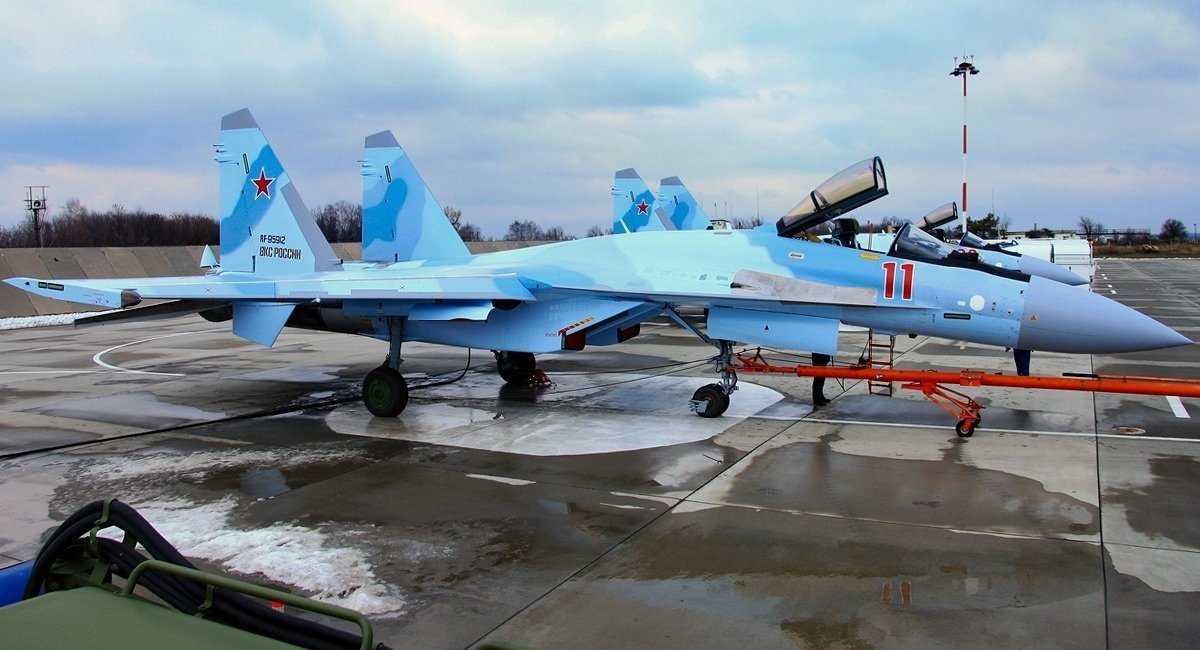
According to the Kremlin-backed Center for Analysis of World Arms Trade (TSAMTO), russia accounted for 12.55% of the global arms market in 2025, ranking second among arms exporters. However, the SZRU points out that there is no publicly available evidence to substantiate this figure.
Since 2022, Moscow has virtually stopped publishing data on the fulfilment of its arms export contracts. As a result, TSAMTO's estimate of $15 billion is not based on confirmed deliveries but relies primarily on russian President vladimir putin's claim that arms exports generated more than $15 billion in foreign currency revenue.
Read more: Ukrainian UAVs Strike russia, Moscow Makes Businesses Pay for "Protection" - SZRU
To support its assessment, TSAMTO has also dismissed SIPRI's data on russian arms exports as unverified. Yet SIPRI's figures show a dramatically different picture of russia's position in the global arms market.
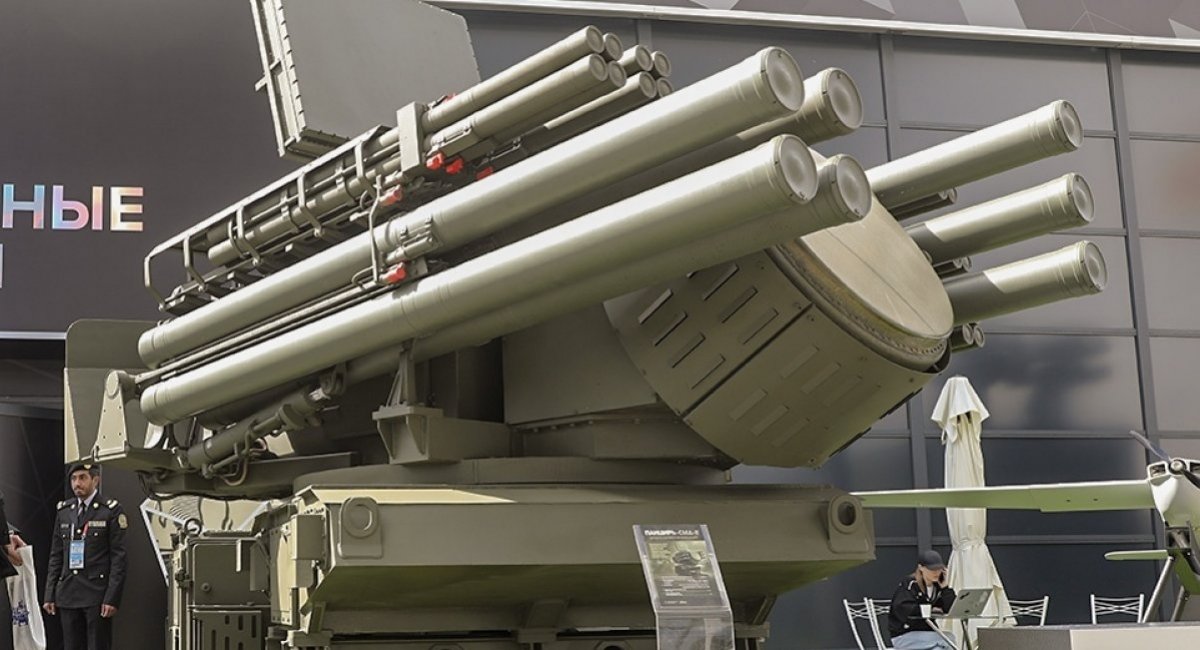
According to SIPRI, russian exports of major arms fell by 64% in 2021–2025 compared with 2016–2020. russia's share of the global arms market dropped from 21% to 6.8%, reaching its lowest level in the history of SIPRI’s statistics, which date back to the Soviet era.
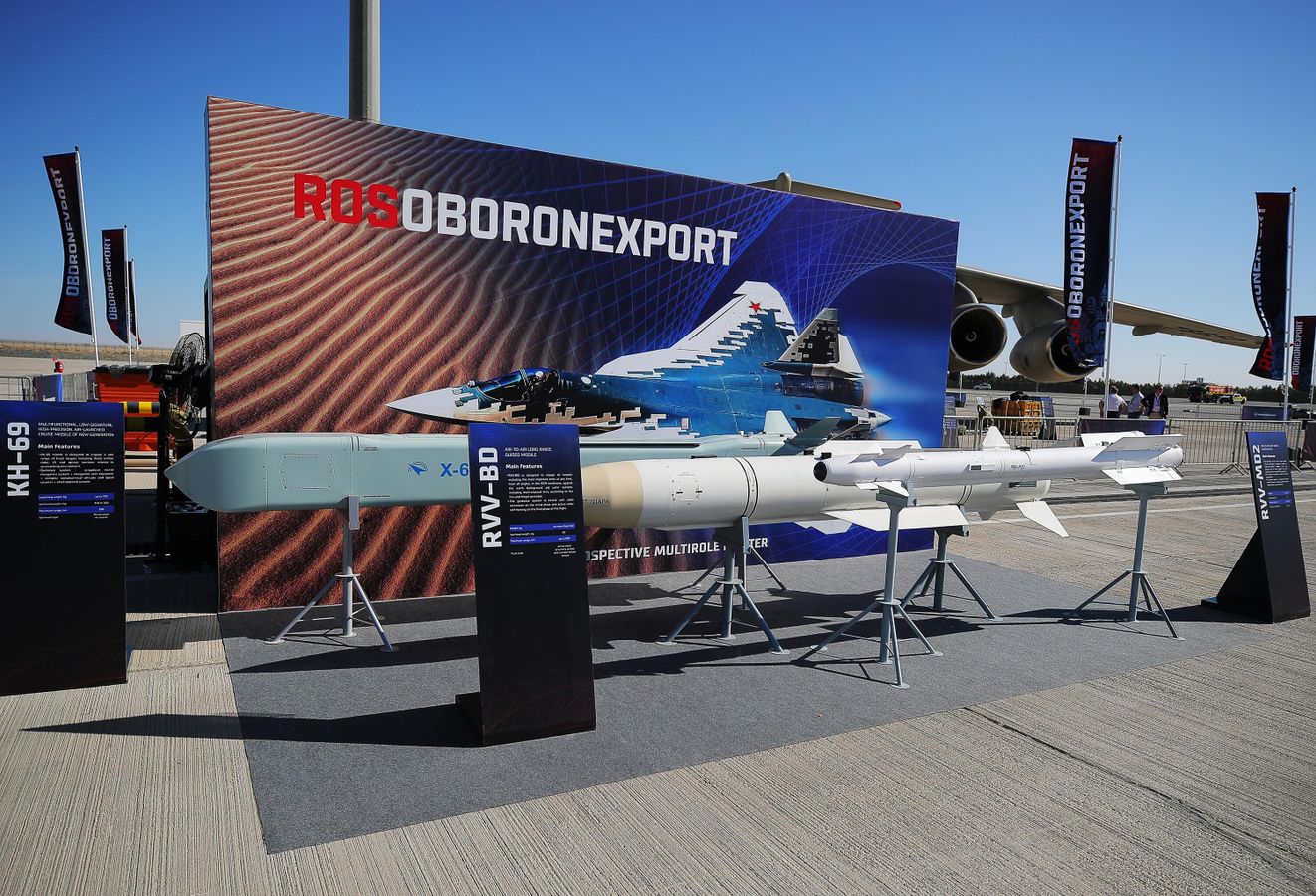
The SZRU describes Moscow's claims as an attempt to conceal the scale of the decline in its arms exports. Instead of providing verifiable delivery figures, the Kremlin relies on its own statements and estimates to present russia as a leading arms exporter.
This approach allows Moscow to promote a favourable picture of its arms industry despite the substantial decline recorded by SIPRI. However, russia's claims do not change the figures reported by the international research institute: the country's share of global arms exports has fallen sharply over the past five years.
As the SZRU points out, russia's attempt to present itself as the world's second-largest arms exporter does not alter the underlying reality: its share of the global arms market has fallen to a historic low.
Read more: russia Claims 20 New Su-35S Fighters in 2025–2026, but Real Production Rates Raise Questions