Ukrainian President Volodymyr Zelenskyy has provided new details about plans to establish licensed production of missiles for the Patriot air defense system in Ukraine.
Zelenskyy said Ukraine is negotiating with U.S. defense company Raytheon. According to the Ukrainian president, both the company and U.S. President Donald Trump are supportive of the cooperation and are positively disposed toward establishing licensed production of Patriot interceptor missiles in Ukraine.
Read more: Volodymyr Zelenskyy: Trump Agrees to Support Ukraine's License to Produce Patriot Missiles
It is worth recalling that Trump had previously announced that Ukraine would receive a license to manufacture Patriot missiles. However, he did not specify which interceptor would be produced in Ukraine, saying only that it would be a “less advanced version.”
At the time, several possibilities existed for what this “less advanced” missile could be. Zelenskyy’s latest comments provide an important new clue, as they identify Raytheon as the U.S. company involved in the negotiations.
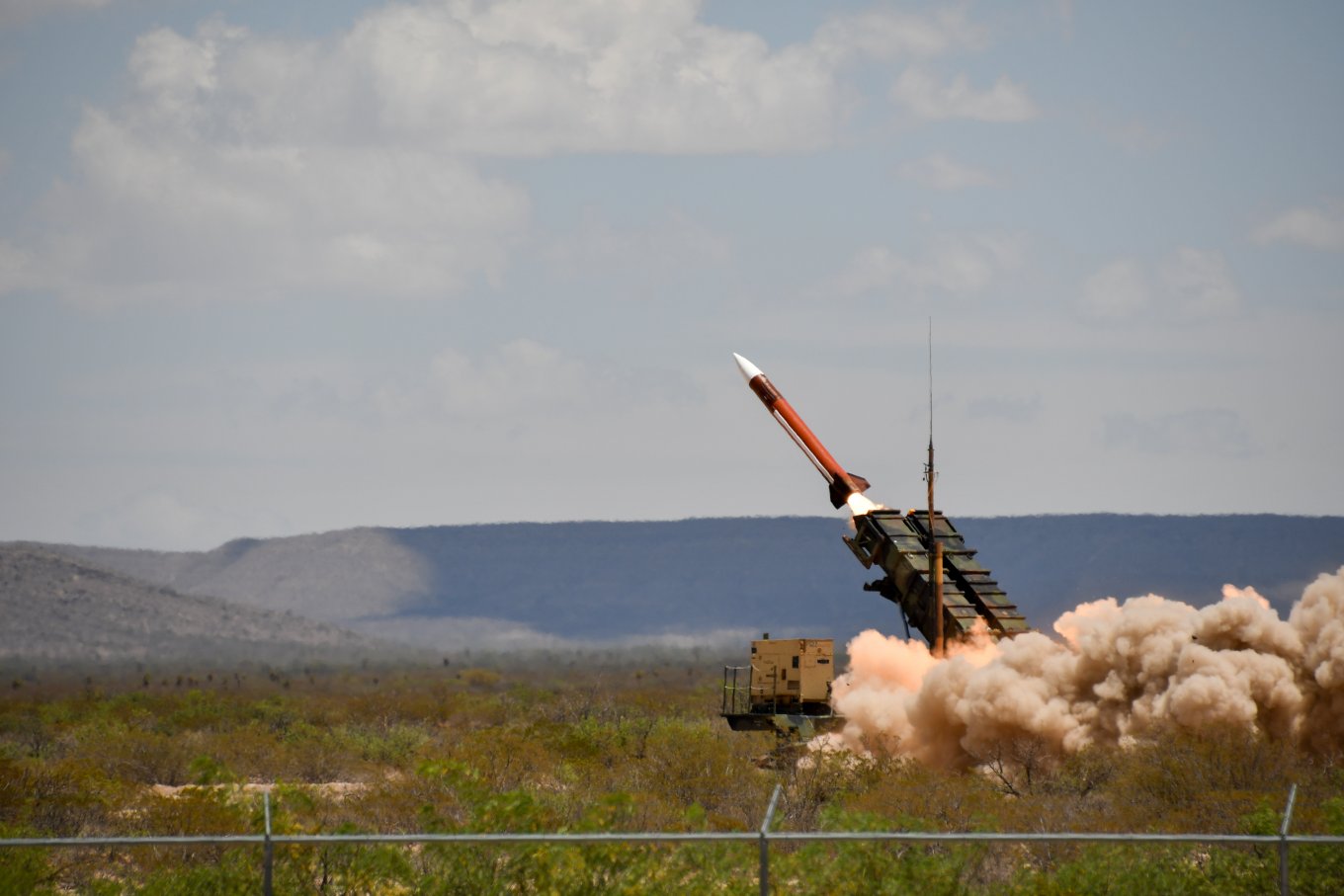
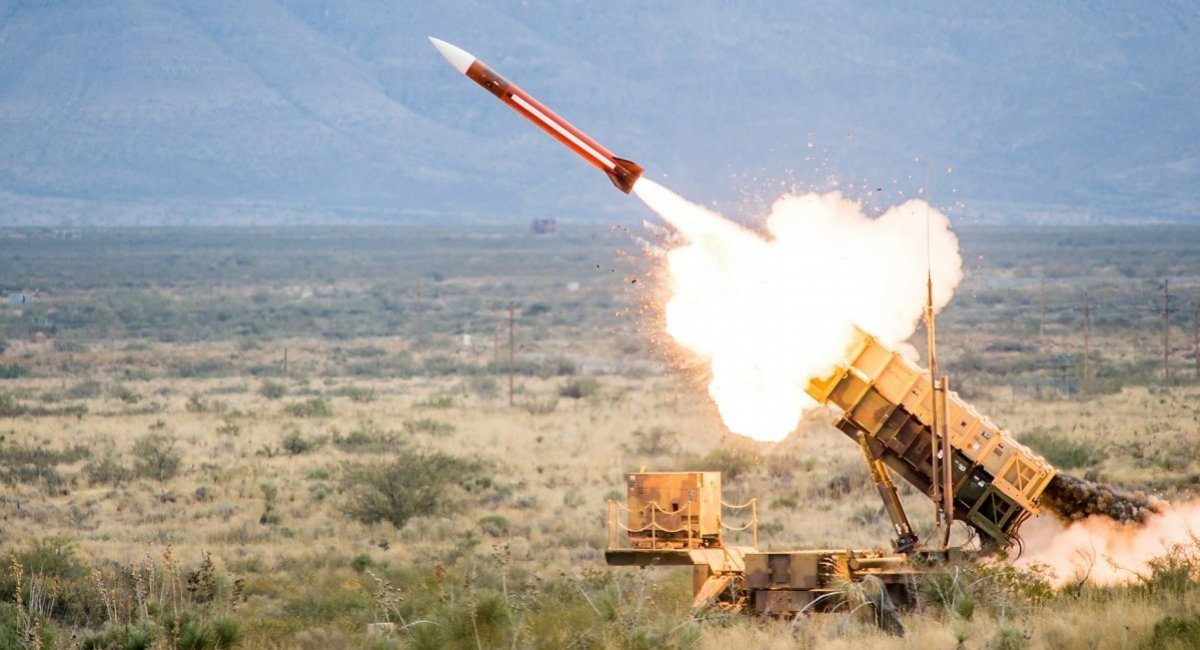
Raytheon is responsible for production of the Patriot PAC-2 GEM-T interceptor, while the PAC-3 family is produced by Lockheed Martin. This would make the PAC-2 GEM-T the most likely candidate for licensed production in Ukraine, although the specific missile variant has not yet been officially named.
For Ukraine, this could be both a positive and a negative development.
On the positive side, the PAC-2 GEM-T does not rely on the same single-source production of the active radar seeker used by PAC-3 interceptors. The PAC-3 MSE, in particular, uses an active radar seeker, and constraints in the supply chain for such components have been identified as one of the factors affecting production capacity.
At the same time, the PAC-2 GEM-T uses a different interception concept and is generally less capable against ballistic targets than the PAC-3 MSE. The PAC-2 relies on a proximity-fuzed warhead that destroys or damages the incoming target with fragmentation, while the PAC-3 MSE uses hit-to-kill technology to destroy the target through direct impact.
The exact difference in effectiveness depends on the target and engagement conditions. Some assessments put the probability of successful interception against certain ballistic threats at around 60% for PAC-2 and roughly 80–90% for PAC-3 MSE, but these figures should be treated as estimates rather than universal performance figures.
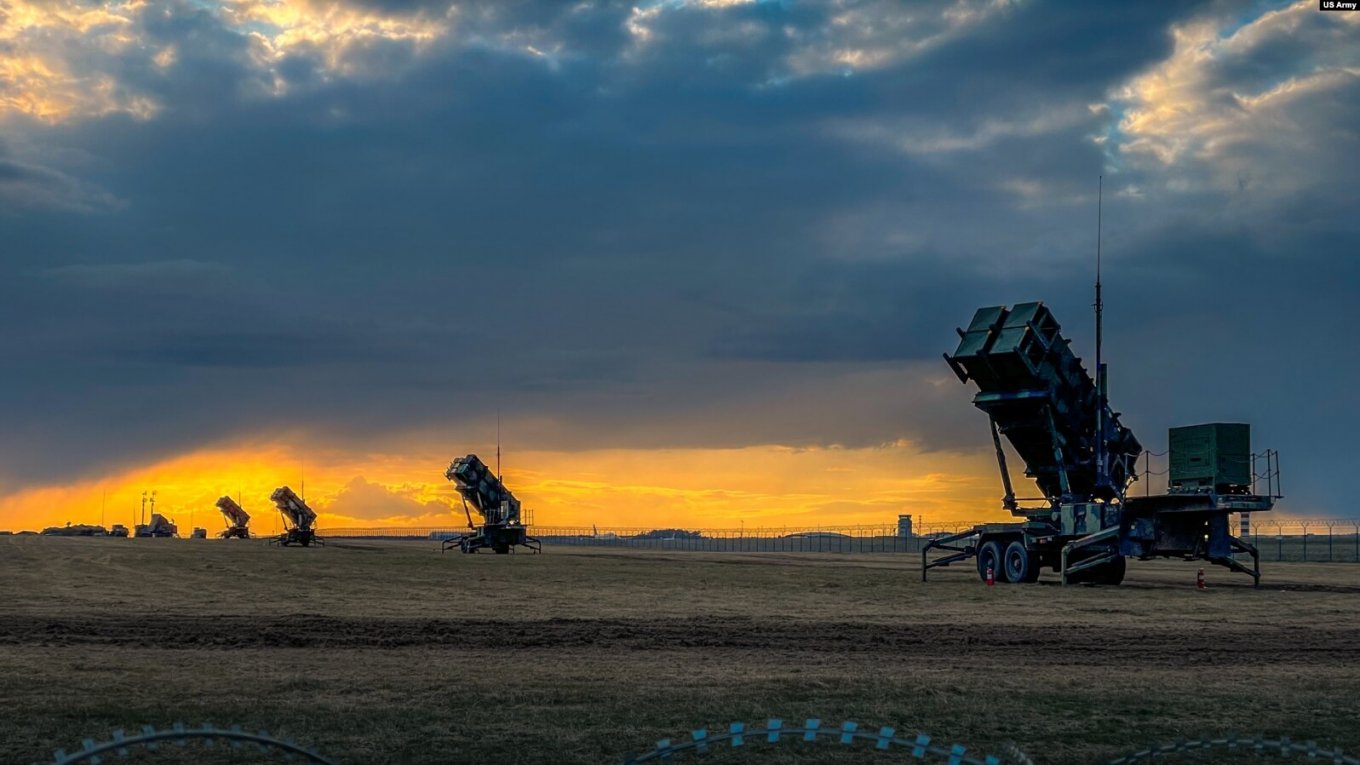
As for the timeline for establishing licensed production, Zelenskyy said Ukraine expects the process to take about one to one and a half years. He also indicated that the project is intended as a long-term effort, rather than an immediate solution to Ukraine’s interceptor shortage.
If this period is counted from the formal issuance of the license and the process begins immediately, production lines could potentially become operational around late 2027 or early 2028.
However, establishing a production line is not the same as producing the first complete missile. The full production cycle for the PAC-2 GEM-T has not been publicly disclosed, so it is difficult to determine exactly how long it would take for the first Ukrainian-made interceptors to be completed.
If Ukraine establishes a full production cycle covering all major missile components, the first locally produced PAC-2 GEM-T interceptors could therefore arrive in the Ukrainian Armed Forces later than the initial production-line launch, potentially in late 2028 or even 2029. This is an estimate rather than an announced schedule.
The timeline could be shorter if Ukraine manufactures only selected components and performs final assembly using parts supplied from abroad. In that case, the first locally assembled interceptors could potentially reach the Ukrainian Armed Forces sooner.
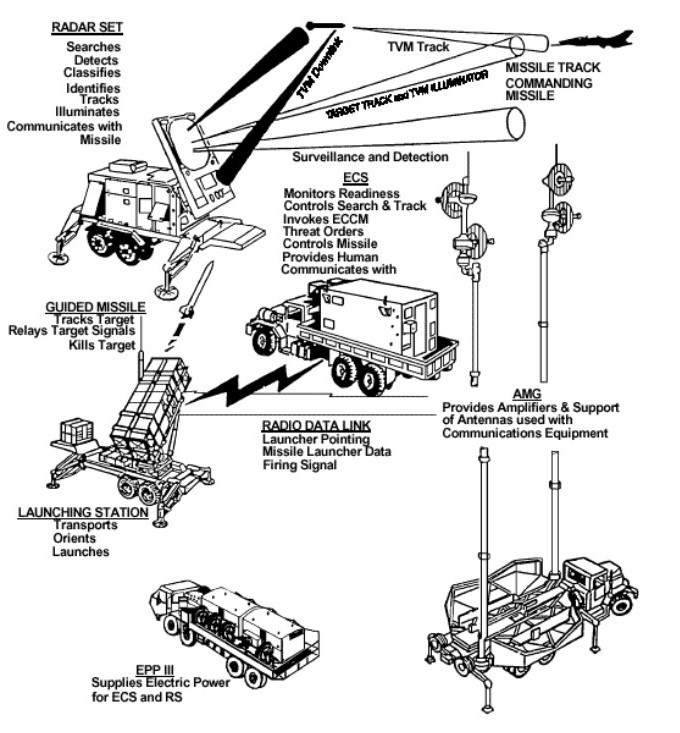
It is also important to stress that these dates are based on the currently available information and should not be treated as an official production schedule. At this stage, it is impossible to say exactly when the first Patriot interceptors manufactured in Ukraine will enter service.
For now, the key development is that Ukraine has moved beyond the political announcement of a potential Patriot production license and is discussing the practical arrangements with Raytheon. The exact interceptor variant, production model, division of manufacturing between Ukraine and the United States, and final timeline still have to be determined.
From the Defense Express side, we urge readers to join a fundraiser for a solution that is already proving effective: the One United Fundraiser, organized by the Serhiy Prytula Charity Foundation to support interceptor drones.

Read more: Unknown North Korean KN-23 Variant Can Reach 60–70 km Altitude, Posing New Challenge for Patriot Systems