U.S. Army has apparently announced winner of competition for new air defense missile under Future Interceptor program, which should complement air defense system and shoot down ballistic and hypersonic missiles. Choice turned out somewhat expected with Lockheed Martin, although competition could have been interesting.
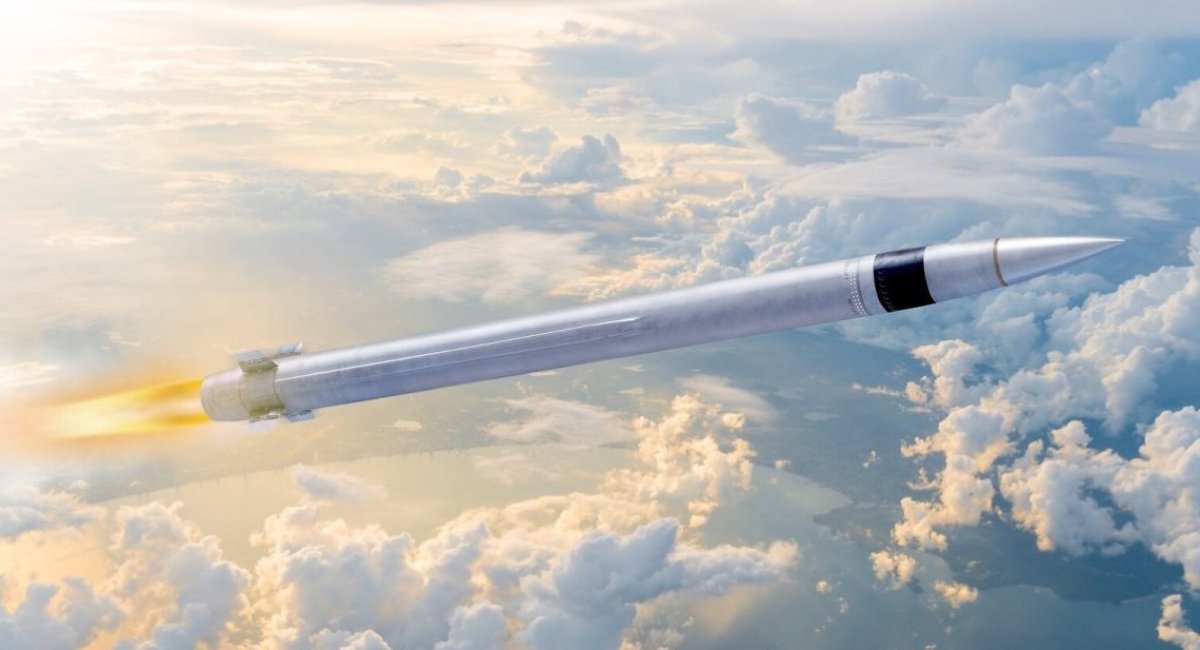
As stated in U.S. Army announcement, agreement was concluded with company under special development procedure to support Future Interceptor development. In its social media Lockheed Martin added this concerns PAC-3 Edge, and contract covers testing and low-rate initial production.
Read more: Germany Orders MBDA to Develop Airborne Laser Weapon Pod for Fighters, Aims to Kill Drones Without Burning Through Scarce Missiles
Overall project value is estimated at $1.08 billion, of which $660.4 million will come from government funding and $423 million will be invested by Lockheed Martin. Overall new development should complement already existing assets within U.S. Army’s Integrated Air and Missile Defense system.
Defense Express notes in Future Interceptor program finals Lockheed Martin was opposed by one more company. Earlier rumors suggested this could be Anduril, which presented Steelfin family of air defense missiles. Claims about first flight in 2027 and mass serial production in 2028-2029 did not help here.
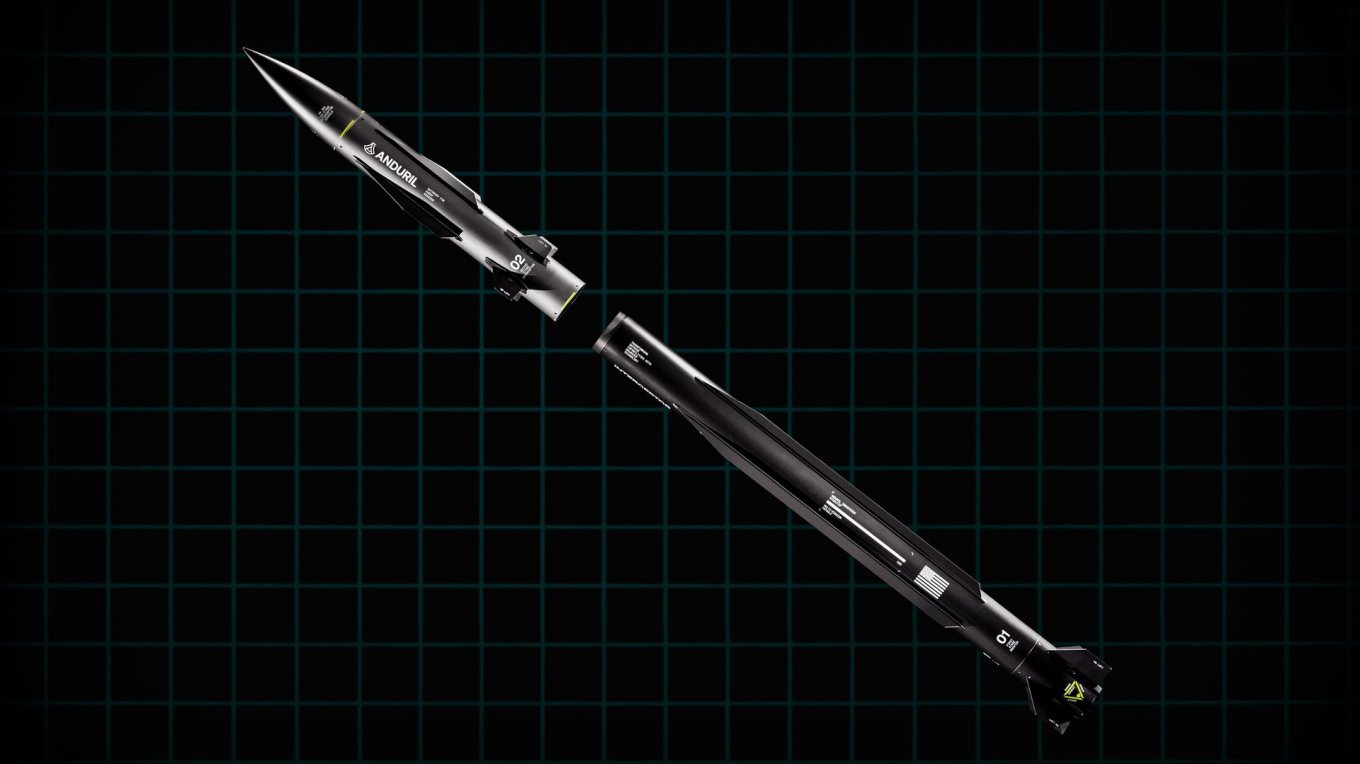
Worth noting Anduril may also receive contract for different project, or company did not participate in program at all, because this was not officially confirmed — they only said Steelfin would fit Future Interceptor. However if company was participant, then it turns out promises of mass production and versatility did not help and gave way to developing already proven system.
Overall American military chose continued development of technologies from combat-proven PAC-3 MSE. Defense Express recalls latter already demonstrated ability to intercept ballistic and hypersonic missiles, including russian Iskander-M and Kinzhal.
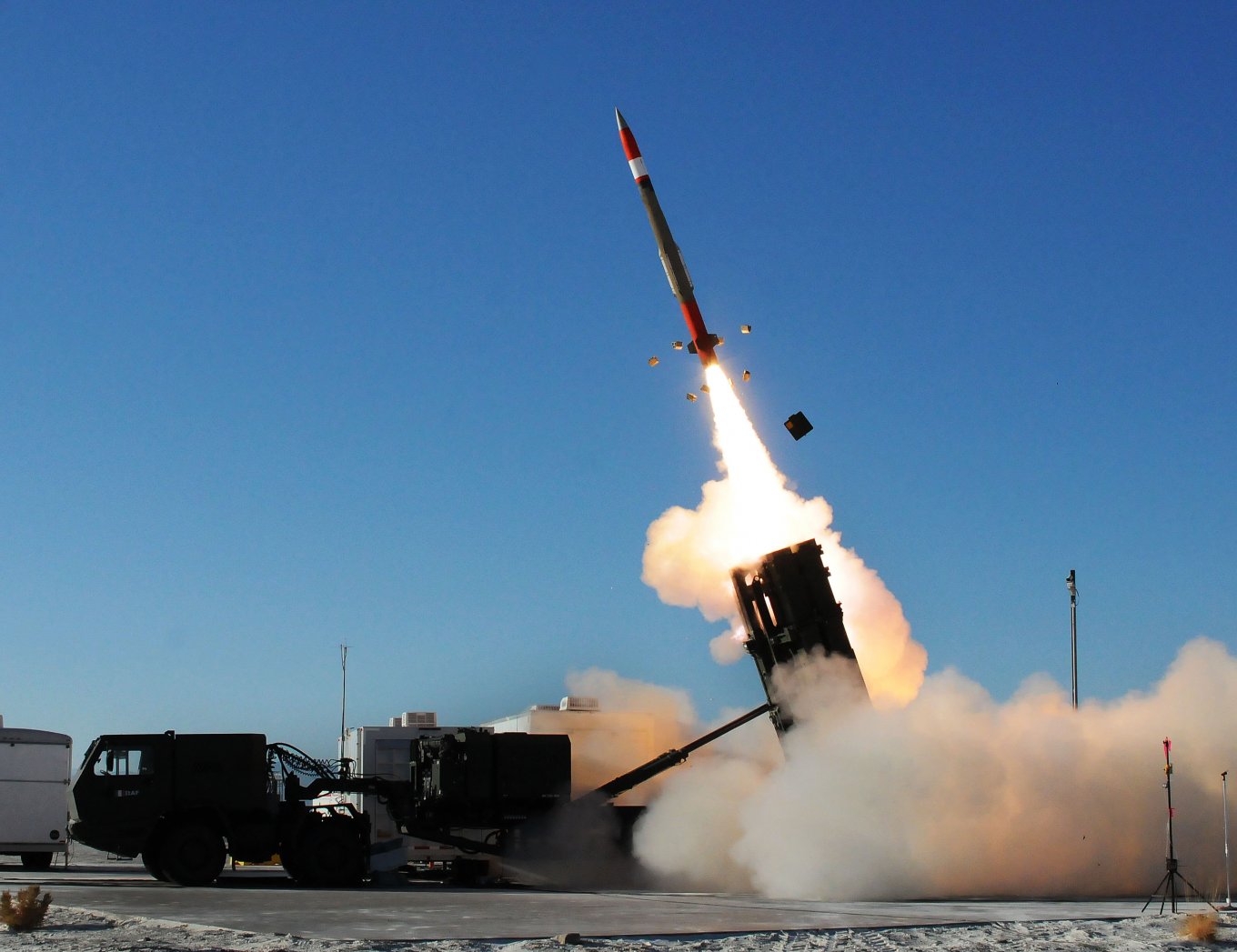
At same time PAC-3 Edge has set of changes, among which developers claim new seeker, as well as multi-pulse solid-fuel motor. Also from illustrative image one can see smaller belt with solid-fuel attitude control thrusters and significantly smaller aerodynamic surfaces.
It is assumed new Lockheed Martin missile will occupy niche between PAC-3 MSE with maximum engagement altitude of 24-32 km and THAAD with minimum engagement altitude of 40 km. This window is exactly what some missiles with hypersonic glide vehicles exploit, creating vulnerability in missile defense system, which PAC-3 Edge could close. Currently planned new interceptor will go to testing in 2027, and fielding is planned for 2031.
Read more: “Was That a Nuclear Bomb?” russians React to Massive Explosion at Warehouse (Video)