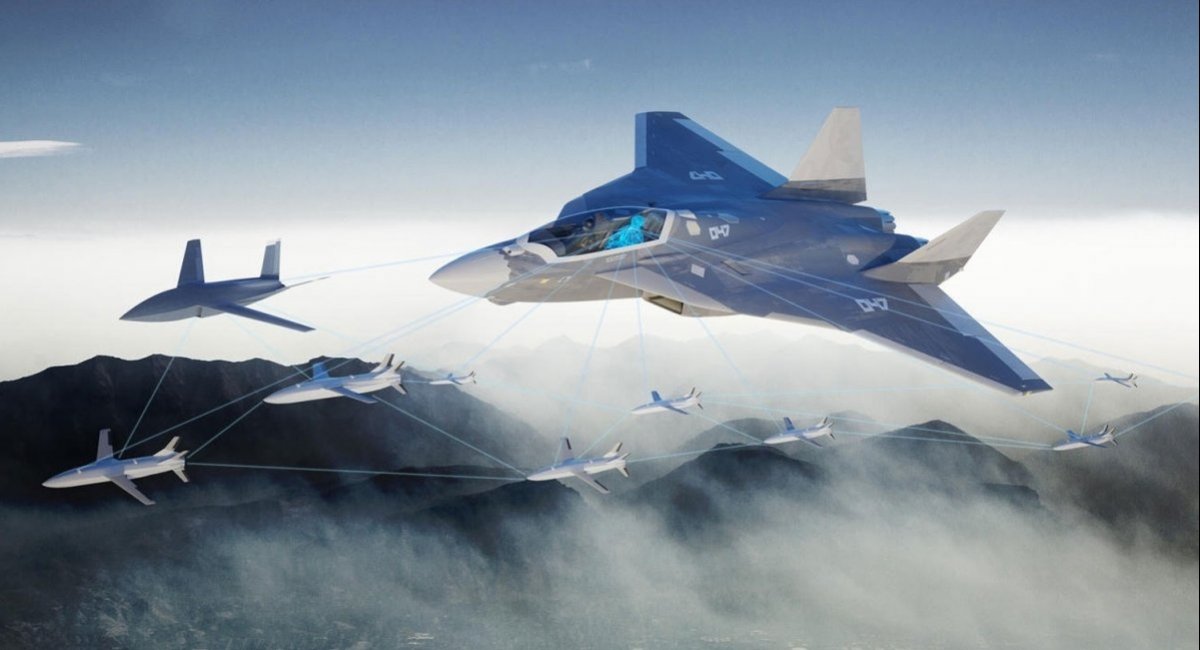
The Indian Ministry of Defense considers the project to develop a sixth-generation fighter in the framework of Future Combat Air System (FCAS) to be promising, announcing that it had initiated coordinated efforts to join this program.
This is stated in a report to the parliamentary defense committee, which also contains a call to accelerate the planning process for arming the air force with new fighters.
Read more: Eurofighter Typhoon Tranche 4 Takes Flight, Giving Europe a Powerful New Rival to russia's Su-35 and Su-57
It is worth adding that Delhi has been choosing between European sixth-generation fighter projects since March 2026, determining that the choice must be made urgently. The competitor of FCAS was the British-Italian-Japanese project Global Combat Air Programme (GCAP), within the framework of which the 6th generation Tempest fighter is being developed.
The choice of FCAS was more than predictable. Firstly, one of the three participants in this project, Germany, actually left this project in June. This opens up the opportunity for Delhi to join the project on quite favorable terms, but not simply count on its purchase in the future.
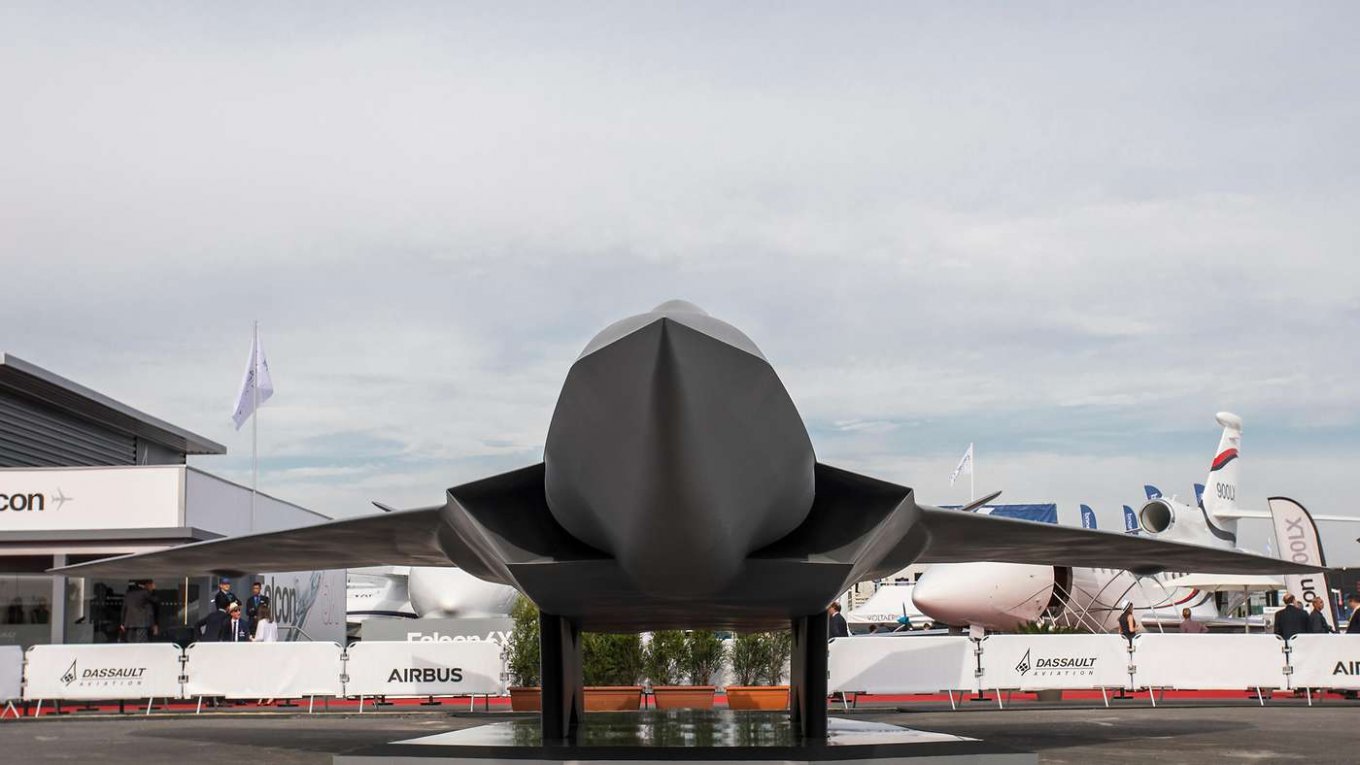
Secondly, India is actively purchasing Rafale fighters from France, and the expected mega-deal for 114 fighters for $ 34 billion, provides for the broad localization of the production of 4.5 generation fighters in India.
In addition, India's requirements for a sixth generation fighter may be closer to the French ones. India is actively developing the aircraft carrier component of the Navy, so the possibility of obtaining a single aircraft in versions for the air force and the fleet looks quite attractive.
In contrast, the project to create the Tempest fighter, according to available information, does not provide for the creation of a separate carrier-based version. Also, the conditions for joining this project may be much stricter, as it has already been formed, and participation in cooperation is distributed.
At the same time, India's desire to join the FCAS may be quite beneficial for Paris, which will help with financing and production capacity issues. For France, this may be even more attractive if India agrees to the role of a "junior partner", which will not have a critical influence on the development and making key decisions, but will gain access to a high-tech breakthrough project with the right to its own production.
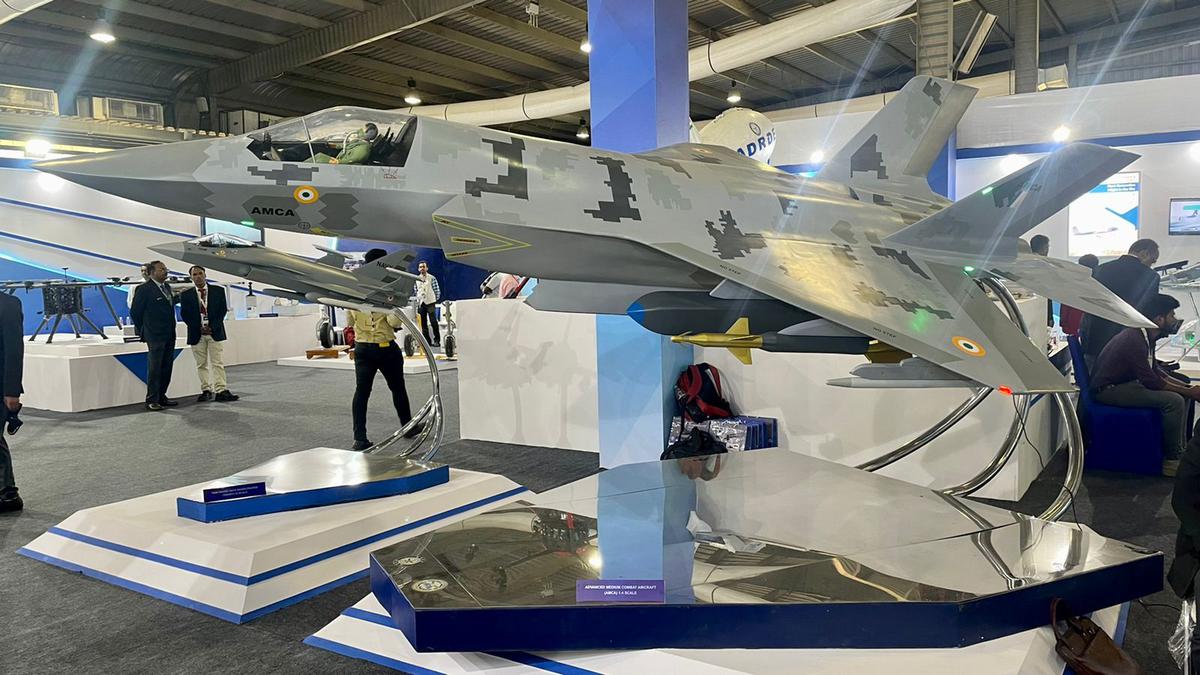
Ultimately, India's joining the FCAS also means that russia is very likely to lose this customer for decades or even forever. Delhi has already officially abandoned the purchase of the Su-57, giving priority to its own development of the Advanced Medium Combat Aircraft (AMCA). It should be noted that that the sixth-generation fighter is an aircraft that will enter mass production closer to the 2040s and be in service until the end of this century.
Read more: India’s 114 Rafale Deal Stalled Over Source Code Access, France Fears Russian Hands on Fighter Software Through Brahmosn