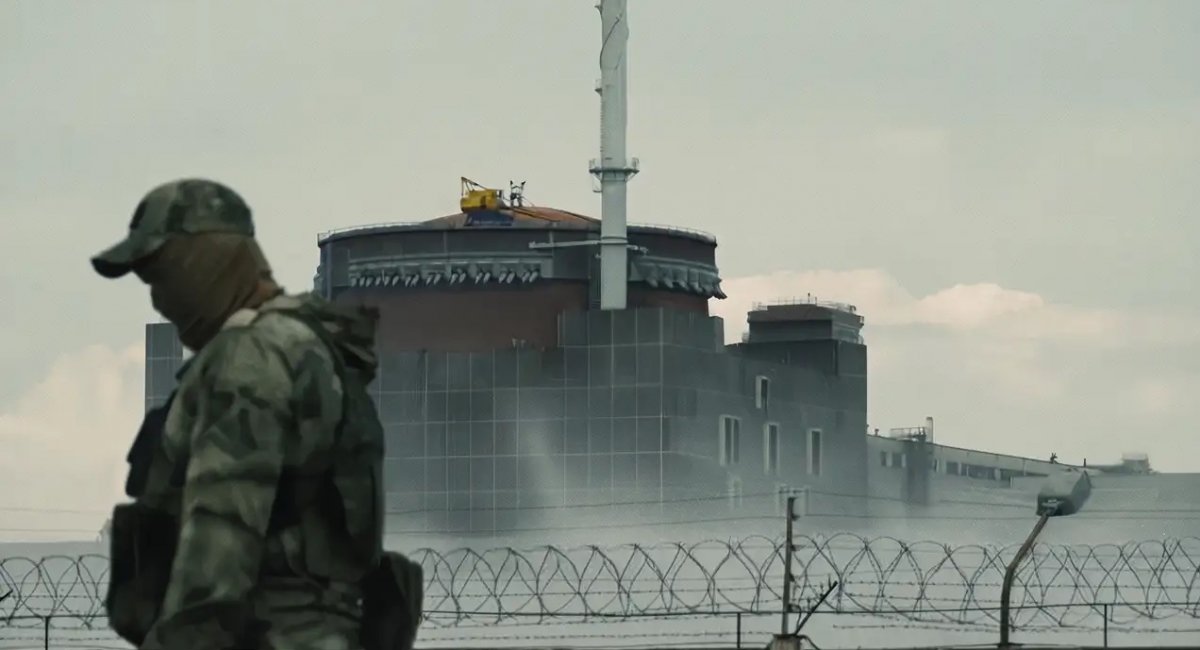
The situation at the temporarily occupied Zaporizhzhia Nuclear Power Plant remains difficult, with declining water levels in its cooling pond and insufficient diesel fuel reserves to sustain emergency generators during a prolonged power outage, according to Ukraine's Defense Intelligence.
As of the first half of October, all six reactor units at the plant remained in cold shutdown and were not generating electricity. However, the facility still requires reliable cooling and backup power systems to maintain nuclear safety.
Read more: Ukraine's Defense Intelligence: russia Has Turned Zaporizhzhia Nuclear Plant Into Military Base
The water level in the plant's cooling pond continued to decline, reaching 12.27 meters on October 12. At the beginning of October, it stood at 12.34 meters, while the level required to meet the plant's needs is at least 15 meters.
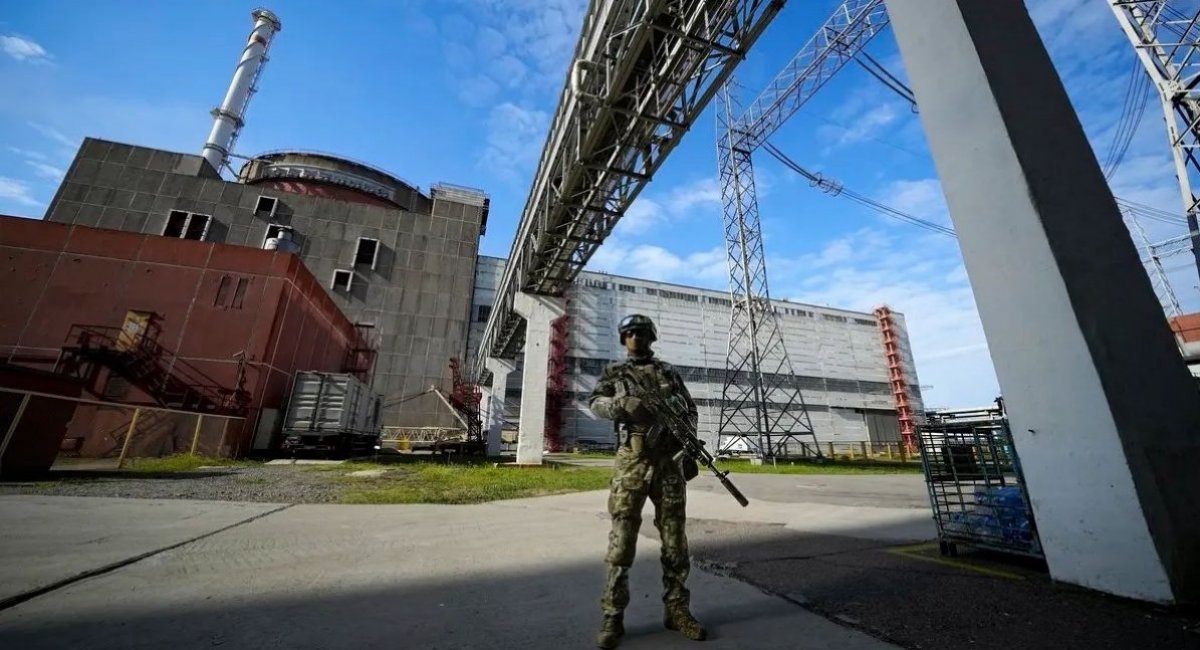
The decline has continued for several months. The water level stood at 12.86 meters in July, fell to 12.63 meters in early August, and reached 12.55 meters by the end of August. The latest figures indicate that the cooling pond remains below the level the agency says is necessary for the plant's requirements.
Another concern is the availability of backup power. In the event of a complete loss of external electricity supplies, the plant would have to rely on diesel generators to maintain essential systems.
Operating these generators during a prolonged blackout would require approximately 150 tonnes of diesel fuel per day. However, the russian occupation administration is unable to provide the required volume, and existing fuel reserves remain minimal.
Because of the shortage, the occupation administration is reportedly considering reducing the number of backup generators kept in automatic standby mode. This could reduce the plant's ability to respond promptly to a loss of external power.
Ukraine's Defense Intelligence warns that reducing the number of generators on standby could increase the risk of emergency situations at the nuclear facility. Combined with the continued decline in cooling pond water levels and the shortage of diesel fuel, the situation raises further concerns about maintaining safe conditions at Europe's largest nuclear power plant.
Read more: China's Nuclear-Powered Railgun Tank at 450km Range Sounds Absurd, But It's Real State-Ordered Three-Phase Plan