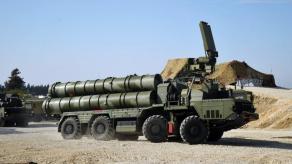
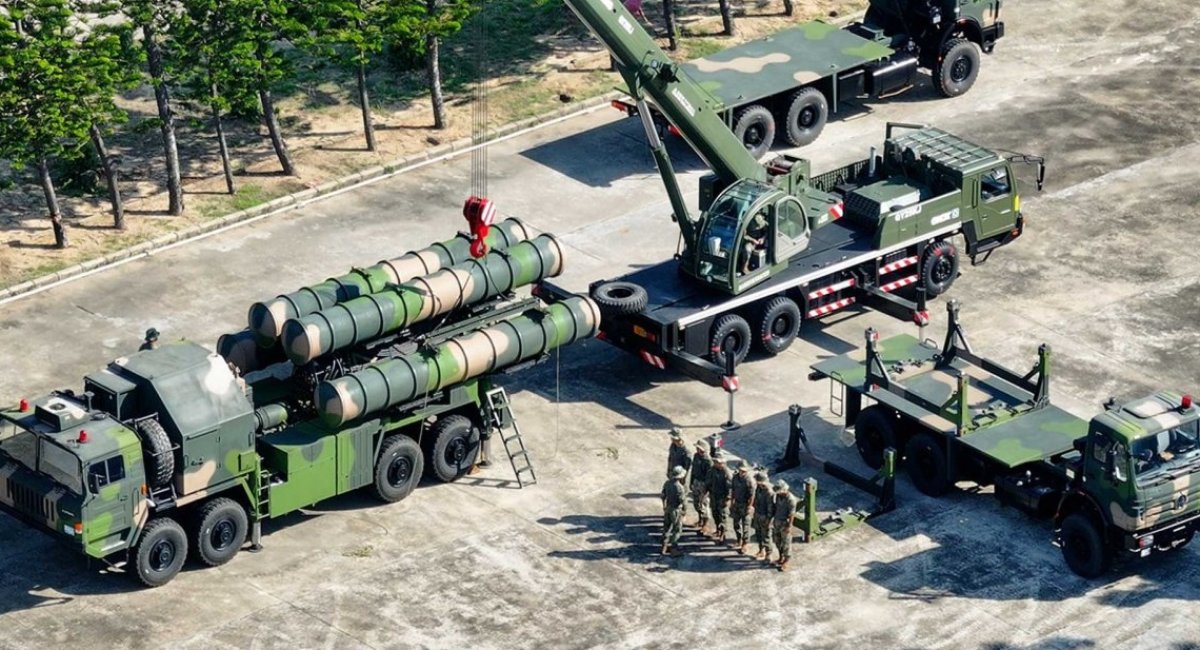
China has had HQ-9B air defense missile systems in service since 2000s. They are clone of S-300, have been actively sold for export, and now have allegedly been taught to shoot down ballistic targets.
On one hand this concerns news that may affect air defense sales in markets of former traditional russian arms buyers. On other hand chinese themselves continue keeping russian-purchased S-300 and S-400 in service.
Read more: EESM Block 2 Missile Production Has Doubled in a Year: How This Interceptor Is Used Worldwide
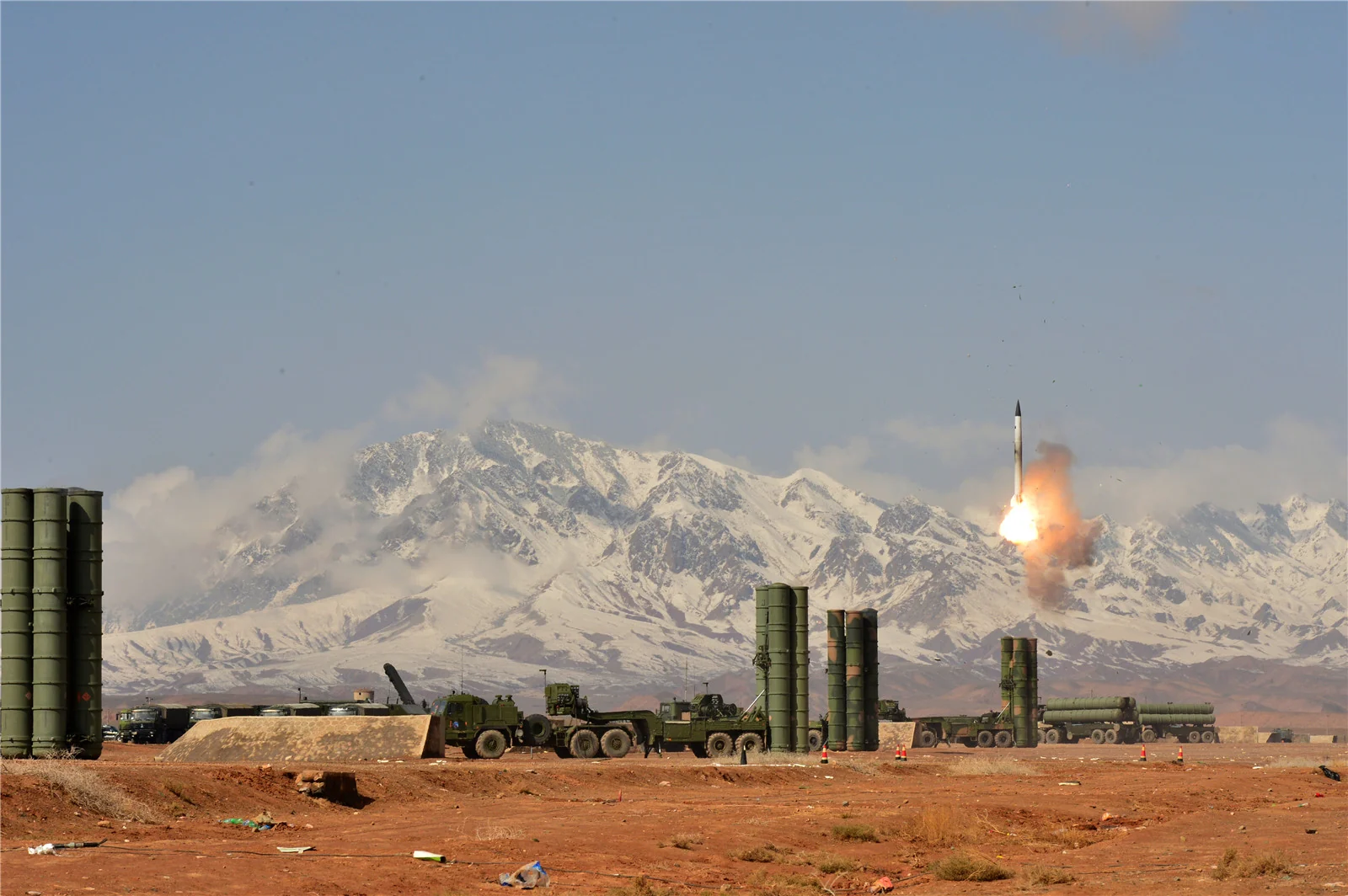
Specifically Janes writes that PLA Air Force Central Command conducted exercise using HQ-9B, which envisioned in particular simultaneous interception of two high-speed targets flying from different directions.
They also cite words of chinese military expert Sun Zhongping for leading propaganda outlet Global Times, where ability of HQ-9B to intercept ballistic missiles is directly claimed, but conditional on rapid reaction of SAM crew and constant radar tracking of target.
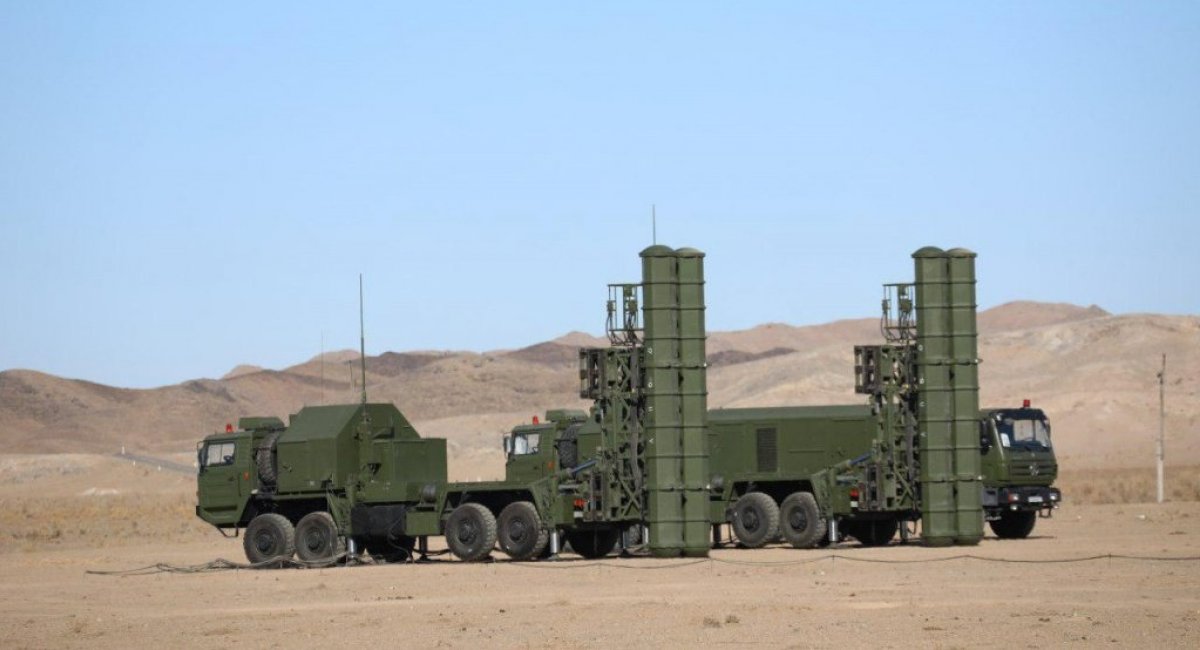
Defense Express further draws attention to following points. Previously there were no public claims about ability of chinese HQ-9B as S-300 clone to shoot down ballistic missiles, but now such claim exists.
This in turn overlays onto data that buyers of HQ-9 family systems (which may also appear under export designation FD-2000) among former traditional russian arms buyers already include Serbia, Azerbaijan and Uzbekistan.
Against which backdrop logical assumption arises that theoretical demand for russian S-300 and S-400 systems worldwide may prove significantly lower, given availability of chinese clones.
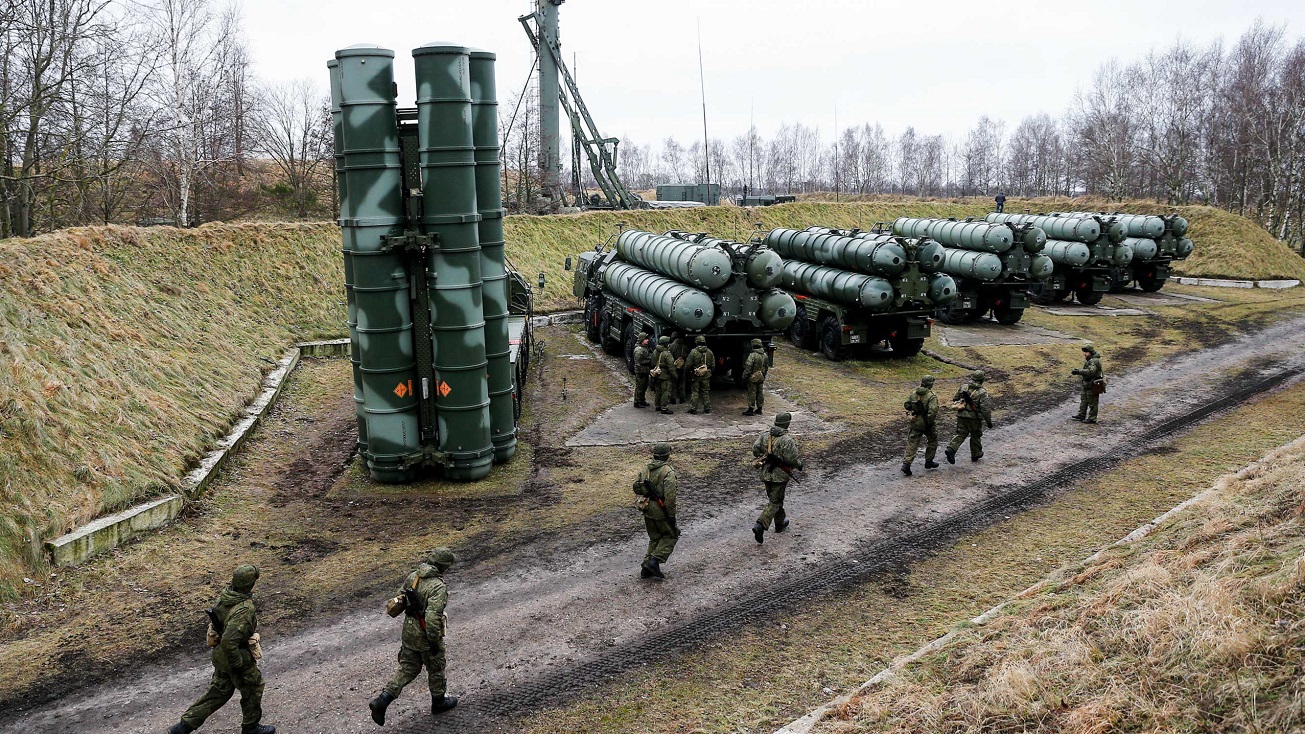
However on other hand, correction should be made for fact that china itself still uses significant quantity of russian-made SAM systems — 32 S-300PMU launchers, 64 S-300PMU1 launchers, 120 S-300PMU2 launchers and 32 S-400 launchers, in addition to 196 HQ-9 and 96 HQ-9B launchers, plus 130 launchers for long-range HQ-22 systems.
Against this backdrop picture looks such that sales of HQ-9 from china or same S-400 from russia will likely depend more on sphere of influence of manufacturer countries rather than actual characteristics of these systems.
Read more: Lockheed Martin Wins $1.08B Future Interceptor With PAC-3 Edge, Fills Gap Between PAC-3 MSE and THAAD Where Hypersonic Gliders Fly