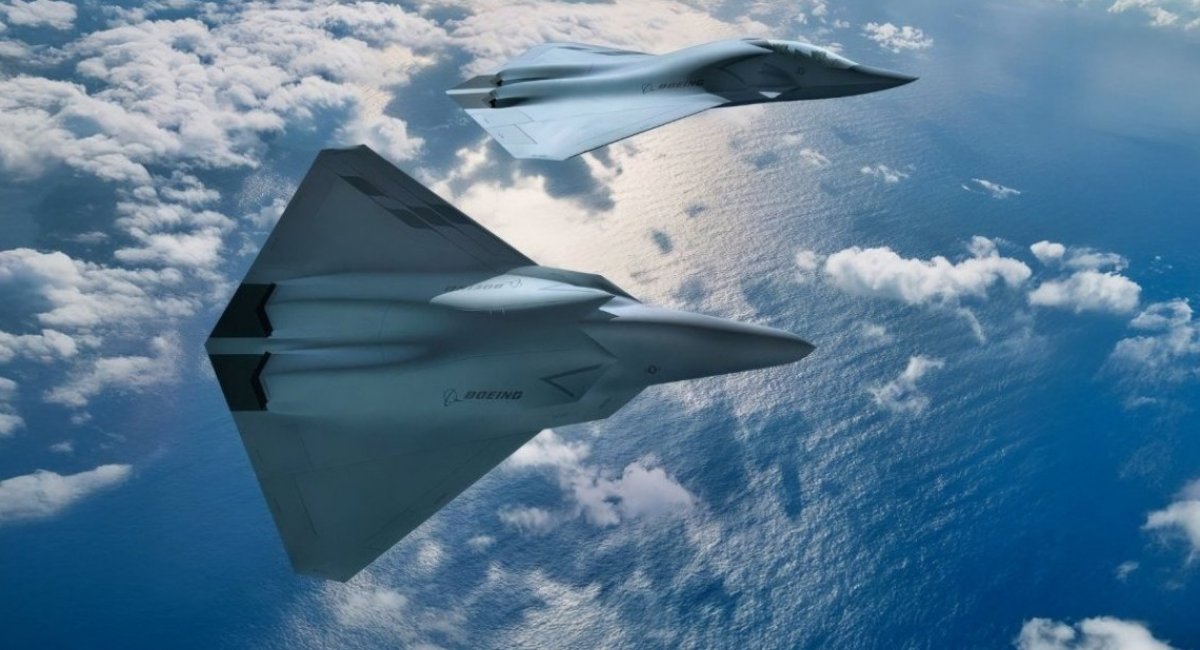
After delays, project freeze threats and constant decision postponement, U.S. determined who will develop carrier-based sixth-generation F/A-XX fighter. It turned out to be Boeing, which already works on sixth-generation F-47 aircraft for U.S. Air Force.
Pentagon announced selection, noting concluded contract for full development will cost over $20 billion. Agreement provides for producing several prototypes for conducting various tests.
Read more: U.S. Sinks Frigate With SAM Missile and Films It From Aboard, Unique Onboard Footage From Atlantic Thunder 2026
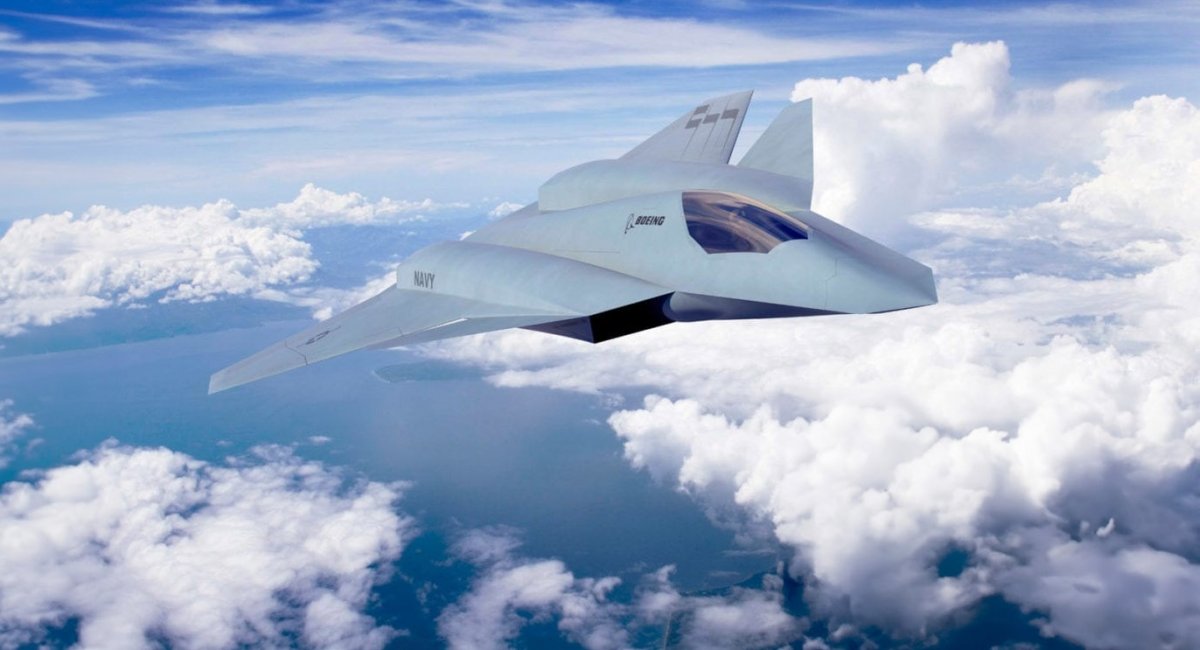
F/A-XX is designed for strengthening and replacing old F/A-18E/F Super Hornet and EA-18G Growler platforms starting from 2030s. New aircraft will be used alongside F-35C and will be compatible with loyal wingman drones, or unmanned fighters under Collaborative Combat Aircraft (CCA) program.
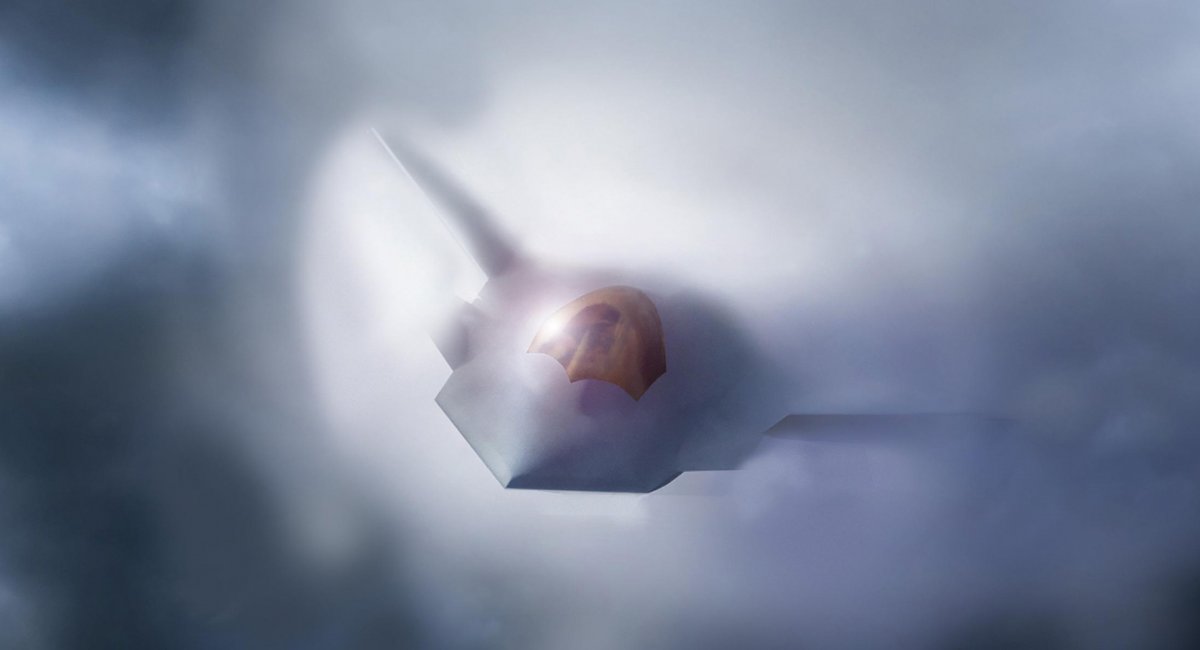
Also Boeing later published own announcement about project implementation together with new carrier-based fighter render. Many noted presence of similar features with land-based F-47 for U.S. Air Force.
Defense Express notes selecting Boeing as developer of both sixth-generation fighters raised concern regarding capability to implement these projects. Although company says it can handle everything, doubts have grounds.
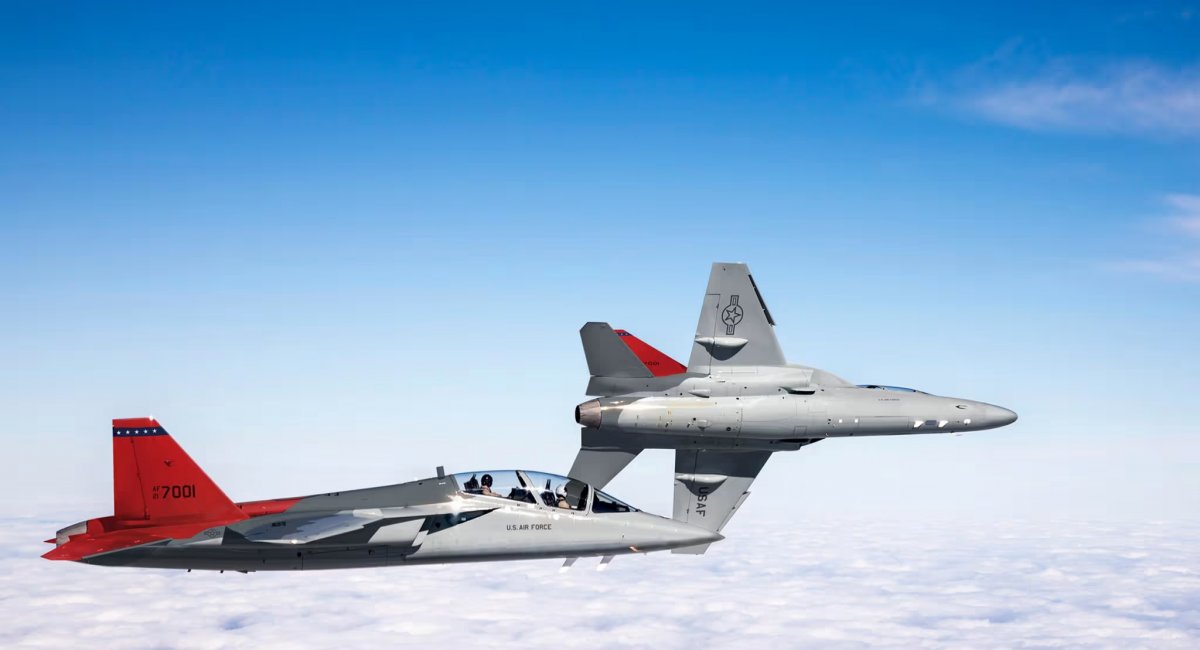
One can recall problems with KC-46A Pegasus tankers having very low readiness, and T-7A Red Hawk trainers. Also currently present are problems with F-15EX production scaling, while under E-7 Wedgetail AWACS aircraft program British recognized Boeing as unreliable partner.
On other hand, quite probable both projects will use same developments and technologies. Such unification may help simplify aircraft development and production process, thus reducing implementation risks.
Also renders' similarity and single developer led to another theory that F/A-XX may be carrier-based F-47 version, similar to F-35C and F-35A. However currently nothing precisely confirms or denies such development.
Overall concentrating both sixth-generation fighter project development in hands of one company looks somewhat risky, but for U.S. this is not first time. Similar situation arose in fifth generation, when F-22 and F-35 developer was Lockheed Martin, and work encountered problems and delays.
However direct comparison between generations must be conducted carefully, as F-35 effectively involves 3 aircraft, one of which is short takeoff and vertical landing. While F-47 and F/A-XX provide for one fighter each for specific roles.
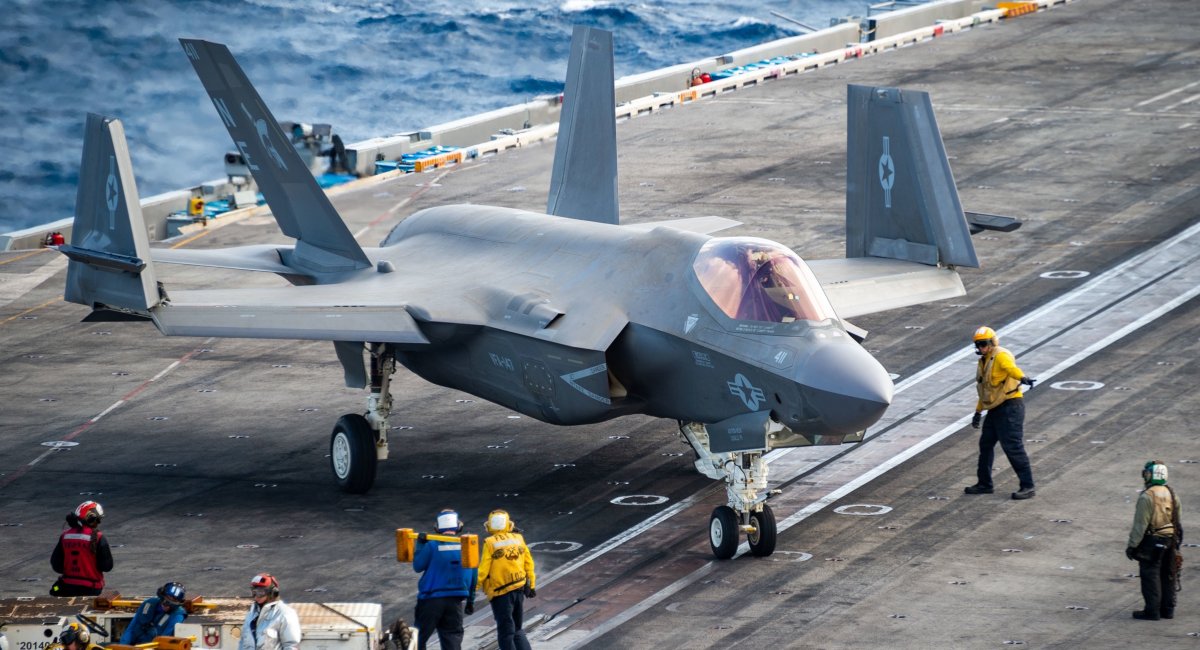
Overall contractor selection is enormous relief for U.S. Navy, which lived in uncertainty regarding its carrier-based aviation. Now needed is for project to be implemented without another management or budget problems arising.
Read more: Hwasong-11Ma-1 Details Reveal 9.8-Ton "Classical" Hypersonic Missile, Key Question Is Whether Pyongyang Transfers It to russia