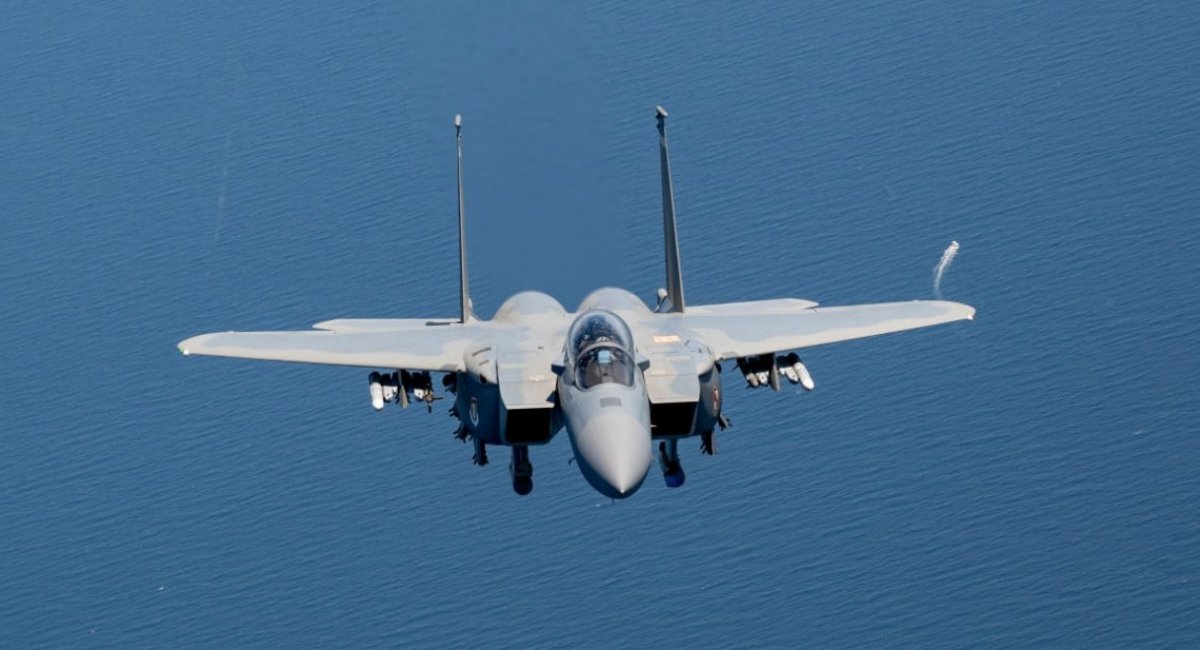
American Boeing genuinely hit the jackpot in combat aviation direction. On September 29, 2026 it was not only announced as developer of sixth-generation carrier-based F/A-XX fighter but also received new contract for 22 more F-15EX Eagle II fighters for U.S. Air Force.
Defense Express previously wrote about F/A-XX and questions surrounding this project. Therefore now worth looking at additional F-15EX aircraft, costing Pentagon $2.38 billion and to be manufactured within Lot 7.
Read more: After FP-7 Combat Debut Ukraine Awaits FP-9 Launch, U.S. Won't Have Own 1,000km HIMARS Missile Until Mid-2030s
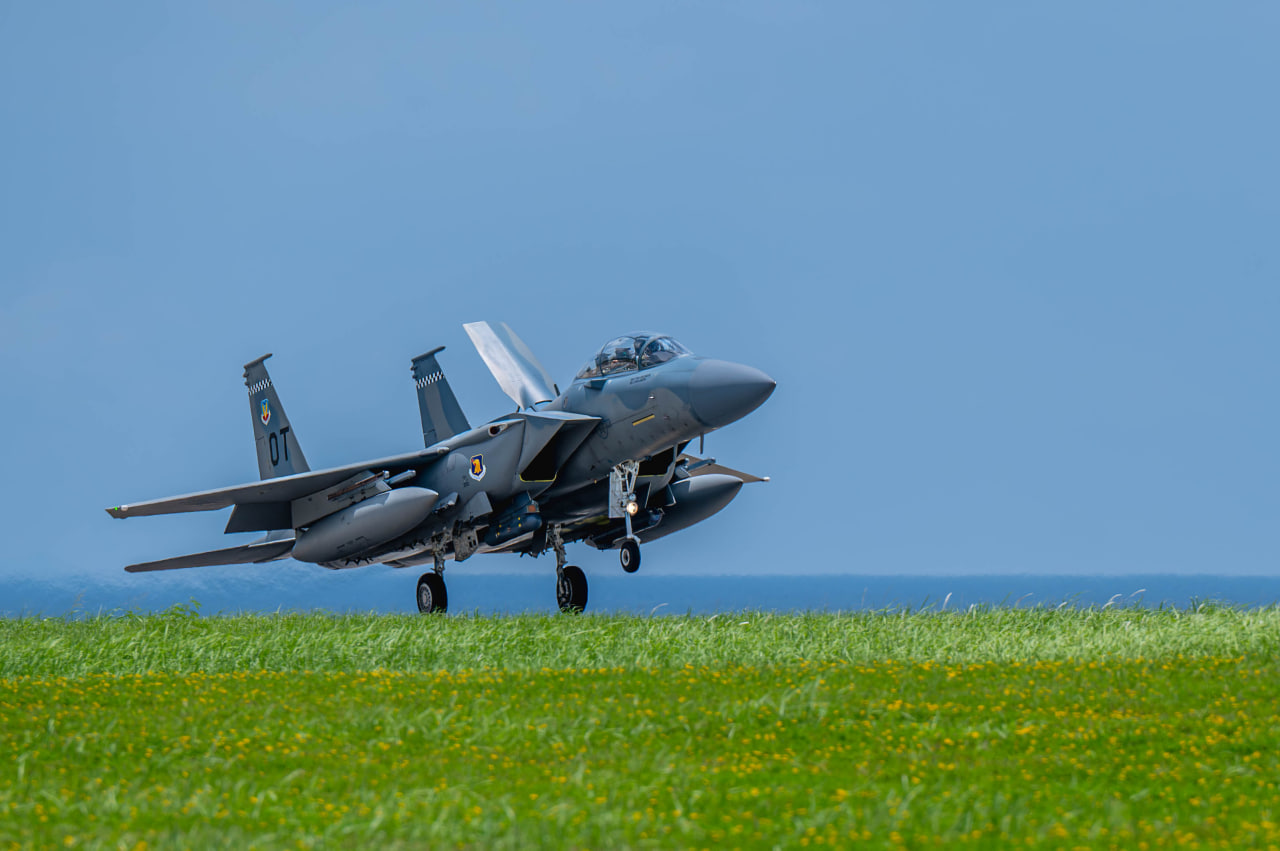
Thus overall Eagle II order for U.S. Air Force will increase to 120 aircraft. Boeing also revealed details that they recently delivered first aircraft from Lot 3 and are working on increasing output to 2 fighters per month.
U.S. Air Force side emphasizes they concluded contract within existing deadlines. Such mention is not without reason, as September 30, 2026 marked previous fiscal year end, so if allocated funds were not spent they would simply be lost.
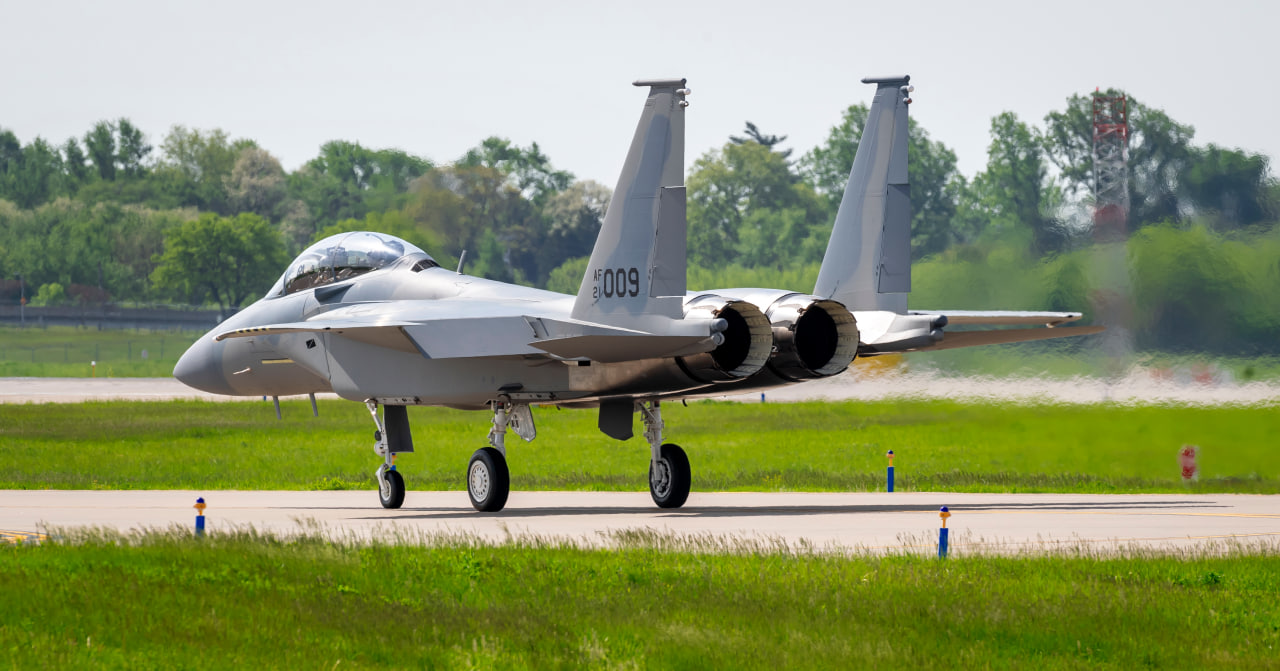
Defense Express notes budget story provides good explanation for Boeing receiving Eagle II and F/A-XX contracts within short time period. Americans waited until last moment and then quickly finalized orders.
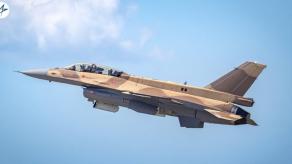
Recall F-15EX is latest iteration of legendary American fighter. It is manufactured from scratch and supplied primarily to U.S. Air Force. It also has derivative variants, such as F-15IA for Israel.
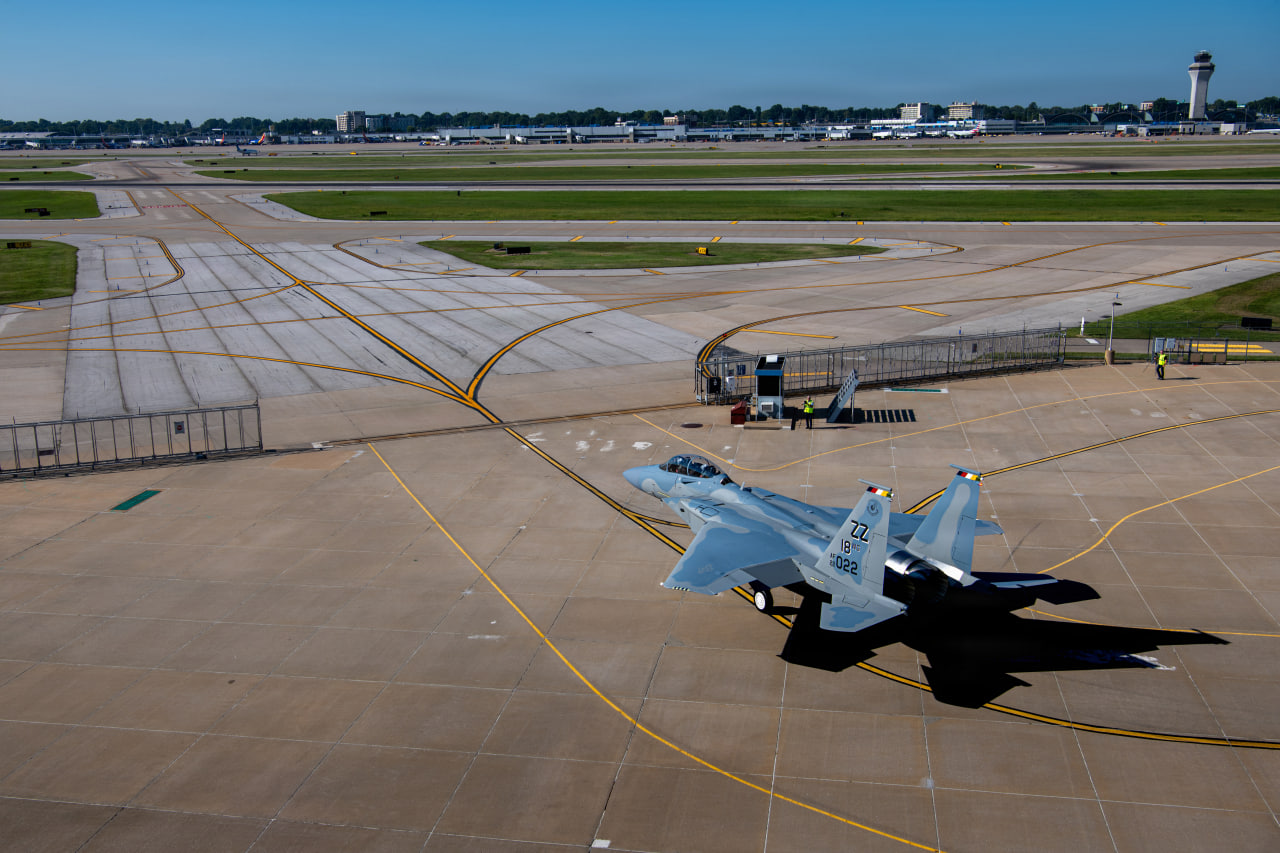
Overall contracts for American military provide opportunity to evaluate equipment price more closely, as exports often cost more. So $2.38 billion for 22 aircraft by rough calculation brings us to approximately $108.2 million per unit.
Regarding production pace, 2 fighters per month gives 24 fighters per year. Previously Boeing already noted they want to achieve annual output of over 20 units starting from 2027. Currently approximately 12 aircraft per year are manufactured.
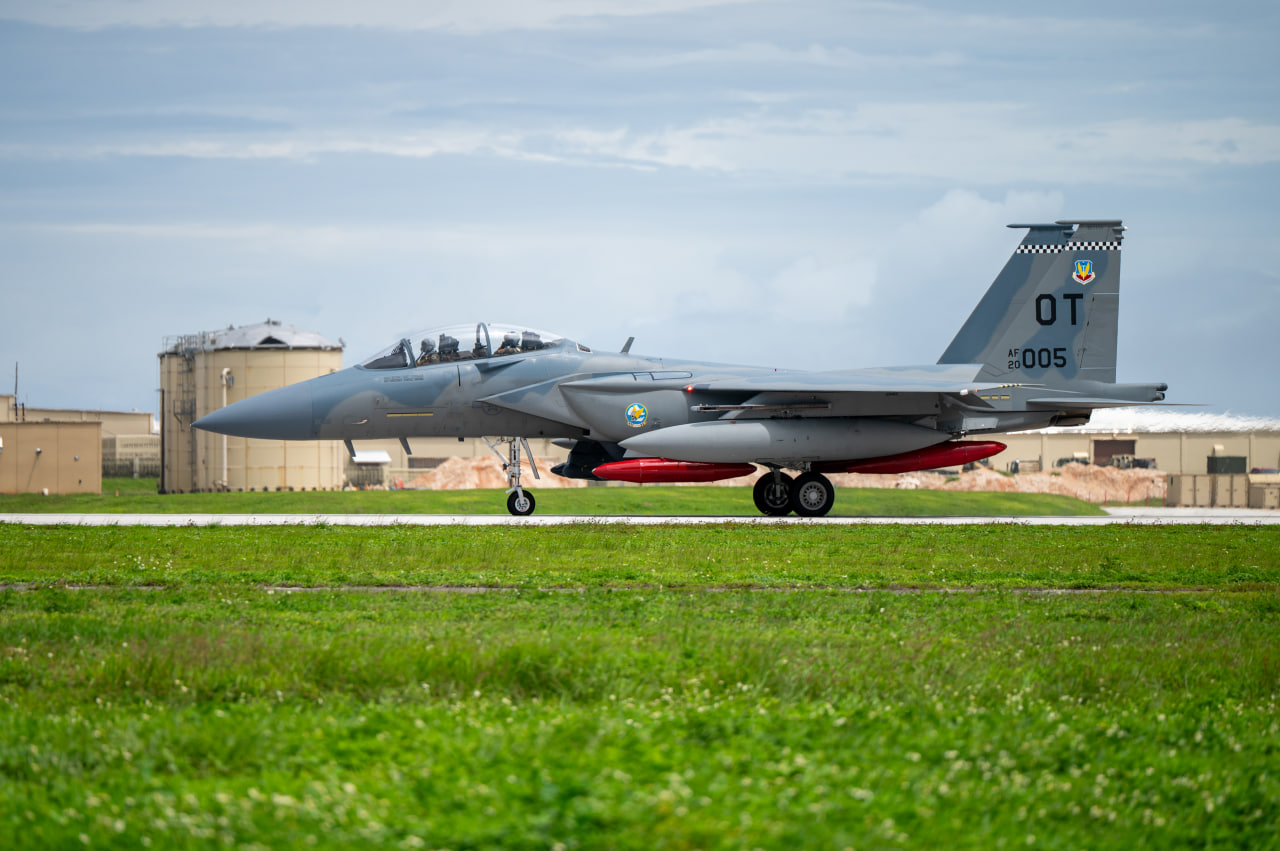
F-15EX, like many other American aviation projects, suffers from delays and bottlenecks in production scaling. This is caused not only by software problems, raw material and component supply issues but also such questions as factory worker strikes.
Together with problems surrounding low fleet size, this pushed U.S. Air Force toward searching for other solutions. One variant is returning to purchasing F-16s, which currently are produced only for export and also have output volume limitations.
Read more: How Many Tu-95MS Strategic Bombers Does russia Have Left After First Crash in 11 Years?