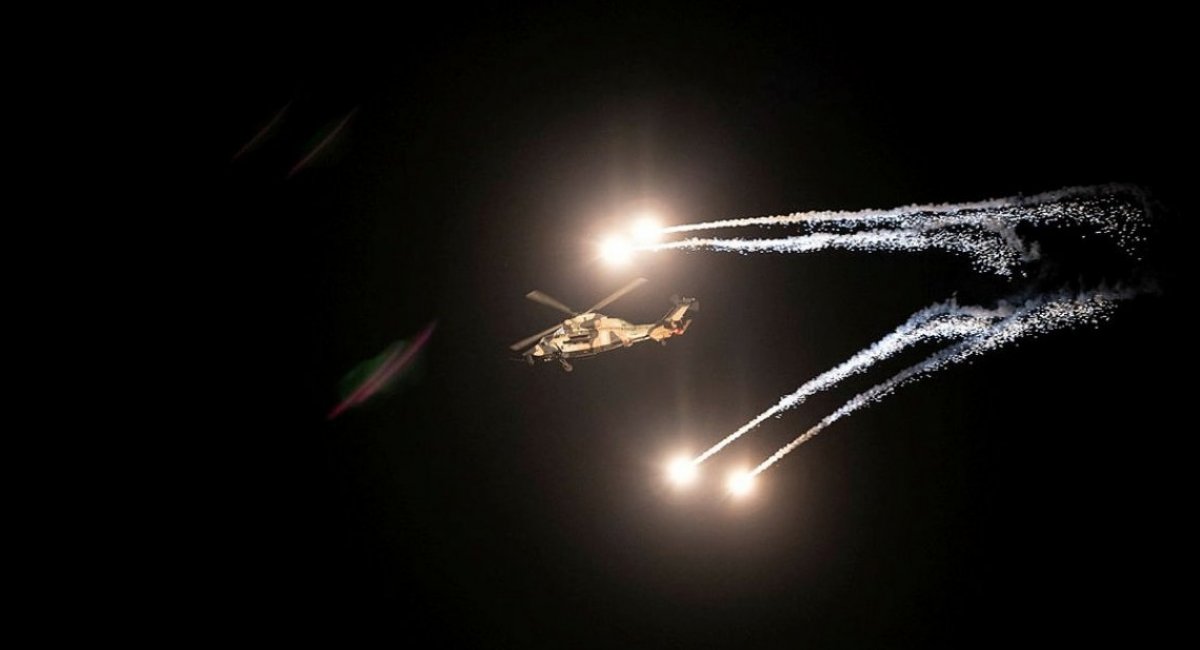
Australian Defense Ministry announced decision to accelerate retirement of all 22 Tiger attack helicopters, which belonged to 1st Aviation Regiment: if previously deadline was 2028, now Australian army will stop flying Tigers by current year, 2025.
In December 2025, Australian authorities declared intent to transfer Tiger helicopters to Ukraine after retirement. Process accelerated, so question arises whether appropriate to return to Australians' promise about Tigers for Armed Forces.
Read more: Hwasong-11Ma-1 Details Reveal 9.8-Ton "Classical" Hypersonic Missile, Key Question Is Whether Pyongyang Transfers It to russia
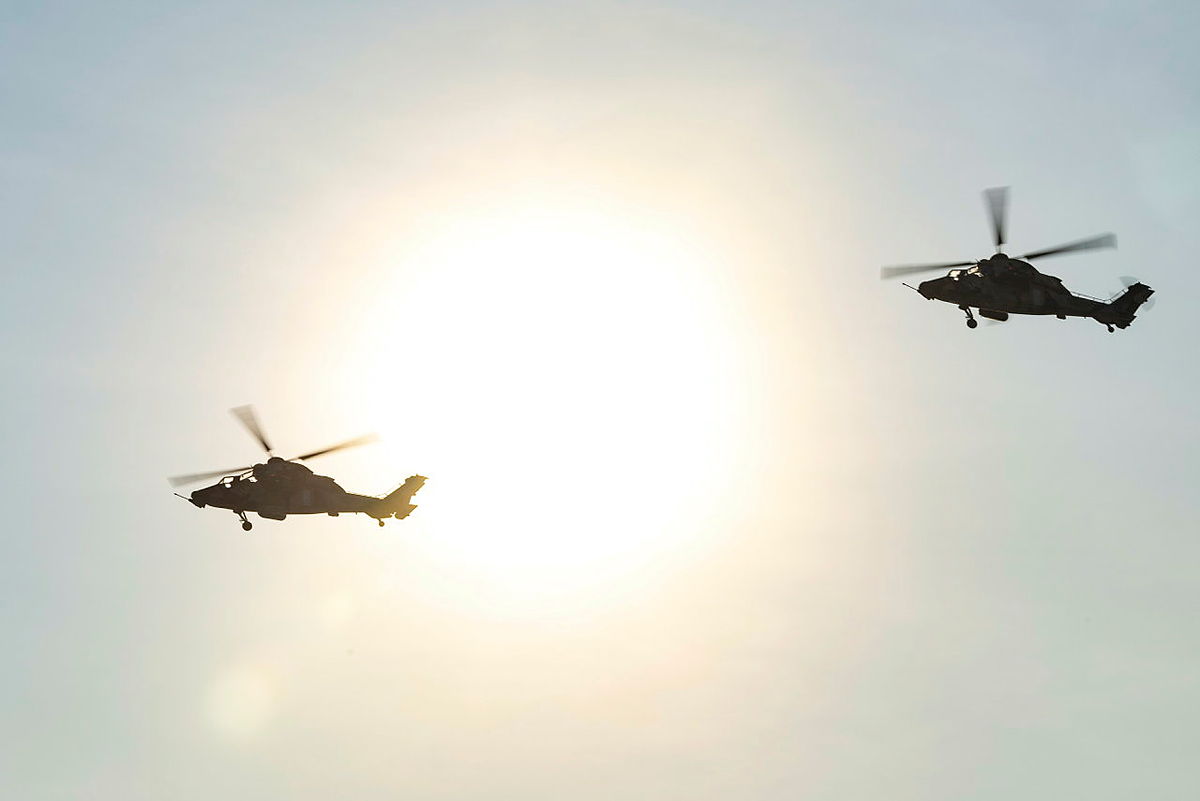
Australian defense department specifies they decided to accelerate Tiger attack helicopter retirement for two reasons:
- These machines already served over 20 years
- To avoid zoo of simultaneously using Tigers and AH-64E Apache.
Initial concept provided that first Australian army would methodically receive all AH-64E Apaches, and only then retire all 22 Tigers. In 2026, Australia already received first six of 29 contracted Apaches and already conducted flight and technical personnel training on new machines. Likely during personnel retraining process, Australian army made decision that Tiger retirement should be accelerated.
What further Tiger fate will be after retirement is not currently detailed. This circumstance already causes certain concern against backdrop that for example about MRH90 Taipan retirement, whose transfer Ukraine requested, it became known only at stage when Australia began cutting these helicopters for scrap.
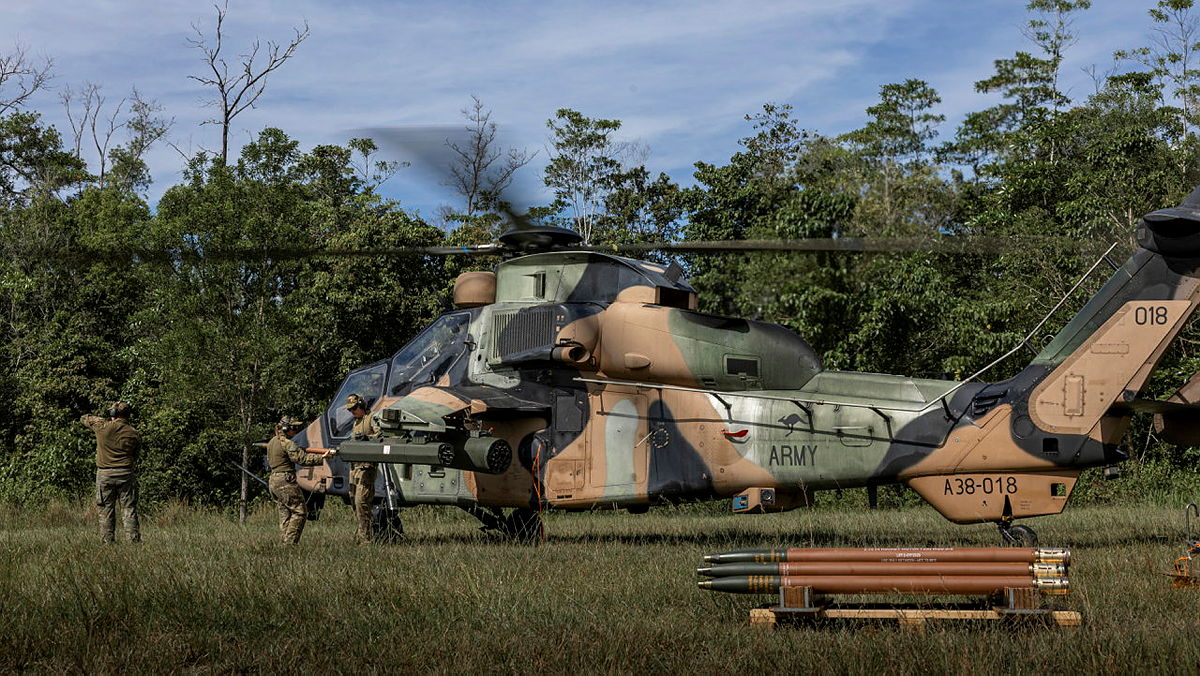
Regarding Australian Tiger helicopters' technical condition, legitimate questions may arise, at least due to problems that manifested during operation.
Besides this, Tiger itself has ambiguous reputation due to problems in other armies — for example, in Bundeswehr in 2019 not a single one of these helicopters was flying due to main rotor problems, against which unsurprising Germany decided to replace these machines ultimately with H145M.
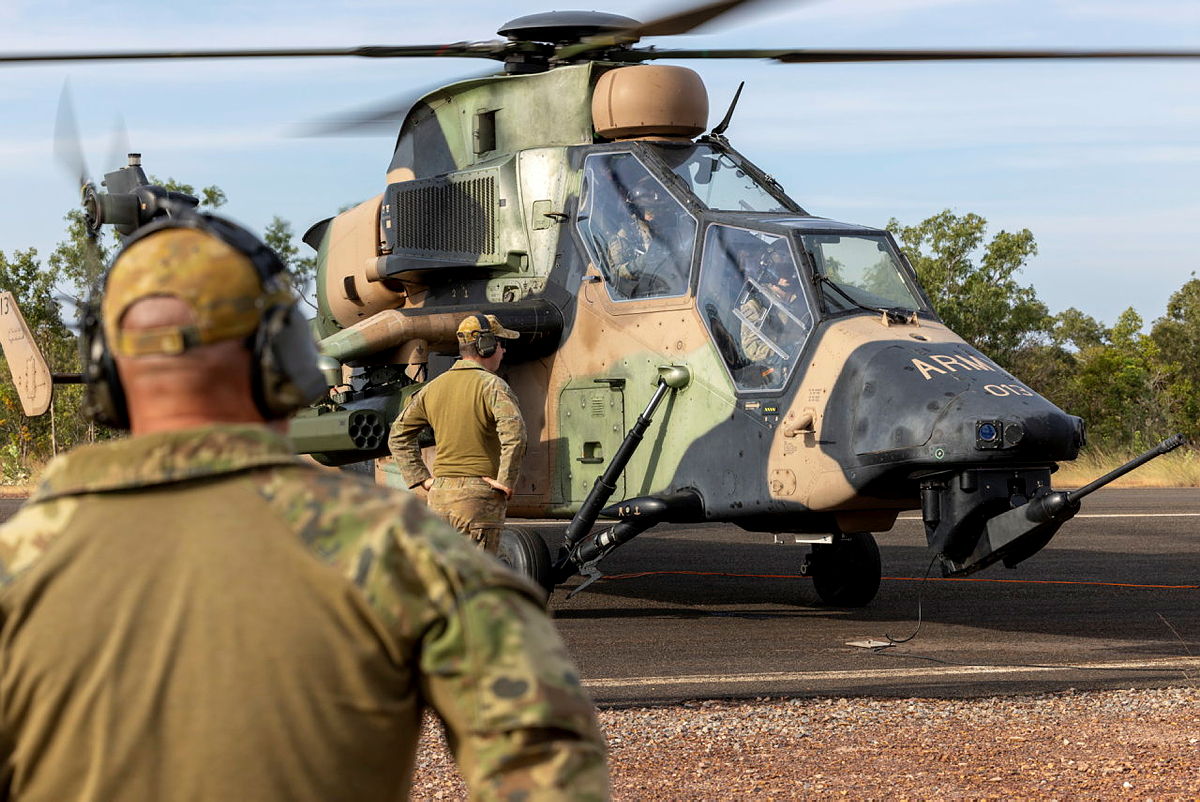
But here question may quite be not so much about Tiger deficiencies themselves as about gaps in maintenance organization in specific armed forces. Especially as for example South African practice shows, if desired one can bring to non-flying condition even fleet of JAS 39 Gripens, which has good reputation for maintenance ease.
If ultimately decision to transfer Australian Tigers to Ukraine is made, then after mastering and organizing maintenance, these machines can be used for intercepting russian UAVs.
UPDATE: The Ambassador of Ukraine to Australia, Vasyl Myroshnychenko, clarified to Defense Express that Ukraine has withdrawn its request to receive Tiger attack helicopters from Australia. Therefore, the issue of the transfer raised in this article can be considered closed.
Read more: Ethiopia Gets Chinese Pantsir Clone FK-2000 Despite Having Six Real Ones, UAE May Be Middleman