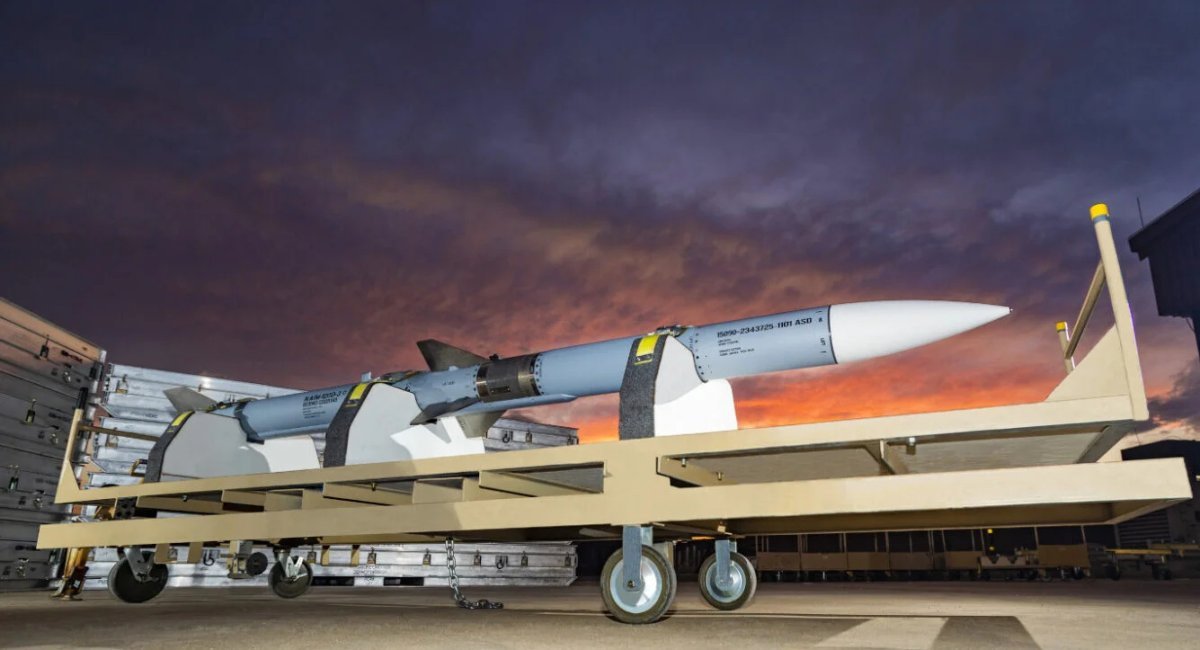
AIM-120 AMRAAM missiles are among the main weapons in the air-to-air arsenals of not only Ukraine's F-16s, but also those of most NATO member states, their partners, and many other countries around the world. This is why the United States is working to increase production, including by localizing some manufacturing operations in Japan.
Japanese Defense Minister Shinjiro Koizumi announced the plans following a meeting with U.S. Secretary of Defense Pete Hegseth. The arrangement предусматривает establishing final assembly and inspection of the missiles at a facility known as FACO.
Read more: How Egypt's Rafales Outperformed russia's Su-35s Using SPECTRA EW System, Could Ukraine Replicate This?
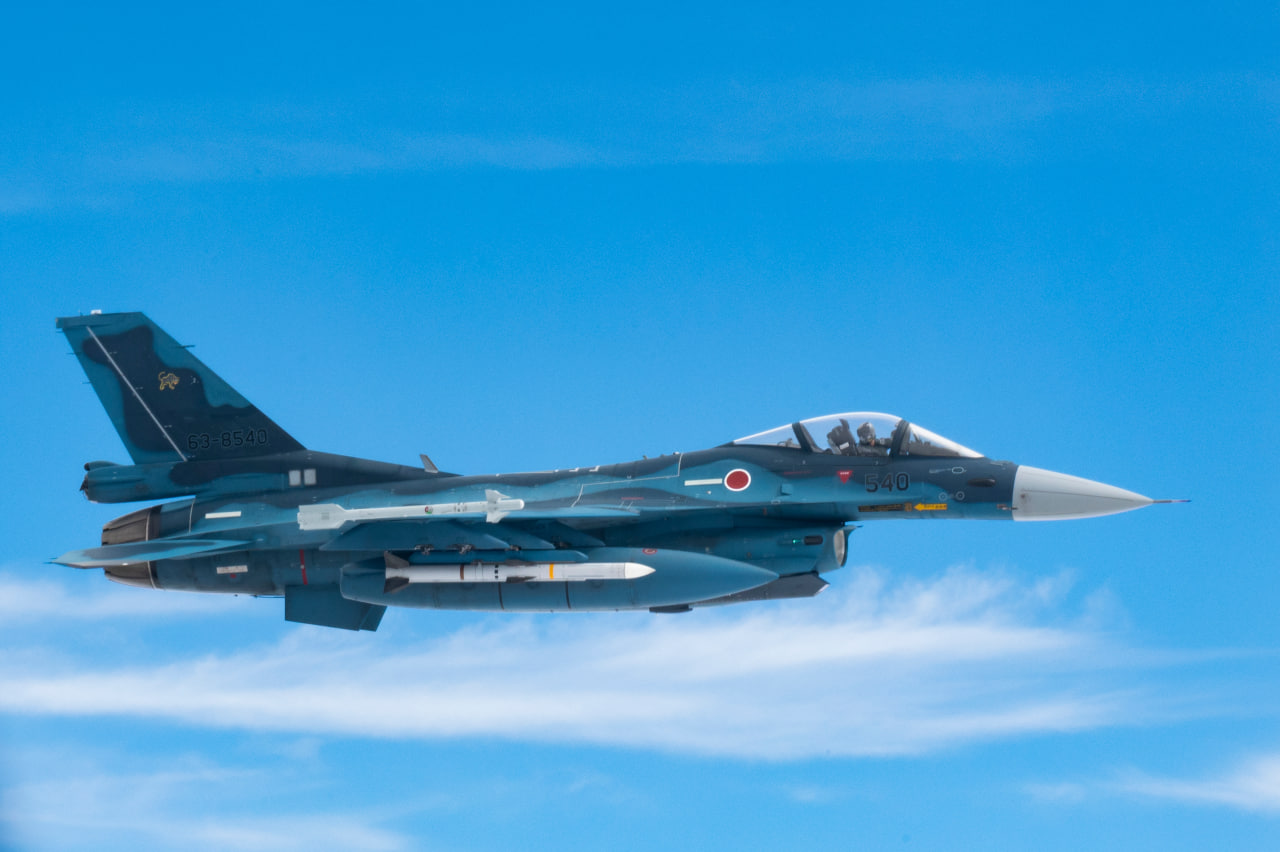
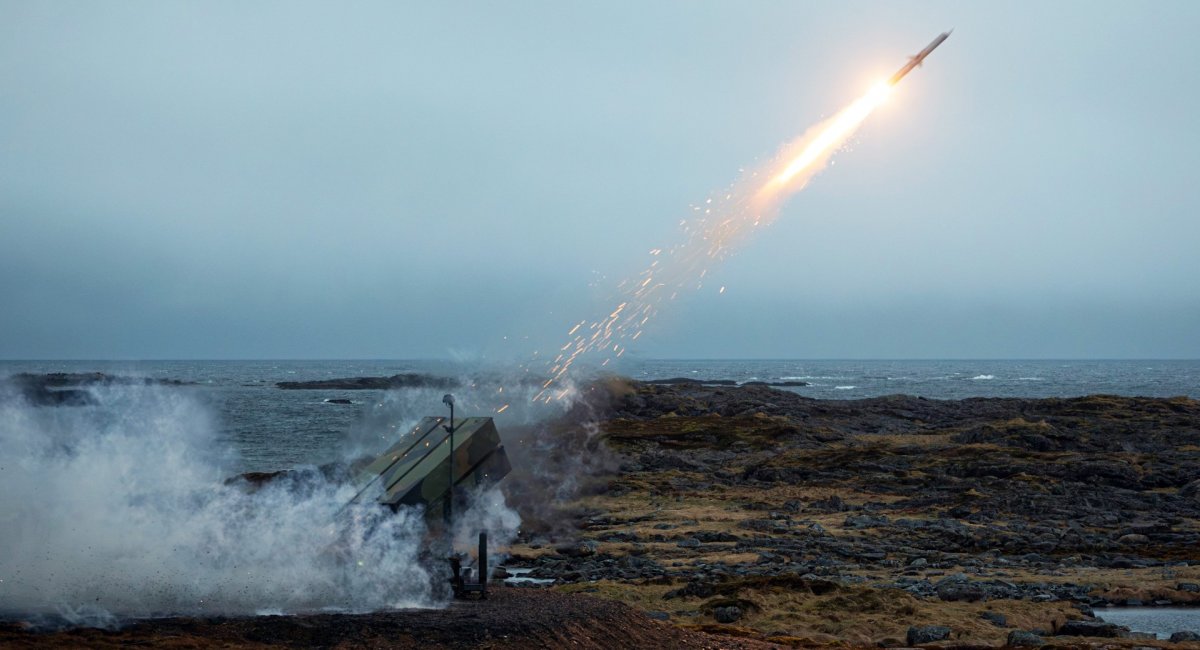
Defense Express notes that Ukraine's Air Force is currently facing a significant shortage of missiles for its F-16 fighters, including AIM-120s. In addition, JAS 39 Gripen fighters are expected to arrive in 2027, while NASAMS air defense systems are already in service with Ukraine's Defense Forces. Both platforms can also use these missiles, creating a need for additional supplies.
Localizing production in Japan is expected to help increase output. The Japanese had been working toward an agreement since 2024, or for approximately two years. However, this may be more of a specific issue with Japan than an indication of a broader problem. In any case, the country is now set to manufacture PAC-3 MSE and SM-3 missiles, Evolved Sea Sparrow Missiles (ESSM), and AMRAAMs.
This is not the first project to localize AIM-120 production. RTX also plans to establish missile assembly and component manufacturing in Belgium. This will increase the overall volume of missiles available for purchase and delivery. One interesting detail is that there have been reports of a possible transfer of AIM-120C-8 production from the United States to Belgian facilities.
However, there are some important nuances. In Japan's case, the agreement specifically concerns missile assembly, which places additional demands on the production of components. A similar issue exists with PAC-3 MSE missiles, which Japan also only assembles, with production limited to relatively small batches. Meanwhile, as previously reported, Belgium will manufacture some of the components.
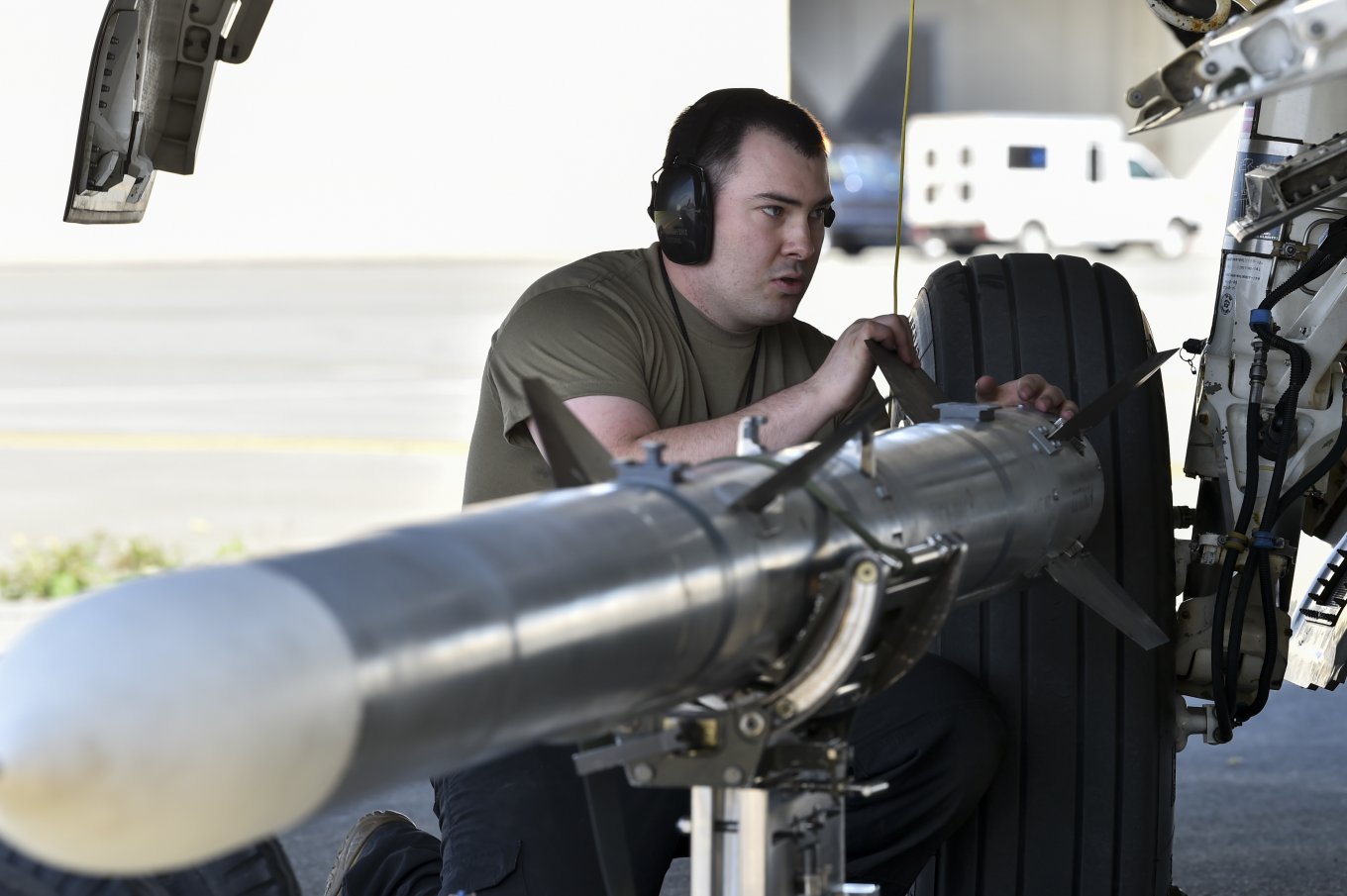
Another factor is that the work is being carried out under a $20.7 billion contract designed to increase production to 1,900 missiles per year. The contract will run for five years, with an option to extend it for another two. This means the impact will not be immediate.
It is worth recalling that AIM-120 AMRAAM missiles can cost several million dollars apiece. In a June approval for a sale to South Korea, the U.S. State Department estimated the cost at $292 million for 70 missiles and two guidance sections, or approximately $4 million per missile. In 2025, Australia reportedly paid $3.25 million per missile. In any case, these are relatively expensive weapons, but they have an important role in the arsenal of Ukraine's Defense Forces.
Read more: Japan Resists German Entry Into GCAP Sixth-Gen Fighter, Tokyo Tells London to Give Berlin Its Own Share