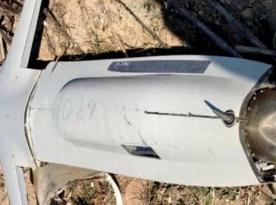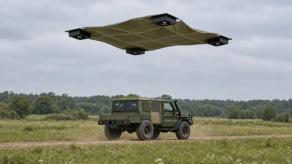
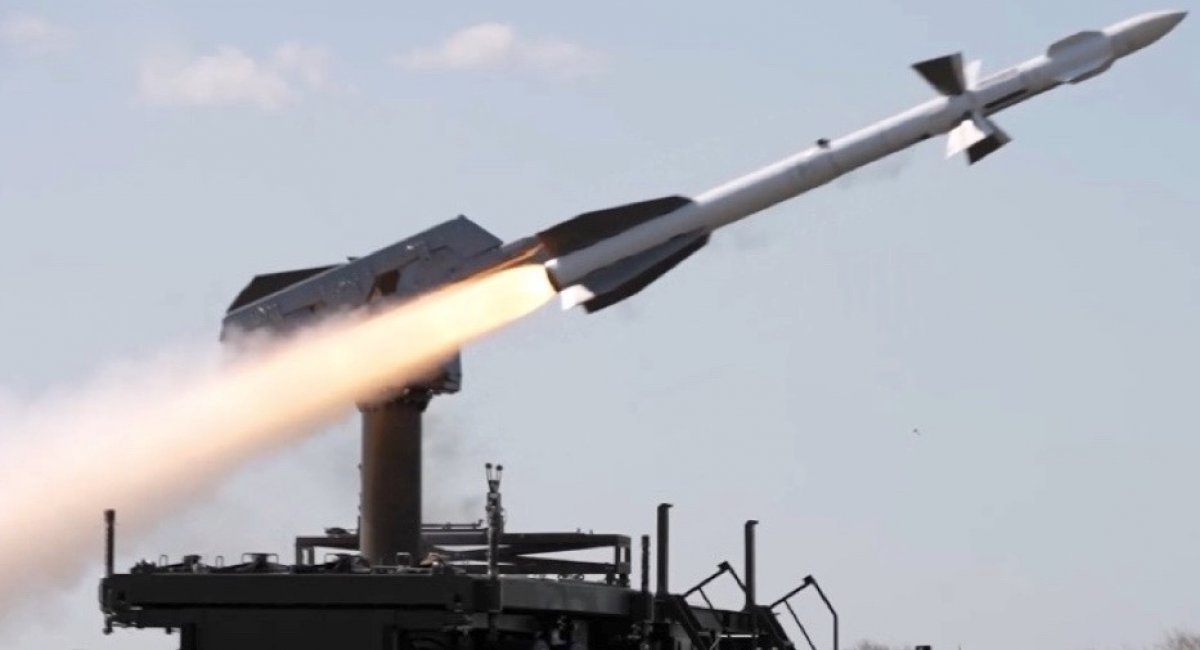
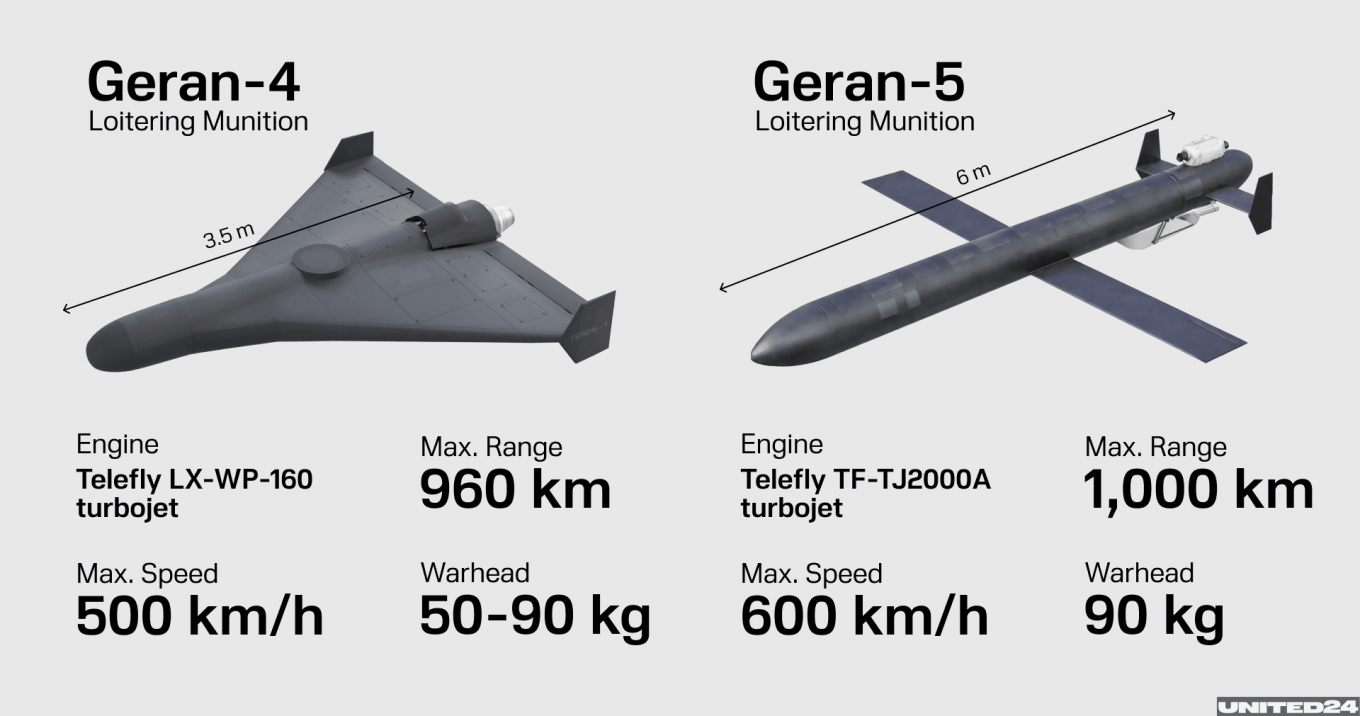
Ukrainian jet-powered interceptor drones currently cannot fully compete with surface-to-air missiles and aircraft when it comes to intercepting russian Geran-4 and Geran-5 UAVs because of a number of physical, technical, and quantitative limitations. When an enemy jet-powered drone flies at an altitude of 5 to 9 km and at a speed of 400 to 600 km/h, a missile is needed to engage such a target.
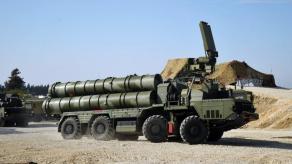
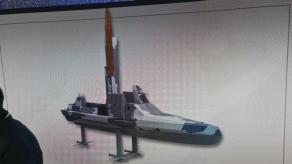
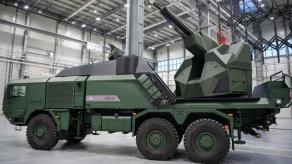
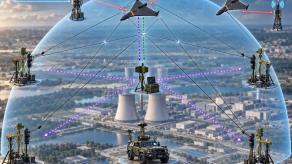
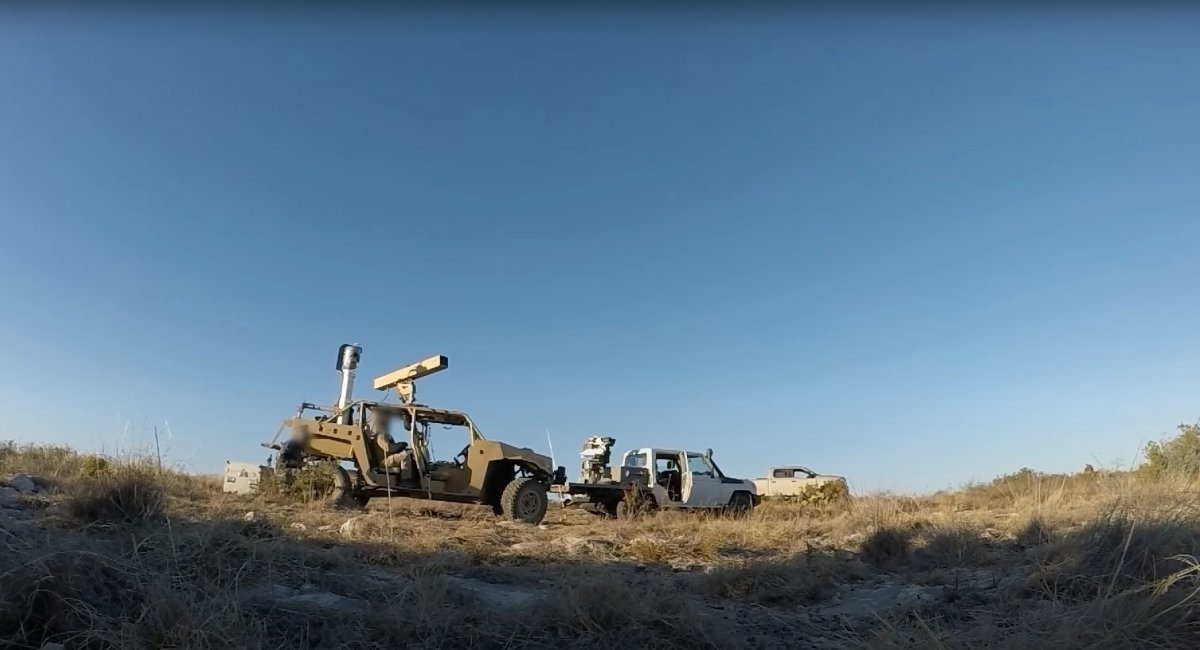
One of the few new Ukrainian air defense developments is the Shershen short-range multicaliber air defense system. It was developed to protect infrastructure, including critical industrial facilities, command posts, communications hubs, bridges, airfields, and other important sites. The system has completed its trials.
Read more: russia Arms Geran-4 Drones With New 40 kg Warheads Designed to Destroy Power Lines and Steel Bridges
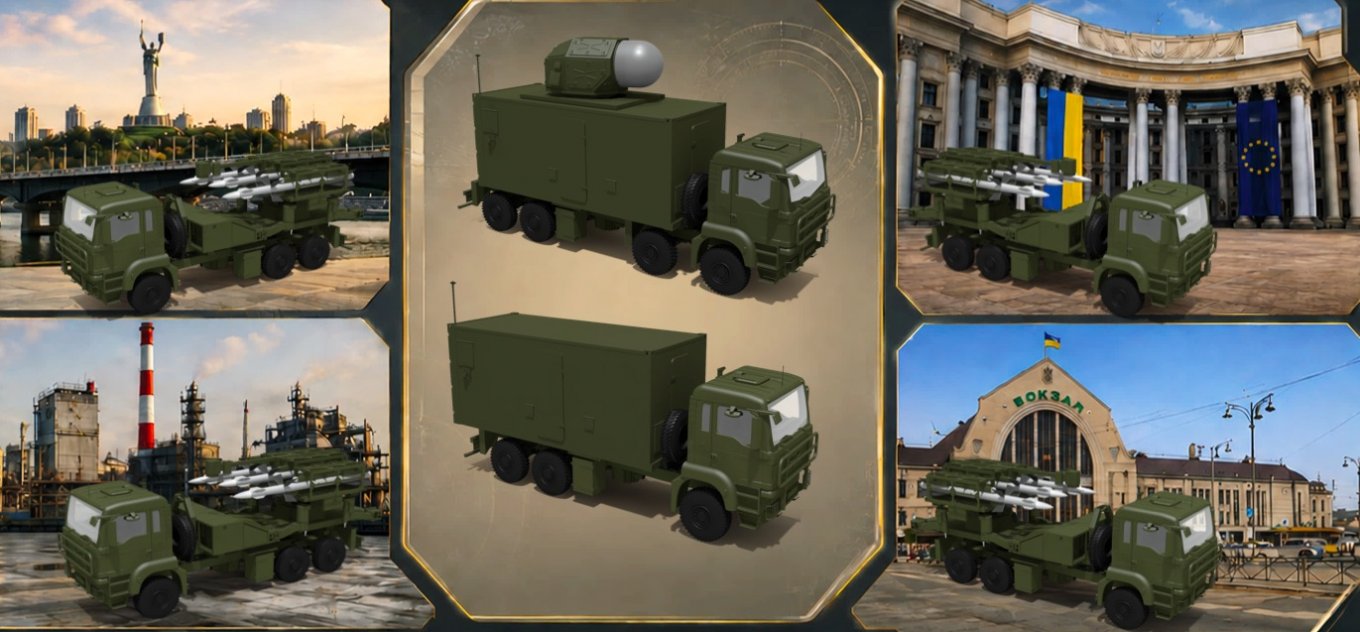
By the end of 2024, the components of the Shershen air defense system, including its combat control post, radar station, and launcher, had been codified and could be procured for the needs of Ukraine’s Defense Forces.
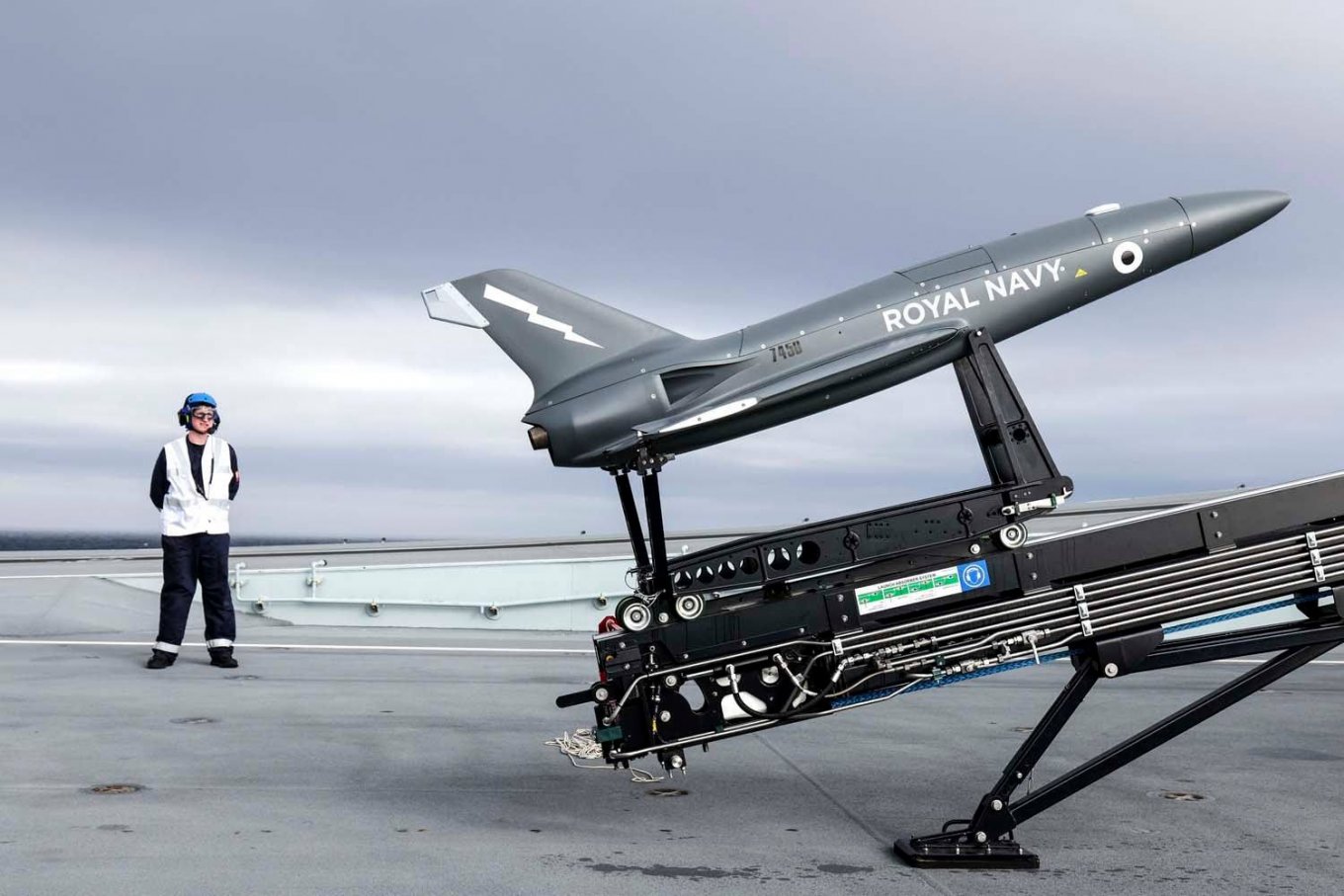
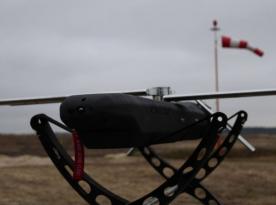
During the trials, British-made Banshee Jet 80 target drones were among the targets used to test the Shershen system. These drones have a speed range of 180 to 720 km/h.
The tests evaluated the ability of the Shershen system’s Esmeralda surveillance radar to detect small targets at different altitudes. They also assessed the system’s effectiveness against targets using various Soviet- and foreign-made missiles, as well as upgraded weapons featuring key components produced in Ukraine. These included missiles equipped with infrared and radar homing seekers adapted for R-27ET and R-27ER missiles, with launches conducted against targets in both the forward and rear hemispheres.
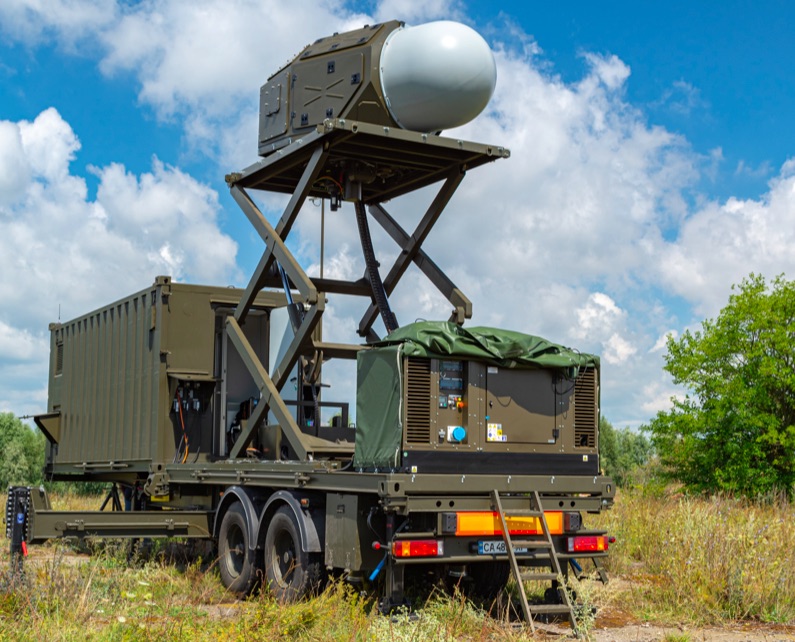
Successful engagements of four aerial targets using different missiles with infrared seekers, including the R-27ET, AIM-9M, and R-73L, as well as another target using the radar-guided R-27ER, confirmed the declared capabilities of the Shershen short-range air defense system. The system is designed to engage a wide range of aerodynamic targets, including aircraft, helicopters, cruise missiles, and unmanned aerial vehicles, at ranges of up to 25 km and altitudes of up to 10 km.
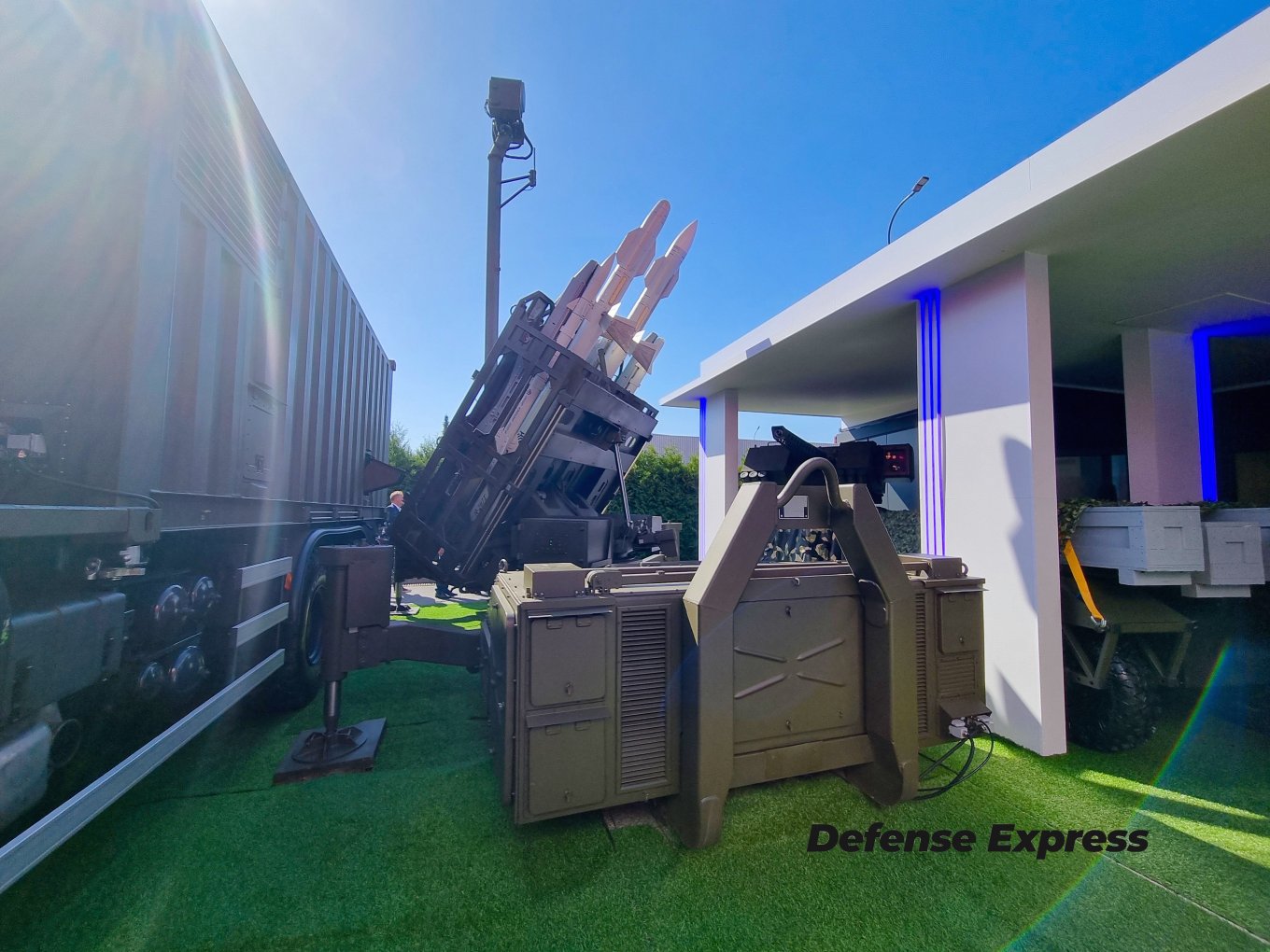
At the MSPO 2026 defense exhibition in Poland, it was announced that the Shershen multicaliber air defense system can use weapons such as the R-27, R-287, R-120, R-73, GAM-67, and AIM-9, as well as “next-generation missiles” to destroy targets. The maximum target speed was specified as up to 1,000 m/s.
However, this raises a critical question about how quickly production of the system’s components can be scaled up, how many systems and missiles can be produced, and how much the missiles will cost. In the contest between the shield and the sword, the cost balance between the offensive weapon and the defensive system is critical.
There is a high probability that upgraded or newly developed missiles will be significantly more expensive than jet-powered Geran-4 and Geran-5 drones, which are currently estimated at roughly $200,000 to $250,000 per unit.
A certain degree of cost balance could be achieved by using short-range infrared-guided air-to-air missiles such as the R-73 against Geran drones as part of the Shershen system or other air defense systems. However, existing stocks of these missiles are also limited.
Ukraine already has experience using air-to-air missiles as part of ground-based air defense systems. In 2024, Ukrainian Osa air defense systems operated by the Ukrainian Ground Forces were upgraded to use the R-73 missile.
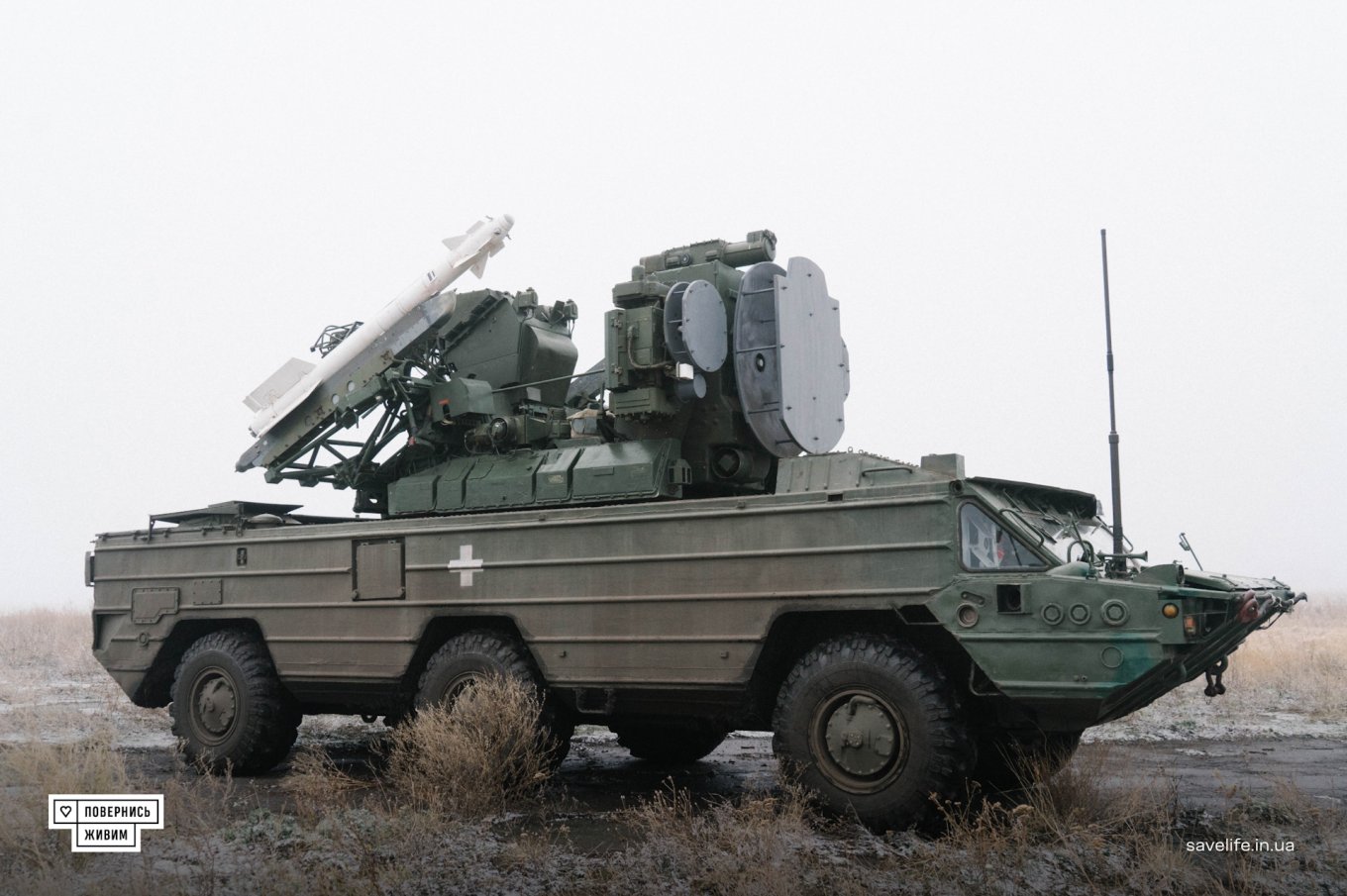
The project was implemented by the Come Back Alive Foundation. This upgrade partially addressed the shortage of the Osa system’s standard 9M33 surface-to-air missiles.
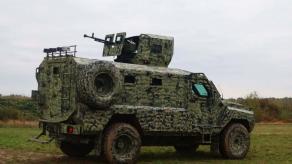
In 2025, a photograph released by a unit of Ukraine’s 3rd Army Corps showed another air defense system configuration, with an R-73 launcher mounted in the cargo bed of an armored HMMWV.

When launched from an aircraft, the R-73 has a range of 20 to 40 km, depending on the version. Its range is significantly shorter when launched from the ground. For example, the Yugoslav Pracka RL-4 air defense system, which also used the R-73, was advertised as having a range of up to 12 km.
The company that developed the Shershen air defense system also acknowledges that, in addition to the R-73, the new system’s launcher can use R-60 missiles. The system’s advantage is not only the ability to select the missile type according to operational requirements. Its own radar also gives the air defense crew full situational awareness in the airspace, in addition to information that can be provided by more powerful surveillance radars or automated command-and-control systems.
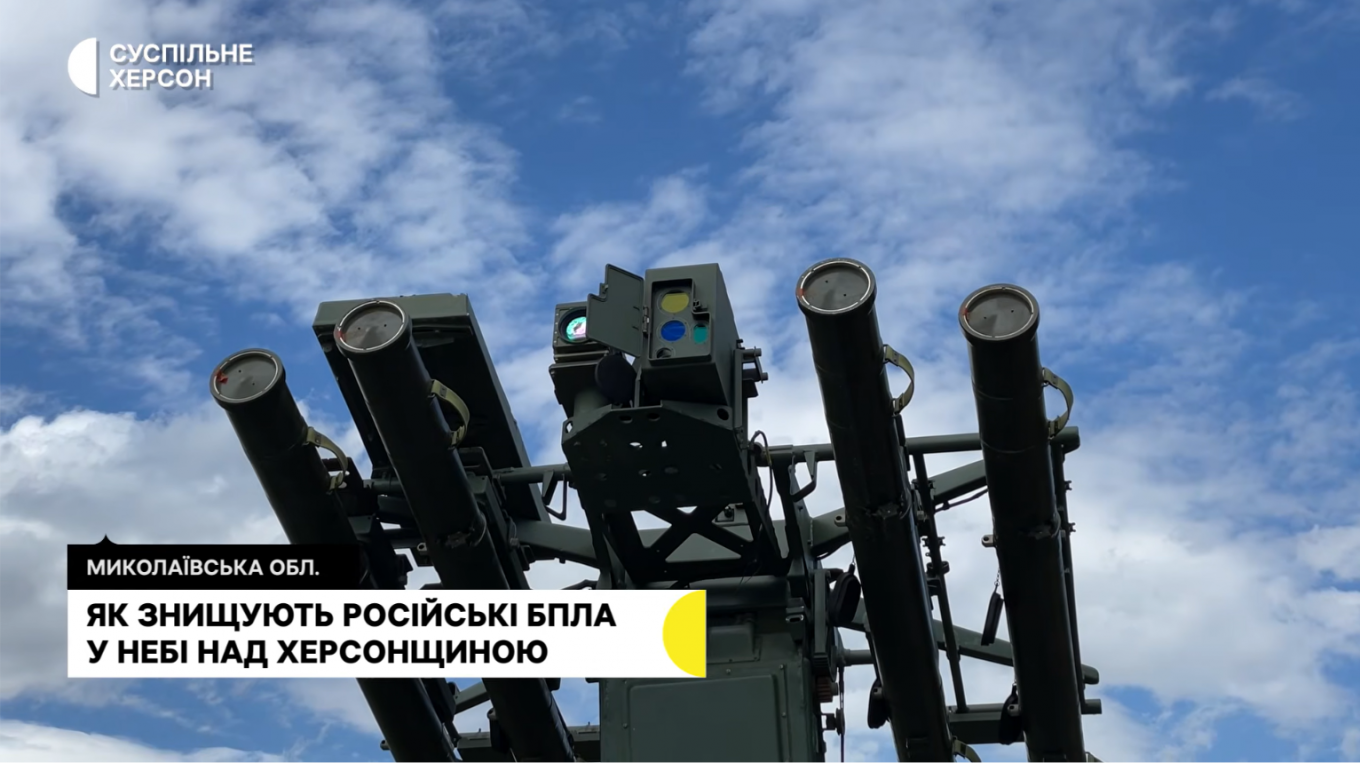
Another Ukrainian development that could provide a partial response to the “jet-powered Shahed threat” at certain altitudes is the Ryp air defense system, or more precisely, a launcher module designed to carry four missiles in transport-launch containers, with an electro-optical sighting system positioned between them.
The system was developed by the Luch State Design Bureau, which previously tested a similar system mounted on a Ukrainian-made armored vehicle.
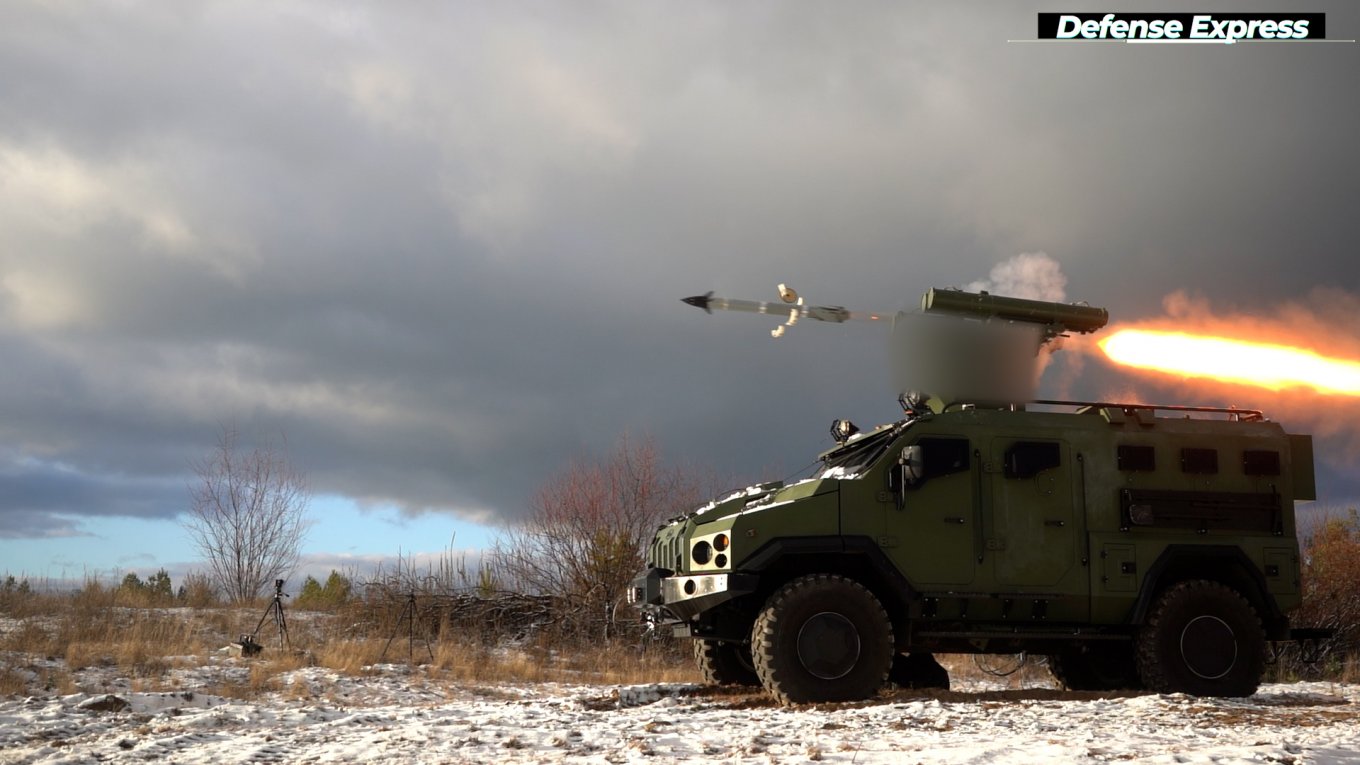
However, the Ryp air defense system currently used by Ukrainian Marine Corps units is based on the older Strela-10 system. It retains the MT-LB chassis, the launcher’s traversing mechanism, and the operator’s position.
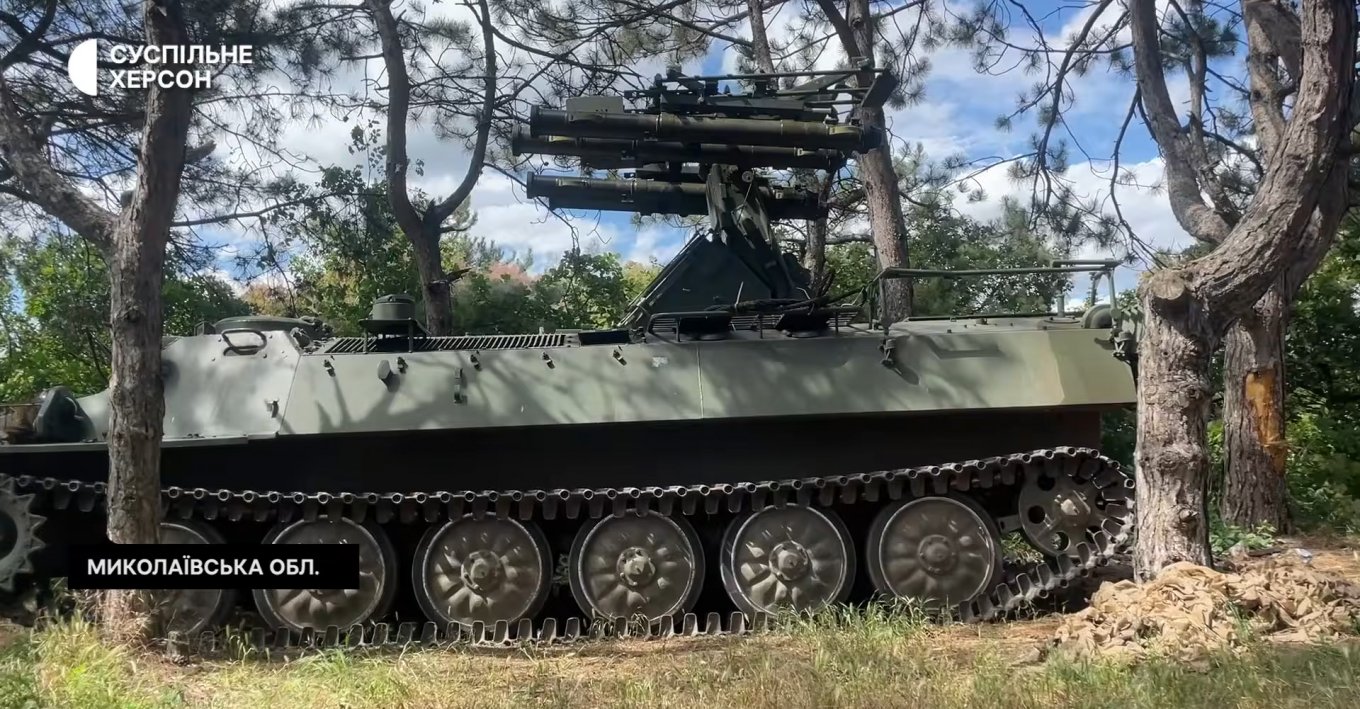
The air defense module uses RK-10 missiles with a laser beam-riding guidance system, in which the sighting system guides the missile toward the target within a structured laser field.
Nevertheless, the main challenge in creating a reliable air defense shield against jet-powered Geran drones based on surface-to-air missile systems remains both the cost of the missiles and the defense industry’s ability to produce them in sufficient quantities for existing and new air defense systems.
The systems and solutions currently available cannot be rapidly scaled up. Even with some assistance from international partners, a realistic estimate for the production of new domestically made surface-to-air missiles equipped with new types of seekers is no more than several hundred missiles per year. Such missiles would be too expensive to use against Geran drones.
At the same time, the number of jet-powered drones used in russian attacks increased from around 1,500 in July to more than 2,700 in September.
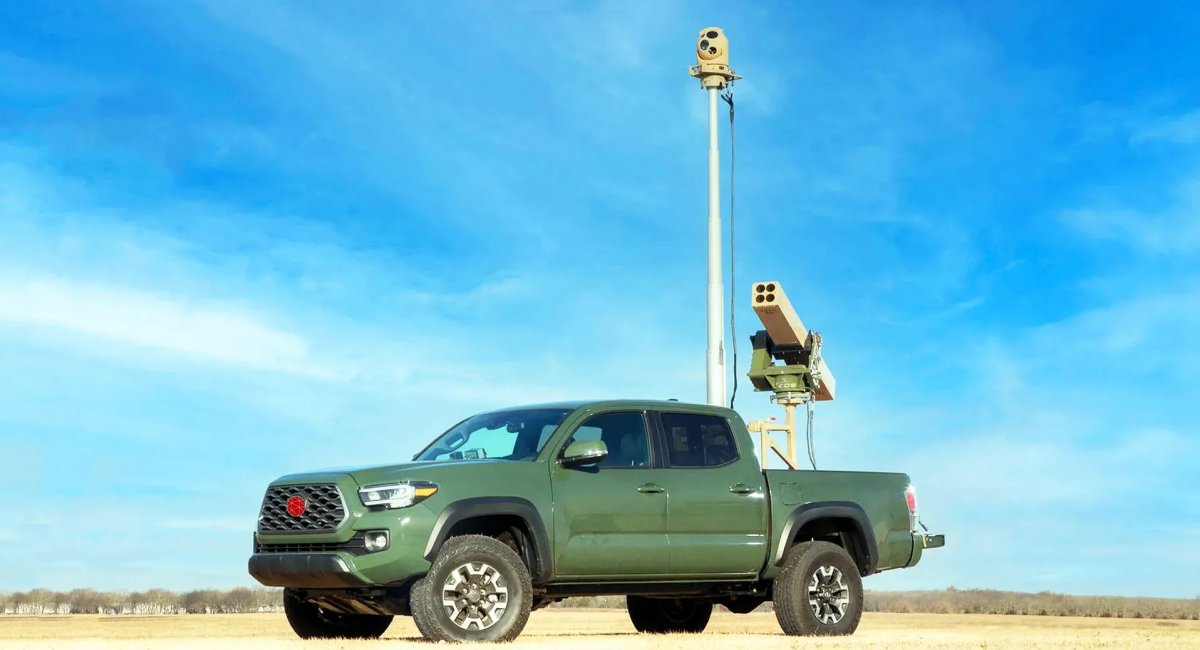
Therefore, it is probably worth looking at other solutions that could be scaled up through cooperation with European or U.S. partners. First and foremost, this concerns the production and use of 70 mm-class missiles or equivalents of the laser-guided APKWS.
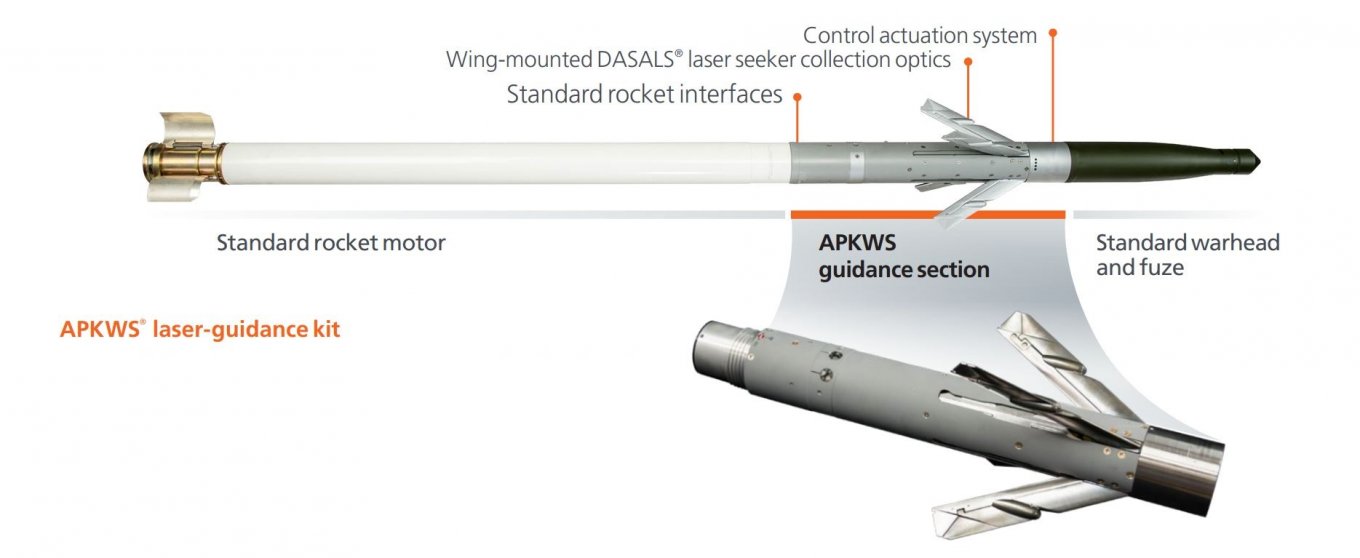
The APKWS precision-guided rocket is based on the standard 70 mm Hydra rocket. It is one of the effective weapons against Shahed-type drones and other similar targets and has reportedly even been used against Kh-59 missiles. Its relatively low cost also makes its use economically viable.
The cost of an APKWS II (Advanced Precision Kill Weapon System) precision-guided rocket is approximately $22,000 to $30,000 for the U.S. military. Export prices for other countries can be significantly higher, ranging from $40,000 to almost $98,000 per rocket.
Ukraine received these rockets from the United States, and they have been used with systems such as Vampire, which were developed specifically for Ukraine. Ukraine has considerable experience using this precision-guided weapon, but the previously delivered stocks have already been used.
There are also some rather unexpected solutions on the market. For example, Estonian startup Frankenburg Technologies has developed the miniature Mark 1 surface-to-air missile, which is only 65 cm long. The company positions it as a cheap and mass-produced interceptor capable of engaging not only propeller-driven Shahed-type drones, but also jet-powered drones flying at speeds of 450 to 600 km/h. The missile uses visual homing.
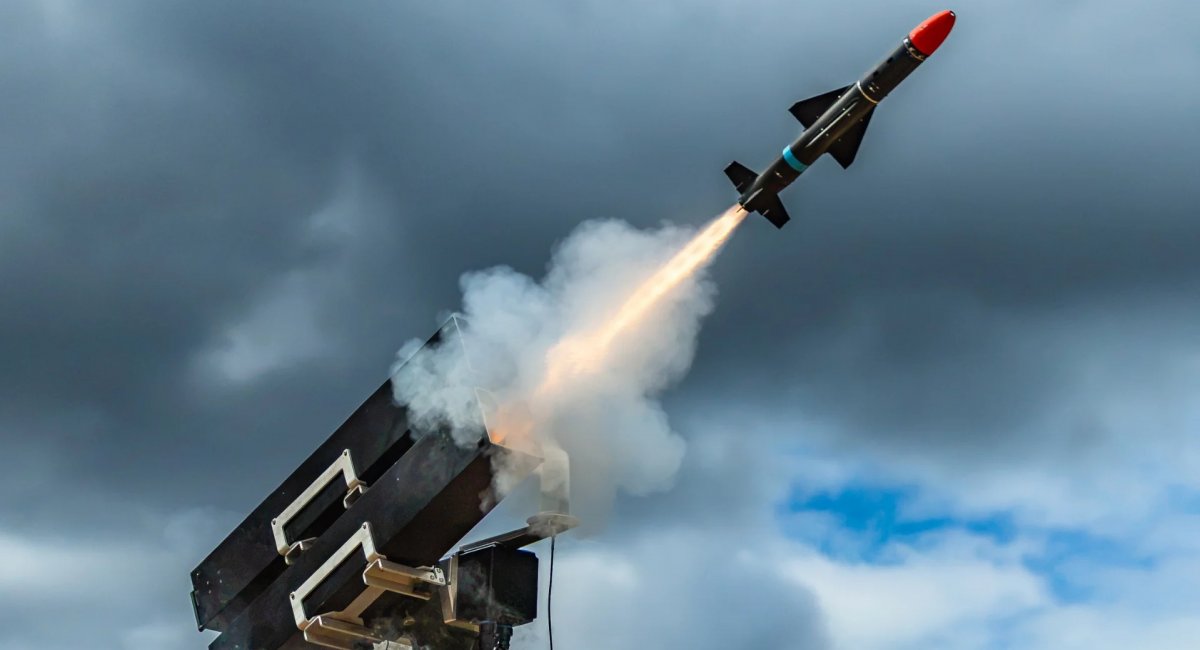
As for the cost, the developers say the missile is “significantly cheaper than a Shahed,” although there have been reports putting the price of a single Mk 1 at around $100,000.
By the end of 2026, the company plans to produce 1,500 Mark 1 missiles and gradually increase its production rate. Its year-end target is to reach a production rate of 100 missiles per day, or 3,000 per month. This would roughly correspond to russia’s current production rate of jet-powered Geran-4 and Geran-5 strike drones.
At the same time, by establishing production facilities in Estonia, the United Kingdom, and Poland, Frankenburg Technologies plans to reach an annual production capacity of 1 million missiles. This would allow it to produce more than 2,700 missiles per day, provided there is sufficient demand.
However, an important question remains: can the Mark 1 actually become an effective weapon against jet-powered Shaheds given its relatively short range of just 2 km? The exception could be an air-launched configuration, which might make it more suitable for this role.
So, it is probably worth waiting to see whether this optimism is confirmed in practice. For now, however, reality is considerably more challenging than the expectations and ambitions surrounding these solutions.
Serhii Hrynchenko, specially for Defense Express
Read more: Bars Missile-Drone Struck Moscow First, Now Adapted to Shoot Down Jet Shaheds at 2,000 Units Per Month