On the night of September 11, the Ukrainian Defense Forces carried out a series of long-range strikes against russian facilities, including the little-known Volgogradpromproekt plant in the city of Volgograd.
Although this chemical enterprise had never appeared on the list of well-known russian defense industry companies and is not a particularly large plant, it was targeted with FP-5 Flamingo cruise missiles.
Read more: Ukrainian UAVs Strike russia, Moscow Makes Businesses Pay for "Protection" - SZRU
The successful strike was reported by Fire Point itself, which said that Volgogradpromproekt produces ferrocene-based combustion catalysts and develops chemical technologies.
This raises a logical question: why was this particular facility targeted with FP-5 Flamingo cruise missiles, while relatively nearby oil refineries, for example, are being hit with drones? The answer lies precisely in the “ferrocene-based combustion catalysts,” or, more specifically, the so-called OFS product.
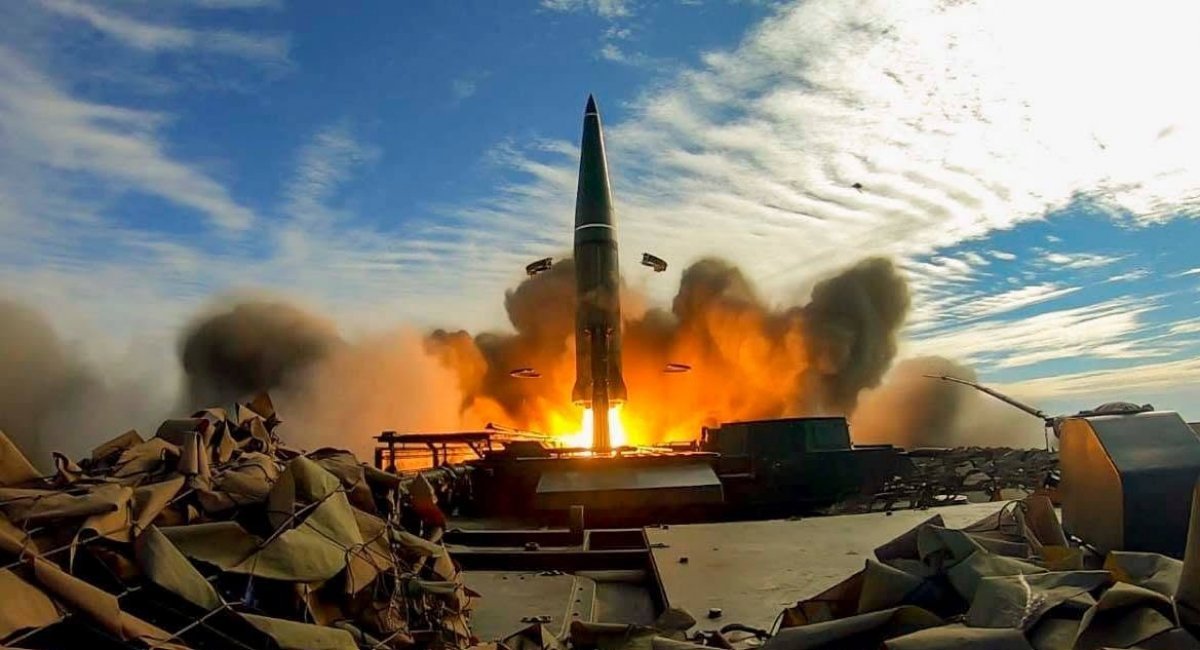
It is used as a combustion catalyst in the solid propellant used to manufacture missiles such as the 9M723 for the Iskander-M ballistic missile system and the 3M22 Zircon.
According to information available only through public court records, Volgogradpromproekt was producing 18 tonnes of the OFS product per year in 2018 under orders from the Perm Powder Plant, a manufacturer of solid propellant.
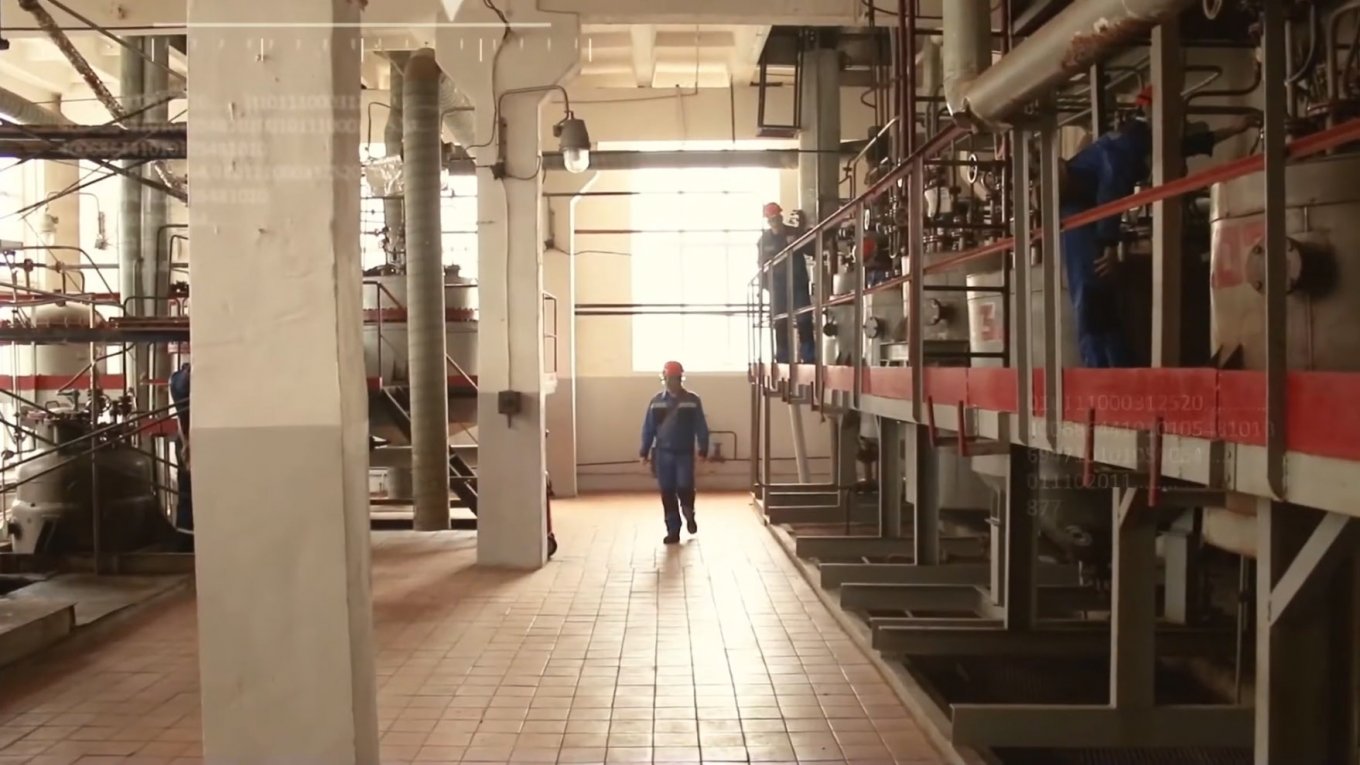
After 2022, records can be found of five contracts between the Perm-based plant and Volgogradpromproekt worth more than 1.4 billion rubles. If these purchases involved only the OFS product, that would amount to more than 200 tonnes.
Depending on the formulation, this would be enough to produce 10,000–20,000 tonnes of solid propellant used in all russian solid-propellant missiles, rocket boosters, and unguided rockets.
Moreover, as of 2018, the OFS product was also known to be manufactured by Silan in russia’s Lipetsk Region. However, its product was more expensive and had longer delivery times. In addition, the OFS product is currently absent from Silan’s public product catalog.
At the same time, Volgogradpromproekt states that it is the sole manufacturer in russia for a number of its key products.
Therefore, a successful strike on Volgogradpromproekt will undoubtedly affect russia’s ability to produce solid propellant, without which the production of a range of key weapons for the russian military would be impossible.
This is precisely why FP-5 Flamingo cruise missiles were used against the facility. With a 1-ton warhead, they can deliver a much greater destructive effect against such a target than a drone strike.
Read more: New Satellite Images Reveal Devastating Damage to russian Kalibr Carriers Hit by Ukrainian Neptune Missiles in Novorossiysk