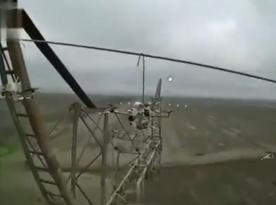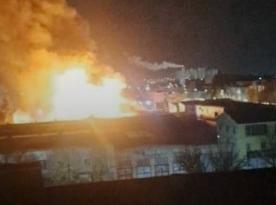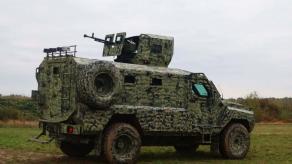
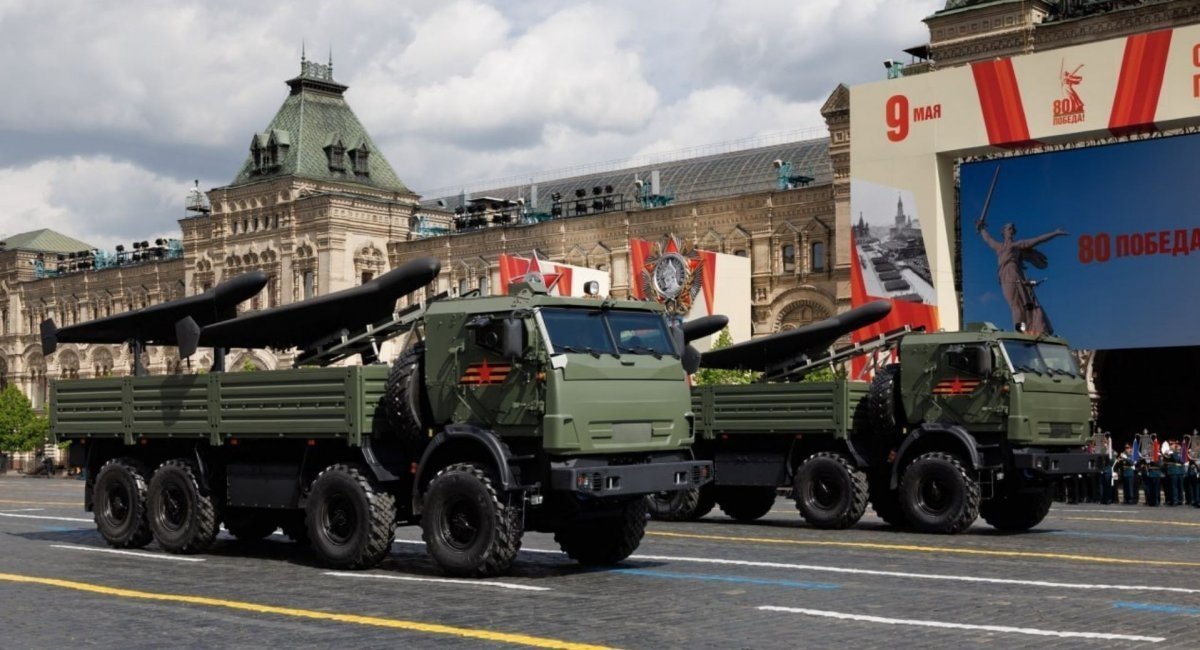
Open-source information is already emerging that may point to the involvement of russia's 50th Varyag Unmanned Systems Brigade in the strikes on the Southern Bridge and other bridge crossings in Kyiv.
The russian Varyag brigade had previously been described as a Rubicon Center equivalent since the summer of 2026. There were also reports linking the unit to attacks targeting civilians in the Kherson region.
Read more: russia Deploys New 50th Varyag UAV Brigade, Already Dubbed Another Rubikon: What It Means
In addition, russian propagandists marked footage of the strike on the Southern Bridge with the insignia of the aforementioned 50th Varyag Unmanned Systems Brigade. This can be seen as a demonstration of the Kremlin's confidence and willingness to openly showcase the unit's involvement.
Against this backdrop, it is worth taking a closer look at russia's Varyag brigade. The formation's possible involvement in the current wave of attacks on Kyiv also points to a broader approach to countering the threat than simply the "jet-powered Shaheds versus our interceptors" equation.

The 50th Varyag Brigade was formed on the basis of the GROM Kaskad Unmanned Systems Brigade, which was established back in 2023. Its personnel switched to operating Shahed drones in 2025.
Information about the organizational structure of the Varyag brigade remains limited. There are only estimates that the formation includes crews operating various types of unmanned systems, including long-range UAVs. Based on the available information, only a rough estimate can be made. If russia's widely publicized 71st Unmanned Systems Regiment has 1,700 personnel and 100 crews, the Varyag brigade could have roughly 1.5 to 2 times as many personnel.
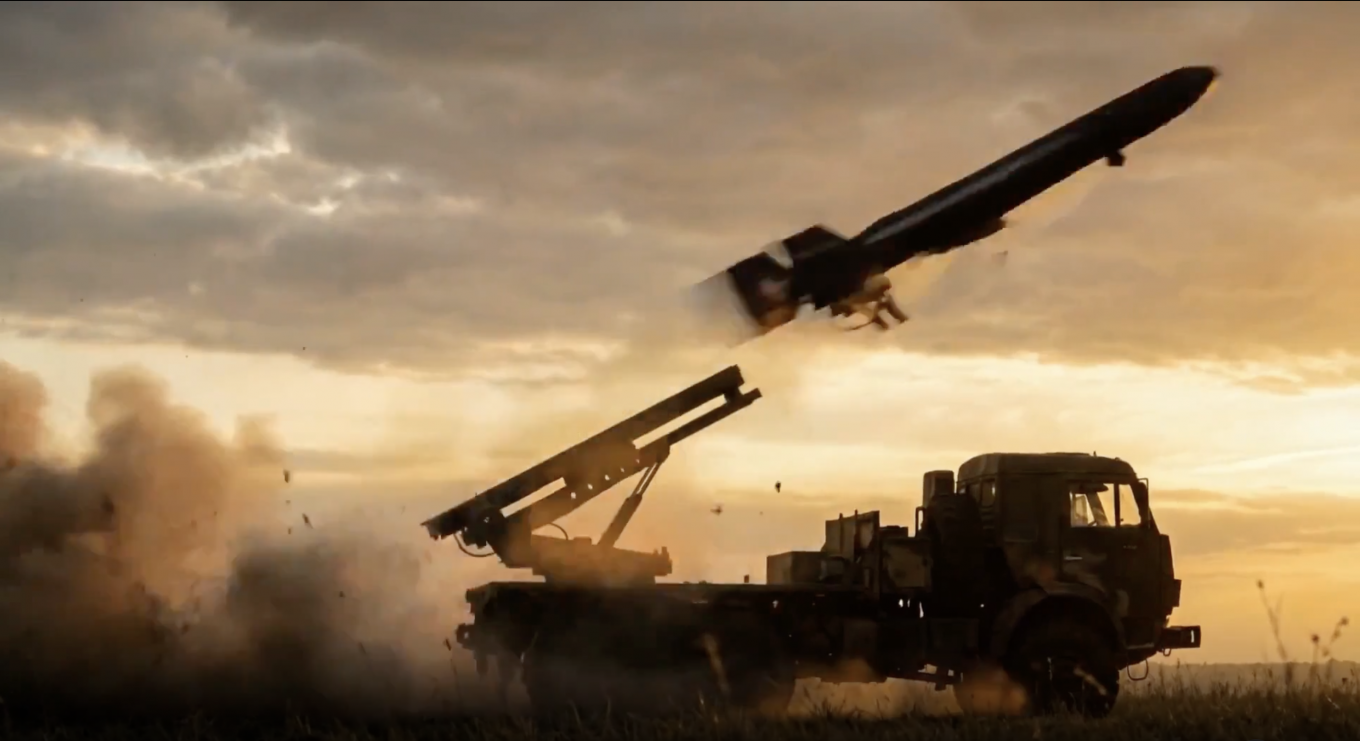
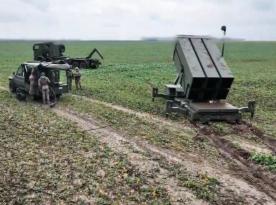
Footage has shown Varyag operators using mobile Shahed launchers mounted on KamAZ chassis instead of stationary and highly visible "drone ports." Even this specific detail suggests that the Varyag brigade may have better equipment than the average russian unmanned systems unit.
If this hypothesis is correct, russia's attacks on Kyiv have a systematic character. The key point is not necessarily the frequency of the strikes, but the fact that an entire "elite" formation may be involved rather than individual crews. This means that countering the threat requires more than intercepting russian jet-powered Shaheds. It also requires targeting their launch sites and areas where UAV operators are concentrated.
As follows directly from reports by the General Staff of the Armed Forces of Ukraine, Ukrainian forces are carrying out such operations systematically. These efforts were significantly intensified in September 2026, especially compared with August, which marked the beginning of russia's campaign of massive attacks involving jet-powered Shaheds.
Ivan Kyrychevskiy, serviceman of the 413th Raid Regiment of the Unmanned Systems Forces of Ukraine and weapons expert at Defense Express.
Read more: russia Shows Shturm Heavy Assault Robotic System in Two Variants at Center-2026 for First Time: What Is It?