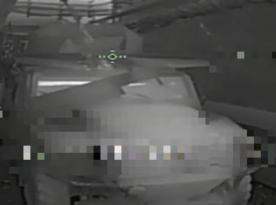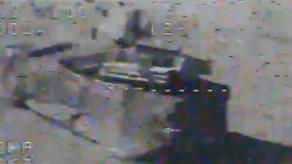
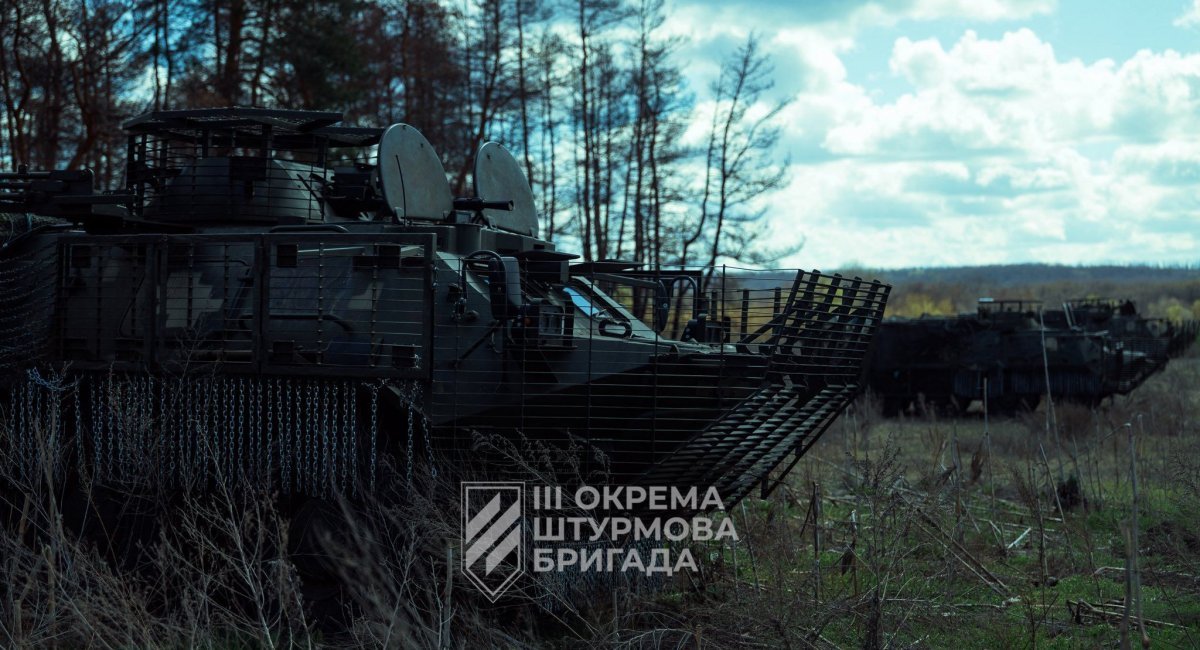
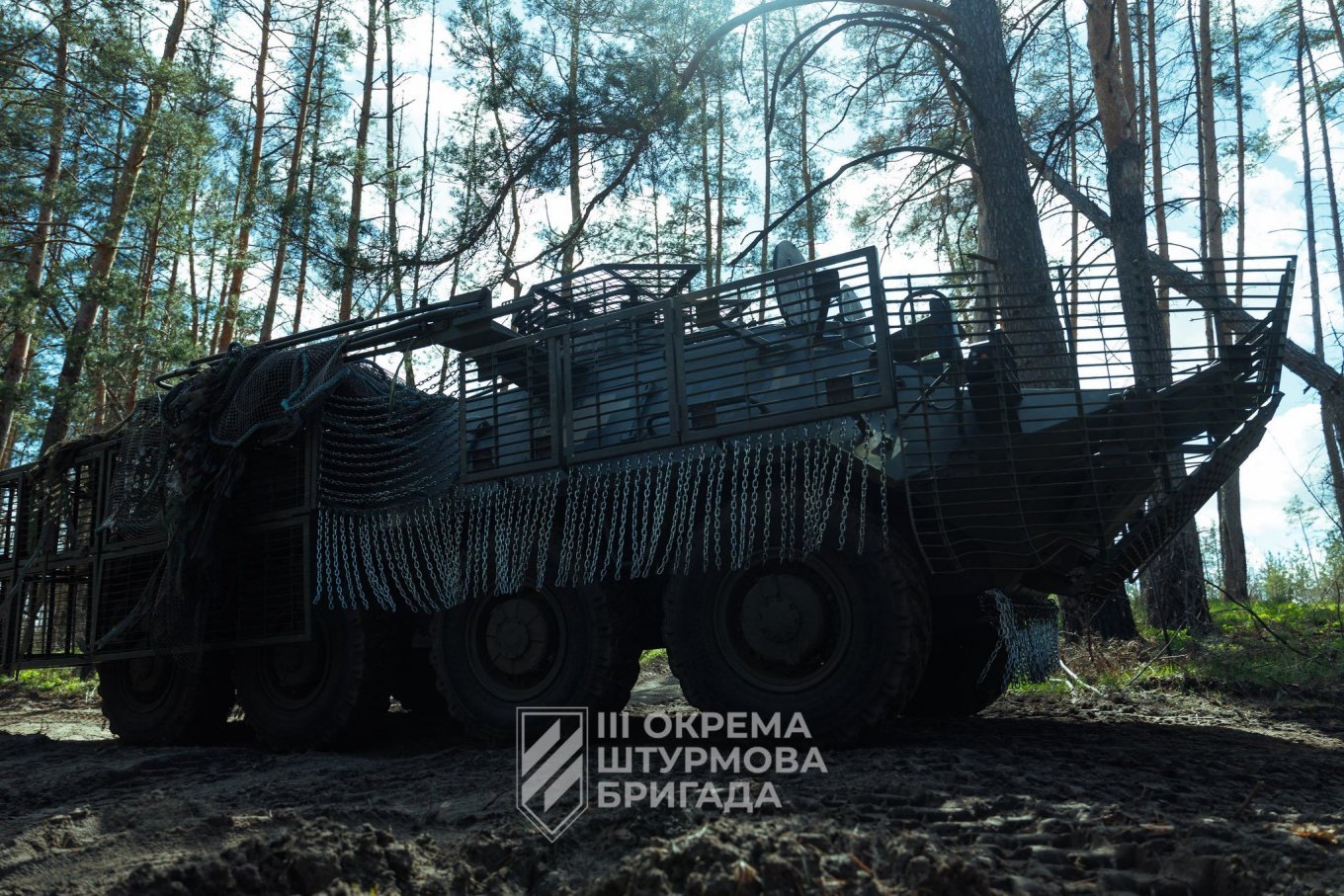
During Operation Vivaldi, the Third Army Corps of the Armed Forces of Ukraine used some unusual equipment to break through russian defensive lines. The operation involved converting old Soviet-era BTR-60 armored personnel carriers (APCs) into kamikaze unmanned ground vehicles (UGVs).
The corps' press service reported that these vehicles were used during operations to liberate the settlements of Nove, Ridkodub, and Katerynivka in the Lyman sector of the Donetsk region.
Read more: Robots Replace Infantry: Ukraine's Third Assault Brigade Reveals New Tactics During Operation Vivaldi (Video)
As Defense Express notes, converting old armored vehicles into unmanned explosive-laden vehicles is not new to the russian-Ukrainian war. In 2023, russian forces sent MT-LB armored tractors and T-54/T-55 tanks packed with explosives toward Ukrainian Defense Forces' positions.
However, in the russian approach involving MT-LBs, a crew first had to drive the vehicle to its launch position and then jump out. This method was not only risky but also limited the vehicle’s effectiveness and range, as it could not maneuver properly.
In contrast, Ukrainian forces appear to have equipped the BTR-60s with remote-control systems, increasing the likelihood that the vehicles can reach their targets. However, no details have been provided so far about how the control system was implemented. It is possible that the vehicles are controlled via Starlink, as in other similar projects involving the conversion of BRDM-2 reconnaissance vehicles and pickup trucks into UGVs.
As for recent examples from abroad, Israel has been actively using unmanned tracked M113 APCs during combat operations in Gaza. These vehicles reportedly carry between one and three tonnes of explosives and are used to demolish buildings.
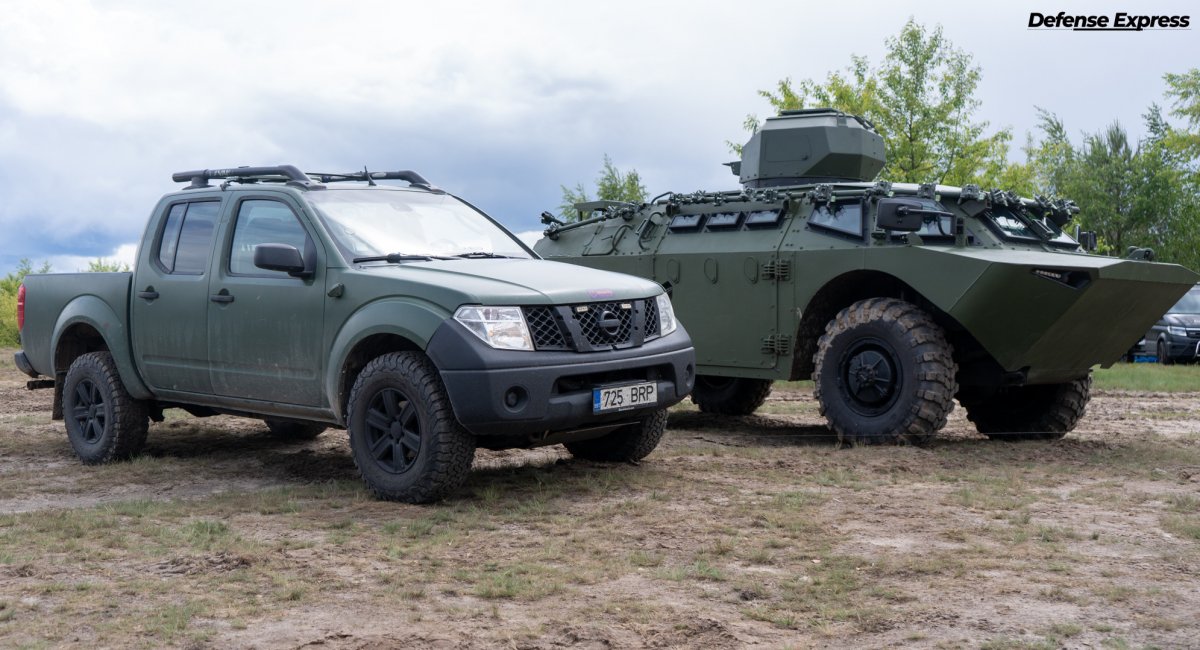
The use of such UGVs can be explained by the fact that military units already have old equipment that may no longer be suitable for its original role on the battlefield. However, these vehicles can still move and carry a useful payload.
Therefore, converting existing vehicles may make sense instead of purchasing new UGVs, which may not offer the same mobility or protection. A full-size armored vehicle can also carry a larger payload. In this case, that means the amount of explosives that can be packed inside.
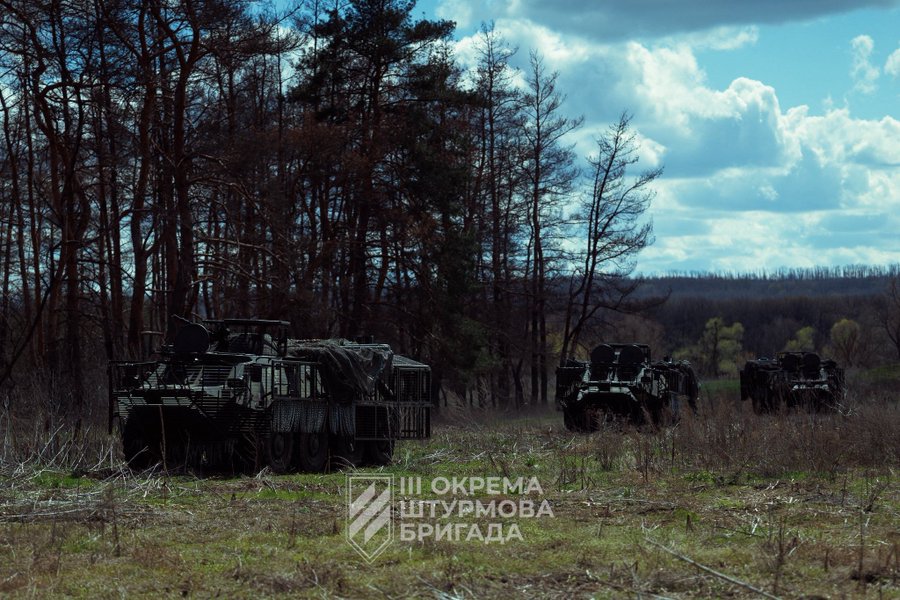
The BTR-60 was developed in the late 1950s, while the BTR-60PB variant, which remains in service with Ukraine's Defense Forces, appeared in 1967. In other words, these are vehicles dating back to the 1960s. Ukraine received them from storage facilities, as well as through military aid, including deliveries from Bulgaria.
Ukraine's defense industry has also proposed various modernization packages for the BTR-60. Among those currently seen more frequently in Ukrainian service is the BTR-60D. This variant features full-size doors similar to those on the BTR-80 and BTR-3, spaced armor and other protection upgrades, as well as new engines. This modification was previously seen in service with Ukraine's 3rd Assault Brigade, which is part of the Third Army Corps.
As for kamikaze ground robots, they are increasingly being used to destroy buildings, strongpoints, and enemy positions. These UGVs range from small platforms carrying warheads made from anti-tank mines to larger vehicles loaded with FAB-250 aerial bombs.
Read more: Operation Vivaldi: Ukraine's Third Corps Makes World-First Deployment of Kamikaze UGVs 10+ km Behind russian Lines