Tatarstan, a republic within the russian federation, plays a significant role in russia's military-industrial effort. The Alabuga Special Economic Zone hosts production of Shahed-type attack drones used to strike Ukraine. Yet russian volunteers helping supply the occupying forces say that keeping the war effort running is becoming increasingly difficult.
According to the Foreign Intelligence Service of Ukraine (FISU), people who have supported russian troops for years say fundraising has become much harder. Campaigns that once attracted donations quickly now cover only a small share of requests from the front. Even basic equipment can cost at least one million rubles.
Read more: russia Develops New Kinzhal Missile Variant: What Ukraine's Intelligence Has Revealed
So-called volunteers are willing accomplices in russia's war machine, helping arm the very forces that kill Ukrainians while complaining that the cost of the bloodshed is becoming too high.
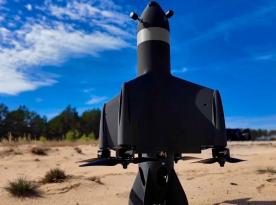
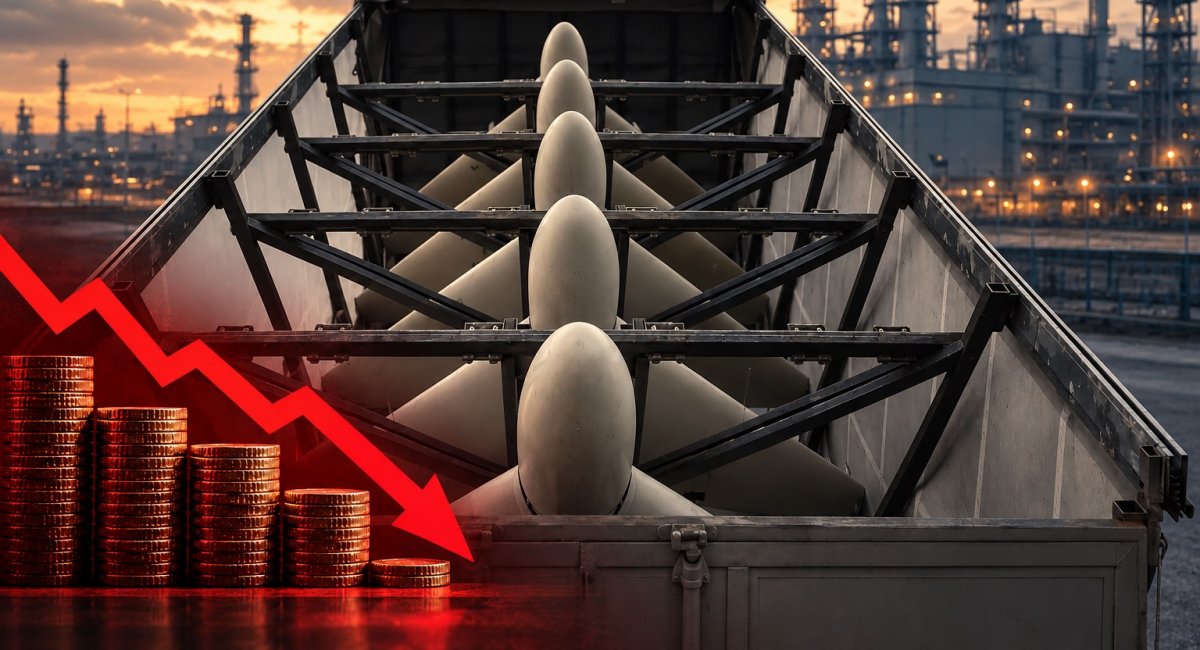
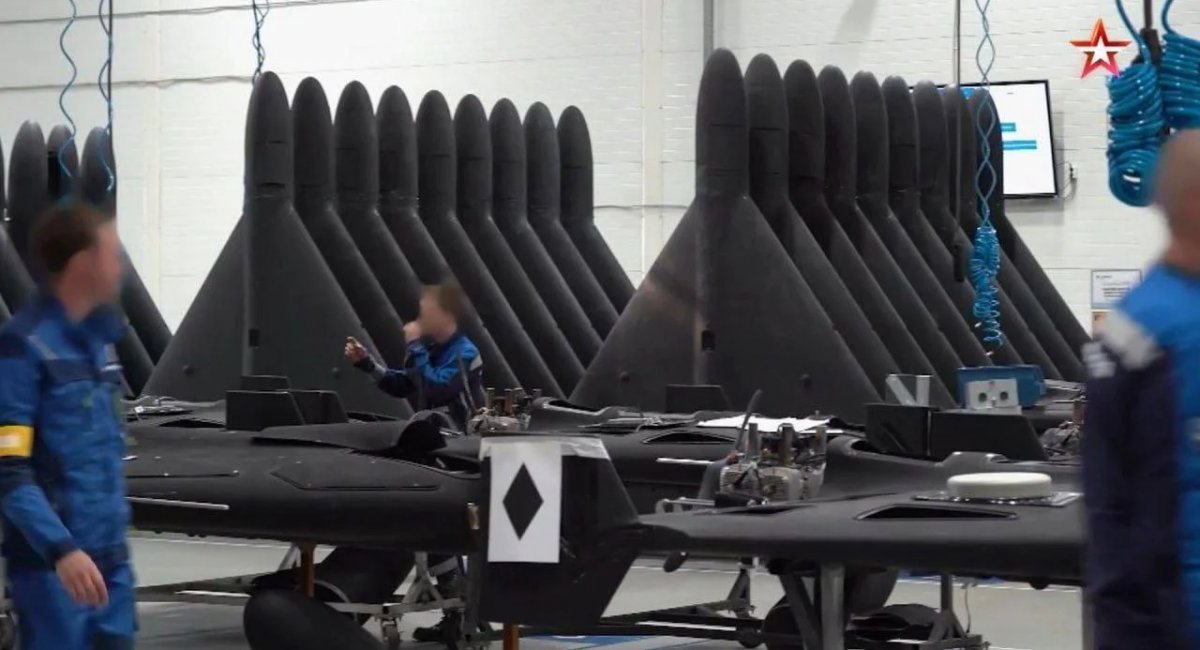
The contrast is particularly striking in Tatarstan. The region hosts production of the Geran-2, russia's designation for the Iranian-designed Shahed-136 attack drone, which russian forces use to strike Ukraine. More recent reports also link Alabuga to the production of jet-powered Geran drones, including the Geran-3, Geran-4, and Geran-5. russia has reportedly halted production of the Geran-3 and shifted its focus to the newer Geran-4 and Geran-5 models. Defense Express has also reported on russia's efforts to expand production at Alabuga, including plans for underground drone-production facilities.
Yet the same networks helping sustain russia's invasion are running short of money. According to the FISU, higher taxes and declining purchasing power are prompting businesses and private donors to reduce contributions. Volunteers reportedly travel more than 2,000 kilometers to deliver supplies but now struggle to raise enough money for fuel and transportation. russian troops have also complained that their command fails to provide costly essentials such as generators, forcing some soldiers to take on debt.
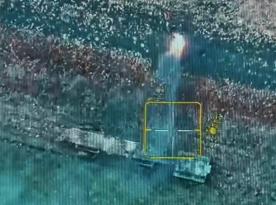
The logistical risks are mounting, too. Ukrainian drone operations have made routes through temporarily occupied Ukrainian territory increasingly dangerous for those delivering supplies to russian forces. Many truck drivers reportedly refuse to travel near the front, while unloading points are being moved farther from combat areas because some routes and checkpoints are no longer considered safe.
Ukrainian resistance is making supply runs more dangerous, while russia’s economic pressures are shrinking the pool of people willing or able to finance them. The result is a growing burden on the volunteer networks that help keep russian troops supplied.
Tatarstan's predicament captures a bitter contradiction at the heart of russia's war effort: the region helps produce weapons used to attack Ukraine, yet the networks supporting the invading army are struggling to pay the costs of keeping the war going.
Read more: How Ukraine Uses FrankenSAM With AIM-7 Missiles and Combines Buk and Kub Systems Against Jet-Powered Shaheds