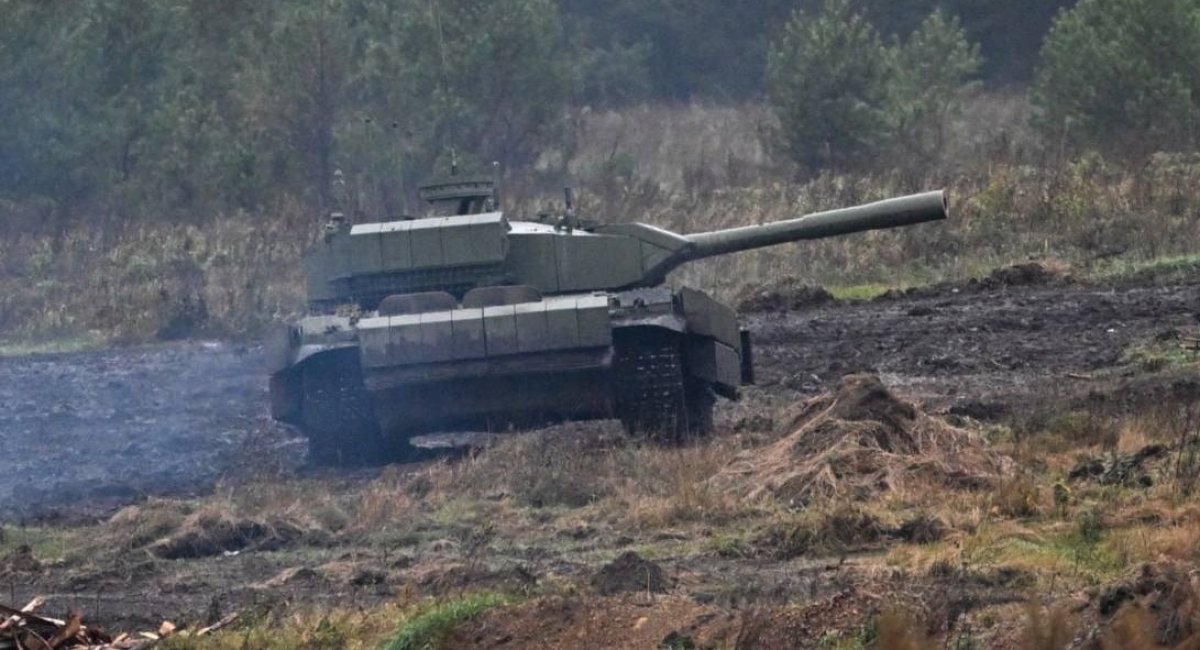
russia is currently conducting the Center-2026 military exercise, whose scenario appears to include the possibility of opening a second front against other countries, including the Baltic states. During the exercise, russian forces showed the Shturm Heavy Assault Robotic System (TShRK) based on the T-72 for the first time. The system is designed to use two different types of unmanned combat vehicles.
In this case, the Shturm is a project that has been in development for roughly 15 years and at one point looked like a classic example of resources being wasted on an ambitious program. russia has now managed to bring the system at least to an initial level of readiness for operational use.
Read more: russia Purchased T-34-85 Tanks in Exchange for T-72s and Yak-130s From Laos, Whose Pilots Will Now Be Trained by China
Until now, it was known that the Shturm system included an unmanned tank based on the T-72, equipped with a shortened 125mm gun, with the possibility of eventually fitting it with a 152mm gun.
The vehicle is intended to breach fortified defensive lines and conduct combat operations in urban areas. Its testing was first reported only in July 2025, although the history of the project goes back much further.
However, during Center-2026, russian forces showed another vehicle belonging to the Shturm system: an unmanned version of the BMPT Terminator, which has now been rebranded as the Spiridon.
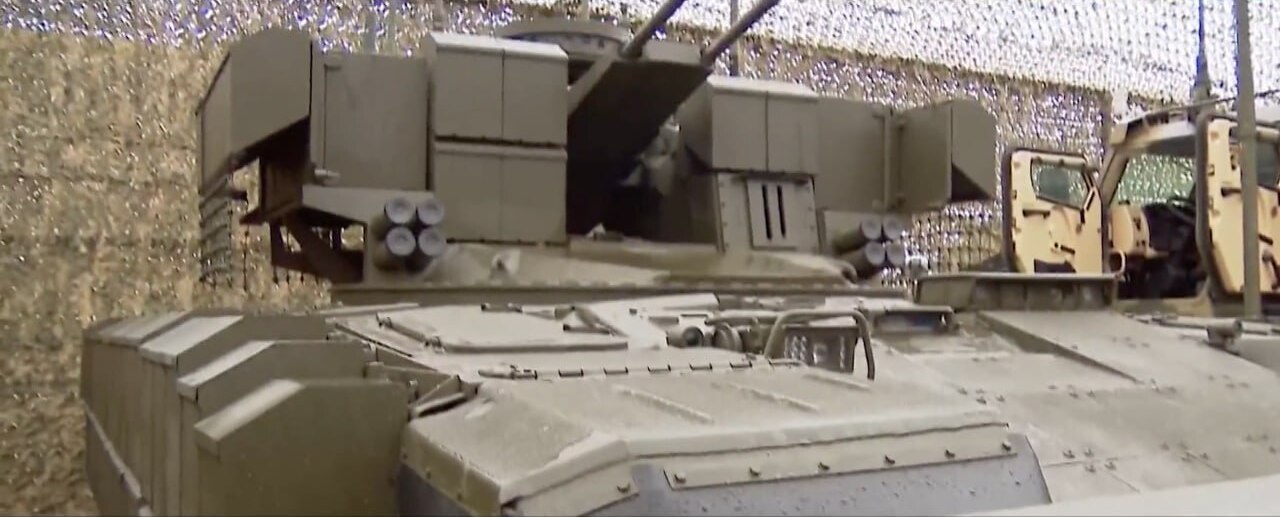
Both types of unmanned vehicles are supposed to be controlled from armored command vehicles, or so-called “mothership tanks,” based on the T-72 or T-90.
Notably, operating either the unmanned tank or the BMPT requires three operators, who remain inside the "mothership tank." The vehicles are also intended to be controlled within direct line of sight, at a range of roughly 3–4 km.
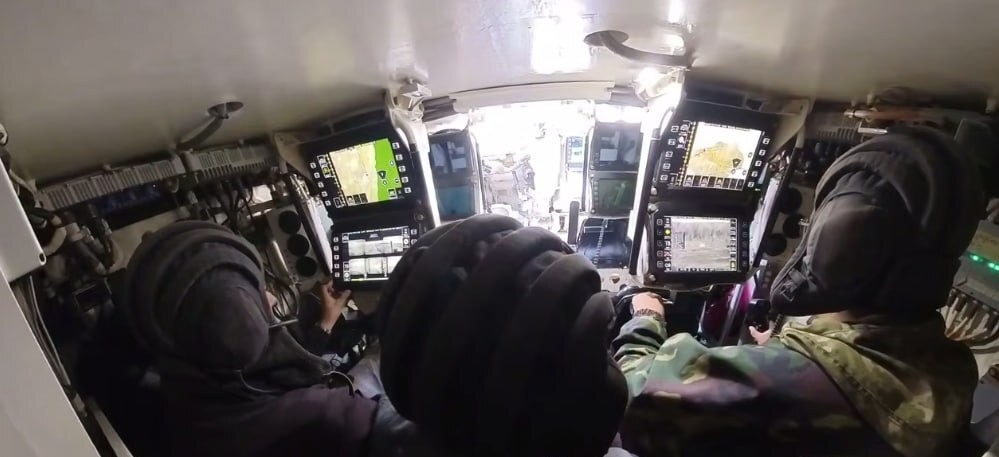
This immediately raises questions about the complex’s rather complicated control architecture. An unmanned tank or the Spiridon moves ahead, while the "mothership tank" follows behind. As a result, disabling the mothership could potentially paralyze the entire system.
The unmanned T-72-based tank also appears to have poor cross-country mobility, as demonstrated during the Center-2026 exercise.
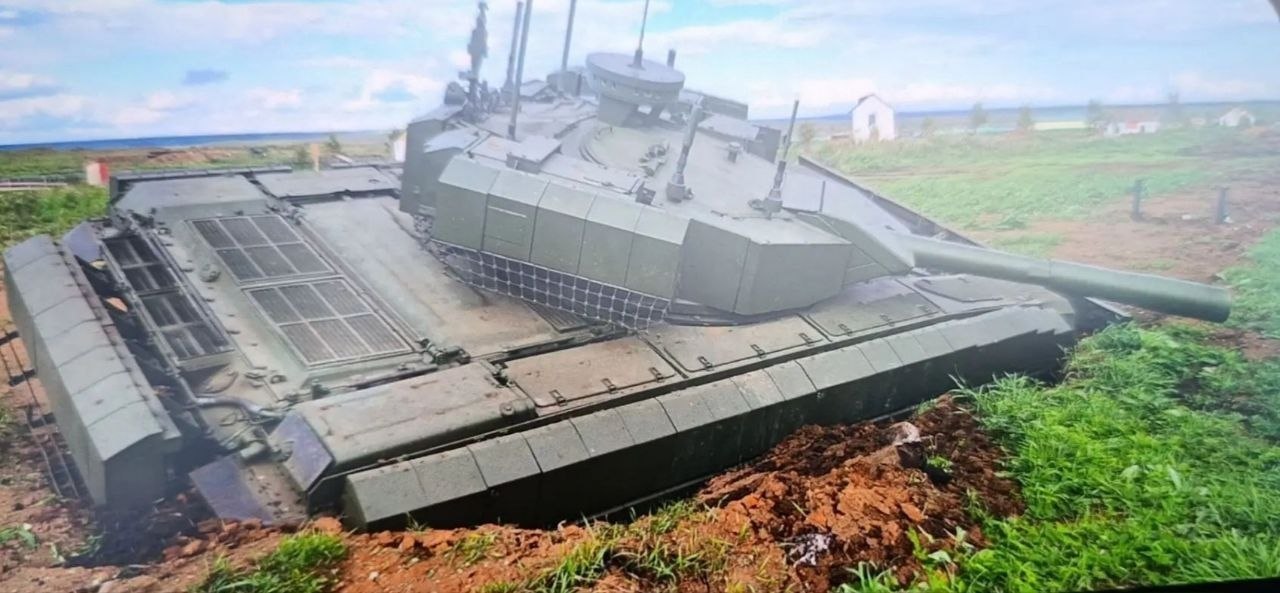
At the same time, the Shturm system deserves attention because it reflects russia’s broader efforts to restore the tank’s leading role on the battlefield and find a way to rapidly breach fortified defenses in an environment dominated by drones.
This concept could eventually be tested in combat, including against the Ukrainian Armed Forces.
Ivan Kyrychevskiy, serviceman of the 413th Raid Regiment of the Unmanned Systems Forces of Ukraine and weapons expert at Defense Express.
Read more: russia Forms New Division for First Time in Year and Sends It Into Battle for Kostiantynivka: What Does It Mean?