The UK-based defence and security think tank RUSI has published a new report by Dr Sidharth Kaushal on russia’s strategic nuclear arsenal and its delivery systems.
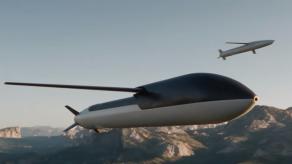
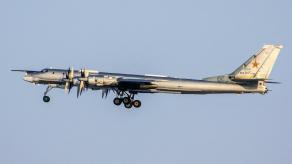
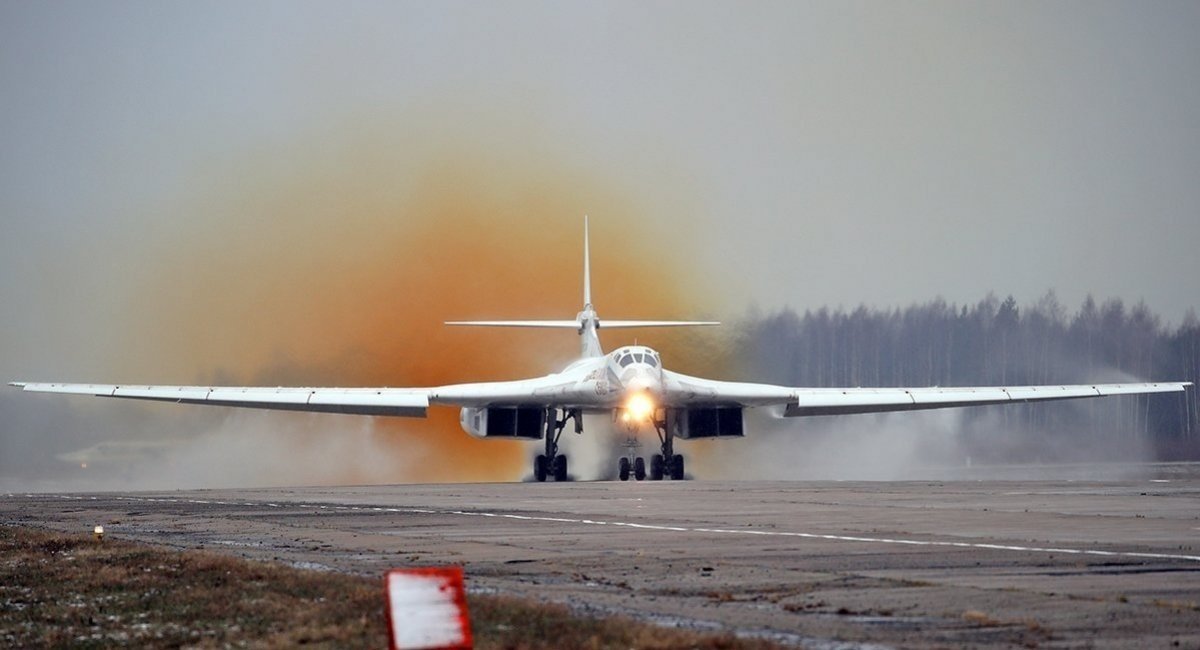
The full report is available here. We will examine some of its most interesting findings, starting with the Kh-BD long-range cruise missile, also known as Izdeliye 506. With a claimed range of 6,500 km, the missile is intended for the Tu-95MS and Tu-160M strategic bombers.
Read more: What Holds Back russia's Yasen-M Submarines: If 40 Kalibr or Zircon Missiles Aren't Enough, What Will Moscow Do?
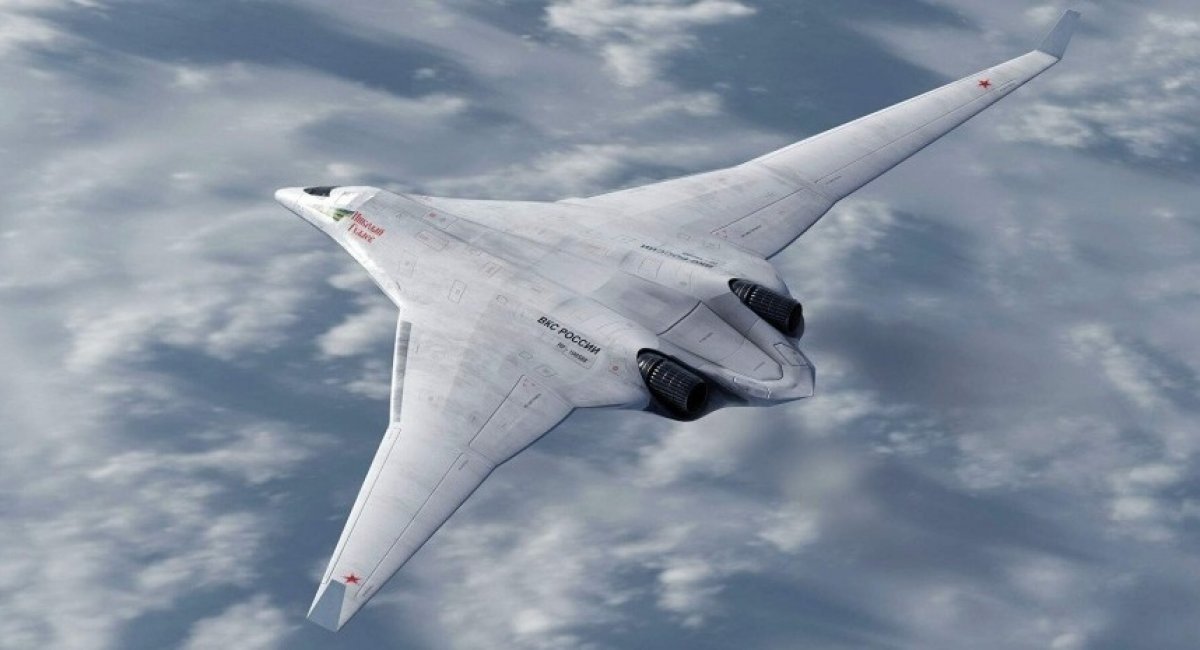
According to Kaushal, russia’s failure to bring the PAK DA strategic bomber project to fruition, which was intended to replace the Tu-95MS and Tu-160, means Moscow needs other ways to enhance the combat capabilities of its existing aircraft.
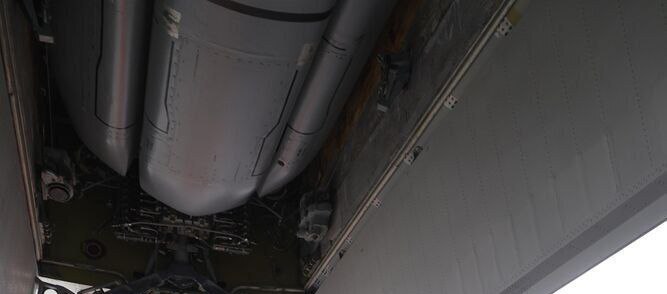
The Kh-BD, with its claimed range of 6,500 km, fits this strategy. However, the missile is larger than the Kh-101, meaning that the Tu-95MS and Tu-160 require specific modifications to carry it.
Kaushal argues that the Kh-BD’s long range could allow russian strategic bombers to strike targets in the United States while launching from outside the reach of US air defence systems. One potential launch area is Alexandra Land in the russian Arctic.
However, russian strategic aviation faces another challenge. The United States has learned to monitor preparations by Tu-95MS and Tu-160 bombers for missile strikes. In the event of nuclear escalation, this could leave russian strategic aviation bases, including Engels and Olenya in the European part of russia, vulnerable to potential pre-emptive strikes by NATO.

Defense Express would add several details to this assessment.
The Kh-BD missile first became publicly known in autumn 2023. At the time, russian officials stated that upgraded Tu-160 bombers would carry the missile. They also indicated that the Kh-BD would differ from the Kh-101 in its dimensions, in addition to its claimed range of 6,500 km.
In autumn 2025, the Ukrainian defence publication Militarnyi published leaked russian documents indicating that the russian Aerospace Forces’ strategic aviation fleet was scheduled to receive 16 Kh-BD missiles in 2024 and another 16 in 2026. Each missile was reportedly priced at $4.5 million.
If both deliveries were completed as planned, russia would have received a total of 32 Kh-BD cruise missiles under these procurement plans.

This leaves two possible scenarios. russia could attempt to test the missile in combat by using it in strikes against Ukraine. Alternatively, Moscow could retain the Kh-BD missiles as a strategic reserve for a potential direct confrontation with NATO.
Ivan Kyrychevskiy, serviceman of the 413th Raid Regiment of the Unmanned Systems Forces of Ukraine and weapons expert at Defense Express.
Read more: How Many Tu-95MS Strategic Bombers Does russia Have Left After First Crash in 11 Years?