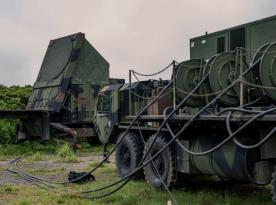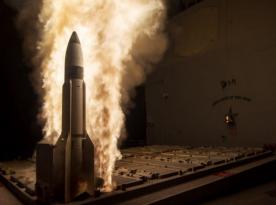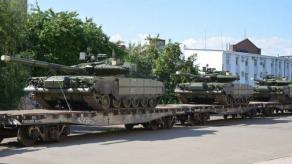
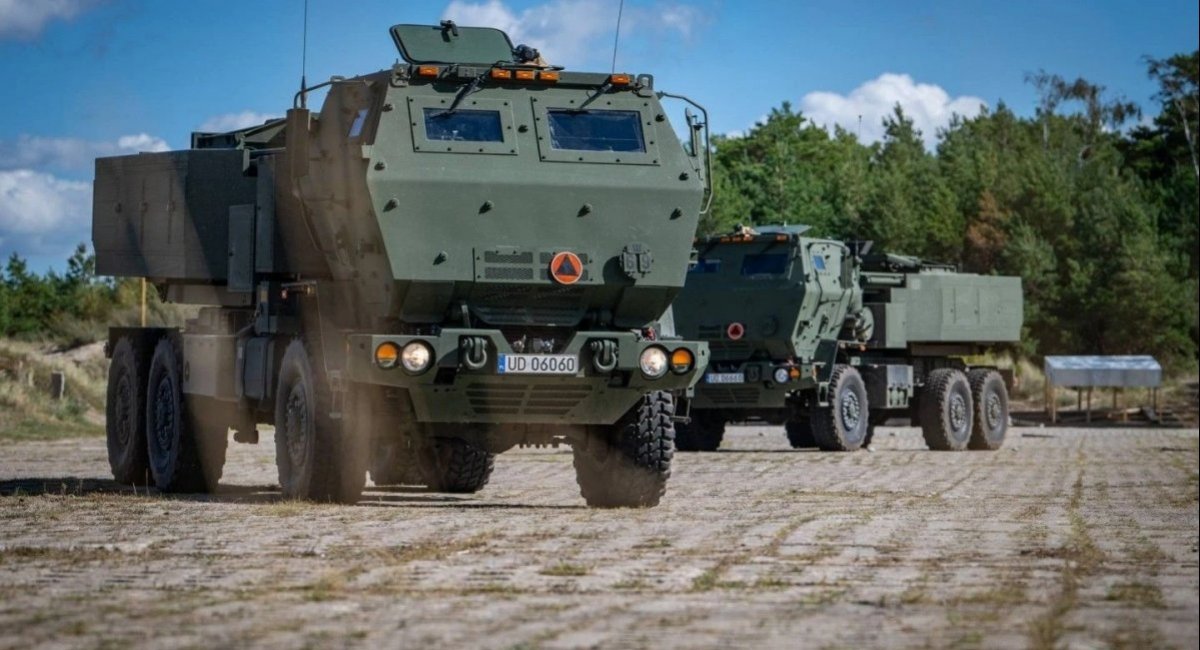
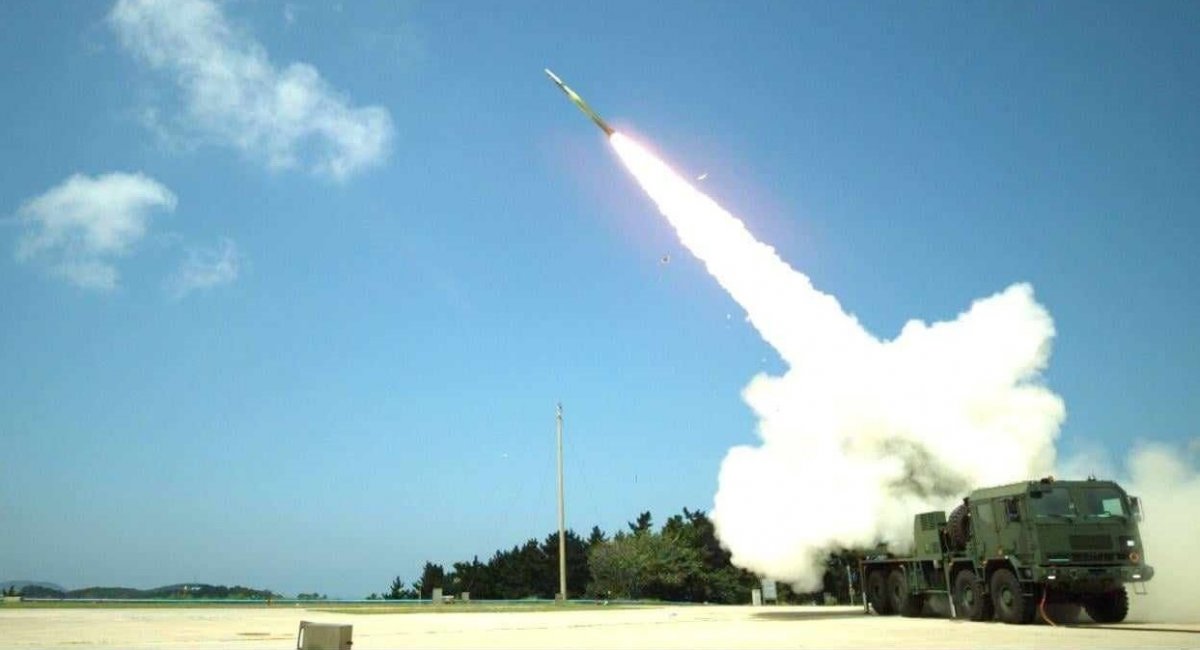
Currently, the Polish Armed Forces operate 20 M142 HIMARS MLRSs and 150 South Korean-made K239 Chunmoo systems (locally designated as Homar-K).
Taking various factors into account, the HIMARS systems in the Polish arsenal have effectively become "white elephants"; editor Antoni Walkowski argues in a Defence24 article that it would be better to sell them and redirect resources toward acquiring more missiles, rockets and Homar-K launchers.
Read more: Croatia Purchases Korean K239 Chunmoo, as Seoul Is Ready Sell Ballistic Missiles, But Zagreb Does Not Give Up on HIMARS
Defense Express notes that this reflects a significant trend: even European nations staunchly loyal to the US, such as Poland, are increasingly questioning whether their reliance on American weaponry is becoming counterproductive. This, in turn, influences the shaping of the European arms market—a factor that both Ukraine and other European nations will have to take into account.
In particular, the aforementioned Antoni Walkowski rightly criticizes the fact that, regarding the supply of M142 HIMARS systems to the Polish Armed Forces, the U.S. side did not agree to localize the production of the launchers and the guided missiles used by these systems.
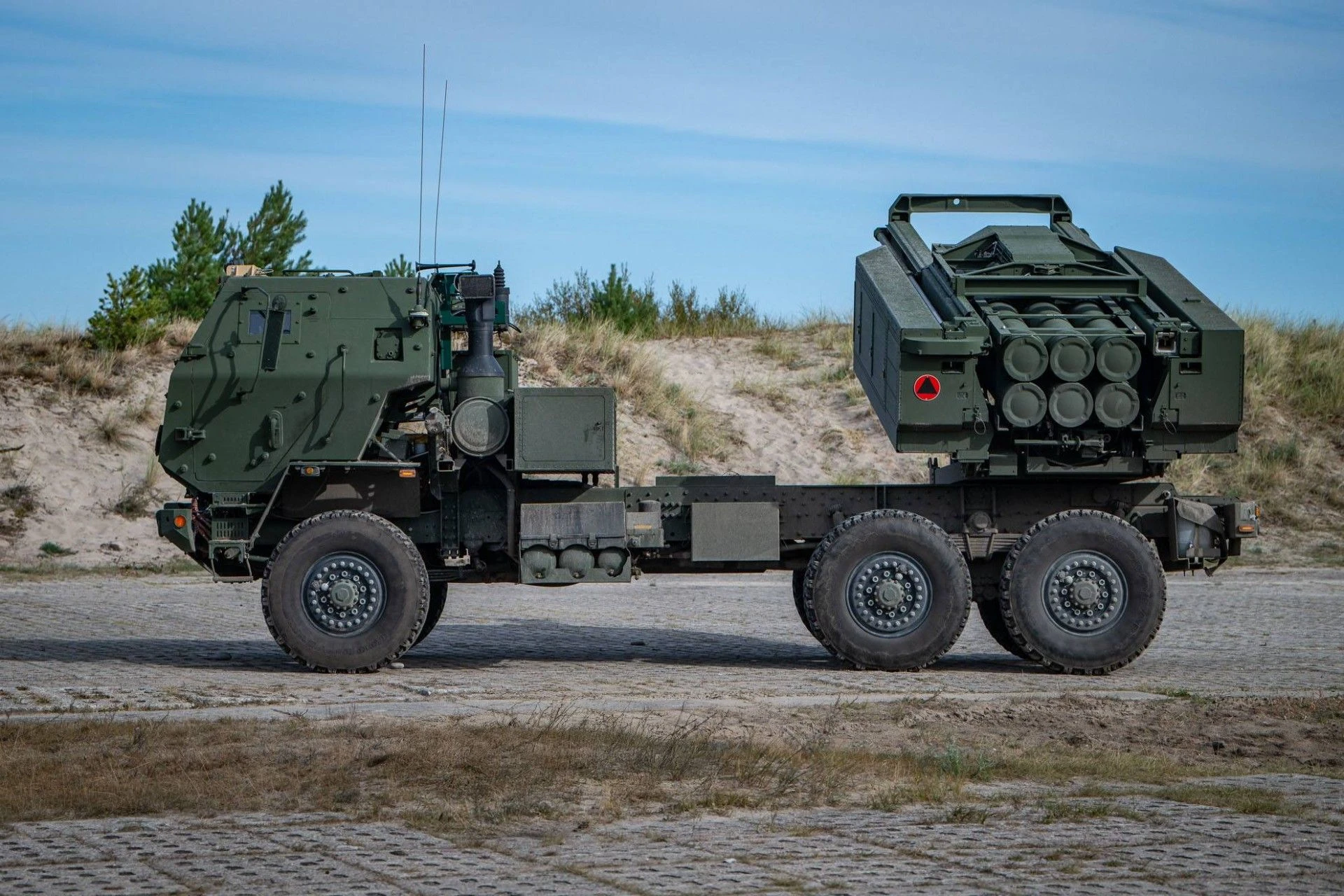
Theoretically, one might have expected that in the event of a russian invasion, the Polish Army could utilize the U.S.-held stockpiles of all HIMARS-compatible rocket and missile types—specifically ATACMS and PrSM. However, these stocks have been depleted following intense combat operations in the Middle East. As Defense Express reported, While U.S. does not allow production of rockets for HIMARS, Poland to produce ammunition for its analogue - K239 HOMAR-K
A significant detail is that Poland had to wait over four years for the 20 M142 HIMARS launchers: the contract was signed in 2019, the first units were handed over in 2023, and the delivery process was not fully completed until October 2024.
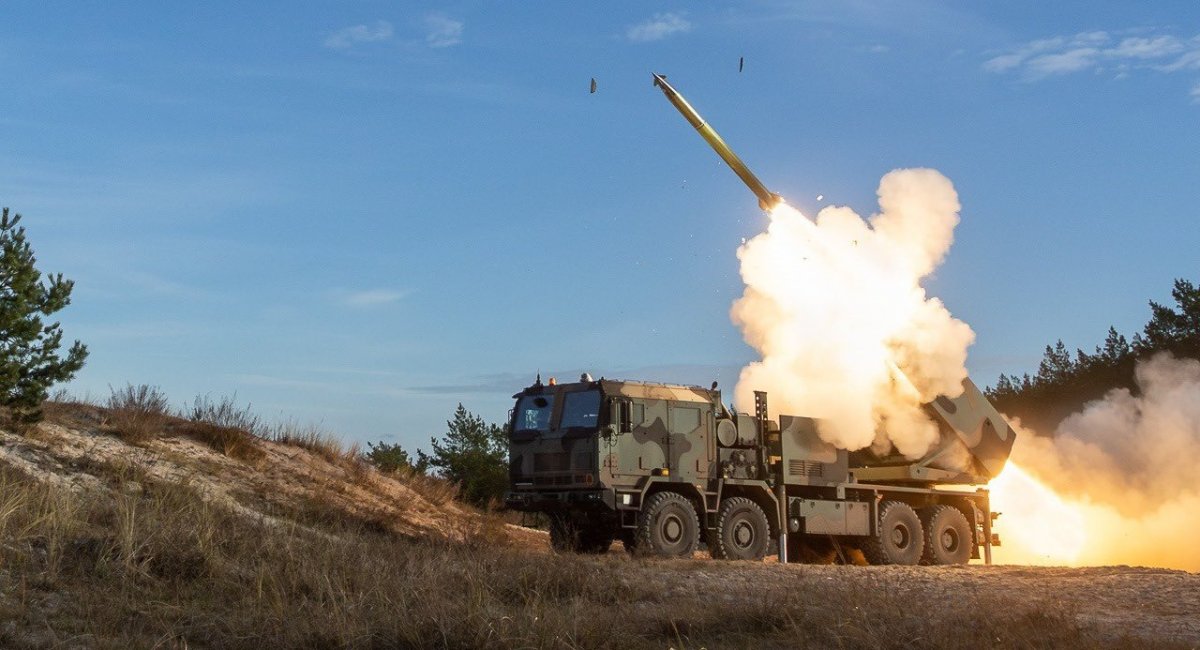
Against this backdrop, South Korea is offering Poland highly attractive cooperation terms, including the localization of production for the Homar-K launchers and their guided missiles. This cooperative flexibility has led other countries (such as Norway, Croatia and Estonia) to choose the K239 over HIMARS as well.
Against this backdrop, the idea emerged that the Polish Army’s HIMARS units were essentially "white elephants" that would be better off sold. Currently, all HIMARS MLRS units are consolidated within the 1st Missile Brigade, which reports directly to the General Staff of the Polish Armed Forces.
Read more: U.S. Says No to 300-km-Range Missiles for HIMARS, So Croatia Turns to South Korea’s K239 Chunmoo