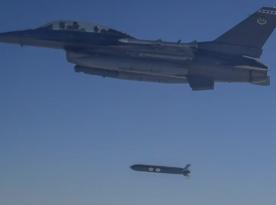
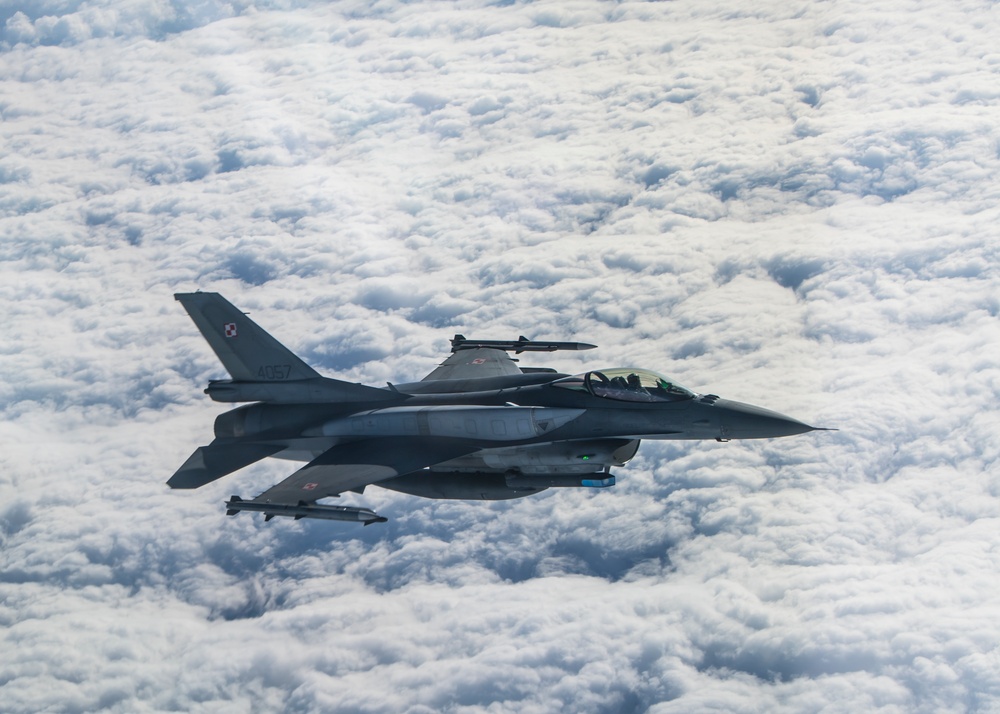
Poland seeks to task its F-16 fighter jets and FA-50 light combat/trainer aircraft with the role of "drone hunters." However, the country currently lacks the necessary rockets to fulfill this mission.
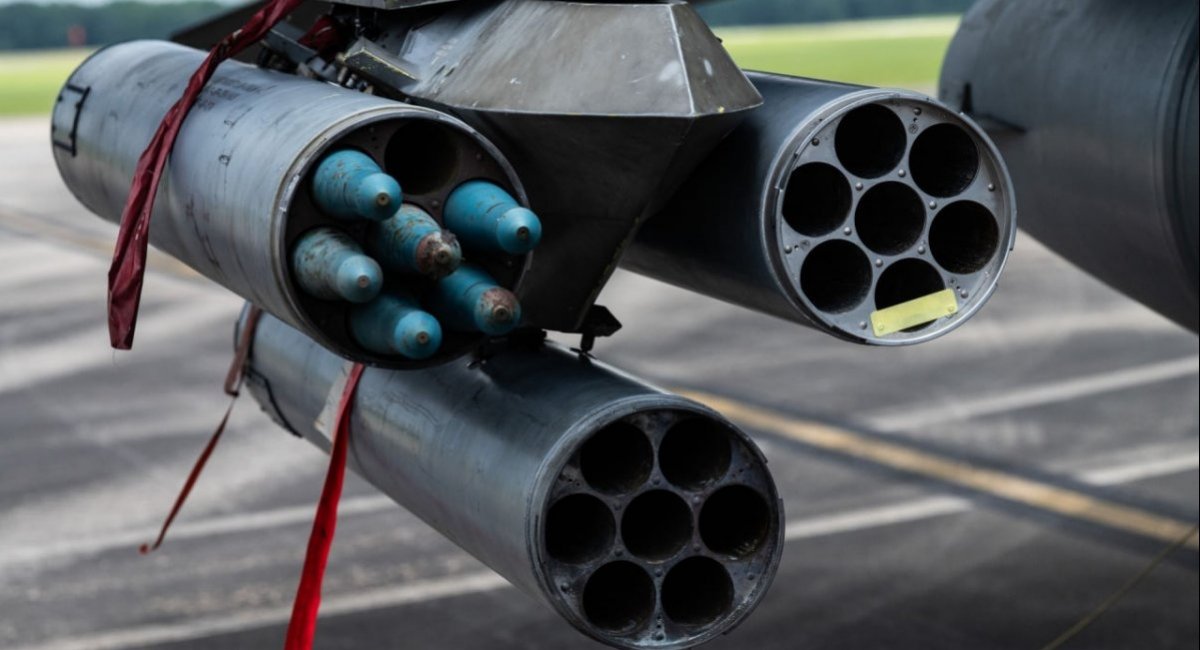
In an interview with Defence24, Lieutenant General Ireneusz Nowak, Operational Commander of the Polish Armed Forces, stated that the delivery of laser-guided 70mm APKWS II rockets is currently delayed. As is often the case, this is attributed to ammunition shortages—exacerbated by the conflict in the Middle East—and the prioritization of supplies for the United States.
Read more: Poland to Host Production of Norwegian C-UAS by Kongsberg to Counter russian Threat
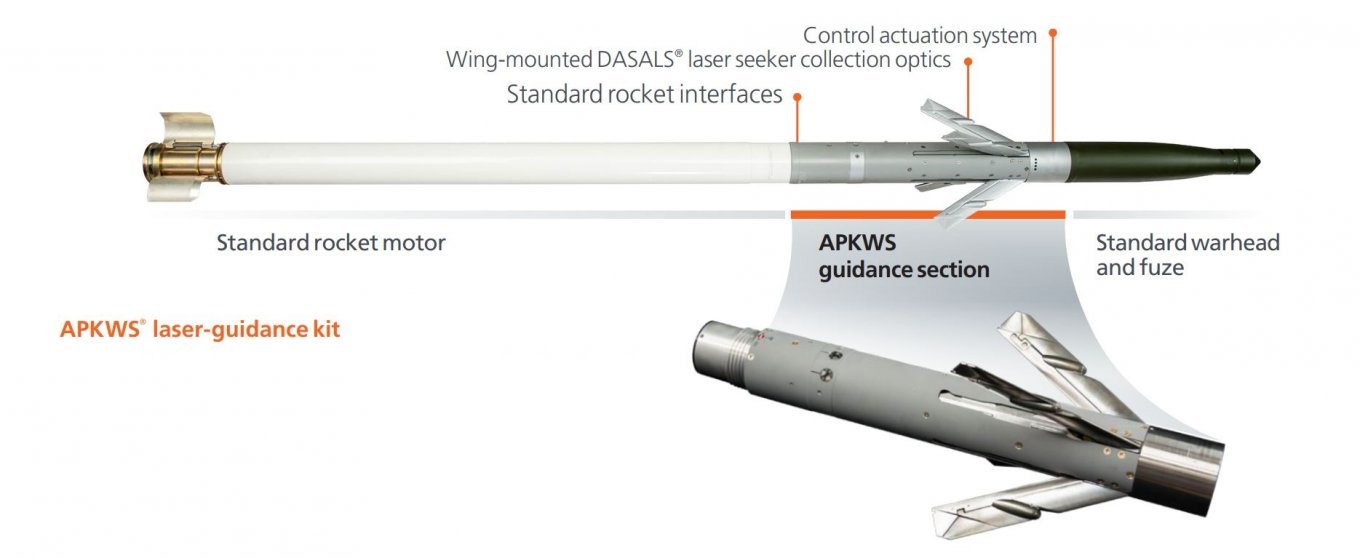
There is a silver lining to this situation: Poland is set to receive an improved version of the APKWS II fuzes. Meanwhile, work is underway to adapt the aircraft platforms to utilize these rockets. Specifically, the Sniper targeting pods for the FA-50s have been modified to support the use of such munitions. The situation with Poland’s F-16C/D aircraft is more straightforward: these missiles are already integrated into the weapon systems of their American counterparts.
Defense Express notes that delays in U.S. shipments of ammunition and missiles to allies and partners are nothing new. The conflict in the Middle East have significantly depleted existing stockpiles, leading the U.S. to prioritize its own military as the primary recipient.
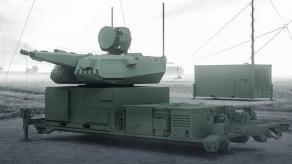
The case of ATACMS serves as a telling example: deliveries of these missiles to long-standing customers are being delayed, and sales to new buyers are not being approved. Poland is no stranger to these U.S. supply delays—this affects not only the aforementioned APKWS II missiles (which are used both in aviation arsenals and as part of the SAN counter-UAS air defense system) but also interceptors for the Patriot SAM system.
For Ukraine, this serves as further confirmation that the supply of ammunition from the U.S. remains highly problematic. Ukraine first encountered this issue in the summer of 2025, when 20,000 APKWS rounds intended for the Armed Forces of Ukraine were diverted to meet the needs of the U.S. military.

Given the delays in supplying APKWS to Poland, it is reasonable to assume that similar issues may currently be affecting the supply of these missiles to Ukraine, or that they are being delivered only in limited quantities. Currently, the Defense Forces of Ukraine employ APKWS rockets via the Vampire air defense system and, in all likelihood, from F-16 fighter jets. These rockets have proven to be an effective and cost-efficient means of downing UAVs. Another option is the 70mm FZ275 LGR rocket by Thales Belgium; plans to manufacture these in Ukraine were announced as early as 2024.
Read more: U.S. Army Began Receiving Vampire Air Defense Systems Just Two Months After Signing the Contract