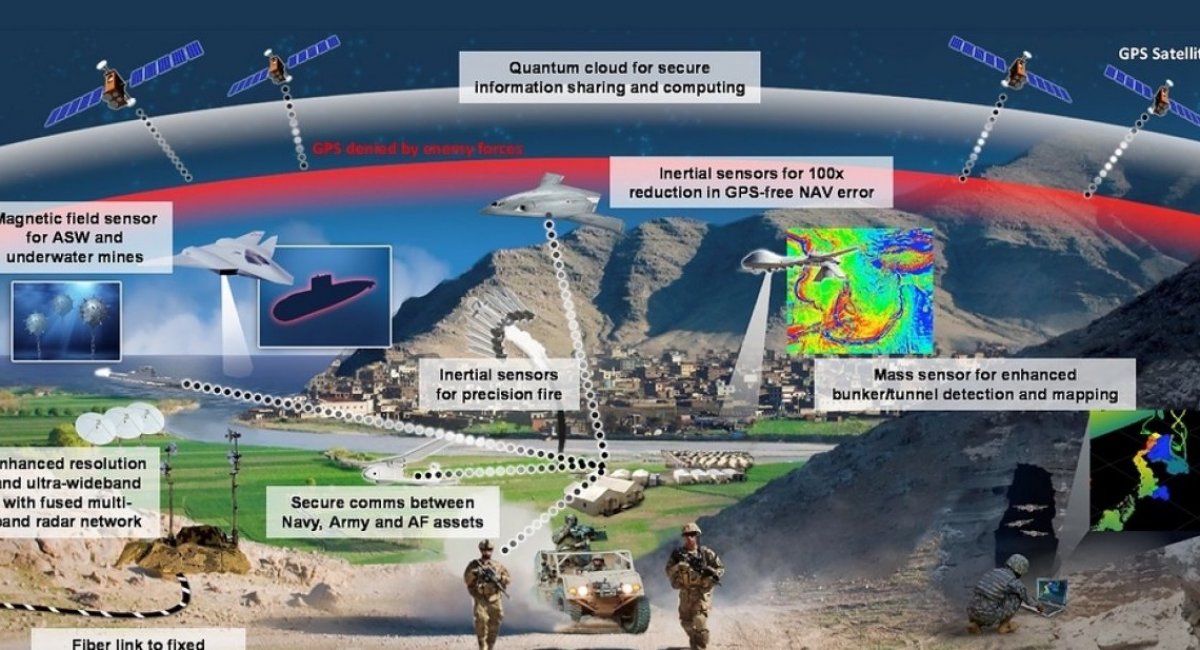
Although application submissions for DIU program closed in July, it is not yet definitively known who will receive support. However there are leading candidates already successfully conducting testing or implementation of quantum technologies who could potentially win.
Read more: France Goes Solo on Sixth-Gen Fighter After FCAS Split, New Demonstrator in 2027, Jet by Early 2040s
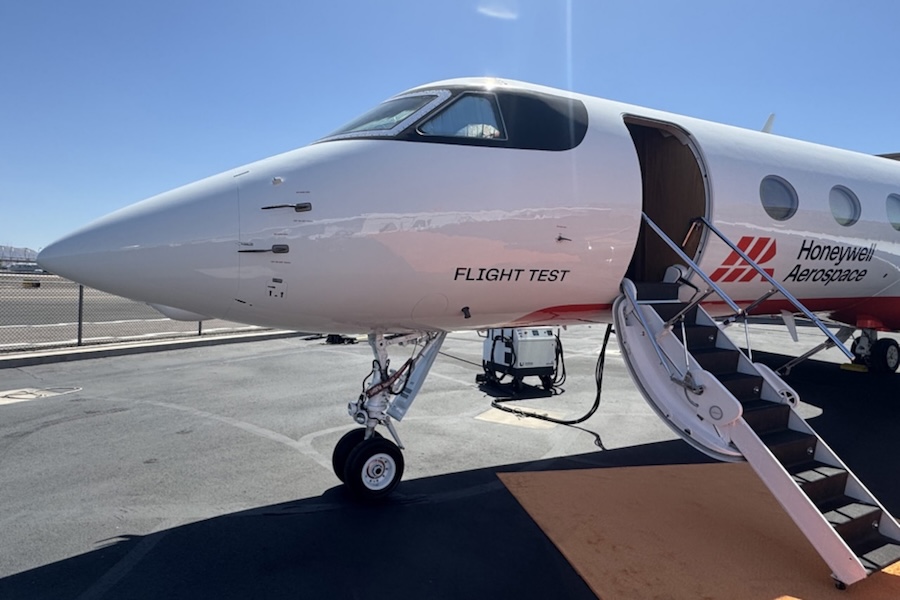
Honeywell conducted testing of aircraft equipped with quantum navigation system. Embraer 170 passenger aircraft was used for testing. It flew from Puget Sound area near Seattle to southern Alaska and back, spending 4 hours 23 minutes airborne without using GPS. During entire time aircraft position was determined by MagNav system.
It uses quantum sensors that detect very weak changes in Earth’s natural magnetic field. System compares obtained data with magnetic map of terrain and thus determines aircraft coordinates.
This provided 89% higher accuracy than standard systems such as GPS. Testing was conducted on basis of Pentagon unit formed during previous Farseer program. Next in line to receive this system is C-17 aircraft.
One of DIU program’s leading directions is gravimeters. Q-CTRL company, which already has experience working with Pentagon, specializes precisely in this type of instruments. Their quantum gravimeter guided Royal Australian Navy vessel through Coral Sea without using GPS. Also during testing autonomous gravitational mapping was performed, achieving key positioning accuracy indicator of one nautical mile.
Infleqtion company is one of leaders in quantum technology market: their Tiqker atomic clocks are already used in U.S. Navy programs, as are Rydberg radio frequency receivers. Company is also creating gravimeter for NASA.
Atomic clocks are another DIU program direction, and Vector Atomic portable atomic clocks already won within last Farseer program. However technology is now owned by IONQ company.
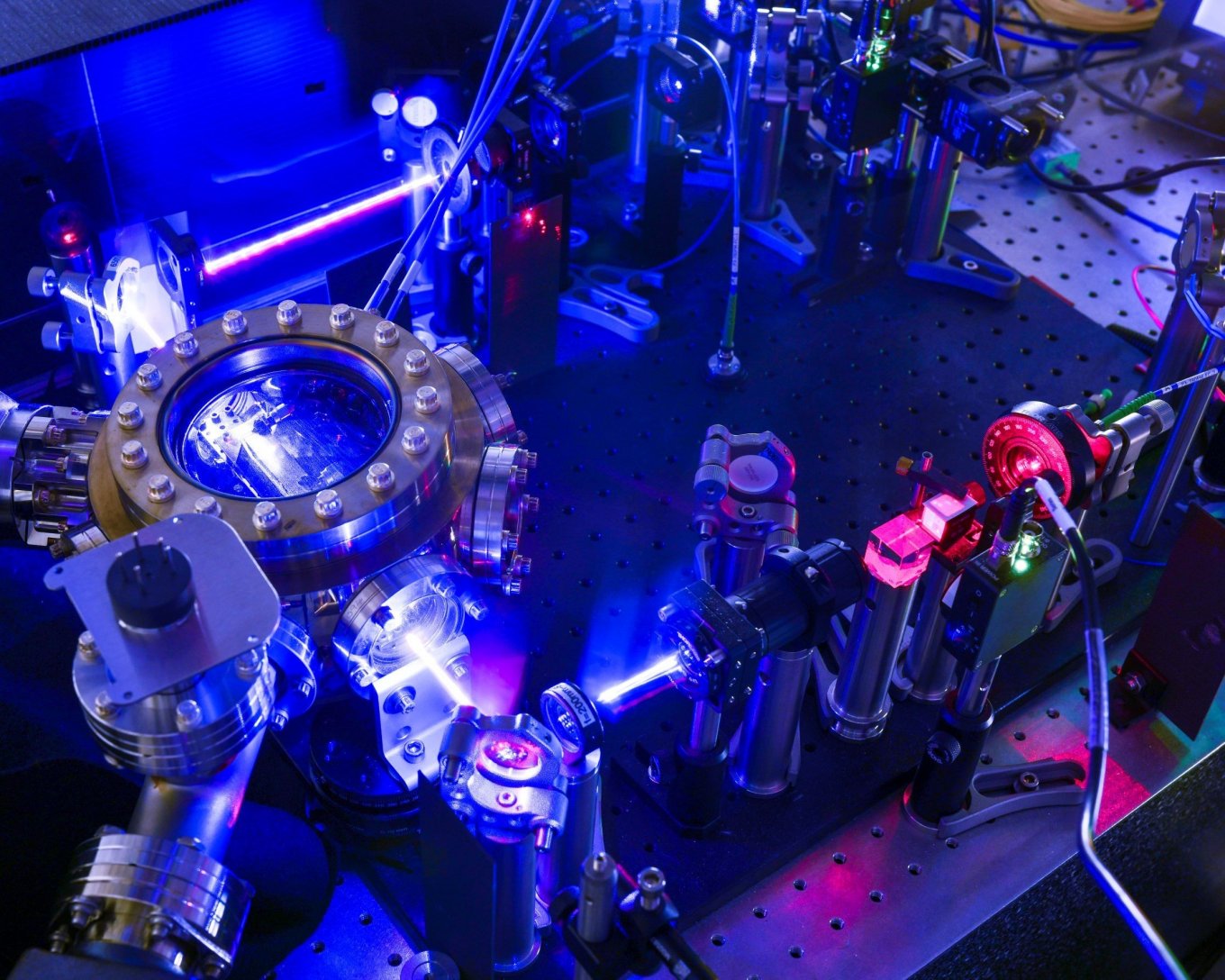
At 2026 World Quantum Congress, Lockheed Martin corporation announced launch of own quantum innovation center, making them another contender for program victory. Company already has experience working with DIU, actively integrating sensors into various defense technologies. Their infrared sensors provide advanced guidance, threat detection, navigation and reconnaissance capabilities.
SandboxAQ company already tested AQNav quantum magnetic navigation technology on U.S. Air Force drones. Although this software did not make latest DIU list, system is most operationally ready on market, and real flight hours confirm this. As company states, 245 flights were conducted.
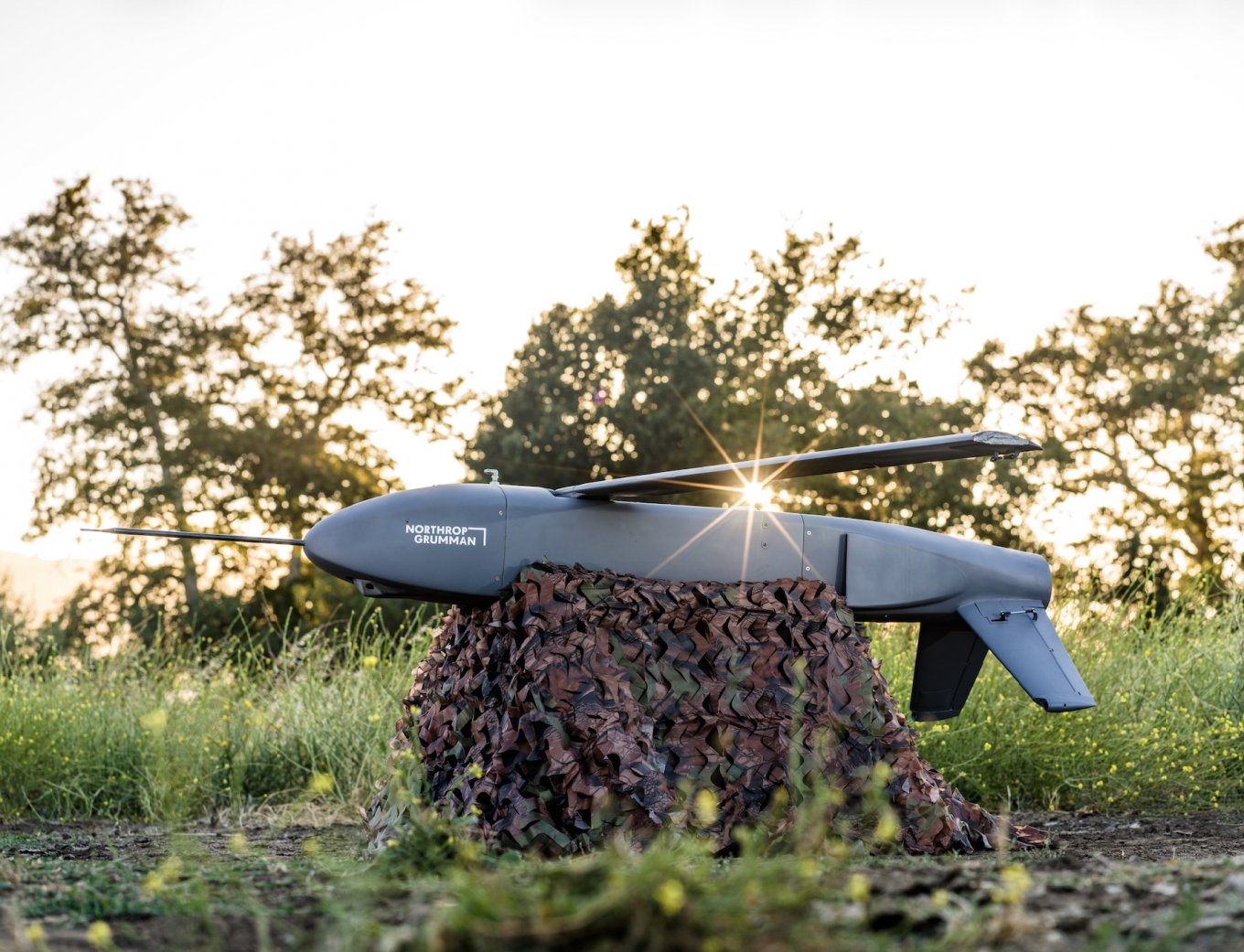
Another participant of previous DIU programs — AOSense — has been working in advanced technology field for over twenty years. Their gravimeters operating on atomic interferometry technology allow high-accuracy gravitational navigation. Additionally, inertial sensors manufactured by company enable navigation in conditions of absent or partially jammed GPS signal.
Worth noting here that traditional navigation systems are vulnerable to electronic warfare (EW) and jamming. Quantum sensors and inertial navigation systems allow warships, aircraft, submarines and UAVs to determine their coordinates with extreme precision without satellite signal or radars.
Overall it can be stated quantum technologies are indeed capable of providing military with strategic and technological advantage, fundamentally changing approaches to navigation, information protection, target detection and combat planning. However this is possible only with systematic work in this direction, sustained competencies and quite significant funding.
Kseniia Moskalenko, for Defense Express
Read more: If russia Is Putting "Surplus" T-90M Tanks, BMP-3s, Giatsint-K Howitzers Into Storage, What Does It Mean?