On Friday, October 9, 2026, reports emerged regarding the start of a potential operation to block air traffic over russian territory. Balloons carrying unidentified objects were spotted in the skies over Moscow, forcing the cancellation of over 200 flights. There were even reports that the plane carrying russian dictator Putin was unable to land in the capital of the aggressor state.
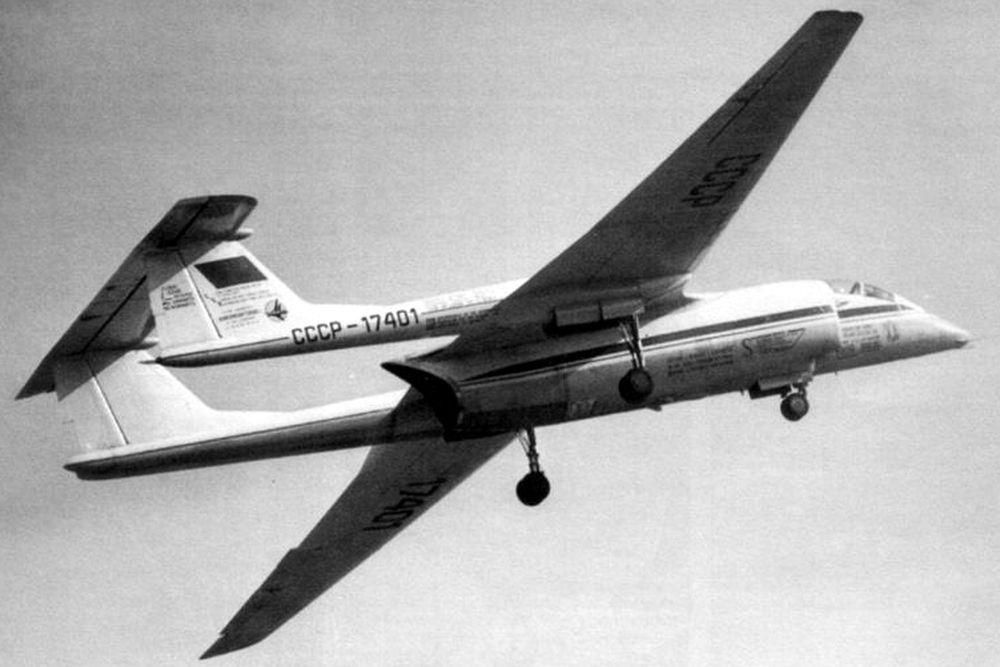
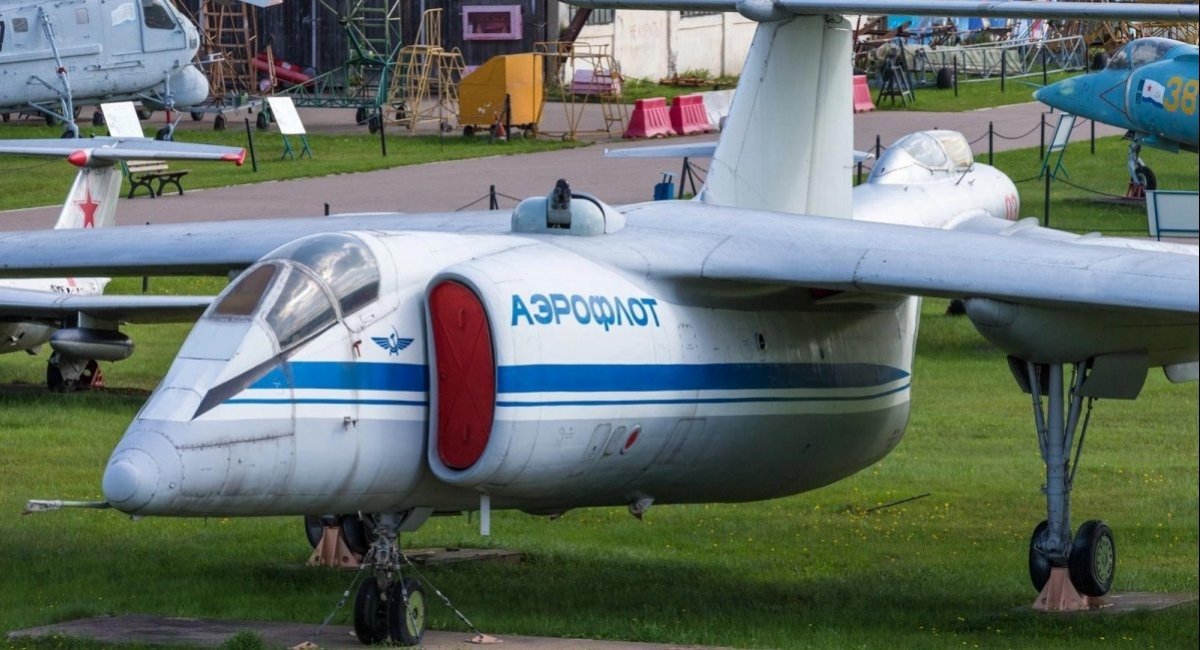
Against this backdrop, it is worth recalling that the USSR developed a specialized aircraft—the M-17 Stratosphere high-altitude subsonic jet (NATO reporting name: Mystic-A)—to intercept such aerial targets. However, the aircraft is merely a museum exhibit now.
Read more: russia Turns to World War I-Era Barrage Balloons to Protect Its Oil Refineries From Ukrainian Drones: Can They Actually Work?
Interestingly, the development of the M-17 Stratosphere aircraft was driven by the fact that, starting in the 1950s, NATO countries began using high-altitude balloons for continuous reconnaissance flights over USSR territory.
This threat was a constant concern for the Kremlin leadership; consequently, in 1967, a directive was issued to create a high-altitude aircraft with a single mission: to shoot down Western balloons at any altitude. The Myasishchev Design Bureau (OKB Myasishchev) was tasked with this project and ultimately created the M-17 Stratosphere high-altitude balloon interceptor.
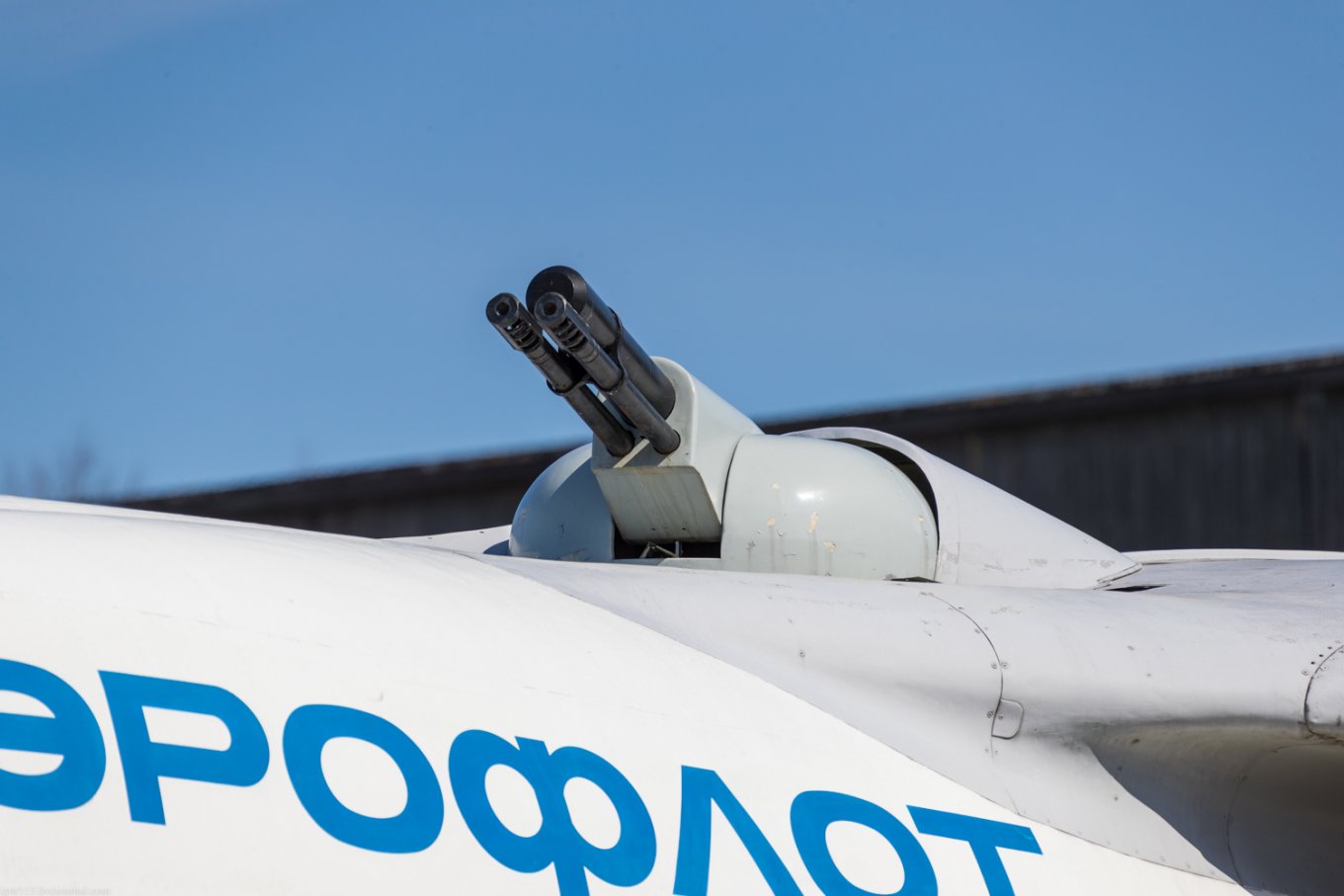
A notable feature of the aircraft was its armament, which consisted solely of a twin 23mm autocannon equipped with an optical targeting system. This minimalist approach was necessitated by the requirement to reach altitudes of up to 21.5 kilometers.
The maiden flight of the M-17 Stratosphere prototype took place in December 1978, but the aircraft was lost in an accident. A second prototype was subsequently built and successfully underwent testing between 1982 and 1983. Using its onboard cannon, this aircraft managed to shoot down nine balloons at altitudes ranging from 9 to 21 kilometers.
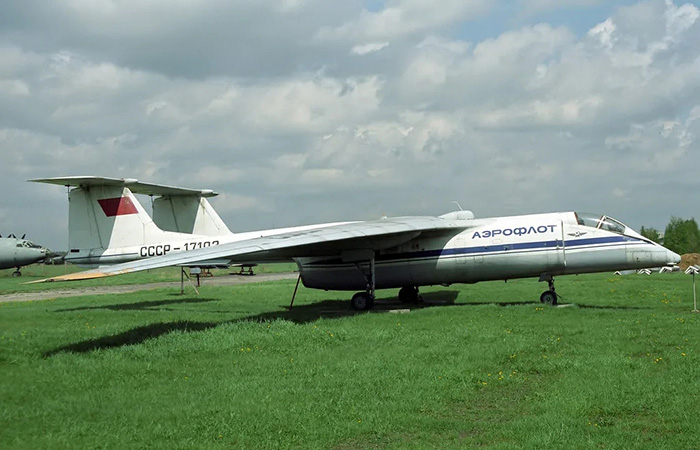
However, starting in 1983, the U.S. and other Western nations ceased sending balloons into USSR airspace. Consequently, the M-17 Stratosphere lost its relevance as balloon interceptor and was instead repurposed for experimental use. This development led to the M-55 Geofizika aircraft; the russians reactivated it in 2023 and equipped it with a reconnaissance pod taken from a Su-34 aircraft.
Interestingly, a third M-17 Stratosphere unit was built in 1990, configured for the anti-balloon role, but it never saw practical service. Following the collapse of the USSR, both surviving M-17 Stratosphere aircraft became museum exhibits.
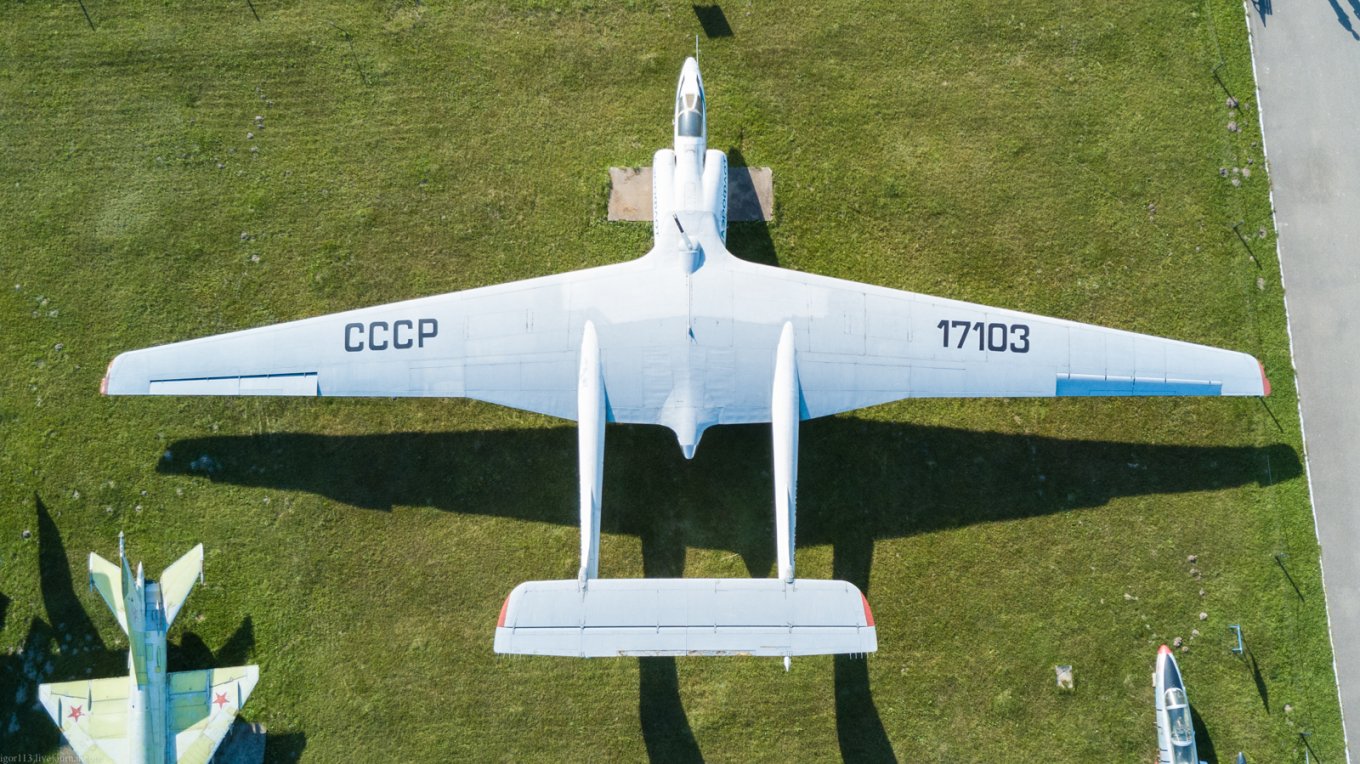
Known specifications of the M-17 Stratosphere high-altitude balloon interceptor:
- fuselage length – 22.27 meters;
- wingspan – 40.32 meters;
- normal takeoff weight – 18.4 tonnes;
- crew – 1 person;
- maximum flight speed – 743 km/h at an altitude of 20 km;
- maximum flight altitude – 21.5 km;
- combat range – 1,315 km.
As Defense Express reported, following Ukraine's Experience, U.S. pushed drones into stratosphere where most air defenses can't reach, aerostar tests balloon-launched UAVs.
Read more: Ukraine's Hornet UAVs Targeting Crimea Corridor Could Fly Farther, Longer With Balloon Deployment